
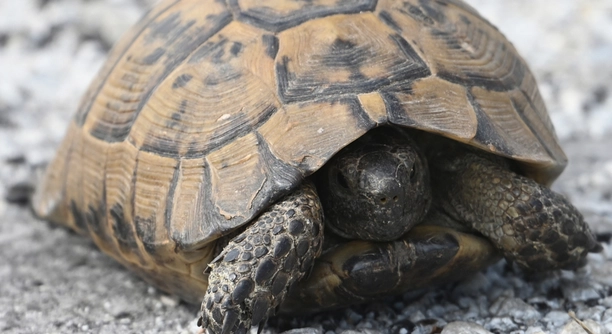
If you’ve noticed your Greek tortoise dragging its back legs, it’s important to understand what might be causing this behavior. Tortoises are known for their slow movements, but unusual dragging could signal a health issue that requires attention.
There are several potential reasons for this, including injuries, neurological disorders, or even environmental factors like poor habitat conditions. Infections or lack of proper nutrition may also contribute to the issue, and it’s essential to address them promptly.
Understanding these causes will help you take the right steps to ensure your tortoise’s well-being and prevent further complications.
Injuries or Trauma
Sometimes, a Greek tortoise may drag its back legs due to an injury or trauma. A fall or accident could result in broken bones, sprains, or internal damage that affects its movement. Even small injuries may cause pain or difficulty in walking, leading to dragging. If your tortoise has been in an accident or exposed to dangerous situations, it’s important to examine it for signs of injury. Check its shell, limbs, and body for any visible damage or swelling. Tortoises can be quite resilient, but severe injuries should be taken seriously and treated promptly to avoid long-term damage.
If you suspect an injury, it’s best to consult a veterinarian. They will be able to assess the severity of the injury and recommend appropriate treatment. Proper care, including rest and a safe environment, will help with the healing process. Taking action early can prevent further complications and ensure your tortoise recovers as quickly as possible.
A proper checkup will determine if the injury is severe enough to require medical attention. By identifying and treating injuries early, you’ll improve the chances of recovery and help your tortoise regain its strength.
Neurological Issues
Neurological issues can affect a tortoise’s ability to move its legs properly. Conditions such as spinal cord problems or nerve damage may disrupt normal leg movement. When this happens, the tortoise may have trouble coordinating its legs, causing them to drag. This type of issue can be difficult to diagnose, as symptoms often appear gradually and can be mistaken for less serious problems.
If you notice that your tortoise’s legs are dragging more frequently or that it has difficulty standing, it could be a sign of nerve damage or a neurological disorder. Veterinary care is essential in such cases, as proper diagnosis and treatment will give your tortoise the best chance of recovery. It may involve imaging tests, such as X-rays or MRIs, to better understand the condition.
Treatment for neurological issues depends on the diagnosis. It may include medication, physical therapy, or even surgical intervention if needed. Ensuring your tortoise gets the right care will make a significant difference in its recovery.
Poor Habitat Conditions
An inadequate living environment is one of the most common reasons why a tortoise might drag its back legs. If the enclosure is too small, lacks proper heating or lighting, or doesn’t offer a variety of surfaces for the tortoise to walk on, it can struggle to move properly. Tortoises rely on temperature regulation for their muscles and joints to function correctly. Without the right conditions, their physical health can decline.
Temperature is especially crucial for Greek tortoises. Their enclosure should provide a warm basking spot, cooler shaded areas, and a humidity level that mimics their natural habitat. If the environment is too cold or too dry, your tortoise may experience stiff joints or muscle weakness. Additionally, flooring with slippery surfaces or sharp objects can cause injury and affect its ability to walk comfortably.
Adjusting the habitat’s temperature, lighting, and humidity can improve your tortoise’s mobility and overall well-being. Regularly monitoring these conditions is key to preventing discomfort and ensuring your tortoise can move freely within its home.
Nutritional Deficiencies
Nutrition plays a vital role in your tortoise’s ability to stay healthy and active. If your tortoise is not getting the proper nutrients, it may become weak and unable to move its legs properly. A diet lacking in essential vitamins, calcium, or other minerals can cause bone and muscle issues. Greek tortoises require a balanced diet of high-fiber plants, leafy greens, and calcium-rich foods.
Inadequate calcium is particularly problematic for tortoises. Without enough calcium, their bones can become weak and brittle, which affects their ability to move. Calcium is necessary for proper muscle function and bone strength. If your tortoise’s diet is deficient in calcium, it could result in dragging legs or even more serious problems like shell deformities.
To ensure your tortoise receives the necessary nutrients, offer a variety of foods and consider adding a calcium supplement to its diet. Calcium supplements can help prevent health problems, especially in young or growing tortoises. A healthy diet supports bone and muscle health, allowing your tortoise to move around freely.
Infections
Infections can cause a tortoise to drag its back legs if they affect the nervous system, muscles, or joints. Bacterial or fungal infections may cause swelling, pain, and weakness, making movement difficult. It’s crucial to identify and treat infections quickly to avoid long-term damage.
If an infection is suspected, it’s essential to seek veterinary help. A vet can perform tests to determine the type of infection and provide appropriate treatment, such as antibiotics or antifungals. Untreated infections can worsen over time, leading to more serious health issues that can affect mobility.
Proper care and hygiene in the tortoise’s habitat can help prevent infections from developing. Regular cleaning and maintenance of the enclosure, as well as providing fresh food and water, can reduce the risk of bacterial or fungal growth.
Parasites
Parasites, such as mites or internal worms, can also affect your tortoise’s movement. These pests can cause discomfort and weakness, potentially leading to dragging legs. Signs of a parasitic infection include weight loss, lethargy, or visible pests on the shell.
If parasites are suspected, a veterinarian can perform a fecal test to identify the type of parasite and recommend the correct treatment. Deworming medications or topical treatments can help rid your tortoise of parasites and improve its mobility. By eliminating the source of the issue, your tortoise will feel more comfortable and be able to move around with ease.
Obesity
Obesity can contribute to leg dragging in tortoises, as excess weight puts pressure on the limbs and joints. When a tortoise becomes overweight, its body struggles to support itself, causing difficulty in movement. Maintaining a healthy weight is essential to ensure your tortoise remains active.
If you notice your tortoise becoming sluggish or having trouble moving, check its diet and exercise routine. Providing a balanced diet and encouraging regular movement can prevent obesity-related issues. Reducing calorie intake and offering more fibrous plants can help regulate weight and improve mobility.
FAQ
Why is my tortoise dragging its back legs?
There are several possible reasons why your tortoise might be dragging its back legs. It could be due to injuries, neurological issues, infections, or even poor habitat conditions. Lack of proper nutrition or the presence of parasites can also lead to weakness in the legs. Each cause requires different treatment, so identifying the root issue is essential. Always check for visible injuries, monitor habitat conditions, and observe your tortoise’s overall behavior. If the dragging persists, it’s important to consult a veterinarian to get a proper diagnosis.
How can I tell if my tortoise is injured?
If your tortoise is injured, you may notice swelling, bruising, or a limp. It could be reluctant to move or may try to avoid walking altogether. Inspect your tortoise for visible cuts, abrasions, or broken shells, especially around the legs and underbelly. Be gentle while checking for injuries, as tortoises can be sensitive. If you suspect an injury, it’s best to take your tortoise to a vet who can perform an X-ray or other tests to determine the severity of the damage.
What are the signs of a neurological problem in my tortoise?
Neurological problems may present themselves as difficulty in movement, such as dragging legs or an inability to coordinate the limbs properly. Your tortoise may also appear disoriented, have trouble eating, or may show signs of weakness in certain body parts. If the problem is neurological, you might notice that the dragging is more persistent, even when your tortoise is in a safe environment. A vet can help diagnose these issues through physical examinations and, if necessary, imaging tests like X-rays.
Can poor habitat conditions cause leg dragging in tortoises?
Yes, poor habitat conditions can contribute to leg dragging. A tortoise’s environment needs to mimic its natural habitat, with appropriate temperatures, humidity levels, and surfaces for movement. If the enclosure is too cold, too damp, or lacks variety in the ground texture, your tortoise may experience stiffness in its joints or muscle weakness. Over time, these environmental issues can lead to discomfort and difficulty moving. Ensure that the enclosure has proper lighting, heat sources, and the correct substrate for your tortoise’s needs.
What kind of diet is best for my Greek tortoise?
A balanced diet is essential for your Greek tortoise’s health and mobility. They primarily require a diet rich in fiber, such as leafy greens, grasses, and flowers. You should provide a variety of plant-based foods and avoid fruits that are too sugary. Greek tortoises also need adequate calcium to maintain strong bones and muscles. Offering a calcium supplement, especially for younger tortoises or those with calcium deficiencies, is important. Avoid feeding them foods with too much protein or high-fat content, as this can lead to obesity and other health problems.
How do I know if my tortoise has a calcium deficiency?
Calcium deficiency in tortoises can lead to weak bones, difficulty moving, and sometimes deformities in the shell. Symptoms of calcium deficiency include lethargy, muscle weakness, and leg dragging. If your tortoise’s legs are not functioning properly or it seems slow to react, this could be a sign that it’s not getting enough calcium. A proper diet, supplemented with calcium powder, can help prevent these issues. Always ensure your tortoise is eating foods rich in calcium, such as dandelion greens, and consider adding a calcium supplement if needed.
What should I do if my tortoise is sick or weak?
If your tortoise is sick or showing signs of weakness, it’s important to consult a veterinarian immediately. Weakness, poor appetite, or dragging legs can be symptoms of a range of health issues, such as infections, parasites, or injuries. A vet will be able to diagnose the issue, perform necessary tests, and recommend appropriate treatment. You should avoid self-medicating, as it could worsen the situation. While waiting for a vet appointment, make sure your tortoise is in a clean, safe, and comfortable environment to help reduce stress.
How can I prevent my tortoise from getting infections?
To prevent infections, maintaining a clean and hygienic environment is crucial. Regularly clean your tortoise’s enclosure to prevent bacterial and fungal growth. Make sure to replace any soiled bedding and disinfect surfaces that may harbor germs. Provide fresh, clean water daily, and ensure that food is not contaminated. Additionally, monitor your tortoise for any signs of injury or illness, as infections can develop from wounds or scrapes. If your tortoise shows signs of infection, prompt veterinary treatment will be necessary to prevent it from spreading.
Is obesity a common problem for tortoises?
Yes, obesity is a common issue for tortoises, especially if they are overfed or fed an improper diet. A tortoise that consumes too many high-calcium foods or doesn’t get enough exercise is more likely to become overweight. This can lead to difficulty moving, leg dragging, and other health issues. To prevent obesity, regulate your tortoise’s food intake, provide proper nutrition, and encourage regular activity by offering varied surfaces in its habitat. Regular weight checks can help you ensure that your tortoise maintains a healthy weight.
Can I use any over-the-counter medication for my tortoise?
It’s always best to consult a veterinarian before administering any medication to your tortoise. Over-the-counter medications intended for other animals or humans can sometimes be harmful to reptiles. A veterinarian can provide the right type of medication based on your tortoise’s condition. For example, antibiotics or painkillers should only be used if prescribed by a professional. Always follow your vet’s instructions regarding dosage and treatment duration. Taking precautions will ensure the safety and well-being of your tortoise during its recovery.
What should I do if my tortoise refuses to eat?
A tortoise that refuses to eat could be experiencing stress, illness, or environmental issues. First, check if the habitat conditions are appropriate, such as temperature and humidity. If the environment is fine, check for signs of illness like swelling, lethargy, or nasal discharge. If these symptoms persist, it’s important to seek veterinary help. In some cases, a lack of appetite could be related to a calcium deficiency or internal parasites, which a vet can diagnose and treat. Providing a variety of fresh, appealing foods may also help encourage eating.
Final Thoughts
Understanding why your Greek tortoise might be dragging its back legs is important for addressing the issue effectively. Several factors can contribute to this behavior, ranging from environmental conditions to health issues such as injuries or neurological problems. Proper observation and identifying any changes in your tortoise’s movement are the first steps toward determining the cause. If your tortoise shows signs of weakness, such as dragging its legs, it’s essential to rule out the most common causes like injury, lack of exercise, or poor diet. Environmental factors like temperature, humidity, and the quality of its enclosure also play a significant role in your tortoise’s health. By maintaining an appropriate habitat and offering a balanced diet, you can prevent many common issues that could affect your tortoise’s mobility.
Once you’ve narrowed down the potential causes, it’s crucial to take appropriate steps to help your tortoise recover. In some cases, dietary adjustments, increased calcium intake, or changes to the habitat may be sufficient to improve their condition. In other situations, however, seeking professional veterinary care is necessary. Veterinarians can help diagnose issues that are not immediately apparent and can guide you through the process of providing the best care for your tortoise. Whether it’s treating an injury, addressing a neurological problem, or correcting a dietary imbalance, expert advice can help your tortoise get back to its normal self. Remember that tortoises are delicate creatures, and their well-being depends on both preventive care and timely intervention when issues arise.
Caring for a tortoise is not always straightforward, but with the right approach, you can significantly improve their quality of life. Regular monitoring of their health, diet, and living conditions is essential. If you notice any signs of distress or abnormal behavior, such as dragging legs, do not hesitate to seek help. Early intervention can prevent further complications and ensure that your tortoise leads a long, healthy life. Understanding and addressing the underlying causes of leg dragging will make a difference in your tortoise’s recovery and overall well-being. With a little attention and the right care, your tortoise can regain its mobility and enjoy its life with you.

Hello,
If you enjoy the content that we create, please consider saying a "Thank You!" by leaving a tip.
Every little bit helps us continue crafting quality advice that supports the health, happiness, and well-being of pets around the world, for pets of all shapes, sizes, and species.
We really appreciate the kindness and support that you show us!