
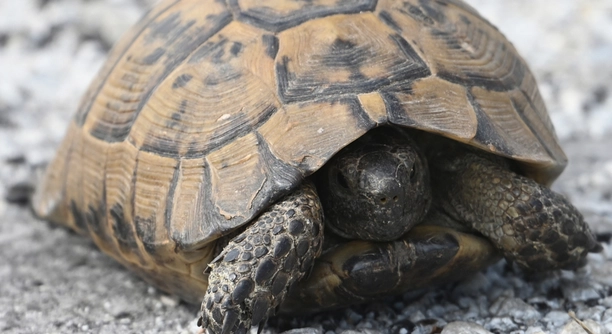
Greek tortoises are fascinating creatures, known for their unique personalities and long lifespan. To ensure they live a healthy life, it’s important to focus on the right nutrients that support their well-being, including vitamins.
Essential vitamins play a critical role in the health of Greek tortoises. Vitamin A promotes good vision and immune function, while Vitamin D aids in calcium absorption for strong bones. B vitamins support energy metabolism, and Vitamin E helps maintain skin and coat health.
Understanding these vitamins and how they contribute to your tortoise’s overall health will ensure they thrive. By meeting their specific dietary needs, you can help your tortoise lead a long, healthy life.
Vitamin A: Essential for Vision and Immune Health
Vitamin A is one of the most important vitamins for your Greek tortoise. It helps maintain good vision and supports their immune system. Greek tortoises need adequate Vitamin A to prevent issues such as eye problems and weakened immunity. This vitamin also aids in skin health, preventing dryness and shedding. Foods like kale, carrots, and bell peppers are great sources of Vitamin A for your tortoise. However, it is important not to overdo it, as excess Vitamin A can cause toxicity. Proper supplementation can help maintain a balanced diet without putting their health at risk.
For the health of your tortoise, offering a varied diet of fresh vegetables and leafy greens will provide the right amount of Vitamin A. This nutrient is necessary for your tortoise’s overall well-being and plays a large role in preventing health problems related to their eyes and immune function.
By offering a balanced diet with the right amount of Vitamin A, your Greek tortoise can live a healthy, active life. Their immunity will be stronger, and they will experience fewer health issues as they age.
Vitamin D: Crucial for Calcium Absorption
Vitamin D is vital for the absorption of calcium, which is essential for maintaining strong bones in Greek tortoises. Without it, your tortoise can experience shell deformities or weak bones. Exposure to natural sunlight is the best way to ensure your tortoise receives enough Vitamin D. However, during the winter months, a UVB light source will help maintain proper calcium absorption.
If your tortoise isn’t getting enough Vitamin D, their growth may be stunted, and they could develop metabolic bone disease. This condition leads to soft, brittle bones, making them more vulnerable to fractures. Proper exposure to sunlight or a reliable UVB bulb will help your tortoise stay healthy.
Providing the right conditions for Vitamin D synthesis through sunlight or proper lighting is essential for your tortoise’s development. Ensuring they receive enough Vitamin D will keep their bones and shell strong for years.
Vitamin C: Vital for Collagen and Tissue Repair
Vitamin C helps in collagen formation and tissue repair, which are essential for the overall health of your Greek tortoise. A deficiency in Vitamin C can lead to scurvy, which causes swelling, lethargy, and other health issues. To prevent this, ensure your tortoise eats fresh greens such as spinach, mustard greens, and dandelion leaves, which are rich in Vitamin C.
Offering a variety of fresh vegetables will help provide the necessary amount of Vitamin C, supporting your tortoise’s tissue repair and immune function. Additionally, Vitamin C helps reduce inflammation and aids in quicker recovery from injuries or illness.
It’s important to note that tortoises have limited ability to store Vitamin C, so they need a consistent intake. With the right diet, your Greek tortoise will benefit from stronger connective tissue and better overall health. Regular exposure to fresh, nutritious food is key to their long-term well-being.
Vitamin E: Protecting Skin and Coat Health
Vitamin E plays a crucial role in maintaining healthy skin and a glossy coat for your Greek tortoise. This vitamin acts as an antioxidant, protecting their cells from damage caused by free radicals. A diet rich in Vitamin E ensures that your tortoise’s skin remains healthy and free of issues like dry patches or flaky skin. It also contributes to the overall functioning of their immune system.
Vitamin E can be found in foods like leafy greens, sweet potatoes, and certain seeds. Regular intake helps keep their skin soft and hydrated, preventing the common issue of shedding.
Not only does Vitamin E improve the appearance of their skin, but it also aids in the repair of damaged cells, speeding up recovery after wounds or injuries. A well-balanced diet with enough Vitamin E will help your tortoise look and feel healthy for a long time.
Vitamin K: Supports Healthy Blood Clotting
Vitamin K is necessary for proper blood clotting in Greek tortoises. It also helps with bone health, ensuring they remain strong and durable. Foods like leafy greens, such as kale and collard greens, provide a natural source of Vitamin K. These foods also promote overall health by supporting bone structure.
A diet rich in Vitamin K contributes to your tortoise’s ability to heal properly from injuries. Without sufficient Vitamin K, they may experience excessive bleeding or slow recovery. Offering fresh greens regularly will help maintain their overall well-being.
Vitamin B Complex: Boosting Metabolism and Energy Levels
The Vitamin B complex group includes several vitamins that are essential for energy metabolism. They help convert food into energy and play a role in maintaining healthy skin, nerves, and muscles. For Greek tortoises, these vitamins support their growth and activity levels, especially during the warm months.
A balanced diet with a variety of fresh vegetables such as leafy greens, squash, and sweet potatoes will ensure your tortoise receives the proper B vitamins. These nutrients work together to support your tortoise’s metabolism and energy, helping them stay active and healthy.
Vitamin H: Aiding in Healthy Skin and Growth
Vitamin H, or biotin, is essential for healthy skin and growth in Greek tortoises. A lack of biotin can result in poor shell quality and skin problems. Including foods like leafy greens, carrots, and broccoli will provide the necessary amount of biotin for their health.
FAQ
What are the signs of Vitamin A deficiency in Greek tortoises?
Vitamin A deficiency in Greek tortoises can lead to several health issues, including poor vision, respiratory problems, and skin issues. You may notice signs like swollen eyes, cloudy corneas, or unusual shedding. If left untreated, it can affect their immune system and overall health. To prevent this, provide a varied diet that includes vegetables like carrots, sweet potatoes, and dark leafy greens.
How can I ensure my tortoise is getting enough Vitamin D?
Vitamin D is essential for calcium absorption and bone health. Without adequate Vitamin D, Greek tortoises can develop soft shells and weak bones. The best way to ensure proper Vitamin D intake is by providing exposure to natural sunlight or a UVB light source. Ensure that your tortoise has access to sunlight or a UVB lamp for about 10-12 hours a day, especially during the winter months when natural sunlight is limited.
Can I supplement my tortoise’s diet with Vitamin supplements?
While it’s possible to supplement your tortoise’s diet with vitamins, it’s usually better to provide a varied diet of fresh vegetables and leafy greens to meet their nutritional needs. If you’re concerned about any potential deficiencies, consult with a reptile veterinarian to discuss appropriate supplements. Over-supplementing certain vitamins, especially Vitamin A, can be harmful to your tortoise, so always be cautious.
How can I tell if my tortoise is getting enough Vitamin C?
Signs that your tortoise may be lacking Vitamin C include swelling, lethargy, and a lack of appetite. They may also show symptoms like soft tissue problems and poor wound healing. To ensure sufficient Vitamin C intake, include fresh greens like spinach, mustard greens, and dandelion leaves in their diet. Regularly providing these vegetables will keep your tortoise healthy and active.
What should I do if my tortoise is showing signs of Vitamin E deficiency?
A Vitamin E deficiency in Greek tortoises can lead to poor skin health, with dry patches, flaky skin, and shedding problems. To avoid this, incorporate foods like kale, collard greens, and dandelion leaves into your tortoise’s diet. These foods are rich in Vitamin E, helping to maintain healthy skin and coat. If symptoms persist, consult with a reptile vet for advice on supplementation.
How can I help my tortoise absorb more calcium?
Calcium absorption is crucial for strong bones and shell development. To aid calcium absorption, ensure your tortoise has sufficient exposure to UVB light, which helps convert vitamin D into its active form. You can also dust their food with calcium powder or include high-calcium foods like dark leafy greens, such as collard greens, kale, and dandelion greens.
What are the risks of over-supplementing my tortoise’s diet with vitamins?
Over-supplementing your tortoise’s diet with vitamins can lead to toxicity, especially with fat-soluble vitamins like Vitamin A and D. This can cause serious health issues, including liver damage, kidney problems, and bone deformities. To avoid this, it’s best to rely on a well-balanced diet and consult a vet if you’re unsure about supplementing their food.
What is the best diet for a Greek tortoise to maintain healthy vitamin levels?
A healthy, balanced diet for a Greek tortoise should include a variety of fresh, leafy greens, vegetables, and some fruits. Some good options include dandelion leaves, kale, collard greens, and carrots. Avoid high-protein or high-fat foods, as they can cause imbalances. The right mix of vegetables ensures that your tortoise receives the essential vitamins they need.
How do I know if my tortoise is suffering from a vitamin deficiency?
The symptoms of vitamin deficiencies in Greek tortoises vary depending on the missing nutrient. Common signs include lethargy, poor growth, shell deformities, or skin issues. If you notice any of these signs, it’s essential to assess their diet and ensure they are receiving a well-balanced mix of vitamins. If symptoms persist, consult a veterinarian for proper diagnosis and treatment.
Can Greek tortoises get all their vitamins from sunlight?
Sunlight is essential for providing Vitamin D, which helps with calcium absorption. However, sunlight alone does not provide all the necessary vitamins, such as Vitamin A or C. A varied diet of fresh, vitamin-rich vegetables is key to maintaining your tortoise’s health. Regular exposure to UVB light is also necessary, especially in the absence of direct sunlight.
Final Thoughts
Maintaining a healthy diet for your Greek tortoise is essential for its overall well-being. Vitamins play a critical role in supporting various bodily functions, from bone health to skin quality. While it may seem overwhelming to focus on each specific vitamin, providing a balanced diet with a variety of fresh vegetables will naturally cover most of their nutritional needs. Key vitamins like A, D, E, and K, as well as the B complex group, all contribute to your tortoise’s health in different ways.
By offering a mix of leafy greens, vegetables like carrots and squash, and the occasional fruit, you help ensure your tortoise gets the right vitamins in the proper amounts. Over-supplementing with vitamins can be harmful, so it’s better to rely on natural food sources rather than commercial supplements unless advised by a vet. Be mindful of their diet and how it impacts their growth, skin, shell, and overall energy.
Lastly, observe your tortoise regularly. Signs of vitamin deficiency may not always be immediately obvious, but with a careful eye, you can catch issues early. If you notice any unusual behavior or physical changes, consult with a reptile veterinarian. Regular check-ups and the right diet will help your Greek tortoise thrive and live a long, healthy life.

Hello,
If you enjoy the content that we create, please consider saying a "Thank You!" by leaving a tip.
Every little bit helps us continue crafting quality advice that supports the health, happiness, and well-being of pets around the world, for pets of all shapes, sizes, and species.
We really appreciate the kindness and support that you show us!