
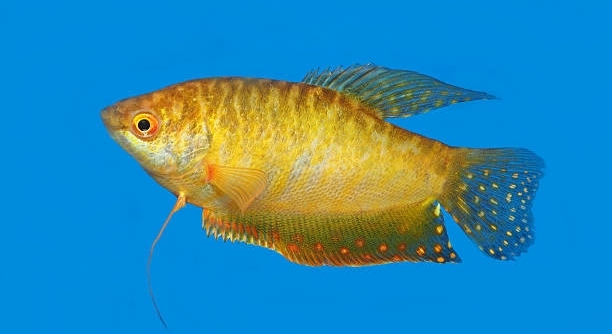
Many gourami owners notice their fish spending time near the aquarium glass, often pushing or rubbing against it. This behavior can be surprising and concerning, leaving owners wondering if something is wrong with their pet.
Gouramis often push against the glass due to stress, poor water quality, or territorial instincts. This behavior can indicate irritation, illness, or boredom. Proper tank maintenance, monitoring water parameters, and providing hiding spots can help reduce these actions.
Understanding why your gourami behaves this way is essential for maintaining a healthy aquarium environment. Addressing the root causes ensures your fish remain active, comfortable, and thriving.
Common Causes of Gourami Pushing Against the Glass
Gouramis may push against the glass for several reasons. Poor water quality is often a major factor, as high ammonia or nitrite levels can irritate their skin and gills. Overcrowding or aggressive tank mates can also stress them, causing repetitive behaviors. Territorial instincts play a role, particularly in male gouramis, which may see their reflection as a rival. Boredom or lack of stimulation in the tank can lead to restless swimming or rubbing against surfaces. Health issues, including parasites or fungal infections, may also trigger this behavior. Observing your fish closely helps identify whether the issue is environmental, social, or medical. Adjusting tank conditions, monitoring water parameters, and providing enrichment can significantly reduce glass-pushing behavior. Maintaining a consistent feeding schedule and offering hiding places ensures the fish feel secure, reducing stress and repetitive actions. Regular observation is key to understanding and addressing these behaviors effectively.
Stress and irritation are the main reasons behind this behavior, often linked to tank conditions or social dynamics.
By keeping the tank clean, avoiding overcrowding, and offering decorations or plants, you can create a more comfortable environment. Observing changes in behavior can guide further adjustments.
How to Improve Your Gourami’s Environment
Providing an ideal environment is essential to minimize glass-pushing behaviors.
Start by checking water parameters regularly. Gouramis thrive in clean, slightly acidic to neutral water with stable temperatures. Ammonia, nitrite, or nitrate spikes should be corrected immediately. Overcrowding can create tension, so ensure your tank size matches the number of fish and that aggressive species are separated. Adding plants, rocks, or hiding spots gives them areas to explore and retreat, reducing boredom and stress. Consider gentle water flow to mimic natural conditions, which can help them feel secure. Lighting should follow a natural day-night cycle, supporting normal behavior patterns. Regular observation of your gourami helps detect early signs of illness or irritation. Monitoring their interactions and movements ensures they remain healthy and comfortable. By combining proper water quality, suitable tank mates, and environmental enrichment, your gourami can thrive without engaging in repetitive glass-pushing behaviors. Consistency and attention to detail are key to a peaceful, healthy aquarium.
Health Issues Affecting Gouramis
Changes in behavior, like pushing against the glass, can indicate health problems. Parasites, fungal infections, or bacterial diseases often cause irritation. Observing for discoloration, frayed fins, or unusual swimming patterns can help identify issues early and prevent further complications.
Parasites such as ich or flukes can irritate gouramis, leading to constant rubbing against surfaces. Fungal infections often appear as white or gray patches, causing discomfort and restlessness. Bacterial infections may result in bloating, lethargy, or frayed fins. Early detection is crucial, as untreated illnesses can worsen quickly in an aquarium. Quarantining affected fish and treating the tank according to the specific condition helps prevent the spread to other tank inhabitants. Regular water changes and maintaining cleanliness reduce the risk of disease, supporting your gourami’s overall health. Observation and prompt action are essential for recovery.
Stress-related health issues can also make gouramis push against glass. High ammonia levels, overcrowding, or aggression from tank mates may weaken their immune system. When stress persists, minor infections can escalate, making the fish more prone to illness. Even slight changes in water temperature or pH can trigger stress-related behaviors. Maintaining stable conditions and providing a calm environment helps reduce these risks. By closely monitoring your fish and addressing environmental and health concerns quickly, you ensure your gourami remains healthy and comfortable in its tank, minimizing unwanted behaviors like glass rubbing.
Behavior and Social Interaction
Gouramis are naturally territorial, and their behavior often reflects social dynamics in the tank. Male gouramis especially react to reflections or other fish, sometimes pushing against the glass as a display of dominance or frustration.
In community tanks, aggression or competition for space can prompt repetitive behaviors. Male gouramis may see their reflection in the glass as a rival, leading to persistent glass-pushing. Female gouramis may also display stress behaviors when overcrowded or when hiding spots are insufficient. Social hierarchies in the aquarium influence how each fish interacts with its environment and tank mates. Observing interactions helps determine whether the behavior is normal territoriality or a sign of stress. Adding plants, driftwood, or decorations can create visual barriers, reducing perceived threats and limiting aggressive encounters. Understanding these dynamics allows for adjustments that promote harmony and reduce repetitive behaviors.
Tank Setup and Space
Gouramis need enough space to swim comfortably. Small or overcrowded tanks increase stress, leading to glass-pushing behavior. Ensuring proper tank size and layout supports their natural swimming patterns and reduces repetitive actions.
Providing hiding spots and plants helps gouramis feel secure. A well-structured tank encourages exploration while minimizing stress from reflections or aggressive tank mates.
Water Quality Maintenance
Stable water conditions are critical for gouramis. Frequent testing for ammonia, nitrites, nitrates, and pH ensures a healthy environment. Sudden changes can irritate fish, causing them to push against glass or display other stress behaviors. Proper filtration and regular water changes support long-term health and comfort.
Feeding and Nutrition
Balanced nutrition prevents stress-related behaviors. Overfeeding or poor-quality food can lead to digestive issues and discomfort, prompting glass-pushing. Feeding small, frequent meals of high-quality flakes or pellets ensures proper growth and energy levels. Supplementing with occasional live or frozen foods enhances variety and promotes natural foraging behaviors.
Observation and Monitoring
Regular observation helps detect early signs of stress or illness. Noticing changes in behavior, color, or activity allows timely intervention, keeping gouramis healthy and reducing unwanted actions.
FAQ
Why is my gourami constantly pushing against the glass?
This behavior is often linked to stress, irritation, or boredom. Poor water quality, overcrowding, and aggressive tank mates can trigger repetitive actions. Health issues like parasites, fungal infections, or bacterial diseases may also cause discomfort, leading your gourami to push against the glass frequently.
Can reflection in the glass cause this behavior?
Yes, gouramis, especially males, may see their reflection as a rival and repeatedly push or display aggression toward it. Adding plants, decorations, or background barriers can reduce reflections and help your fish feel less threatened.
Is poor water quality a major factor?
Absolutely. Ammonia, nitrite, or nitrate spikes irritate their gills and skin. Regular testing, consistent water changes, and proper filtration are essential to maintain a stable and healthy environment for your gourami.
Can tank size affect glass-pushing behavior?
Yes, small or overcrowded tanks increase stress. Gouramis need enough space to swim and establish territories. Providing adequate room and hiding spots allows them to feel secure and reduces repetitive behaviors.
Could my gourami be sick?
Yes. Parasites, fungal infections, or bacterial diseases can cause irritation, leading to glass rubbing. Signs include discoloration, frayed fins, unusual swimming, or lethargy. Prompt treatment and quarantine of affected fish are important to prevent spread.
Does stress from tank mates cause this behavior?
Aggressive or overly active tank mates can intimidate gouramis, leading to repetitive glass-pushing. Observing interactions and separating aggressive species or ensuring hiding places can significantly reduce stress-induced behaviors.
Can diet affect my gourami’s behavior?
Yes. Poor nutrition or overfeeding can cause digestive discomfort, making your fish restless. Feeding high-quality flakes, pellets, and occasional live or frozen food supports their health and reduces stress-related actions.
How can I prevent this behavior in the future?
Maintain clean water, provide proper tank size, monitor fish interactions, and offer enrichment like plants and hiding spots. Regular observation and prompt action when signs of stress or illness appear are key.
Will this behavior harm my gourami?
Occasional rubbing or pushing may not cause harm, but persistent behavior can indicate underlying issues. Addressing water quality, stress, and health ensures long-term safety and well-being.
Can environmental changes help?
Yes. Adding gentle water flow, natural lighting cycles, and visual barriers reduces stress. Rearranging tank décor or introducing plants gives gouramis new stimulation and decreases repetitive glass-pushing.
Should I consult a vet if behavior continues?
If glass-pushing persists despite adjustments, a veterinarian specializing in fish can check for illnesses, parasites, or other health concerns. Early intervention often prevents more serious complications and ensures proper care.
How long does it take to see improvement?
Improvement depends on the cause. Correcting water quality or adding hiding spots may show results in days. Treating illnesses can take weeks. Consistency and monitoring are crucial for long-term behavior correction.
Are all gouramis prone to this behavior?
While any gourami may push against the glass, males and stressed individuals are more likely to display this behavior. Personality, tank conditions, and social dynamics all influence frequency and intensity.
Can reflections ever be beneficial?
Reflections sometimes stimulate natural territorial behaviors, but repeated aggression can lead to stress. Reducing reflections through plants, backgrounds, or repositioning the tank is generally recommended for calmer behavior.
Is boredom a common cause?
Yes, gouramis are intelligent fish. A bare tank with little stimulation can lead to restless swimming and glass-pushing. Adding plants, rocks, or driftwood encourages natural exploration and reduces boredom-induced behaviors.
How often should I monitor my gourami?
Daily observation helps detect early signs of stress, illness, or aggressive interactions. Small behavioral changes can indicate problems before they worsen, allowing for timely intervention and adjustments.
Can lighting affect behavior?
Improper lighting can stress fish. Bright, constant light may increase activity or aggression, while too little light can disrupt natural rhythms. A balanced day-night cycle supports normal behavior patterns and overall health.
Does water temperature play a role?
Yes. Gouramis prefer stable, slightly warm water. Sudden changes can cause stress, making them more likely to push against the glass. Maintaining a consistent temperature ensures comfort and reduces abnormal behavior.
Are hiding spots essential?
Absolutely. Plants, rocks, or decorations provide security and territory boundaries. Access to hiding spaces reduces stress, minimizes conflicts with other fish, and prevents repetitive glass-pushing behaviors.
Can multiple solutions be combined?
Yes. Addressing water quality, tank size, social interactions, diet, and enrichment together is the most effective approach. Combining strategies ensures a comfortable, healthy environment, significantly reducing glass-pushing tendencies.
How do I know if behavior is normal or problematic?
Occasional interaction with the glass is usually harmless, but persistent pushing, rubbing, or frantic swimming signals stress, health issues, or environmental problems. Consistent monitoring helps distinguish normal behavior from concerning patterns.
Final Thoughts
Gouramis are sensitive fish, and their behavior often reflects their environment. Pushing against the glass can be unsettling to see, but it is usually a sign that something in their tank needs attention. Stress, poor water quality, overcrowding, or health issues are the most common reasons for this behavior. Observing your gourami carefully is the first step in understanding what might be causing the problem. Noticing changes in swimming patterns, appearance, or interactions with other fish can provide important clues. Early detection allows you to make adjustments before the behavior becomes persistent or starts affecting your fish’s overall health. Regular monitoring of water parameters, such as ammonia, nitrite, nitrate levels, and pH, ensures the tank remains a comfortable environment for your fish. Consistent care and attention are key to maintaining a stable and healthy aquarium.
Proper tank setup plays a significant role in reducing stress for gouramis. A tank that is too small or overcrowded can make fish feel threatened, leading to repetitive behaviors like glass-pushing. Providing enough space allows your gourami to swim naturally and establish its territory without conflict. Adding plants, rocks, and hiding spots helps create a sense of security and prevents boredom. These environmental features also act as visual barriers, reducing aggression from reflections or other fish. A well-structured tank supports not only physical activity but also mental stimulation, which is important for intelligent fish like gouramis. Attention to tank layout, along with maintaining stable water conditions and gentle lighting, contributes to overall well-being. Small adjustments can make a noticeable difference in behavior, encouraging calmer and healthier fish.
Health and nutrition are also essential factors to consider. A balanced diet of high-quality flakes or pellets, with occasional live or frozen food, provides the nutrients your gourami needs to thrive. Poor nutrition or overfeeding can lead to digestive discomfort, making your fish restless and more likely to display unwanted behaviors. In addition, stress or illness can weaken the immune system, making the fish more susceptible to parasites, fungal infections, or bacterial diseases. Regular observation allows you to identify early signs of illness and take corrective action quickly. Combining good diet, clean water, proper tank setup, and attention to social dynamics creates an environment where gouramis can feel secure and comfortable. When these factors are addressed consistently, the behavior of pushing against the glass can be minimized, and your fish can remain healthy and active in the tank.

Hello,
If you enjoy the content that we create, please consider saying a "Thank You!" by leaving a tip.
Every little bit helps us continue crafting quality advice that supports the health, happiness, and well-being of pets around the world, for pets of all shapes, sizes, and species.
We really appreciate the kindness and support that you show us!