
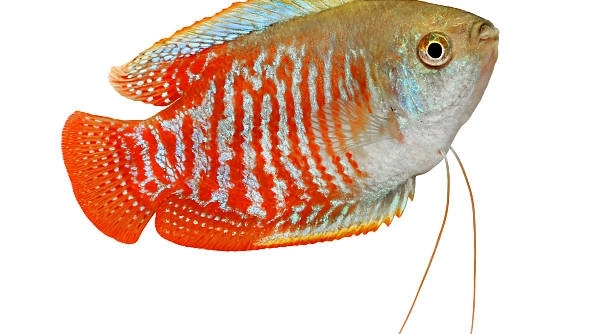
Gouramis are gentle and colorful fish that bring life to any aquarium. They can sometimes become stressed due to changes in their environment or water conditions. Understanding how to soothe them is important for their wellbeing.
Stress in gouramis can be reduced by maintaining stable water parameters, providing hiding spots, controlling tank mates, offering a balanced diet, ensuring proper lighting, reducing sudden movements, and minimizing loud noises in their environment.
These simple steps can make a big difference in keeping your gourami calm and healthy over time.
Stable Water Conditions
Gouramis are sensitive to changes in water temperature, pH, and hardness. Keeping their tank water stable is essential for reducing stress. Sudden fluctuations can weaken their immune system and make them more prone to disease. I always check my tank’s temperature daily and use a reliable heater to maintain consistency. Using a water testing kit helps me monitor pH levels and hardness. Regular partial water changes prevent the buildup of harmful chemicals and maintain clarity. Avoid adding large amounts of new water at once, as this can shock the fish. Gradual changes are always safer and more effective. Proper filtration also ensures that toxins are removed efficiently. For me, observing the fish’s behavior after adjustments helps confirm that the water conditions are comfortable. Calm and healthy gouramis show brighter colors, swim confidently, and interact naturally with their environment. Maintaining these conditions creates a peaceful habitat for them over time.
Stable water prevents stress and keeps your gourami active and healthy, allowing them to thrive in their tank environment.
Consistency in temperature and water quality encourages gouramis to explore their space confidently, promoting natural behaviors.
Hiding Spots and Decorations
Gouramis need places to hide and feel secure, which reduces stress and provides comfort.
Adding plants, caves, or ornaments gives them shelter from light or larger fish. Dense plants like Java fern or Anubias create natural cover. I arrange decorations to provide multiple hiding areas and pathways, which encourages exploration without feeling exposed. Floating plants are particularly helpful as they offer shade and a sense of security near the water surface. Smooth rocks and small caves allow them to retreat when they feel threatened. Overcrowding the tank with decorations can backfire, so balance is key. Observing where your gourami prefers to rest helps you adjust placement. Gentle lighting near these areas creates a calming effect. Hiding spots also reduce aggression between tank mates by providing separate territories. When my gouramis use these spaces, I notice calmer behavior and fewer signs of stress like clamped fins or erratic swimming. Prioritizing secure spots creates a stable and comfortable environment for them.
Properly arranged hiding spots allow gouramis to rest and reduce anxiety, improving their overall wellbeing in the tank.
A well-thought-out arrangement not only provides safety but also encourages natural exploration, swimming, and interaction, which strengthens their immune system and keeps stress levels low.
Balanced Diet
A proper diet helps gouramis stay healthy and less stressed. Feeding high-quality flakes, pellets, and occasional live or frozen food meets their nutritional needs.
I usually rotate between high-protein options like bloodworms and vegetable-rich foods like spirulina flakes. Overfeeding can lead to poor water quality, so I stick to small portions twice a day. Fresh foods must be cleaned thoroughly to avoid introducing bacteria. Providing variety keeps them interested in eating and prevents nutrient deficiencies. I also watch their behavior during feeding; active, curious fish indicate a healthy appetite, while disinterest may signal stress or illness. Maintaining a consistent feeding schedule adds predictability, which helps reduce anxiety in gouramis and encourages natural foraging behavior.
By controlling portions and offering a mix of protein and plant-based foods, gouramis maintain energy, vibrant colors, and a calmer temperament.
Balanced nutrition reduces stress, supports immunity, and encourages regular, healthy activity in their tank environment.
Proper Lighting
Gouramis benefit from a consistent light cycle of around 10-12 hours per day, which mimics natural conditions.
I use soft, diffused lighting to prevent harsh glare and provide shaded areas. Too much light can increase stress and make them hide excessively. Adjustable LED lights help me control brightness and duration efficiently. I also ensure a dark period at night to allow rest, as continuous exposure can disrupt their sleep cycle and increase anxiety. Observing their behavior shows whether lighting is comfortable: relaxed swimming and routine exploration indicate the right balance. Floating plants can filter intense light, offering shaded spots for retreat. Maintaining a predictable light schedule supports their natural rhythm, reduces stress, and encourages healthier behavior.
Consistent lighting, combined with shaded areas and dark periods, helps gouramis maintain calm behavior and supports natural activity cycles.
Regulating light exposure encourages proper feeding, swimming, and resting patterns, ultimately promoting long-term health and a peaceful aquarium environment.
Calm Tank Mates
Choosing peaceful tank mates prevents stress and aggression in gouramis. Avoid large, aggressive, or overly active fish that may chase or intimidate them.
I prefer keeping them with small, calm species like tetras or rasboras. Observing interactions helps me spot potential conflicts early and adjust the tank accordingly.
Gentle Movements
Sudden movements near the tank can startle gouramis and increase stress levels. I move slowly when feeding or cleaning to avoid alarming them. Watching their reactions helps me gauge comfort, and I adjust my actions to ensure a calm environment, allowing them to swim confidently.
Low Noise Environment
Excessive noise can stress gouramis and disrupt their natural behavior. Keeping the room quiet and minimizing vibrations creates a more peaceful tank atmosphere.
Regular Observation
Checking gouramis daily for signs of stress or illness ensures timely intervention. Noticing changes in behavior, appetite, or appearance allows me to address problems quickly, maintaining their health and reducing prolonged stress.
FAQ
How often should I feed my gourami?
I feed my gouramis twice a day, giving only small portions they can finish in a few minutes. Overfeeding leads to leftover food, which can pollute the water and stress the fish. A mix of flakes, pellets, and occasional live or frozen food keeps them healthy and interested in eating.
What water temperature is best for gouramis?
Gouramis prefer water between 75°F and 80°F. I use a reliable heater to maintain stable temperature, checking daily to avoid sudden changes. Consistent warmth keeps them active, reduces stress, and supports digestion and immune health.
How can I tell if my gourami is stressed?
Signs of stress include clamped fins, faded colors, erratic swimming, hiding more than usual, or loss of appetite. I watch for these behaviors daily and adjust tank conditions, feeding, or lighting to improve their comfort and reduce anxiety.
Are hiding spots really necessary?
Yes, hiding spots are essential for calm behavior. Plants, caves, and decorations provide shelter from bright light or dominant fish. I arrange multiple areas in the tank, observing which spots the gouramis prefer. Proper hiding spots encourage natural behavior and reduce tension in the tank.
Can gouramis live with other fish?
Peaceful species like tetras, rasboras, or small catfish usually coexist well. Aggressive or fast-moving fish can stress gouramis, so I avoid adding them. Observing interactions helps me separate fish if needed, keeping the tank harmonious.
What type of lighting works best?
Soft, diffused lighting with a 10-12 hour cycle is ideal. I use adjustable LED lights to prevent glare and provide shaded areas. A dark period at night is important for rest. Proper lighting encourages natural swimming patterns and keeps stress levels low.
How often should I change the water?
I perform partial water changes weekly, replacing 20-25% of the tank water. Frequent changes prevent buildup of ammonia and nitrites, maintaining stable conditions. Gradual changes reduce stress and help gouramis adjust without sudden shocks.
What should I do if my gourami becomes sick?
Isolation, water quality checks, and appropriate treatment are key. I use a quarantine tank if needed and monitor symptoms closely. Addressing illness quickly reduces prolonged stress and prevents disease from spreading to other fish.
Do gouramis need live plants?
Live plants are highly beneficial but not mandatory. I include Java fern, Anubias, or floating plants to provide cover and improve water quality. They create shaded areas, offer hiding spots, and encourage calm, natural behavior.
Can loud noises affect my gourami?
Yes, loud sounds and vibrations can startle them. I keep the room quiet and avoid tapping on the tank. A low-noise environment helps maintain calm swimming, feeding, and overall wellbeing.
How do I maintain water quality consistently?
I test pH, hardness, and ammonia regularly, using a filter and partial water changes to keep water clean. Stable conditions prevent stress, disease, and behavioral issues, ensuring a healthy environment for my gouramis.
Is it necessary to monitor their behavior daily?
Yes, daily observation helps catch stress or illness early. I note swimming patterns, feeding habits, and interactions. Quick adjustments in diet, tank setup, or lighting make a significant difference in their comfort and long-term health.
Can gouramis thrive in a small tank?
They can live in moderately sized tanks but prefer at least 20 gallons to reduce stress and allow natural movement. Overcrowding increases aggression, hiding, and poor water quality, all of which elevate stress levels. Proper space encourages exploration and active behavior.
How do I reduce stress during tank cleaning?
I move slowly, avoid sudden splashes, and clean one section at a time. This prevents alarming the fish and keeps them calm. Observing their reactions helps me adjust my approach for a smoother cleaning routine.
Do gouramis need special care in winter?
Maintaining consistent water temperature and light cycles is crucial. I check heaters and lights more frequently, ensuring their environment doesn’t fluctuate. Stress can increase during colder months if conditions are unstable, so vigilance is key.
Can I keep multiple gouramis together?
Yes, but they need enough space and hiding spots. Males can be territorial, so I provide separate areas and monitor interactions. Proper tank setup and balance reduce fighting, stress, and potential injuries.
How do I know if my gourami is happy?
Active swimming, bright colors, normal appetite, and use of hiding spots indicate contentment. I watch their daily behavior and adjust care routines if I notice changes. Happy gouramis are more resilient and less prone to stress or disease.
What role does diet variety play in stress reduction?
Varied diets prevent boredom and nutritional deficiencies. I rotate between flakes, pellets, live, and frozen foods. A balanced diet supports energy, immune health, and calm behavior, making gouramis more adaptable to minor changes in their environment.
How do I introduce new gouramis to the tank?
I quarantine new fish first, gradually acclimating them to the tank water. Slow introductions reduce aggression and stress for both new and existing gouramis, helping them settle comfortably into their environment.
Are there signs of long-term stress to watch for?
Persistent hiding, faded colors, loss of appetite, or frequent erratic swimming indicate chronic stress. I address water quality, diet, lighting, and tank mates to prevent long-term health problems. Early action ensures calmer, healthier gouramis.
Gouramis are delicate fish that respond strongly to their environment. Maintaining calm conditions in the tank is essential for their health and wellbeing. Stable water conditions, proper lighting, and a balanced diet form the foundation of stress-free living. Regular observation allows you to notice early signs of stress, such as clamped fins, faded colors, or unusual swimming patterns. Acting quickly when you see these changes can prevent long-term health problems. By paying attention to water temperature, pH levels, and the presence of toxins, you ensure a consistent environment that gouramis find comfortable. Gradual changes are always better than sudden adjustments, as they help the fish adapt without anxiety. I have noticed that gouramis thrive when the water is predictable, clean, and maintained at the right temperature, showing more natural and active behavior over time.
Providing hiding spots and arranging the tank thoughtfully also plays a key role in reducing stress. Gouramis naturally seek areas where they feel secure, and decorations, plants, and caves allow them to retreat when needed. Floating plants and shaded areas near the surface provide additional comfort, especially for shy or timid fish. Tank mates must be chosen carefully to prevent aggression or competition for space and food. Peaceful companions like small tetras or rasboras usually work best, while larger or more active fish can increase anxiety. Proper lighting that mimics a natural day-night cycle, combined with shaded areas, further encourages calm behavior. In my experience, when gouramis have access to multiple hiding places and a well-arranged tank, they appear more confident, swim naturally, and interact comfortably with their surroundings.
Consistency in routine is equally important. Regular feeding schedules, careful observation, and gentle movements around the tank all contribute to a low-stress environment. Noise and vibrations should be minimized to avoid startling the fish, and water changes should be gradual to prevent sudden shocks. Diet variety ensures proper nutrition and encourages healthy behavior, while live or frozen foods can make meals more engaging. Monitoring the fish daily allows you to address potential health or stress issues early. Over time, these practices create a stable and peaceful habitat where gouramis can thrive. Calm fish are more colorful, active, and resilient to minor environmental changes. Paying attention to these details ensures long-term happiness and wellbeing for your gouramis, making their care more rewarding and enjoyable.

Hello,
If you enjoy the content that we create, please consider saying a "Thank You!" by leaving a tip.
Every little bit helps us continue crafting quality advice that supports the health, happiness, and well-being of pets around the world, for pets of all shapes, sizes, and species.
We really appreciate the kindness and support that you show us!