
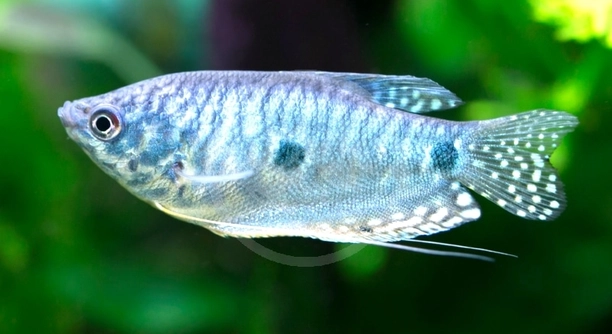
Many gourami owners notice their fish spending a lot of time behind the heater. This behavior can seem puzzling or worrying. Understanding why gouramis hide can help improve their care and comfort in the aquarium.
Gouramis often hide behind the heater because it provides warmth, a sense of security, and shelter from bright light or other tank mates. This behavior is a natural response to stress or environmental conditions that make them seek a safe spot.
Knowing the reasons behind this hiding habit will help you create a better environment for your gourami and support its well-being.
Reasons Gouramis Hide Behind the Heater
Gouramis often seek the heater area because it offers a stable, warmer spot in the tank. They are tropical fish that prefer water temperatures between 75°F and 82°F. If the tank’s temperature fluctuates or is slightly cooler, the heater becomes a cozy refuge. Additionally, the heater provides a physical barrier that helps gouramis feel safe from more aggressive tank mates or bright lighting. Stress from overcrowding or sudden changes in the environment can make them retreat to hidden corners. Sometimes, hiding near the heater is also a sign that the fish is not feeling well or is experiencing discomfort. Observing their behavior along with other signs of illness can help determine if a visit to the vet or a change in tank conditions is necessary.
This hiding behavior is quite common and usually linked to comfort or safety needs. It is important to monitor water quality and tank conditions regularly.
Knowing these factors can guide you to adjust your aquarium setup and improve your gourami’s health and happiness.
How to Help Your Gourami Feel More Secure
Improving your gourami’s environment can reduce its need to hide. Make sure the water temperature is stable within their preferred range. Adding plants and decorations can create natural hiding spots that feel safer without crowding the tank. Maintain good water quality by performing regular partial water changes and checking parameters like pH and ammonia levels. Avoid sudden changes in light or temperature to reduce stress. If you notice signs of illness, such as lethargy or loss of appetite, consult a fish expert promptly. Creating a peaceful and stable environment encourages your gourami to swim more openly and confidently, helping it thrive in its home.
Tank Setup and Environment
A well-set tank helps gouramis feel comfortable and less likely to hide. Keep the water temperature steady, ideally between 75°F and 82°F. Use gentle filtration to avoid strong currents that stress your fish.
Plants and decorations provide natural hiding spots and reduce stress. Live plants help maintain water quality and create a peaceful environment. Avoid overcrowding by limiting the number of fish in the tank. Each gourami needs space to swim and rest comfortably. Make sure the lighting is not too bright, as gouramis prefer dimmer areas. Adjust lighting with floating plants or use a low-wattage bulb to create shaded spots. Positioning the heater where gouramis can approach but also swim away from it prevents overheating. A calm and balanced tank setup encourages your gourami to explore more and hide less.
Regularly clean the tank and monitor water parameters like ammonia, nitrite, and nitrate. Poor water quality often causes stress and hiding.
Signs of Stress or Illness
Hiding can indicate stress or illness in gouramis. Watch for changes in behavior, such as reduced activity or loss of appetite. These signs suggest your fish may be uncomfortable or unwell.
Stress in gouramis often results from poor water conditions, sudden temperature changes, or bullying by tank mates. Illnesses like bacterial infections or parasites may cause your fish to hide more than usual. Physical signs include faded colors, clamped fins, or visible spots on the body. Treating the tank promptly and improving water quality can help your gourami recover. Sometimes, quarantining a sick fish prevents spreading illness to others. Keeping a close eye on your gourami’s habits and appearance will allow you to act quickly when problems arise. Preventing stress by maintaining a stable environment is key to keeping your gourami healthy and active.
Adjusting Water Temperature
Maintaining a consistent water temperature is essential for gouramis. Sudden drops or spikes can stress them, causing hiding behavior. Use a reliable heater with a thermostat to keep the temperature stable.
Check the water temperature daily to ensure it stays within the ideal range of 75°F to 82°F. Small fluctuations can make gouramis uncomfortable, so avoid placing the tank near windows or air vents.
Choosing Tank Mates Carefully
Not all fish get along well with gouramis. Aggressive or very active tank mates can cause stress and make your gourami hide more often. Select peaceful species that share similar water needs.
Tank mates like small tetras or rasboras often coexist peacefully with gouramis. Avoid larger or territorial fish that may bully or chase your gourami. A calm community tank reduces stress and encourages natural behavior.
When to Consult a Professional
If hiding persists despite proper care, consulting a fish specialist or vet is wise. Persistent hiding could signal illness or environmental issues you might have missed.
Professional advice can help identify underlying problems and recommend treatments or changes to improve your gourami’s health and comfort.
FAQ
Why does my gourami hide behind the heater all the time?
Gouramis hide behind the heater because it provides warmth and safety. This spot feels secure, especially if they feel stressed or threatened by tank mates, bright light, or sudden changes in the environment. It’s a natural way for them to seek comfort.
Is it normal for gouramis to hide often?
Yes, it can be normal, especially if they are new to the tank or stressed. However, constant hiding might indicate an issue like poor water quality, improper temperature, or illness. Keep an eye on their overall behavior and environment to be sure.
Can hiding be a sign of illness?
Yes, frequent hiding paired with other signs like loss of appetite, faded colors, or clamped fins often points to illness. Stress and poor tank conditions can weaken their immune system, making them more vulnerable to disease.
How do I know if my gourami is stressed?
Signs of stress include hiding, erratic swimming, loss of appetite, and dull colors. They may also breathe faster or stay near the surface. Stress is usually caused by poor water quality, sudden temperature changes, or aggressive tank mates.
What temperature should I keep my gourami tank?
Keep the tank between 75°F and 82°F. Consistent warmth helps gouramis stay healthy and active. Sudden temperature drops or spikes can cause stress and hiding behavior.
Can tank mates cause my gourami to hide?
Yes, aggressive or overly active fish can scare gouramis into hiding. It’s important to choose peaceful species that share similar water preferences to avoid stress and bullying.
How can I make my gourami feel safer in the tank?
Add plants and decorations that offer natural hiding spots. Maintain stable water conditions, avoid overcrowding, and keep lighting moderate. Creating a calm environment helps gouramis feel secure without needing to hide constantly.
Should I move my gourami if it keeps hiding?
Only if the current tank environment causes stress or aggression from other fish. Sometimes rearranging decorations or adjusting water parameters is enough. Moving fish can cause more stress, so make changes carefully.
Does hiding mean my gourami is unhappy?
Not always. Gouramis sometimes hide simply to rest or feel secure. But if hiding is combined with other negative signs, it might mean they are unhappy or unhealthy.
How often should I check my tank’s water quality?
Test water weekly for ammonia, nitrite, nitrate, and pH levels. Regular checks prevent conditions that cause stress and illness, helping your gourami stay comfortable and visible.
Can lighting affect my gourami’s behavior?
Yes, very bright light can make gouramis seek shaded or hidden spots. Using dimmer lights or adding floating plants can help them feel less exposed and reduce hiding.
Is it okay if my gourami hides at night?
Yes, gouramis are less active at night and may hide to rest. Nighttime hiding is normal and not a cause for concern.
What do I do if my gourami is hiding because of illness?
Isolate the fish in a quarantine tank if possible, improve water quality, and consult a vet or fish expert for treatment options. Early care increases the chance of recovery.
How can I prevent my gourami from hiding excessively?
Keep stable water conditions, provide hiding spots, choose peaceful tank mates, and avoid sudden changes in temperature or lighting. A balanced environment encourages natural and active behavior.
Does diet affect hiding behavior?
A poor diet can weaken your gourami’s health, leading to stress and hiding. Feed a balanced diet suited to gouramis to keep them strong and active.
How long does it take for a gourami to stop hiding in a new tank?
It varies but usually a few days to a couple of weeks. They need time to adjust to the new surroundings, water parameters, and tank mates.
Can gouramis get lonely or bored, causing hiding?
Gouramis are generally social but can be shy. Lack of stimulation or improper tank conditions can cause hiding. Adding compatible tank mates or enriching the environment can help.
Are certain gourami species more likely to hide?
Yes, some species like the dwarf gourami are naturally shy and hide more often, while others like pearl gouramis are more outgoing.
How do I know if the heater is causing my gourami to hide?
If the heater is too hot or creates strong currents, gouramis may avoid other areas and stay close to it. Make sure the heater is properly regulated and positioned.
Is hiding behind the heater harmful to gouramis?
No, as long as the heater is working correctly and the temperature is safe. It’s better to watch for other signs of stress or illness.
What are signs that hiding behavior is improving?
Your gourami will start exploring more, swim openly, and interact with tank mates. They will eat normally and show bright colors.
How do I encourage a shy gourami to be more active?
Keep the tank environment stable and calm. Offer live plants, moderate lighting, and peaceful tank mates. Avoid sudden disturbances and provide regular feeding routines.
Can water changes reduce hiding behavior?
Yes, clean water reduces stress and improves fish health, encouraging gouramis to be more active and less likely to hide.
Is hiding a way for gouramis to regulate body temperature?
Partly, yes. Staying near the heater helps them maintain their preferred temperature if the rest of the tank is cooler.
Should I worry if my gourami hides during the day but is active at night?
No, this can be normal behavior. Gouramis may rest or hide during bright daylight and become more active when the tank is dimmer.
Can overcrowding cause hiding?
Definitely. Too many fish cause stress, competition, and lack of space, leading gouramis to hide more often.
What is the best way to monitor my gourami’s health?
Observe daily for changes in behavior, appetite, and appearance. Test water quality regularly and maintain a clean tank.
Can stress cause long-term hiding habits?
Yes, ongoing stress weakens fish and can make hiding a constant behavior. Fixing stress sources improves their quality of life.
What if my gourami hides but seems healthy otherwise?
Some gouramis are naturally shy and may just prefer quieter spots. As long as they eat and swim normally, hiding alone is not always a problem.
Gouramis hiding behind the heater is a behavior many owners notice and wonder about. This action is often a way for the fish to feel safe and comfortable. The heater provides warmth and a quiet space away from bright lights or busy tank mates. Understanding this behavior helps us know what the fish might need to feel more secure. Sometimes, hiding is just a part of how gouramis cope with their environment, especially if something feels different or stressful in the tank.
Keeping the tank environment steady and peaceful is key to helping gouramis feel less need to hide. This includes maintaining the right temperature, which should be steady between 75°F and 82°F, and making sure the water quality is good. Adding plants and decorations offers natural hiding spots, which can make the fish feel safer without forcing them to stay only near the heater. It is also important to choose tank mates carefully. Peaceful fish that share similar needs create a calm space where gouramis can swim freely without fear. When gouramis feel safe, they tend to be more active and show their natural behaviors.
If your gourami continues to hide a lot, it may also mean something is wrong, such as stress or illness. Watching for other signs like lack of appetite, dull colors, or clamped fins helps catch problems early. Regular tank maintenance and careful observation make a big difference in keeping gouramis healthy. Sometimes, a little change in tank setup or water conditions can encourage them to explore more and hide less. Overall, paying attention to your gourami’s behavior and needs leads to a happier fish and a more enjoyable aquarium experience.

Hello,
If you enjoy the content that we create, please consider saying a "Thank You!" by leaving a tip.
Every little bit helps us continue crafting quality advice that supports the health, happiness, and well-being of pets around the world, for pets of all shapes, sizes, and species.
We really appreciate the kindness and support that you show us!