
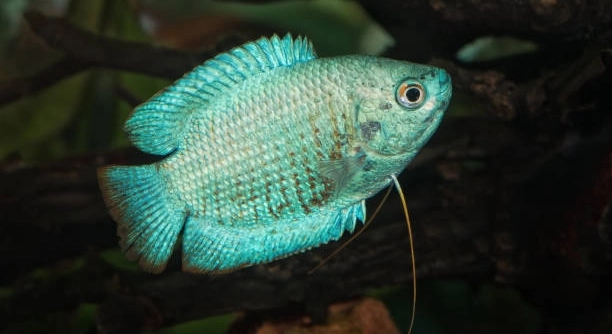
Do you ever find yourself adjusting your tank setup, hoping to make your gourami feel more comfortable and relaxed at home?
Gouramis use specific tank features to feel safe and secure, including floating plants, gentle filtration, proper lighting, hiding spaces, consistent water temperature, calm tank mates, and surface access for breathing.
Each of these features plays a role in supporting your gourami’s well-being, helping to reduce stress and improve their quality of life in captivity.
Floating Plants for Shelter and Shade
Gouramis feel more at ease when their tank includes floating plants. These plants mimic their natural habitat and help create a sense of safety. In the wild, gouramis live in slow-moving or still waters with dense vegetation. Floating plants like water lettuce, frogbit, and hornwort offer a shaded area that reduces light exposure and stress. These plants also break the water’s surface, which makes gouramis feel less exposed and more secure. Additionally, floating plants help limit strong water movement, making the environment more peaceful. When gouramis feel safe, they are more active and may even display brighter colors.
A few well-placed floating plants can dramatically improve your gourami’s comfort and help lower anxiety levels in the tank.
Keep an eye on plant growth, though. Too many floating plants can block oxygen exchange or make feeding difficult. Maintain a balance so your gourami can breathe easily and still benefit from the cover.
Hiding Spaces to Reduce Stress
Creating solid hiding spots in the tank helps gouramis relax and feel protected.
You can use decorations like caves, driftwood, and dense plant clusters to create places for your gourami to retreat when needed. These areas reduce stress, especially during feeding times or when tank mates become too active. Gouramis appreciate being able to choose when to engage or rest. If your tank is bare, your fish may feel exposed and uneasy, which can lead to health issues over time. Including several hiding spots throughout the aquarium gives your gourami the option to explore while still having somewhere quiet to rest. Rotating decorations or plants occasionally can help keep the environment fresh without causing stress. Make sure hiding areas are placed away from direct currents and bright lights for best results.
Calm Water Flow Supports Relaxed Behavior
Strong currents can stress gouramis and make swimming difficult. A gentle, steady flow is better suited to their natural behavior and preference. Use sponge filters or adjustable flow filters to keep the water still and prevent unnecessary movement.
Gouramis come from habitats with still or slow-moving water, and replicating this in your tank supports their comfort. Fast currents force them to expend more energy just to stay in place, which can lead to exhaustion or hiding. A low-flow setup lets them move naturally and explore without strain. If your tank uses a power filter, redirect the output with a baffle or sponge to reduce turbulence. Avoid placing flow outlets near their preferred resting areas, especially near floating plants or surface zones. When the water movement is gentle, gouramis tend to swim more freely and stay visible rather than hiding behind decorations or in corners of the tank.
Always monitor your gourami’s behavior after changing the filter setup. If they start hovering calmly or using more of the tank space, the flow is likely appropriate. Excessive swimming near the filter or persistent hiding may indicate the current is too strong. Adjustments may be needed over time, especially as your gourami grows or as the tank becomes more established.
Access to the Surface for Breathing
Gouramis are labyrinth fish and need access to surface air to breathe. Without clear surface space, they can struggle and become stressed, especially in overcrowded or poorly maintained tanks.
The top of the tank should always be open and free of debris or dense plant growth. Avoid sealing the entire surface with floating plants or decorations, as your gourami relies on air to support its unique respiratory system. A few open areas let them breathe comfortably and maintain their health. Condensation under tank lids can also reduce air quality, so occasional airing out or adjusting the lid setup can help. Keep the tank filled to a level that still allows for easy surfacing but prevents jumping. With consistent access to clean surface air, your gourami can thrive without difficulty. Maintaining this space is as important as keeping the water clean and stable.
Consistent Water Temperature Matters
Sudden changes in temperature can cause stress and weaken your gourami’s immune system. Keep the tank between 75°F and 80°F and use a reliable heater with a thermometer to ensure stable conditions day and night.
Avoid placing the tank near windows, air vents, or direct sunlight. These spots often cause temperature fluctuations that are hard to control and can stress your gourami.
Soft Lighting Encourages Natural Behavior
Soft, dim lighting helps gouramis feel at ease and display their natural behaviors. Bright or harsh lighting can make them hide more often and reduce their activity levels. Use adjustable LED lights or add floating plants to create gentle shading in the tank.
Peaceful Tank Mates Prevent Conflict
Avoid aggressive or fast-swimming fish that might chase or nip at your gourami. Peaceful tank mates reduce tension, help maintain balance in the tank, and allow your gourami to move freely without feeling threatened.
FAQ
Do gouramis need floating plants to feel comfortable?
Yes, floating plants help gouramis feel safe and reduce stress. These plants offer shade and mimic the natural environments gouramis come from. Floating plants also soften the lighting and slow the water surface, which helps gouramis feel less exposed. Popular choices include frogbit, water lettuce, and hornwort. You don’t need to fill the tank with plants—just cover a portion of the surface to provide security while still allowing open space for breathing. Keep the plants trimmed so they don’t block light or interfere with filter flow.
Why is a calm water flow important for gouramis?
Gouramis come from slow-moving or still waters and prefer calm conditions in a tank. A strong current can exhaust them and make it difficult for them to swim comfortably. Gentle water flow also helps them access the surface easily to breathe. Using a sponge filter or reducing the power of your filter helps create a low-stress environment. If you notice your gourami avoiding certain areas of the tank or hiding frequently, the flow may be too strong. Adjust filter placement or add decorations to break up the current.
What is the ideal water temperature for gouramis?
The best temperature range for gouramis is between 75°F and 80°F. They are tropical fish and need consistent warmth to stay healthy. A sudden drop in temperature can weaken their immune system and cause illness. Use a good-quality heater and thermometer to avoid daily fluctuations. If your room temperature varies often, consider a heater with built-in temperature control. Check the temperature during water changes too, as adding water that’s too cold or too warm can cause stress.
How much light do gouramis need?
Gouramis prefer soft, indirect light. Too much brightness can make them hide, become inactive, or change color. A dim or adjustable light source, paired with floating plants, works well for maintaining their comfort. Keep lights on for about 8 to 10 hours a day, then turn them off to give your gourami time to rest. You don’t need special lighting unless you have live plants that require it. Monitor how your gourami behaves—if they stay hidden, the light may be too intense.
Do gouramis need access to the surface for breathing?
Yes, gouramis have a labyrinth organ and need to breathe air from the surface. Always keep part of the surface free of debris and floating plants. If the surface is blocked, they may become stressed or ill. Avoid overcrowding, which can prevent them from reaching the surface easily. Also, check for condensation under the tank lid, as stale air can reduce breathing quality. Maintaining good airflow and clean surface access is just as important as water quality in keeping your gourami healthy.
Can gouramis live with other fish?
Yes, but only with peaceful tank mates. Avoid pairing them with aggressive fish or species that swim quickly and may nip fins. Good companions include tetras, corydoras, and rasboras. Always monitor interactions, especially during feeding or territory shifts. Each gourami has its own temperament, so while one may be calm, another might act territorial. Provide hiding spots and ensure there’s enough space for each fish to claim its area. A peaceful tank leads to better behavior and fewer health problems.
How do I know if my gourami is stressed?
Signs of stress include hiding, loss of appetite, dull coloration, rapid breathing, or erratic swimming. These behaviors can result from poor water conditions, strong current, lack of hiding spots, or aggressive tank mates. Check water parameters regularly and observe their daily habits. If your gourami suddenly changes its routine, something in the tank may need to be adjusted. Address any issues quickly, as stress can lead to illness or weakened immunity over time.
What type of filter is best for gouramis?
A sponge filter or adjustable flow filter works best. These create soft currents and provide biological filtration without disturbing the tank. Sponge filters are also quiet and ideal for small tanks or setups with delicate species like gouramis. If you use a hang-on-back or canister filter, redirect the flow toward a tank wall or add a pre-filter sponge to reduce turbulence. Choosing the right filter helps keep the water clean while maintaining the calm conditions your gourami prefers.
Final Thoughts
Gouramis are peaceful fish that enjoy calm, stable environments. When their tank is set up with care, they show more color, explore more often, and live healthier lives. Each feature mentioned—like floating plants, calm water flow, and proper lighting—plays a small but important role in their comfort. These details may seem simple, but they help reduce stress and keep the fish active and alert. Making a few small changes in your setup can improve your gourami’s daily life without much effort. A well-planned tank encourages natural behavior and helps your gourami feel secure.
Gouramis rely on the right conditions to stay healthy over time. Without access to surface air, soft lighting, or a quiet area to rest, they can become stressed or ill. Even small issues like strong filter currents or loud surroundings can affect their behavior. It’s important to notice how they react to their space and adjust things as needed. They don’t need a complex setup, but they do benefit from thoughtful choices. Watching your gourami swim calmly, breathe at the surface, and explore their tank is a good sign they’re comfortable. Clean water, safe plants, and peaceful tank mates will support their long-term care.
Caring for gouramis means paying attention to the details that support their well-being. The tank should not just look nice—it should feel like home to the fish. Floating plants offer protection, calm water allows easy swimming, and quiet spots help them rest. All of these features give your gourami a sense of safety. When these needs are met, your fish will be more active and less likely to hide or become sick. While no tank is perfect, making thoughtful choices based on your gourami’s behavior can help you improve things gradually. Creating a stress-free environment for your gourami is not difficult—it just takes a little care, patience, and consistency. Over time, you’ll learn what works best for your specific tank and fish.

Hello,
If you enjoy the content that we create, please consider saying a "Thank You!" by leaving a tip.
Every little bit helps us continue crafting quality advice that supports the health, happiness, and well-being of pets around the world, for pets of all shapes, sizes, and species.
We really appreciate the kindness and support that you show us!