
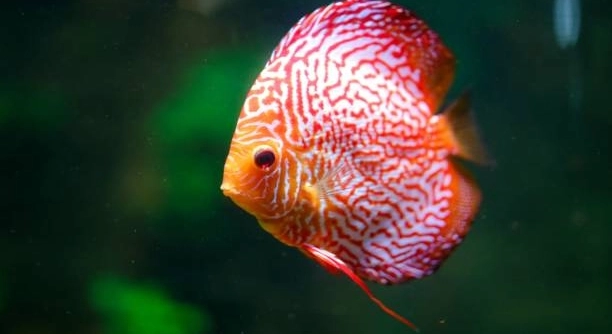
Is your discus fish swimming in odd angles or struggling to stay upright in its tank, making you feel a little worried?
The most common reason discus fish lose balance is due to swim bladder disorder, which affects their buoyancy. This condition can result from overfeeding, poor water quality, infections, or physical injury, disrupting their ability to swim normally.
Knowing the causes and treatments can help you act quickly and prevent further complications for your fish’s health and comfort.
What Causes Balance Problems in Discus Fish
Discus fish may lose their balance due to several common factors, and it’s important to notice the signs early. One of the main causes is swim bladder disorder, which directly affects a fish’s buoyancy. This can happen when your discus is overfed or fed the wrong type of food. Constipation can press against the swim bladder and cause problems. Poor water quality is another major reason. High ammonia, nitrite, or nitrate levels can stress the fish and cause internal damage. Sometimes, infections from bacteria or parasites can also affect how the swim bladder works. Physical trauma from bumping into objects or rough handling may lead to swelling or internal injury. Even sudden temperature changes or stress from new tank mates can trigger issues. Each of these things can upset the balance of your discus fish, so careful tank management is important.
It’s not always easy to tell what caused the issue, but watching your fish closely can help you figure it out faster.
Keep in mind that balance problems aren’t always permanent. With care and quick action, your discus can often recover and return to normal behavior.
What You Can Do to Help
Start by testing your water parameters and making sure ammonia and nitrite are at zero, with nitrates under 20 ppm.
If the issue seems related to food, stop feeding your fish for 24 to 48 hours. Overfeeding can cause digestion issues and bloating, which press on the swim bladder. After the break, offer a small portion of cooked, skinned peas. These help relieve constipation and are gentle on your fish’s stomach. Maintain a stable tank temperature around 82–86°F, since discus fish are sensitive to fluctuations. Add a small amount of aquarium salt if there’s swelling, but only if you’re sure it’s safe for your tank setup. You can also isolate the affected fish in a separate tank to monitor it more closely and reduce stress from other tank mates. If an infection is suspected, consider using a broad-spectrum antibiotic, but follow instructions carefully. With steady attention and the right steps, your discus fish may regain balance and return to its usual calm swimming behavior.
Preventing Balance Issues in the Future
Keep your water clean by performing regular water changes and using a good-quality filter that suits the tank size. Stable water conditions reduce stress and lower the risk of internal problems in your discus fish.
Feed your discus a balanced diet in small portions two to three times a day. Avoid overfeeding, and remove any uneaten food promptly. Include high-quality pellets, frozen foods like bloodworms, and occasional vegetables. Always thaw frozen food before feeding. This helps reduce the risk of bloating or constipation, which may lead to swim bladder problems. Quarantine new fish before adding them to the main tank, as they can carry diseases. Monitor your fish regularly for signs of odd behavior, and act quickly when something feels off. Even simple habits like watching their swimming patterns every day can help you catch early signs of trouble and improve their overall health.
Consistent tank maintenance plays a big role in preventing problems. Test water weekly to check for ammonia, nitrites, and nitrates. Keep the temperature steady, around 84°F, and avoid sudden changes. Make sure the tank isn’t overcrowded, as stress from limited space can lead to health issues. Use gentle lighting and avoid loud noises near the tank, which can startle the fish. Make adjustments slowly when needed. For example, don’t do massive water changes at once—do small ones more often. Provide hiding spots and plants so your fish feel safe. A calm environment supports both physical health and balance. Prevention is mostly about creating a stable, low-stress home for your discus fish.
When to Contact a Vet
If your discus fish is floating upside down, lying on its side for long periods, or not eating, it may be time to speak to a vet. These signs can point to serious internal issues.
Also contact a vet if there’s no improvement after water changes, fasting, and dietary adjustments. Waiting too long can reduce the chances of recovery.
Common Myths About Swim Bladder Problems
One common myth is that all swim bladder issues are caused by overeating. While diet plays a role, poor water quality and infections are also common causes. Another myth is that affected fish can’t recover. Many fish do improve with the right care. Some also believe that puncturing the swim bladder is a proper treatment, but this is dangerous and should never be done at home. Home remedies like poking the belly or using random medications can make things worse. Always rely on tested, safe methods and consult a professional when needed. Understanding what’s true and what’s not can help protect your discus.
Safe Feeding Tips
Feed small portions and avoid dry food that expands too much in the stomach. Soak pellets before feeding to help prevent bloating.
How long does it take for a discus fish to recover from balance issues?
Recovery time varies depending on the cause and treatment. If the problem is minor, like mild constipation or slight swim bladder discomfort, your discus may improve within a few days to a week. For infections or more severe swim bladder disorders, recovery can take several weeks. Consistent care and proper tank conditions speed up healing. Patience is important, as rushing treatments or ignoring tank conditions can slow recovery or worsen the problem.
Can overfeeding really cause swim bladder problems?
Yes, overfeeding is a common reason discus fish develop swim bladder issues. Excess food can lead to constipation or bloating, which puts pressure on the swim bladder. This pressure makes it difficult for the fish to control buoyancy. Feeding small, measured portions and removing leftover food help prevent this problem. Offering high-fiber foods like peas can also keep digestion smooth.
Is poor water quality a big factor in balance problems?
Absolutely. Poor water quality stresses discus fish and damages their internal organs, including the swim bladder. High ammonia, nitrites, or nitrates create toxic conditions that affect buoyancy. Keeping water clean and parameters stable is key to preventing health issues. Regular testing and water changes are essential.
Can swim bladder disorder be contagious to other fish?
Swim bladder disorder itself isn’t contagious, but infections that cause it can spread. Bacterial or parasitic infections might affect other tank mates if not treated quickly. Quarantining sick fish and maintaining tank hygiene helps reduce the risk of spreading illness.
Should I isolate a discus fish with balance problems?
Isolating your discus can reduce stress and make treatment easier. It also prevents other fish from bothering or stressing the sick fish. Use a separate quarantine tank with similar water conditions and monitor closely while treating.
Are there any medications safe for swim bladder problems?
Medications should target the underlying cause, like antibiotics for bacterial infections or antiparasitics for parasites. There is no direct medication for swim bladder disorder itself. Always use treatments designed for aquarium fish and follow dosage instructions carefully. Avoid home remedies without proven safety.
Can stress cause discus fish to lose balance?
Yes, stress from overcrowding, poor water, sudden changes, or aggressive tank mates can affect a discus fish’s health, including balance. Stress weakens their immune system and can trigger swim bladder problems or other illnesses. Reducing stress helps maintain healthy behavior.
What foods are best to prevent digestive-related balance issues?
A varied diet including high-quality pellets, frozen bloodworms, brine shrimp, and blanched vegetables helps digestion. Avoid dry flakes or foods that swell excessively inside the stomach. Soaking pellets before feeding can also reduce digestive stress.
How often should I test the water to avoid problems?
Testing water once a week is a good practice for discus tanks. This helps catch rising toxins early. More frequent testing might be needed during new setups or after health issues appear. Monitoring pH, ammonia, nitrites, and nitrates keeps your tank stable.
Can temperature changes cause swim bladder problems?
Sudden temperature shifts can stress discus fish and disrupt bodily functions, including swim bladder operation. Maintaining a steady temperature around 82–86°F helps prevent this. Avoid placing the tank near drafts, heaters, or windows where temperatures fluctuate quickly.
Is fasting helpful for a discus fish with balance issues?
Fasting for 24 to 48 hours can relieve constipation and reduce swim bladder pressure. It gives the fish’s digestive system a break. After fasting, feeding small portions of easily digestible food, like cooked peas, can support recovery.
When is it necessary to see a vet for discus health?
If your fish shows persistent balance problems, is not eating, or displays other symptoms like bloating, sores, or lethargy, a vet’s advice may be needed. Professional diagnosis and treatment help in complicated or worsening cases.
How can I reduce stress in my discus tank?
Keep tankmates peaceful, provide hiding spots, maintain clean water, stable temperature, and low noise levels. A calm environment supports your discus’s overall health and reduces the risk of balance problems caused by stress.
Are homemade remedies safe for swim bladder disorder?
Many homemade remedies are unproven and can harm your fish. Avoid poking or manipulating the fish physically. Use only recommended treatments and consult experts when unsure. Safe care involves proper diet, water quality, and medical treatments when necessary.
Can swim bladder problems return after treatment?
Yes, without proper care, issues can come back. Maintaining good feeding habits, water quality, and reducing stress helps prevent recurrence. Regular observation allows quick response if symptoms reappear.
When a discus fish starts losing balance, it can be concerning, but understanding the causes makes it easier to help. Most balance problems come from swim bladder issues, which affect how the fish controls its position in the water. These problems often result from overfeeding, poor water conditions, infections, or stress. By keeping a close eye on your fish’s behavior and tank environment, you can catch these signs early. Regular water testing, proper feeding habits, and maintaining stable tank conditions are key steps to prevent these problems. It’s important to remember that discus fish are sensitive creatures, and small changes in their environment can affect their health. Taking care of these details will help keep your fish swimming well and feeling good.
Treating balance issues requires patience and a steady routine. Sometimes fasting the fish for a day or two can help clear digestive problems that cause swim bladder trouble. Feeding gentle foods like cooked peas can also ease constipation. If infections are suspected, using safe medications specifically designed for aquarium fish might be necessary. Isolating the affected fish in a quiet, stress-free area can help it recover faster. Avoid rushing treatments or using harsh remedies that could harm your discus. Recovery times vary, but with proper care, many discus fish regain their normal swimming behavior. Consistency in tank maintenance and feeding will support long-term health and reduce the chance of balance problems returning.
Preventing balance issues is mostly about good daily care and observation. Keeping water clean through regular changes and monitoring is essential. Avoid overfeeding and choose foods that promote good digestion. Managing stress by providing enough space, peaceful tank mates, and stable temperatures helps your discus stay healthy. If problems do arise, quick action and proper treatment can make a big difference. Understanding what affects your discus fish’s balance allows you to provide the best care possible. With steady attention and proper care, your discus fish can enjoy a comfortable, healthy life in your aquarium.

Hello,
If you enjoy the content that we create, please consider saying a "Thank You!" by leaving a tip.
Every little bit helps us continue crafting quality advice that supports the health, happiness, and well-being of pets around the world, for pets of all shapes, sizes, and species.
We really appreciate the kindness and support that you show us!