
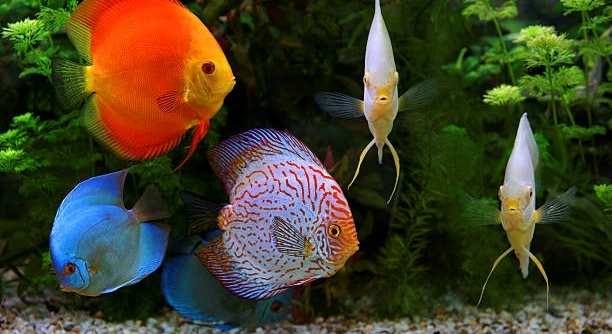
Keeping discus fish in a planted tank has become a popular choice for many aquarists. The combination of vibrant fish and lush plants creates a visually pleasing aquarium environment. However, it is important to understand how these two elements interact before setting up the tank.
Discus fish can be successfully kept in a planted tank, but this requires careful attention to water quality, plant species, and tank maintenance. The benefits include natural filtration and improved aesthetics, while challenges involve maintaining stable conditions suited for both fish and plants.
This article will cover the key advantages and drawbacks of housing discus with live plants to help ensure a balanced and healthy aquarium setup.
Benefits of Keeping Discus in a Planted Tank
A planted tank offers several advantages when housing discus fish. Plants help maintain water quality by absorbing nitrates and providing natural filtration. This reduces the need for frequent water changes, which can be stressful for discus. Additionally, plants create hiding spots and resting areas, reducing stress for the fish. The natural environment can encourage discus to exhibit more natural behaviors. A well-planted tank also improves oxygen levels, contributing to healthier fish. Moreover, the visual appeal of bright green plants combined with colorful discus enhances the overall look of the aquarium. Plants like Amazon sword, Java fern, and Anubias are commonly chosen for discus tanks because they tolerate similar water conditions. However, it is important to choose plants that can thrive in warmer water and slightly acidic to neutral pH, which discus prefer. Proper lighting and fertilization will also support plant growth without compromising fish health.
Planted tanks support discus by improving water conditions and offering comfort, which can lead to healthier fish overall.
Plants in a discus tank create a balanced environment that mimics the fish’s natural habitat. This balance can lead to reduced aggression and stress. By absorbing waste products, plants lessen toxic buildup, making the water safer. The cover provided by plants can encourage discus to feed more confidently. Still, care must be taken to monitor water parameters regularly. Overgrowth of plants may restrict swimming space, so pruning is necessary. The presence of plants also stabilizes the tank’s ecosystem, making sudden changes less likely. Overall, plants contribute to a healthier, calmer environment that benefits discus fish physically and behaviorally.
Challenges of Keeping Discus in a Planted Tank
Maintaining stable water conditions in a planted discus tank can be difficult.
Discus require warm, soft, and slightly acidic water, which not all plants tolerate well. Many aquatic plants prefer cooler or harder water, creating a challenge in plant selection. Additionally, discus are sensitive to water changes, so balancing the needs of plants and fish can be tricky. Some plants may need more light or nutrients than discus tanks typically provide, leading to poor plant health. Algae growth can become an issue if lighting and nutrients are not properly managed. Frequent pruning is needed to prevent plants from taking over the tank, which can disrupt the swimming space for discus. Maintaining consistent water parameters is essential, requiring careful monitoring and adjustments. Despite these challenges, a well-planned setup can overcome most difficulties and provide a healthy environment for both discus and plants. Choosing low-maintenance plants and using appropriate substrate and fertilizers can ease the process.
The balance between plant health and discus comfort requires attentive care and proper tank management.
The main difficulty lies in meeting the distinct needs of discus and plants simultaneously. While discus thrive in warmer, softer water, many plants need cooler temperatures and harder water for optimal growth. This discrepancy limits plant choices. Lighting must be strong enough for plants but not so intense as to stress the fish. Nutrient dosing must support plant growth without causing water quality issues. Algae can become a problem if this balance is off. Regular tank maintenance, including water testing and pruning, is necessary to keep the environment stable. Despite these challenges, many aquarists successfully maintain planted discus tanks by selecting suitable plants and carefully managing conditions. Attention to detail and patience are key to creating a harmonious, thriving aquarium.
Choosing the Right Plants for Discus Tanks
Selecting plants that tolerate warm, soft water is essential. Common choices include Amazon sword, Java fern, and Anubias. These species can thrive in the temperature and pH conditions discus prefer, making them suitable for planted discus tanks.
Amazon sword plants are popular due to their hardiness and low light needs. Java fern attaches to driftwood, reducing substrate disturbance, which discus appreciate. Anubias grow slowly and tolerate various water conditions, offering stable greenery. Avoid plants that require cooler water or high nutrient levels, as they may not thrive in discus tanks. Using plants that grow well under moderate lighting and do not compete heavily for nutrients helps maintain a healthy environment for discus.
Low-maintenance plants also reduce the risk of sudden water parameter changes, which can stress discus. Providing a variety of plants with different growth habits ensures a balanced and natural tank layout. This diversity creates hiding spots and visual interest without overwhelming the fish.
Maintaining Water Quality in a Planted Discus Tank
Consistent water quality is critical for discus and plants to coexist. Regular testing of ammonia, nitrite, nitrate, pH, and hardness helps prevent harmful fluctuations. Frequent, partial water changes support stable parameters.
Discus are sensitive to changes in water chemistry, so maintaining a clean, well-filtered tank is essential. Plants contribute by absorbing nitrates but cannot replace proper filtration. Overfeeding should be avoided to reduce waste buildup. Using a gentle filtration system protects discus from strong currents. Balancing light and nutrient levels prevents algae growth, which can negatively affect water quality and plant health. Maintaining a stable environment benefits discus health and promotes robust plant growth.
Tank maintenance routines, including pruning and substrate cleaning, help keep the ecosystem balanced. Attention to detail in water quality management supports a healthy and thriving planted discus tank.
Feeding Discus in a Planted Tank
Feeding discus in a planted tank requires balance. Overfeeding can pollute the water and harm both plants and fish. Feeding small amounts multiple times a day helps maintain water quality and keeps discus healthy.
Live or frozen foods like bloodworms and brine shrimp are ideal. High-quality pellets designed for discus provide balanced nutrition. Removing uneaten food promptly prevents decay and water issues.
Lighting Considerations for Discus Tanks
Lighting must support plant growth without stressing discus. Moderate lighting is best, avoiding intense brightness that can cause fish stress or algae blooms. A timer ensures consistent light cycles.
Using LED lights designed for planted tanks can provide the right spectrum. Adjust intensity based on plant species and discus behavior. Proper lighting enhances the aquarium’s appearance while maintaining a healthy environment.
Tank Size Recommendations
Discus require ample swimming space, so a tank of at least 50 gallons is recommended. Larger tanks help stabilize water parameters, benefiting both fish and plants.
Avoiding Common Mistakes
Avoid sudden water changes and rapid temperature shifts. Both can stress discus and harm plants. Consistency is key for a stable planted tank environment.
FAQ
Can discus live happily in a planted tank?
Yes, discus can live well in a planted tank if conditions are properly maintained. Plants help improve water quality and provide hiding spaces that reduce stress. However, discus need stable, warm, and soft water, so plant choice and tank maintenance are important to ensure their comfort.
What plants work best with discus?
Amazon sword, Java fern, and Anubias are popular choices. These plants tolerate the warm, soft, and slightly acidic water discus prefer. They require moderate lighting and do not need high nutrient levels, which fits well with discus tank conditions. Avoid plants that require cooler water or very high light.
How often should water be changed in a planted discus tank?
Frequent, partial water changes of 20-30% weekly are ideal. This keeps nitrate levels low and maintains water quality without stressing the fish. Because plants help absorb some waste, water changes may be slightly less frequent than in a fish-only tank, but regular testing is essential.
Can discus tolerate strong lighting?
Discus generally prefer moderate lighting. Strong light can stress them and encourage algae growth, which harms plants and water quality. Using adjustable LED lights with timers helps provide a consistent, moderate light cycle that supports plant growth without causing fish stress.
What is the ideal temperature for discus in a planted tank?
Discus thrive in water temperatures between 82°F and 86°F (28°C to 30°C). Plants chosen for discus tanks should tolerate this range. Maintaining stable temperatures is critical, as fluctuations can stress discus and harm plants.
How do I prevent algae in a planted discus tank?
Balance light intensity and duration with nutrient levels. Avoid overfeeding and remove uneaten food promptly. Introducing algae-eating species like certain snails or shrimp can help. Regular maintenance, including pruning plants and cleaning the substrate, reduces algae buildup.
Is it difficult to maintain both discus and plants together?
It requires attention but is manageable. The main challenge is balancing water parameters to suit both. Regular testing, water changes, and careful plant selection make this easier. Patience and consistent care are key to a successful planted discus tank.
Can discus damage plants?
Discus are generally peaceful and do not uproot plants aggressively. However, they may nibble on softer leaves or disturb substrate during feeding. Choosing hardy plants and securely planting them reduces the risk of damage.
How many discus can I keep in a planted tank?
A general guideline is one adult discus per 10 gallons. Overcrowding stresses fish and plants, leading to poor water quality. Providing enough space ensures healthier fish and a balanced ecosystem.
What should I feed discus in a planted tank?
High-quality discus pellets, frozen or live foods like bloodworms, brine shrimp, and beef heart offer balanced nutrition. Feed small portions multiple times daily to reduce waste and maintain water quality. Remove leftover food promptly.
Are fertilizers safe for planted discus tanks?
Using fertilizers requires caution. Choose liquid or root fertilizers designed for aquarium plants and use them in recommended amounts. Excess nutrients can harm discus and promote algae. Monitoring water parameters helps avoid negative effects.
Can I use CO2 injection in a discus tank?
CO2 injection can improve plant growth but must be carefully controlled. Excess CO2 lowers pH and reduces oxygen, which can stress discus. If used, monitor water chemistry closely and adjust levels slowly.
How do I acclimate discus to a planted tank?
Introduce discus slowly, allowing them to adjust to new water parameters. Adding plants before the fish helps stabilize the environment. Monitor water quality and fish behavior closely during the first weeks to ensure a smooth transition.
What signs show plants or discus are stressed?
Yellowing or melting plant leaves indicate poor conditions or improper lighting. Discus showing loss of color, clamped fins, or hiding often are stressed. Regular water testing and observation help identify and correct problems early.
Can I mix other fish with discus in a planted tank?
Yes, but choose peaceful species that tolerate warm water, such as tetras or corydoras. Avoid aggressive or fast-moving fish that can stress discus. Keep stocking levels balanced to maintain water quality and minimize competition.
How important is substrate choice for plants and discus?
A nutrient-rich substrate supports healthy plant growth. Fine gravel or sand works well to protect discus’ delicate bodies. Avoid sharp substrates that can injure fish. Proper substrate improves root development and water clarity.
What maintenance is required for a planted discus tank?
Regular tasks include water testing, partial water changes, pruning plants, and cleaning filters and substrate. Remove dead leaves and uneaten food. Maintaining stable conditions and consistent care ensures long-term success.
This FAQ covers the most common concerns about keeping discus in planted tanks. Proper care and attention create a balanced aquarium where both fish and plants can thrive.
Final Thoughts
Keeping discus in a planted tank is a rewarding experience but requires careful planning and consistent maintenance. These fish need warm, soft, and stable water conditions to stay healthy, and the plants chosen must be able to thrive in the same environment. Selecting hardy plants like Amazon sword, Java fern, and Anubias reduces the chance of problems and helps create a natural, calm atmosphere for discus. Proper tank size, lighting, and filtration also play important roles in supporting both the fish and plants. When these factors are balanced, the tank becomes a beautiful and healthy ecosystem.
Water quality is one of the most important factors in maintaining a planted discus tank. Regular partial water changes and frequent testing of water parameters prevent harmful build-up of toxins like ammonia and nitrites. Plants contribute by absorbing nitrates, but they cannot replace proper filtration and maintenance routines. Overfeeding and neglecting to remove uneaten food can quickly deteriorate water quality, causing stress and illness in discus. Maintaining a balance between feeding, plant care, and water management supports a thriving environment for both fish and plants.
Patience is necessary when starting and caring for a planted discus tank. It takes time for plants to establish and for discus to adapt to the environment. Monitoring fish behavior and plant health regularly helps detect issues early. Adjusting lighting, feeding routines, or water parameters as needed can prevent many common problems. While it can be challenging at times, the result is a peaceful, natural aquarium that showcases the beauty of discus swimming among healthy plants. Consistent care will ensure long-term success and enjoyment.

Hello,
If you enjoy the content that we create, please consider saying a "Thank You!" by leaving a tip.
Every little bit helps us continue crafting quality advice that supports the health, happiness, and well-being of pets around the world, for pets of all shapes, sizes, and species.
We really appreciate the kindness and support that you show us!