
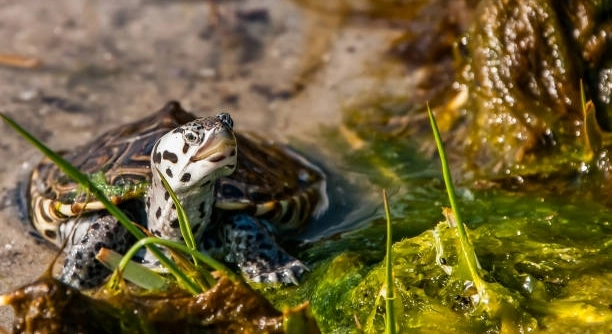
Aggression in Diamondback Terrapins can make handling them tricky, especially for pet owners. It’s important to understand why they act this way and how to manage it effectively.
Reducing aggression in Diamondback Terrapins involves strategies such as maintaining a calm environment, providing proper habitat conditions, handling them gently, and ensuring appropriate social interactions. These steps can help reduce stress and aggression in these turtles.
With simple adjustments to their care routine, you can improve their behavior. These strategies will help you ensure a peaceful relationship with your terrapin and enhance its well-being.
Understanding the Causes of Aggression in Diamondback Terrapins
Aggression in Diamondback Terrapins can arise from various factors, such as stress, improper habitat conditions, and even social behavior. These turtles are naturally solitary animals, and if they feel threatened or overcrowded, they may display aggressive tendencies. Stress is often caused by poor tank conditions, such as inadequate water quality, temperature fluctuations, or overcrowding. Handling them too frequently or roughly can also trigger aggressive behavior, as they may interpret this as a threat.
By observing your terrapin’s body language and environment, you can identify potential sources of stress. A key factor in aggression is their need for personal space. If your terrapin’s habitat is too small or shared with other animals, it could feel territorial and defensive. Similarly, a lack of hiding spots or a cramped space might increase anxiety and provoke aggression.
Taking the time to set up a proper environment and observing their behavior can help reduce aggression. This allows you to foster a more comfortable space for your terrapin to thrive in.
Maintaining Proper Tank Conditions
Proper tank conditions play a significant role in calming an aggressive terrapin. Terrapins require clean water, an appropriate temperature range, and enough space to move freely. If the water quality is poor or the temperature fluctuates too much, your terrapin may feel uncomfortable and stressed. It’s crucial to monitor water temperature between 75°F to 85°F and ensure good filtration to maintain clean water.
A large, well-structured tank with sufficient hiding places can also make a difference. Terrapins need a space that allows them to retreat and feel secure when necessary. This means providing plants, rocks, or other decorations where they can hide. Keeping the tank clean and ensuring the proper water chemistry are simple yet effective ways to help your terrapin feel more relaxed.
A suitable environment reduces their stress and makes them feel safe. This can prevent a lot of aggression before it even starts.
Handling Your Terrapin Gently
How you handle your Diamondback Terrapin matters greatly when it comes to reducing aggression. If you try to grab or forcefully interact with your terrapin, it may see this as a threat. Instead, focus on gentle, calm handling. When you do need to interact with your terrapin, approach slowly and let it come to you. Avoid sudden movements that could startle it.
When picking up your terrapin, make sure you support its body properly. Avoid squeezing or applying pressure, as this could make it feel trapped and stressed. With patience and consistency, your terrapin will learn to associate you with positive, calm experiences rather than threats.
Even with proper handling, it’s essential to limit the time spent holding them. Excessive handling can cause stress, which leads to aggressive behavior. Instead, let them come out of their shell at their own pace.
Socializing Diamondback Terrapins
Terrapins can show aggression if kept with other animals, especially if they feel their territory is being invaded. These turtles are naturally solitary creatures, and when housed with others, they may become territorial. If you wish to keep more than one, be mindful of their personalities. Males, in particular, are known for being more aggressive, especially during mating season. It’s essential to monitor their interactions carefully to ensure they’re not being stressed by other turtles or tankmates.
Providing enough space for each terrapin to have its own area can reduce conflicts. If keeping multiple terrapins, having separate basking spots and places to hide will help minimize aggressive encounters. Also, avoid overcrowding the tank. This reduces the chances of territorial disputes and allows your terrapin to feel more secure in its space.
By taking these steps, you can reduce the likelihood of aggressive behavior between terrapins, creating a more peaceful living environment for them.
The Importance of Proper Diet
A balanced diet can help your terrapin feel more comfortable and less likely to show aggressive behavior. Offering a variety of food, such as high-quality pellets, fresh vegetables, and occasional protein, ensures they are well-fed. Hunger or nutrient deficiencies can make your terrapin irritable and more prone to aggression.
Feeding your terrapin the right mix of nutrients can prevent aggression triggered by hunger or malnourishment. Ensure that your terrapin has access to clean water during mealtime, as dehydration can also contribute to irritability. Additionally, the food you provide should be free of pesticides or harmful chemicals to avoid causing stress or discomfort.
Overfeeding or providing the wrong foods can lead to health problems, which in turn may cause aggressive behavior. A well-balanced diet improves their mood and supports better overall health, contributing to a calmer and more manageable pet.
Creating a Calming Environment
Terrapins need an environment that minimizes stress to help reduce aggression. In addition to providing enough space, consider the lighting and noise level in the room. Excessive noise or bright lights can unsettle them, causing anxiety. Make sure their tank is placed in a quiet area, away from household disturbances.
A calming environment also includes maintaining stable water conditions. Regularly test the water for harmful levels of ammonia, nitrate, and nitrite, which can make your terrapin feel unwell and more likely to act out. Keep their basking area warm and dry, ensuring they have enough space to rest comfortably without feeling crowded or stressed.
Creating a peaceful environment encourages your terrapin to relax, reducing aggressive behavior. Ensuring your terrapin has a space that mimics their natural habitat will also help in making them feel more secure. A calm terrapin is less likely to lash out or display territorial aggression.
Reducing Handling Stress
Excessive handling can make your terrapin feel stressed and more likely to act aggressively. Try to limit the amount of time you spend handling them. When necessary, handle them gently and slowly, allowing them to feel secure and not threatened. This helps build trust and reduces stress.
Terrapins may view frequent handling as an invasion of their personal space. To avoid stressing them out, pick them up only when absolutely necessary. This reduces the chances of them becoming defensive or irritated. Respecting their boundaries makes them more relaxed and easier to handle in the long run.
Water Temperature Management
Water temperature is crucial for your terrapin’s comfort and well-being. Keep it within the recommended range of 75°F to 85°F. A stable temperature promotes good health and reduces aggression caused by discomfort. If the water is too cold or hot, your terrapin may become stressed, leading to aggressive behavior.
Providing Enough Space
Terrapins are territorial creatures, and they need enough space to feel comfortable. A cramped tank can lead to territorial aggression. Ensure your tank is large enough to accommodate your terrapin’s size and needs. Providing plenty of swimming space can reduce stress and territorial disputes.
FAQ
What causes aggression in Diamondback Terrapins?
Aggression in Diamondback Terrapins can be caused by several factors. Stress is one of the most common reasons, which can result from poor tank conditions, improper temperature, or overcrowding. They are solitary animals, and having other turtles in their space can also cause territorial behavior. Frequent handling or rough interactions can make them feel threatened and more likely to show aggression. If they are not provided with enough hiding places, they may become anxious and act defensively. Aggression can also stem from hunger or a poor diet.
How can I reduce aggression in my Diamondback Terrapin?
To reduce aggression, ensure that your terrapin’s environment is calm and stable. Make sure the water temperature is within the correct range (75°F to 85°F) and that the water is clean. Avoid overcrowding and provide enough space for your terrapin to move freely. Provide hiding spots in the tank to help them feel secure. Limit handling and interact with them gently to avoid stressing them out. Proper feeding with a balanced diet will also help maintain good health and prevent irritation.
Is it okay to keep multiple Diamondback Terrapins together?
Keeping multiple Diamondback Terrapins together can be tricky. These turtles are naturally solitary and territorial, so having too many in one space can lead to aggressive behavior. If you plan on housing more than one, ensure the tank is large enough for each terrapin to have its own space. Male terrapins tend to be more aggressive, especially during mating seasons. Avoid placing multiple males together, as this can lead to fights. Monitor interactions carefully and ensure they are not stressed by other tankmates.
Can Diamondback Terrapins be kept with other pets?
Diamondback Terrapins are best kept alone or with other terrapins of similar size. They are not always compatible with other pets, particularly fish, amphibians, or other reptiles. If you want to introduce them to other animals, make sure they have plenty of space to avoid territorial disputes. Sometimes, smaller animals can be seen as prey, and the terrapin may act aggressively towards them. Always supervise interactions closely to prevent harm.
How often should I feed my Diamondback Terrapin?
Diamondback Terrapins should be fed a balanced diet regularly, but not too frequently. Juvenile terrapins need to be fed every day, while adults can be fed every other day. Overfeeding can lead to obesity, which may cause health problems and irritability. Provide a mix of high-quality pellets, fresh vegetables, and occasional protein such as fish or worms. Ensure that food is appropriate for their size and age to maintain good health.
What is the best tank setup for a Diamondback Terrapin?
A good tank setup for a Diamondback Terrapin includes plenty of space for swimming, a basking area, and hiding spots. The tank should be at least 40 gallons for a single terrapin, with an additional 10 gallons per extra terrapin. Install a quality filter to keep the water clean and monitor the temperature carefully. The basking area should be well-lit with UVB lighting to support their health. Adding plants, rocks, and other natural decorations will provide hiding spots and help reduce stress.
Do Diamondback Terrapins need UVB lighting?
Yes, Diamondback Terrapins need UVB lighting to ensure they receive the necessary exposure for calcium metabolism and overall health. UVB light helps them produce vitamin D3, which is crucial for shell and bone health. Without proper UVB exposure, terrapins can develop metabolic bone disease. Use a UVB lamp in the tank and replace it every six months, even if it still lights up, as the UVB radiation decreases over time.
How can I tell if my Diamondback Terrapin is stressed?
Stressed Diamondback Terrapins may show signs such as aggressive behavior, hiding more often than usual, or refusing to eat. They may also appear lethargic or engage in excessive basking. If your terrapin is constantly hiding, it could indicate that they are feeling unsafe or stressed in their environment. Aggressive behaviors, like biting or attempting to escape the tank, are common signs of distress. If these behaviors are persistent, it’s important to review the tank setup, water quality, and overall care routine.
How do I keep the water clean for my Diamondback Terrapin?
Keeping the water clean is essential to maintaining your terrapin’s health and reducing stress. Use a good filtration system to remove waste, debris, and toxins from the water. Regularly check the water’s pH, ammonia, and nitrate levels to ensure they are within safe ranges. Perform partial water changes every week to maintain cleanliness. Clean any decorations, rocks, or substrates regularly to prevent algae build-up and bacterial growth. Proper maintenance of the tank environment is key to keeping your terrapin happy and healthy.
Why is my Diamondback Terrapin not eating?
If your terrapin isn’t eating, it could be due to stress, temperature problems, or health issues. Check the water temperature to ensure it is in the right range (75°F to 85°F), as cold water can make them sluggish and decrease their appetite. Stress from poor tank conditions, overcrowding, or excessive handling can also lead to loss of appetite. If they have been refusing food for an extended period, it could be a sign of an illness, so consult a vet for advice.
Final Thoughts
Caring for a Diamondback Terrapin requires attention to detail and patience. These turtles are sensitive creatures, and their behavior often reflects the conditions of their environment. By maintaining proper water quality, temperature, and providing enough space, you can greatly reduce the likelihood of aggression. Terrapins thrive when their needs are met, and a well-maintained habitat helps prevent stress, which is a major cause of aggressive behavior. Ensuring a calm and comfortable living space for them is essential for their well-being.
Handling is another key aspect of managing aggression. Terrapins can become easily stressed with too much interaction, so it’s important to approach them gently and limit handling to avoid triggering defensive behavior. By respecting their need for space and only picking them up when necessary, you help them feel secure. Over time, your terrapin may become more comfortable with you, and this will make interactions easier and less stressful. Be patient with them, as each terrapin has its own temperament and may require more time to adjust.
Diet and social conditions also play important roles in your terrapin’s behavior. Feeding them a balanced diet and keeping the tank environment free from overcrowding are simple yet effective ways to ensure they stay healthy and calm. If aggression arises, it’s crucial to review their living space and daily care routine to identify and address any potential sources of stress. Taking small but consistent steps in improving their care will make a big difference in reducing aggression and keeping your Diamondback Terrapin healthy and happy.

Hello,
If you enjoy the content that we create, please consider saying a "Thank You!" by leaving a tip.
Every little bit helps us continue crafting quality advice that supports the health, happiness, and well-being of pets around the world, for pets of all shapes, sizes, and species.
We really appreciate the kindness and support that you show us!