
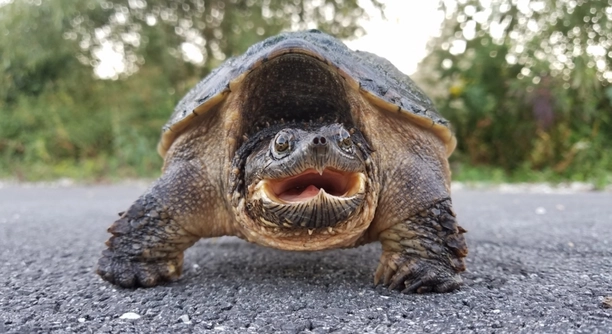
Is your common snapping turtle’s skin peeling and you’re unsure why? This is a common concern among turtle owners, and understanding it is important for their health and care.
The most likely causes for skin peeling in a common snapping turtle include shedding due to growth, environmental factors like humidity, or possible skin infections. Proper habitat maintenance and monitoring of their diet are essential in addressing this issue.
Understanding these factors will help you maintain your turtle’s well-being and ensure they live a long, healthy life.
What Causes Skin Peeling in Common Snapping Turtles?
Turtles shed their skin regularly as they grow. This process, called ecdysis, helps them remove old, dead skin cells and make way for new, healthy skin. For snapping turtles, peeling skin is normal, especially when they are growing or have been exposed to certain environmental factors. It’s important to remember that not all skin shedding is a cause for concern. If the peeling is excessive or accompanied by other symptoms, it could indicate an issue that needs attention.
Peeling due to growth is common and expected, but it’s essential to ensure that the turtle’s environment is optimal.
Make sure your turtle has enough space, proper water temperature, and UV lighting. If your turtle’s skin seems to peel too often or has signs of infection, it may need further attention. The right care and monitoring can prevent unnecessary stress and help ensure that the peeling is simply part of natural growth.
When Peeling Becomes a Concern
Peeling skin that doesn’t stop could signal problems. For example, improper water conditions, lack of humidity, or infections may cause constant shedding. A turtle that isn’t shedding in normal intervals may be trying to tell you something is off with its environment.
Infections like fungal or bacterial diseases can lead to abnormal skin peeling. These conditions often come with other symptoms such as discoloration, swelling, or sores. If you notice these signs, it’s important to consult a veterinarian immediately. Moreover, if the turtle’s water is too cold, the peeling may be more noticeable, or the skin might appear dry and cracked. Always ensure your turtle has access to clean, filtered water and that their habitat is at a stable temperature.
Improper diet can also contribute to skin issues. A lack of proper vitamins, minerals, or other nutrients can cause the skin to peel abnormally. Offering a balanced diet is essential for your turtle’s overall health.
How to Maintain Healthy Skin for Your Snapping Turtle
Proper humidity and temperature play a crucial role in keeping your snapping turtle’s skin healthy. Make sure the water temperature is within the ideal range, typically 75-85°F. Maintaining humidity levels at around 60-80% is also essential for their skin health.
Ensure the water in your turtle’s habitat is clean, and the tank is large enough for the turtle to swim comfortably. Regularly change the water and clean the tank to prevent the buildup of harmful bacteria. A properly filtered water system can go a long way in maintaining skin health and preventing peeling caused by infections.
In addition to maintaining proper environmental conditions, you should provide a balanced diet. A variety of protein sources like fish, insects, and vegetables is crucial for their overall well-being. Ensure they get the right amount of calcium and other vitamins to prevent skin issues and promote healthy growth.
What to Do if the Peeling Doesn’t Stop
If your turtle’s skin peeling persists despite optimal care, it’s time to consult a veterinarian. Continuous skin shedding may be a sign of an underlying health issue such as a bacterial or fungal infection. These conditions can worsen if untreated, so it’s best to act quickly.
A veterinarian can help identify the root cause of excessive peeling and recommend appropriate treatments, whether it’s medication or changes in the turtle’s environment. If your turtle’s skin is also swollen or has open sores, this is another clear indication that professional help is needed. Additionally, they may conduct tests to rule out other conditions, such as parasites. Timely intervention can make a significant difference in your turtle’s recovery and prevent further complications.
Preventing Skin Peeling in Snapping Turtles
The best way to prevent excessive skin peeling is by ensuring your snapping turtle’s habitat is set up correctly. Provide clean, filtered water, proper temperature, and the right humidity levels to keep the turtle comfortable and healthy.
Regularly check the tank for cleanliness and avoid any sudden changes in water temperature. Sudden shifts can cause stress, leading to unnecessary skin shedding. Keeping their environment stable will minimize the chances of skin issues arising.
The Role of Diet in Skin Health
A balanced diet is key to preventing skin issues. Snapping turtles require a mix of protein, vitamins, and minerals for optimal health. Offer a variety of food, including fish, insects, and leafy greens.
Be sure to provide calcium-rich foods, which are essential for strong, healthy shells and skin. The right diet not only supports your turtle’s overall health but also helps avoid problems like excessive shedding or weak skin. A vitamin deficiency can result in peeling, so variety is vital.
When to Seek Veterinary Help
If your turtle’s skin continues to peel or shows signs of infection, seeking veterinary care is necessary. A vet can identify whether there’s a larger health issue at play, such as a fungal or bacterial infection.
FAQ
Why is my snapping turtle’s skin peeling?
Skin peeling in snapping turtles is typically a natural process known as ecdysis. As your turtle grows, it sheds old skin to make room for new growth. However, excessive or irregular peeling could indicate environmental stress, dehydration, or an underlying health issue like an infection.
How often do snapping turtles shed their skin?
Snapping turtles usually shed their skin every few weeks, but the frequency can vary based on their age, environment, and health. Younger turtles may shed more frequently as they grow, while adults tend to shed less often. If the shedding is too frequent or seems abnormal, it may require attention.
What are the signs of a skin infection in a snapping turtle?
Signs of skin infection include redness, swelling, sores, or unusual discoloration of the skin. You may also notice the skin peeling in large patches, rather than just normal shedding. If these signs occur, it’s crucial to consult a veterinarian for diagnosis and treatment.
Can improper diet cause skin problems in snapping turtles?
Yes, an improper diet can lead to skin problems in snapping turtles. A lack of essential nutrients, particularly calcium and vitamins A and D, can result in unhealthy skin and shell issues. Ensure that your turtle’s diet is well-balanced with protein, vegetables, and calcium-rich foods to support overall health.
How can I prevent skin peeling in my snapping turtle?
To prevent excessive skin peeling, ensure that your snapping turtle’s habitat is optimal. Maintain a stable water temperature, proper humidity, and clean, filtered water. Additionally, provide a well-balanced diet that includes protein, vegetables, and calcium. Consistency in care can reduce the risk of skin problems.
Can stress cause skin peeling in snapping turtles?
Yes, stress can contribute to skin peeling in snapping turtles. Environmental changes, such as sudden shifts in water temperature or inadequate space, can cause stress. Ensure your turtle’s tank is large enough, and that the water conditions are stable to reduce stress. Regular care and attention can help prevent skin issues related to stress.
Is skin peeling a sign of a disease in snapping turtles?
While skin peeling is typically a normal process, it can sometimes indicate an underlying disease, such as a fungal or bacterial infection. If the peeling is accompanied by other symptoms, like swelling, pus, or sores, it’s important to seek veterinary care. Early treatment can prevent the infection from spreading.
How can I tell if my snapping turtle’s skin is shedding normally?
Normal skin shedding in snapping turtles involves small, even patches of skin coming off gradually. The skin should not appear inflamed, discolored, or raw. If you notice large patches of peeling, or if the turtle is exhibiting signs of discomfort, it could signal an issue that requires attention.
Should I remove the peeling skin from my snapping turtle?
It’s best not to remove peeling skin manually, as this can cause injury or stress. Most of the time, the skin will shed naturally. If the peeling seems excessive or is not shedding on its own, consult a veterinarian for advice. In most cases, the turtle will shed its skin without intervention.
Can water quality affect my snapping turtle’s skin?
Poor water quality is one of the most common causes of skin issues in snapping turtles. Dirty, unfiltered water can lead to infections and excess skin shedding. Regular water changes and using a good filtration system are essential for keeping your turtle’s skin healthy. Also, maintaining proper water pH levels is crucial.
How can I help my snapping turtle if it has dry, cracked skin?
Dry, cracked skin could be a sign of dehydration or improper humidity. Ensure that your turtle’s environment has the right humidity levels (60-80%) and that the water temperature is within the recommended range. You may also want to mist the tank to increase humidity and prevent the skin from becoming too dry.
Can a snapping turtle’s shell affect its skin health?
Yes, the condition of a snapping turtle’s shell can be linked to skin health. A damaged or unhealthy shell may lead to skin issues, as the two are connected. If the shell is soft, cracked, or has discoloration, it could indicate a calcium deficiency or other health problems that may also affect the skin.
Do snapping turtles need UVB lighting for healthy skin?
UVB lighting is essential for a snapping turtle’s overall health, including skin health. UVB rays help turtles synthesize vitamin D3, which is necessary for proper calcium absorption and skin health. Without UVB lighting, turtles may experience skin and shell issues, including peeling and weakening of the shell.
Can my snapping turtle’s skin condition improve on its own?
In some cases, a snapping turtle’s skin condition can improve on its own with the right care. Providing a stable, clean environment, ensuring proper hydration, and offering a balanced diet can help the skin heal naturally. However, if the skin issues persist or worsen, a veterinarian’s consultation is recommended.
How long does it take for a snapping turtle to shed its skin?
The shedding process for a snapping turtle typically takes a few days to a week, depending on their age, size, and environmental conditions. Younger turtles may shed faster due to rapid growth, while older turtles may shed more slowly. Skin should shed in small pieces, not all at once.
What should I do if my snapping turtle refuses to eat?
If your snapping turtle refuses to eat, it could be a sign of stress, illness, or poor water conditions. Check the water temperature and cleanliness, and make sure the turtle is not stressed by its environment. If the lack of appetite continues, seek advice from a veterinarian.
Final Thoughts
Caring for a snapping turtle requires attention to their environment, diet, and overall health. Skin peeling is often a normal part of their growth process, but when it becomes excessive or is accompanied by other symptoms, it may signal a deeper issue. Keeping a close eye on their behavior, water quality, and diet can help prevent unnecessary problems. Snapping turtles, like all reptiles, require specific care to thrive, and understanding the causes of skin peeling is an important part of maintaining their well-being.
Providing a stable, clean habitat with the right water temperature, humidity, and UVB lighting is essential. Snapping turtles need a balanced diet that includes calcium, protein, and vitamins to keep their skin and shell healthy. Regular maintenance of their enclosure can prevent stress, which can be a contributing factor to skin problems. Monitoring for signs of infection or unusual shedding patterns is important, as early detection of issues can lead to faster treatment and recovery.
While skin peeling is often a normal part of a snapping turtle’s life cycle, it’s important to stay aware of any changes in their behavior or appearance. If peeling becomes excessive or if there are signs of discomfort, consulting a veterinarian is the best course of action. Their expertise can help you address any potential health concerns and ensure that your snapping turtle remains healthy and happy in its environment. Keeping their tank clean, their diet balanced, and their habitat stable will help prevent many common issues, allowing your turtle to live a long and healthy life.

Hello,
If you enjoy the content that we create, please consider saying a "Thank You!" by leaving a tip.
Every little bit helps us continue crafting quality advice that supports the health, happiness, and well-being of pets around the world, for pets of all shapes, sizes, and species.
We really appreciate the kindness and support that you show us!