
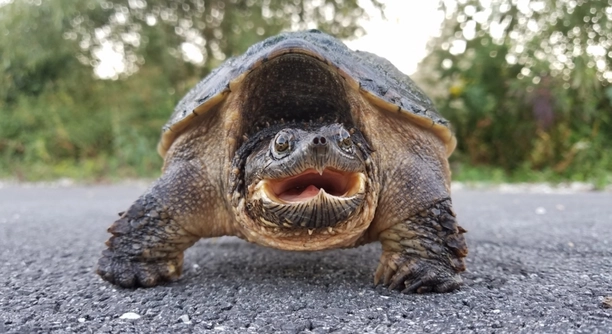
Common snapping turtles are fascinating creatures, but sometimes they float instead of sinking properly in the water. This unusual behavior can worry turtle owners, as it may seem like a sign of distress or illness.
The main reason your snapping turtle may be floating is due to an imbalance in its buoyancy. This can be caused by issues such as excess air trapped in the body, improper diet, or a health condition affecting the turtle’s organs.
Addressing these issues is important to ensure your turtle’s health. Understanding the causes behind floating will help you keep your turtle comfortable and prevent further complications.
Air Trapped in the Turtle’s Body
One common reason for your snapping turtle’s floating is excess air trapped in its body. Snapping turtles can accidentally ingest air while swimming or during feeding. This trapped air causes them to become buoyant, making them float instead of sinking. It can also happen if the turtle is stressed or ill, as stress can lead to shallow breathing, further contributing to trapped air. If your turtle appears to float shortly after eating or swimming, this could be the cause.
This is generally harmless and can be fixed by giving your turtle time to expel the air. If the issue persists, consider adjusting the turtle’s environment to reduce stress.
To help reduce air buildup, ensure your turtle’s water quality is clean and maintain a stable temperature. Stress can also be minimized by avoiding sudden changes in its habitat or feeding schedule. If floating continues, it might be worth checking if your turtle is experiencing any other health concerns that could be contributing to this issue.
Health Conditions Impacting Buoyancy
Health conditions such as respiratory infections, metabolic bone disease, or egg binding can also affect your turtle’s buoyancy. These conditions can impact the turtle’s ability to sink properly. Respiratory infections, for example, can fill the lungs with fluid, making it difficult for the turtle to dive underwater. Similarly, metabolic bone disease weakens the bones and can cause a turtle to float instead of resting on the bottom of its tank.
If your turtle continues to float despite addressing environmental factors, it might be time to consult with a vet. Early diagnosis and treatment can help prevent long-term damage.
Improper Diet
A poor diet can lead to buoyancy issues in snapping turtles. Overfeeding or feeding them foods that are too rich in fat can cause them to gain weight rapidly, leading to floating. On the other hand, insufficient calcium intake may result in weak bones, which can also affect their ability to sink properly.
To ensure a balanced diet, offer a variety of foods such as protein, leafy greens, and calcium-rich supplements. Avoid feeding them high-fat foods like fatty fish or processed turtle pellets regularly. A properly balanced diet can help maintain their weight and overall health.
Turtles need a well-rounded diet to support both their shell and internal organs. Providing a mix of fresh vegetables, live prey, and calcium supplements helps keep their bones strong, preventing buoyancy issues related to poor nutrition. Consider consulting with a vet to determine the ideal diet for your snapping turtle’s specific needs.
Tank Setup
An improper tank setup can also contribute to your snapping turtle’s floating behavior. If the water is too shallow, your turtle may struggle to find stability, causing it to float more easily. Poor water filtration can lead to unhealthy water conditions that affect your turtle’s buoyancy as well.
Ensure your tank is large enough to allow your turtle to swim freely and dive to the bottom. The water should be deep enough for your turtle to submerge comfortably, with a filter that maintains clean water. Maintaining these conditions will support your turtle’s health and help it maintain proper buoyancy.
Water Temperature
Water temperature can significantly affect your snapping turtle’s buoyancy. If the water is too warm or cold, it may cause stress, affecting the turtle’s ability to maintain proper balance. A fluctuating temperature can also weaken its immune system, leading to health problems that affect buoyancy.
To avoid this, ensure your turtle’s water temperature stays within the optimal range, typically between 75°F and 85°F. Investing in a reliable water heater will help maintain a stable environment, supporting your turtle’s health and preventing floating issues.
Shell Condition
A snapping turtle’s shell plays a vital role in buoyancy. If the shell is damaged or weakened due to metabolic bone disease, it can make the turtle float more easily. A soft or malformed shell can hinder the turtle’s ability to properly control its position in the water.
Ensuring your turtle receives enough calcium and vitamin D3 will help maintain its shell’s strength. A healthy, firm shell will allow your turtle to dive and swim more effectively, reducing the risk of floating caused by shell issues.
FAQ
Why is my snapping turtle floating?
Floating in snapping turtles can happen for several reasons, including excess air in their body, improper diet, health conditions, or an unbalanced tank environment. Air may get trapped when the turtle is stressed or eating, causing it to float. Diets rich in fat or lacking calcium can also affect buoyancy. Furthermore, if your turtle is sick or dealing with respiratory issues, it might float due to difficulty sinking. Environmental factors like water temperature and tank depth also contribute to this behavior.
How can I fix my snapping turtle’s floating issue?
To address the floating issue, you can start by adjusting the turtle’s environment. Ensure the tank is deep enough for the turtle to dive and swim freely. Check the water temperature, keeping it between 75°F and 85°F, and make sure the water is clean. If the turtle’s diet is the issue, offer a more balanced diet with leafy greens, protein, and calcium supplements. If floating continues, consider a vet visit to rule out any health conditions such as respiratory infections or metabolic bone disease.
Is floating a sign of a serious problem?
Floating isn’t always a sign of something serious, but it can be. If your turtle is floating only occasionally after eating or swimming, it’s likely harmless and may be due to trapped air. However, if the floating persists or is accompanied by other signs of illness, like lethargy, labored breathing, or loss of appetite, it could indicate an underlying health problem that requires veterinary attention.
Can a snapping turtle recover from floating on its own?
Yes, many snapping turtles will recover from floating on their own, especially if the cause is something temporary like trapped air or stress. Ensure the tank is appropriately set up, with clean water, the right temperature, and enough space for your turtle to dive. Providing a balanced diet can also help prevent the problem from recurring. However, if the issue persists, it’s crucial to consult a veterinarian.
What should I feed my snapping turtle to prevent floating?
To prevent floating, feed your snapping turtle a varied and balanced diet. This includes leafy greens, high-quality protein (like worms, fish, and insects), and calcium supplements. Avoid feeding too much fatty or processed food, as it can cause weight gain and increase the likelihood of floating. It’s also essential to monitor portion sizes to ensure your turtle doesn’t overeat.
Can water temperature affect my turtle’s buoyancy?
Yes, water temperature plays a significant role in your turtle’s buoyancy. If the water is too cold, the turtle may become sluggish and struggle to dive, while warmer water can stress the turtle, leading to floating. To avoid this, maintain a stable water temperature between 75°F and 85°F, using a reliable water heater to keep it consistent.
Does a shallow tank cause my snapping turtle to float?
Yes, a shallow tank can cause your snapping turtle to float. If there isn’t enough water for the turtle to fully submerge, it might struggle to stay at the bottom, leading to floating. Ensure the tank is deep enough for your turtle to dive and swim comfortably. A tank with at least 3-4 times the turtle’s length in depth will provide a proper swimming environment.
Can floating be caused by a respiratory infection?
Yes, respiratory infections can cause buoyancy issues in snapping turtles. When a turtle is sick and has a respiratory infection, it may struggle to breathe properly. Fluid buildup in the lungs or other parts of the body can affect the turtle’s ability to dive, leading to floating. If you suspect your turtle has a respiratory infection, look for other signs like labored breathing, nasal discharge, or lethargy and consult a vet immediately.
Should I take my snapping turtle to a vet if it’s floating?
If the floating is persistent and accompanied by other signs of illness, it’s essential to take your snapping turtle to a vet. A veterinarian can help identify any underlying health issues like metabolic bone disease, respiratory infections, or egg binding. Early intervention can prevent more serious health problems and ensure your turtle remains healthy.
How long should I wait before seeking help for a floating snapping turtle?
If your snapping turtle has only been floating for a short time and it seems otherwise healthy, it’s okay to wait a few days to see if the problem resolves. However, if the floating persists for more than a few days, or if the turtle shows other symptoms like lack of appetite, lethargy, or breathing difficulties, you should consult a vet immediately to address potential health concerns.
Can a snapping turtle’s shell affect its floating?
Yes, a turtle’s shell can play a role in its buoyancy. If a snapping turtle’s shell is weakened by conditions like metabolic bone disease, it may cause the turtle to float. A weak shell cannot provide the necessary support for the turtle to maintain proper posture and dive in the water. If you suspect shell issues, it’s crucial to address the problem with proper calcium supplementation and consult a vet if necessary.
What are the signs that my turtle is sick and floating?
In addition to floating, signs that your turtle may be sick include lethargy, loss of appetite, labored breathing, swollen eyes, or abnormal discharge from the nose or mouth. If these symptoms occur along with floating, it’s a good idea to consult a veterinarian. These signs could indicate an infection or other serious condition that requires medical attention.
Final Thoughts
Understanding why your snapping turtle may be floating is crucial for addressing the issue properly. Floating can be caused by several factors, including water temperature, diet, or health problems. In many cases, it’s a simple issue like trapped air or an improper tank setup, which can be easily fixed. However, if the problem persists or is accompanied by other signs of illness, it’s important to take action. By paying close attention to your turtle’s behavior, diet, and environment, you can often prevent further issues and ensure a healthier living space for your pet.
It’s also essential to regularly monitor your turtle’s tank and make adjustments as needed. Keeping the water clean, maintaining the right temperature, and providing a balanced diet are all critical steps to preventing issues like floating. Offering proper care and ensuring the right environment can reduce stress and help your turtle thrive. If you notice any other unusual behaviors or symptoms along with floating, consulting a veterinarian is the best option to rule out serious conditions. Early detection and treatment can help your turtle recover quickly and prevent long-term health problems.
In conclusion, while floating can be a common and temporary issue, it’s essential to approach it with care and attention. By addressing the potential causes, whether they are environmental, dietary, or health-related, you can help your snapping turtle live a healthier, more comfortable life. Regular check-ups, proper diet, and an ideal tank environment will reduce the likelihood of floating and other similar issues. Keep observing your turtle, and if you ever feel uncertain, don’t hesitate to reach out to a vet for advice or a check-up.

Hello,
If you enjoy the content that we create, please consider saying a "Thank You!" by leaving a tip.
Every little bit helps us continue crafting quality advice that supports the health, happiness, and well-being of pets around the world, for pets of all shapes, sizes, and species.
We really appreciate the kindness and support that you show us!