
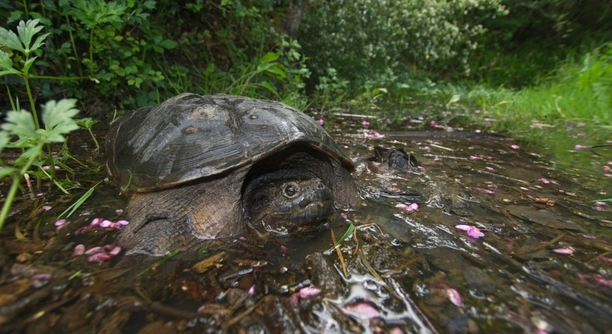
Turtles, especially common snapping turtles, can display unusual behaviors like trying to escape their enclosures. Understanding why this happens can help ensure they thrive in their environment.
Common snapping turtles may try to escape due to various reasons, including stress, boredom, or improper habitat conditions. A lack of space, environmental instability, or unbalanced care can contribute to their desire to escape.
Learning more about what influences your turtle’s behavior can guide you in making improvements to their home.
Why Is My Snapping Turtle Trying to Escape?
Common snapping turtles often attempt to escape when they feel their environment isn’t ideal. This behavior can be a result of stress, limited space, or the wrong habitat setup. Turtles are naturally curious creatures, and if their enclosure doesn’t meet their needs, they will try to find a way out. Lack of stimulation or a cramped space can lead to a constant urge to escape. It’s important to observe how your turtle behaves in its space, as this can give you clues about what’s bothering it. With proper care, you can address these issues and prevent your turtle from trying to escape.
Improper enclosure setup, including incorrect temperature or humidity levels, can also make your turtle feel uncomfortable. These factors directly impact your turtle’s overall health and behavior, influencing its attempts to escape.
Turtles in the wild often roam vast areas and need a large habitat to feel comfortable. When housed in too small of an enclosure, they may feel trapped and attempt to escape to find more space. Snapping turtles require an area that mimics their natural environment, including areas to swim and land for basking. If they don’t have enough room to move around, they may become frustrated, leading to escape attempts. Additionally, regular changes in their habitat, like cleaning or adding new items, can help them stay engaged and reduce escape-seeking behavior. Make sure you’re providing a spacious and varied environment that gives your turtle everything it needs to feel secure.
Addressing the Problem
There are several practical steps to take to stop your snapping turtle from trying to escape. One of the most important is ensuring their enclosure is large enough.
Start by providing an appropriate-sized tank with both water and land areas, along with consistent temperatures. Snapping turtles need room to explore, swim, and bask, which can help reduce stress and escape attempts.
Proper Habitat Setup
Your snapping turtle’s environment plays a huge role in preventing escape. A tank that is too small or lacks proper features can make your turtle feel trapped. A spacious tank with room to swim and bask helps keep them comfortable and reduces their desire to escape. It’s important to also include hiding spots, as turtles like to retreat when they feel threatened or stressed.
The enclosure should have a solid, secure lid to prevent escape, but it needs ventilation to allow for fresh air. The water level should be deep enough to swim but not so deep that it feels overwhelming for your turtle. The land area should be large enough for basking under a heat lamp, as this is essential for their health. Make sure to set up your turtle’s environment to replicate its natural habitat as closely as possible.
The temperature and humidity in the enclosure are also important. The water should be between 70-75°F, while the basking area should reach around 85°F. These conditions help your turtle feel comfortable and prevent it from trying to escape. Pay attention to the type of filter used for the water to ensure it stays clean. Snapping turtles need a proper habitat to thrive, and without it, they’ll likely try to find a way out.
Mental Stimulation
Boredom is a big factor in escape attempts. Snapping turtles, like many animals, need mental stimulation to stay content. If they don’t have enough to do, they may start looking for ways to escape. Offering toys or objects to interact with can help engage your turtle’s mind.
Adding logs, rocks, or plants into the tank gives your turtle something to explore. Snapping turtles are naturally curious and like to investigate their surroundings. A lack of stimulation can lead to frustration and a desire to escape. You can also change the layout of the tank every now and then to keep things interesting for your turtle. The goal is to create an environment that encourages your turtle to explore without feeling confined.
Another way to stimulate your turtle mentally is through feeding time. Snapping turtles are opportunistic eaters and can be more engaged when they have food to focus on. Hiding food around the tank, so your turtle has to search for it, can provide mental enrichment and keep it entertained. Just make sure the tank remains clean, as a dirty environment can add to stress and cause your turtle to feel unsettled.
Temperature and Lighting
Proper temperature and lighting are crucial for your snapping turtle’s well-being. A lack of the right conditions can make them feel stressed and lead to escape attempts. Make sure the basking area stays warm, with a heat lamp to help regulate the temperature.
The water should be kept between 70-75°F, while the basking spot should be 85°F. Snapping turtles rely on these temperature differences to regulate their body heat. Without the proper setup, they might feel too cold or too hot, prompting them to escape. A UVB light is also essential for their health and helps them absorb calcium.
Diet and Feeding
A balanced diet keeps your snapping turtle healthy and satisfied, reducing the chances of it trying to escape. Feed them a mix of protein and vegetables, offering different food types for variety. Be consistent with feeding times to keep them comfortable and prevent hunger-driven behaviors.
Make sure to avoid overfeeding, as it can lead to obesity and health problems. If a turtle feels sluggish or uncomfortable in its habitat due to poor diet, it might look for a way out. Fresh water should always be available, and feeding should happen in a clean area to keep the environment healthy.
Social Interaction
Snapping turtles are solitary creatures and don’t need much social interaction. However, having a quiet and undisturbed space can make them feel safe and secure. If they feel threatened or stressed due to external factors, they may try to escape.
The lack of consistent peace and safety can trigger stress in your turtle. Reducing noise, minimizing handling, and avoiding sudden movements near the tank can help create a stable environment. This approach keeps your turtle calm and content, reducing the need to escape.
FAQ
Why is my snapping turtle constantly trying to escape?
Your snapping turtle might be trying to escape because of stress, lack of space, or an inadequate environment. Turtles need a lot of room to swim, bask, and explore. A cramped or uncomfortable tank can make them feel trapped. If the habitat’s temperature, humidity, or lighting is wrong, they could attempt to escape to find a better environment. It’s essential to make sure their home mimics the natural surroundings, providing both land and water areas, along with proper heating and UVB lighting.
How can I stop my snapping turtle from trying to escape?
Start by checking the size and setup of the tank. Ensure there’s enough space for the turtle to swim and bask comfortably. Add hiding spots like rocks or logs to give your turtle a sense of security. Ensure that the water temperature stays between 70-75°F, and the basking area is around 85°F. Regularly change the water, and make sure to clean the tank to keep it free of debris. Proper diet and mental stimulation can also help reduce escape attempts.
What are the signs that my snapping turtle is stressed?
Stress in snapping turtles can manifest in several ways. These signs include excessive swimming, trying to escape the tank, or hiding in corners of the enclosure. They might also stop eating, become more aggressive, or seem unusually lethargic. Stress can be caused by incorrect water or air temperature, an overcrowded tank, or a lack of enrichment. Pay attention to changes in their behavior and address the environment accordingly.
Can snapping turtles live with other animals?
Snapping turtles are best kept alone, especially in a small tank, due to their aggressive nature. They can be territorial and may view other animals as threats, potentially injuring them. If you have other aquatic creatures, such as fish or frogs, they may become prey to the snapping turtle. It’s safer for them to have their own space to prevent conflict or harm. If you want to house multiple turtles, they need a very large, well-maintained enclosure to ensure each one has enough room.
Do snapping turtles need a specific diet?
Yes, snapping turtles require a varied diet that includes both animal and plant matter. They are omnivores, so they need a mix of proteins like insects, small fish, and worms, as well as vegetables like leafy greens. It’s essential to offer a balanced diet to ensure they get all the necessary nutrients, including calcium for strong bones and a healthy shell. Make sure to avoid feeding them too much fatty or processed food, as it can lead to health problems.
How often should I feed my snapping turtle?
Adult snapping turtles typically eat 2-3 times a week, while younger turtles need more frequent feedings, around every other day. Always observe your turtle’s appetite to make sure they’re eating enough. Overfeeding can cause obesity and health issues, so only offer enough food that they can finish in a short time. Fresh water should always be available, and clean water is crucial to prevent bacterial growth.
How can I tell if my snapping turtle is healthy?
Healthy snapping turtles should have clear, bright eyes, a firm and smooth shell, and be alert. They should be active, swimming around or basking when needed. If your turtle is lethargic, has swollen eyes, or its shell looks soft or damaged, this can be a sign of poor health. You should also check for signs of illness like a loss of appetite, abnormal behavior, or trouble moving. Regular visits to a vet can help monitor their health.
What temperature should I keep my snapping turtle’s tank at?
The water temperature for your snapping turtle should be between 70-75°F. For the basking area, it should be around 85°F. These temperatures help your turtle regulate its body heat, which is essential for digestion and overall well-being. Use a thermometer to ensure the conditions are stable. Snapping turtles are sensitive to extreme temperatures, so maintaining proper heat levels will help keep them healthy and reduce stress.
Is it normal for a snapping turtle to be aggressive?
Yes, snapping turtles are naturally aggressive. This behavior is part of their survival instincts, as they are solitary creatures in the wild. They will often show aggression when they feel threatened, especially when you try to handle them. They may hiss, bite, or try to snap if they feel cornered. It’s important to give them space and avoid handling them too often. Let them roam and explore their enclosure without interference to reduce stress and aggression.
Can snapping turtles be kept outside?
Yes, snapping turtles can be kept outside in a large pond or enclosure if the climate is suitable. However, the enclosure needs to be secure to prevent them from escaping and to protect them from predators. The pond should have plenty of space for swimming, basking areas, and hiding spots. The water should be filtered regularly to maintain cleanliness. Make sure the temperature and environment are suitable for their needs. Always check local regulations to make sure it’s legal to keep them outdoors.
Final Thoughts
Understanding why your snapping turtle is trying to escape is key to providing the right care. These turtles, like many other reptiles, need a stable and enriching environment to thrive. When they try to escape, it is usually a sign that something in their habitat isn’t right. It could be anything from temperature imbalances, lack of space, or even stress due to an overly quiet or too busy environment. Observing their behavior closely can give you a better idea of what’s wrong and what needs to change.
The most important factors to consider are the size of the tank, the quality of the water, and the presence of both land and water areas. Snapping turtles need space to swim, bask, and hide when they feel threatened. Their habitat should replicate the conditions they would find in the wild as much as possible. A secure, well-maintained tank with proper lighting, heating, and filtration will not only reduce their escape attempts but also improve their overall health and well-being. Providing these conditions ensures your turtle will feel safe and comfortable, which can minimize the urge to escape.
It’s also important to remember that snapping turtles are naturally curious creatures. Without enough mental and physical stimulation, they can get frustrated. By offering them a variety of objects to explore and hiding spots within their habitat, you can engage their curiosity and keep them entertained. A balanced diet and a peaceful environment are also essential for reducing stress. With the right care, your snapping turtle will have everything it needs to stay content, and escape attempts will likely become a thing of the past.

Hello,
If you enjoy the content that we create, please consider saying a "Thank You!" by leaving a tip.
Every little bit helps us continue crafting quality advice that supports the health, happiness, and well-being of pets around the world, for pets of all shapes, sizes, and species.
We really appreciate the kindness and support that you show us!