
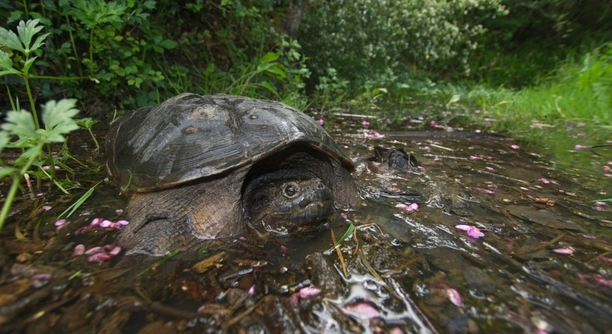
Stressed common snapping turtles can display behaviors like aggression or lethargy, leaving their owners worried about their well-being. Understanding how to reduce stress and improve their environment is key to helping them thrive.
To alleviate stress in a common snapping turtle, creating a calm environment is essential. This includes maintaining appropriate water temperature, providing adequate hiding spots, and reducing loud noises or sudden movements. A balanced diet and regular health check-ups are also critical.
With these simple fixes, your snapping turtle can feel more comfortable in its habitat. Proper care and attention will ensure a happier, healthier turtle.
Keep Their Habitat Comfortable
A common snapping turtle’s habitat plays a major role in their well-being. A tank that is too small or uncomfortable can cause unnecessary stress. They need space to move around, so the size of the tank should match their size. The water temperature is another important factor. If it’s too cold or too warm, your turtle will feel uncomfortable and might even get sick. Aim to keep the water between 75°F and 80°F for optimal health.
A clean environment is equally important. Regularly remove debris and waste to prevent harmful bacteria from building up. This reduces stress and keeps your turtle safe. Ensure that the tank is set up to allow easy access to both the water and land areas, as snapping turtles enjoy both.
The lighting in the tank should also be considered. Providing UVB lighting is crucial for the turtle’s shell health and to help them produce Vitamin D3. A basking spot under a heat lamp will also allow your turtle to regulate its body temperature.
Proper Diet for a Healthy Turtle
A snapping turtle’s diet must be balanced and nutritious to avoid stress. They require a mix of animal protein, vegetables, and occasional fruits. Providing a varied diet keeps them physically healthy and less stressed.
Snapping turtles often feed on insects, fish, and worms, but they also enjoy greens like lettuce and kale. A steady supply of calcium is needed to keep their shells strong and healthy. You can provide calcium through cuttlebone or by offering calcium-rich foods like collard greens. If their diet is unbalanced, they may show signs of stress or lethargy, so it’s vital to monitor their eating habits.
One easy way to ensure they’re getting enough nutrition is to feed them commercially available turtle pellets. These can serve as a supplement to their diet, making sure they are not missing any key nutrients. Always remember to offer food in appropriate amounts, as overfeeding can lead to water pollution and stress from an overcrowded tank.
Minimize Stressful Interactions
Constant handling or loud noises can overwhelm your snapping turtle. These turtles are naturally shy and prefer a peaceful environment, free from disturbances. Avoid poking at them or forcing interactions. Give them space to adjust to their surroundings and take things slow.
Handling a snapping turtle too much can lead to stress and cause health issues. If you need to move them, do so gently and briefly. Excessive interaction, especially with young turtles, can hinder their natural behavior and cause them to become defensive or agitated. Respecting their boundaries helps in reducing stress and maintaining a calm habitat.
You can also minimize stress by avoiding placing your turtle in unfamiliar or crowded places. If you want to take them outside of their usual space, make sure it is calm and quiet. These simple adjustments will help your turtle feel secure and prevent unnecessary stress.
Proper Lighting and UVB Exposure
Proper lighting is necessary to keep your snapping turtle healthy and reduce stress. Snapping turtles need both UVB and heat lamps to mimic natural sunlight. UVB light helps them process calcium and supports their overall health. Without adequate UVB light, your turtle could develop shell deformities or weakened bones.
If you don’t provide the right amount of UVB exposure, your turtle’s immune system can weaken, making it more susceptible to illnesses. It’s important to position the light where your turtle can bask and absorb the rays, as this also helps regulate their body temperature. Place the UVB light at one end of the tank to create a temperature gradient.
A basking spot under a heat lamp is essential as it helps your turtle maintain the proper body temperature. Ensure that the temperature range in the basking area is about 85°F to 90°F. This allows your turtle to feel comfortable and healthy while minimizing stress levels.
Ensure Proper Tank Size
A small tank can stress your snapping turtle. They need room to swim and explore, so choose a tank that allows them to move freely. A tank size of at least 75 gallons is recommended for adults. This gives them the space they need to feel secure.
A larger tank not only provides ample swimming space but also allows for better water quality. With more space, the water doesn’t get dirty as quickly, reducing the chances of bacteria growth. It also gives your turtle areas to hide, which is important for reducing stress and providing a sense of security.
Water Filtration is Key
A good filtration system is vital for maintaining water quality and reducing stress. Snapping turtles are messy eaters, and their waste can quickly pollute the water, making it hard for them to thrive. A strong filter helps keep the water clean, providing a healthier environment.
The filter should be powerful enough to handle the size of your turtle’s tank. This will prevent dirty water from building up, which can lead to stress and health problems. Ensure the filter runs continuously to keep water parameters stable. Clean the filter regularly to maintain its efficiency.
Regular Health Checks
Regular health checks are essential for a snapping turtle’s well-being. Keep an eye out for any signs of illness, such as loss of appetite, lethargy, or abnormal behavior. These can be signs that your turtle is stressed or unwell.
Make sure your turtle’s shell stays free of cracks and infections. If you notice any issues, consult a vet familiar with reptiles. Regular check-ups not only help prevent stress but also ensure that your turtle stays healthy and happy for years to come.
FAQ
How can I tell if my snapping turtle is stressed?
Signs of stress in snapping turtles include erratic swimming, loss of appetite, hiding more than usual, or aggressive behavior. They may also be more lethargic or appear sick. If your turtle is displaying any of these behaviors, it’s important to assess its environment. Ensure that the water temperature, lighting, tank size, and diet are all suitable. Stress can often be alleviated by making these simple adjustments.
Can I keep more than one snapping turtle together?
While it is possible to keep multiple snapping turtles together, it can sometimes cause stress, especially if the turtles are not accustomed to sharing their space. Snapping turtles are solitary by nature and can be territorial. If you do decide to house more than one, ensure that the tank is large enough for them to establish their own spaces and that each turtle has enough food. Be prepared to separate them if aggression or stress becomes an issue.
What should I feed my snapping turtle?
Snapping turtles are omnivores, so they need a balanced diet of animal protein and plant material. They typically eat fish, insects, and worms, but also enjoy leafy greens like lettuce, kale, and collard greens. You can also offer them some fruit, such as berries or melon. It’s important to feed them a varied diet to ensure they get all the necessary nutrients. Occasionally, you can supplement their diet with calcium-rich foods, like cuttlebone, to promote healthy shell growth.
Is it necessary to provide a basking area for my snapping turtle?
Yes, a basking area is essential for your snapping turtle. They need a place to climb out of the water and bask under a heat lamp to regulate their body temperature and dry off. Without a basking area, your turtle can become stressed, and its health may decline due to improper temperature regulation. Ensure the basking area is set up correctly, with the water temperature around 75°F to 80°F and the basking spot warmer at 85°F to 90°F.
How often should I change the water in my snapping turtle’s tank?
The water in your turtle’s tank should be changed regularly to maintain clean and healthy conditions. A general rule of thumb is to change about 25-30% of the water every week. However, the frequency of water changes may depend on the size of the tank, the number of turtles, and the efficiency of your filtration system. Regular water changes help prevent the buildup of harmful bacteria and ensure your turtle has a clean environment, which reduces stress.
What size tank do I need for a snapping turtle?
The tank size depends on the size of your snapping turtle. For a juvenile turtle, a 40-50 gallon tank may be sufficient, but as they grow, they will need more space. For an adult snapping turtle, a 75-100 gallon tank is recommended. The more space you provide, the better it is for your turtle’s well-being. A larger tank allows for better water quality and more room for your turtle to swim, which helps reduce stress and aggression.
Do snapping turtles need UVB light?
Yes, snapping turtles need UVB light for proper health. UVB light helps them synthesize Vitamin D3, which is crucial for calcium absorption. Without it, they can develop shell deformities or weakened bones. You should provide a UVB light that covers about half of the tank, ensuring your turtle has access to it when basking. UVB light should be replaced every 6 months as its effectiveness decreases over time.
Can I handle my snapping turtle?
While it’s okay to handle your snapping turtle occasionally, it’s important to remember that these turtles can become stressed if handled too often. Snapping turtles are not naturally inclined to be social and may become defensive if they feel threatened. Limit handling to brief, calm sessions, and always ensure it’s for necessary purposes, such as cleaning or moving them. Respect your turtle’s space, and don’t force interaction.
How do I prevent my snapping turtle from becoming bored?
Snapping turtles are curious creatures, and if they feel bored, they may become stressed or even engage in destructive behavior. To keep your turtle entertained, offer different hiding spots, branches, or rocks in the tank to explore. Providing live prey or even changing up the layout of their habitat can keep them engaged. Regular feeding and occasional changes in the environment help stimulate their minds and prevent boredom.
What temperature should the water be for my snapping turtle?
The water temperature for a snapping turtle should range between 75°F and 80°F for optimal health. If the water is too cold, your turtle may become lethargic and stressed. If it’s too warm, it can lead to health issues such as shell rot or respiratory problems. A reliable water heater can help maintain the correct temperature, but make sure to monitor it regularly.
Final Thoughts
Taking care of a common snapping turtle requires attention to detail and patience. By creating the right environment, you can help reduce stress and ensure your turtle lives a happy, healthy life. The key to reducing stress lies in providing a spacious, clean habitat with the right water temperature, lighting, and diet. Snapping turtles, like all animals, thrive in environments that feel secure and stable. When their basic needs are met, they can adjust better and lead a more comfortable life.
In addition to maintaining the proper habitat, it’s important to minimize handling and avoid overwhelming your turtle. While snapping turtles may not be as social as other pets, they can still form a bond with their owners by being cared for in a respectful manner. Keeping their interactions with you calm and limited helps reduce stress. Over time, they can feel more comfortable with their environment, and their natural behavior will shine through. Remember that snapping turtles are solitary animals, and while they may occasionally enjoy your presence, they need their space to feel secure.
Finally, it’s important to stay observant and proactive about your turtle’s health. Regular check-ups, proper feeding, and a clean environment all play a big role in their well-being. If you ever notice signs of illness or stress, addressing the issue quickly is crucial. Snapping turtles can live for many years when properly cared for, and taking small steps to improve their living conditions can go a long way. With the right care, you’ll create an environment where your turtle can thrive, free from the pressures that cause unnecessary stress.

Hello,
If you enjoy the content that we create, please consider saying a "Thank You!" by leaving a tip.
Every little bit helps us continue crafting quality advice that supports the health, happiness, and well-being of pets around the world, for pets of all shapes, sizes, and species.
We really appreciate the kindness and support that you show us!