
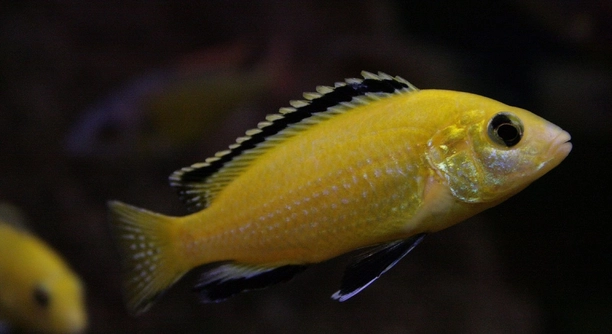
Is your cichlid constantly moving rocks around its tank, rearranging its environment with unending energy? Observing this behavior can be both fascinating and puzzling for aquarists. Many fish owners notice these actions and wonder about the reasons behind them.
Cichlids push rocks as a natural behavior linked to territory establishment, nest building, and environmental enrichment. This activity helps them create safe spaces, display dominance, and maintain mental stimulation, reflecting instinctive patterns observed in wild populations of these fish.
Understanding why your cichlid engages in this activity can help you provide a more suitable tank setup and enrich its daily life. Observing these behaviors offers insights into your fish’s natural instincts and wellbeing.
Reasons Your Cichlid Pushes Rocks
Cichlids are naturally territorial and use rocks to define their space. They often rearrange their tanks to create hiding spots or secure nesting areas. This behavior is especially common during breeding, when they want a safe environment for their eggs. Some species are more active than others, constantly moving stones and decorations. Rock pushing also serves as a form of mental stimulation, keeping them engaged in their environment. Providing an appropriately sized tank and a stable substrate can help manage excessive rearranging. Observing which areas your fish prefers to move items to can reveal their comfort zones and favorite hiding spots. Over time, you may notice patterns in their behavior, like moving rocks closer to corners or forming small piles. This instinctual activity reflects their natural behavior in the wild, where they constantly manipulate their surroundings for survival, comfort, and territory control.
Understanding these tendencies allows for better tank management and healthier fish.
Regular monitoring of tank layout can reduce stress and aggressive behaviors.
Rock pushing is part of their natural instincts, giving them mental stimulation, security, and territorial expression. Watching them carefully helps you anticipate their needs, ensuring a balanced habitat.
How to Manage Rock-Pushing Behavior
Limiting stress and ensuring sufficient space are key to managing this behavior.
Providing hiding spots and stable decor can help reduce constant rearranging. Choosing heavier rocks or using adhesive methods allows the tank to stay organized. Additionally, diversifying tank decorations and adding plants can satisfy your cichlid’s need to explore and manipulate its environment. Feeding routines and water quality also influence activity levels; a well-fed, comfortable fish is less likely to engage in overly disruptive behavior. Observing your cichlid’s preferences and adjusting the tank setup accordingly supports both its physical and mental wellbeing. Over time, these adjustments help maintain a visually appealing tank without compromising your fish’s natural instincts, allowing it to push and explore in a healthier, controlled manner.
By understanding your cichlid’s behaviors and providing a thoughtful environment, you create a balanced and enriching tank experience. Adjusting rock placement, providing enrichment, and monitoring social interactions all contribute to a peaceful and stimulating aquatic habitat, reducing stress while encouraging natural behavior patterns. Paying attention to species-specific needs ensures that your fish can thrive, creating a tank that reflects its natural instincts without constant disruption. Regular observation and minor adjustments help maintain harmony, while respecting the cichlid’s natural drive to move, dig, and organize its environment. Over time, these small interventions support both the fish’s wellbeing and your enjoyment of the tank.
Choosing the Right Rocks
Selecting rocks that are smooth and heavy prevents your cichlid from accidentally harming itself. Avoid sharp or brittle stones, as they can break and injure your fish. Testing rock stability before adding them ensures a safer environment. Proper selection also supports natural behaviors without constant tank disruption.
Heavier rocks provide stability while allowing your cichlid to interact safely with its surroundings. Smooth textures reduce the risk of scratches or injuries, especially when the fish pushes or flips them around. Rocks that are too small can be swallowed or moved excessively, causing stress. Properly sized stones help maintain a balanced tank while still allowing your cichlid to exhibit natural behaviors. Observing how your fish interacts with each type of rock allows you to adjust placement and selection, creating a secure and stimulating environment for both territory and play.
Arranging rocks with stable foundations creates a semi-permanent landscape that your cichlid can explore safely. Using multiple sizes can mimic natural habitats, offering hiding spots and open areas. This setup satisfies their instinct to rearrange without leading to constant tank chaos. Additionally, positioning rocks near plants or corners encourages sheltering and reduces aggressive encounters with tank mates. Regularly checking stability prevents accidents and maintains a safe environment, while still giving your cichlid room for natural behaviors. By thoughtfully arranging rocks, you achieve a balance between safety and enrichment, letting your fish thrive.
Tank Layout and Enrichment
Providing varied spaces helps your cichlid feel secure and mentally engaged. Include caves, plants, and open areas to encourage natural exploration and reduce boredom.
A well-planned tank layout reduces stress and promotes healthy activity. Using multiple hiding spots gives your cichlid places to retreat and feel safe. Open swimming areas allow exercise and territory establishment. Plants, both live and artificial, create texture and additional cover while breaking up sight lines to reduce aggression. Regularly changing or rearranging elements slightly keeps your fish interested without causing frustration. Enrichment objects, like small decorations or floating elements, provide mental stimulation and mimic natural habitats. Combining open areas, shelter, and varied textures results in a balanced environment that supports both physical and psychological wellbeing, while minimizing destructive behavior.
Consistent monitoring ensures the layout continues to meet your cichlid’s needs. Observing interactions between fish, rocks, and plants allows adjustments for stress reduction, preventing dominance disputes and ensuring all inhabitants feel secure. Rotating enrichment elements periodically keeps interest high and avoids stagnation. Maintaining proper filtration and water conditions supports health, while the layout encourages natural behaviors like hiding, exploring, and territorial marking. Thoughtful planning creates an engaging, safe, and comfortable environment that satisfies instincts, reduces conflict, and enhances your enjoyment of a lively and thriving aquarium.
Understanding Breeding Behavior
During breeding, cichlids rearrange rocks to create safe nesting areas. They may move stones repeatedly to protect eggs or fry, showing heightened territorial instincts. Observing this behavior helps identify when your fish is preparing to spawn.
This activity is natural and indicates a healthy, instinct-driven fish. Providing stable rocks and designated hiding spots supports breeding without causing unnecessary stress.
Feeding and Activity Levels
A well-fed cichlid is less likely to push rocks excessively out of boredom. Balanced diets influence energy levels, helping manage destructive behaviors. Regular feeding schedules also encourage predictable activity patterns, supporting overall tank harmony.
Managing Aggression
Aggression can lead to more intense rock-pushing as cichlids assert dominance. Identifying dominant individuals and providing separate territories helps reduce conflicts and maintain peaceful tank dynamics.
Monitoring Health
Changes in rock-moving patterns may signal health issues. Consistent observation ensures early detection of stress, illness, or environmental problems, allowing timely intervention to maintain wellbeing.
FAQ
Why does my cichlid keep moving rocks even when the tank looks fine?
Cichlids often move rocks instinctively to create hiding spots or mark territory. Even in a well-maintained tank, this behavior is normal and reflects their natural need to organize and control their environment. It’s a sign that your fish is active and mentally engaged.
Is constant rock-pushing harmful to my cichlid?
Generally, rock-pushing is not harmful if the tank is set up safely. Smooth, stable rocks reduce injury risk. Problems only arise when stones are sharp, unstable, or small enough to be swallowed. Observing interactions and adjusting rock types can prevent accidents.
How can I prevent my cichlid from making a mess?
Using heavier rocks, securing them in place, and providing multiple hiding spots helps manage excessive rearranging. Incorporating plants and decorations also gives the fish alternative items to explore and move, reducing constant disruption in one area.
Does moving rocks mean my cichlid is stressed?
Not always. While stress can cause restless activity, rock-moving is often instinctual. Signs of stress include hiding constantly, loss of appetite, or unusual aggression. If these appear alongside rock-pushing, check water quality, tank mates, and environment stability.
Should I worry if my cichlid digs at the substrate too?
Digging is another natural behavior. Cichlids often dig to search for food, build nests, or mark territory. Ensuring substrate is safe, smooth, and deep enough supports this behavior without causing harm or excessive tank disruption.
Can rock-pushing affect other fish in the tank?
Yes, dominant cichlids may disturb weaker tank mates or cause conflicts. Providing multiple territories, hiding spots, and visual barriers helps reduce aggression and ensures all fish have space to feel secure.
Does the species of cichlid matter in rock-moving behavior?
Absolutely. Some species, like mbuna cichlids, are highly territorial and constantly rearrange rocks. Others are less active. Understanding your specific species’ natural behaviors helps anticipate and manage rock-pushing effectively.
How often should I rearrange rocks for my cichlid?
Frequent human rearrangement is unnecessary. Your cichlid prefers doing it naturally. Intervene only to ensure stability, prevent injury, or address tank aesthetics. Small adjustments can support enrichment without interfering with instincts.
What role does tank size play in rock-pushing?
Smaller tanks can increase rock-pushing intensity due to limited space. Larger tanks provide more room for exploration, reducing stress and destructive behavior. Ensure adequate swimming space alongside hiding areas to satisfy territorial and mental needs.
Can enrichment items reduce rock-pushing?
Yes. Introducing caves, plants, and decorations offers alternative stimulation. Enrichment encourages natural behaviors without excessive disruption of a single area. Rotating or slightly changing items over time keeps interest high and prevents boredom-related overactivity.
How do I know if rock-pushing is related to breeding?
During breeding periods, cichlids focus on creating nests and protective areas. Signs include increased territoriality, guarding specific spots, and moving rocks around a chosen area. Stable rocks and designated nesting spaces support this behavior safely.
Is diet connected to rock-moving behavior?
Yes, well-fed cichlids are less likely to push rocks out of boredom. Providing a balanced diet appropriate for the species regulates energy levels and can reduce excessive, non-productive activity.
What should I do if my cichlid injures itself while moving rocks?
Check the tank immediately for sharp or unstable items. Remove dangerous rocks, smooth edges, and provide safer alternatives. Observing recovery and ensuring clean water conditions helps prevent infection.
Can I train my cichlid to move rocks less?
Direct training is difficult because rock-pushing is instinctual. The best approach is environmental management: use heavier rocks, create stable layouts, and provide enrichment to redirect activity in safe ways.
How do I balance natural behavior with tank aesthetics?
Allowing some rock movement is part of keeping your cichlid healthy. Arrange heavier stones strategically, use plants and decorations for visual appeal, and accept small changes as part of maintaining a natural, thriving habitat.
Does temperature or water quality affect rock-moving behavior?
Yes. Suboptimal water conditions can increase restlessness or aggression. Keeping temperature, pH, and filtration within species-specific ranges promotes calm, normal activity and prevents stress-related excessive rock-pushing.
Can multiple cichlids in one tank increase rock-pushing?
Multiple territorial fish often compete for space, causing more rearranging. Providing clear territories, multiple hiding spots, and visual separation reduces conflicts and ensures each fish can engage in natural behaviors safely.
Is it normal for older cichlids to push rocks less?
Yes, younger or more active fish tend to move rocks more frequently. Older fish may become more sedentary or establish permanent territories, reducing the need to constantly rearrange their environment.
Should I be concerned if my cichlid stops moving rocks suddenly?
Sudden inactivity can indicate illness, stress, or environmental problems. Check water quality, diet, tank mates, and observe for other unusual behaviors. Prompt attention ensures your fish remains healthy and active.
How do I safely introduce new rocks to the tank?
Clean new rocks thoroughly with boiling or dechlorinated water. Avoid chemicals or soaps. Introduce them slowly to allow your cichlid to explore and adjust without causing sudden stress or aggression.
Can rock-pushing damage the tank itself?
Heavy rocks can scratch glass or disturb substrate if pushed forcefully. Using stable, appropriately sized stones and arranging them securely prevents damage while still allowing natural fish behavior.
Do cichlids push rocks at night?
Some cichlids remain active during dim light periods. Nighttime activity is normal for certain species and may include gentle rock rearranging. Observing patterns can help you understand your fish’s natural rhythm and energy levels.
How do I differentiate playful rock-pushing from aggressive behavior?
Playful activity involves moving rocks without threatening other fish. Aggression includes chasing, biting, or guarding specific territories. Observing interactions and body language helps distinguish natural behavior from stress or dominance issues.
Are there any long-term benefits to rock-pushing?
Yes, this behavior provides mental stimulation, encourages physical activity, and supports territorial instincts. Allowing controlled rock-pushing contributes to a healthy, enriched life for your cichlid.
Can substrate type affect rock-pushing behavior?
Yes, fine sand or smooth gravel is safer and easier for fish to move. Rough or small substrate may increase stress or risk of ingestion. Choosing the right substrate supports natural digging and rock-moving behaviors safely.
Is it normal for cichlids to push rocks in groups?
Some species exhibit social rock-moving when establishing group territories. This behavior is common in community tanks with compatible species, as long as aggression is minimal and space is sufficient.
How often should I clean the tank if rocks are constantly moved?
Frequent observation and spot cleaning may be necessary, but full cleaning can be done on a regular schedule. Ensure waste removal does not disturb established territories excessively.
What role does lighting play in rock-pushing?
Moderate lighting supports natural activity cycles. Too bright or too dim lighting can increase stress or alter behavior. Mimicking natural day-night cycles helps maintain balanced activity, including rock-moving.
Can adding more plants reduce destructive rock-pushing?
Yes, plants provide additional hiding spots and enrichment, giving your cichlid alternative items to interact with. This can reduce stress and limit excessive rock rearrangement in one area.
Is it normal for cichlids to rebuild the same rock arrangement repeatedly?
Yes, repeated rearranging reflects territorial instincts and environmental control. This behavior shows engagement and mental stimulation, even if it seems repetitive to the observer.
Should I remove a cichlid if rock-pushing becomes too aggressive?
Only consider separation if aggression threatens other fish’s safety. Otherwise, adjusting territory, enrichment, and tank layout is usually sufficient to manage behavior without removing the fish.
Can temperature fluctuations trigger more rock-pushing?
Sudden changes in water temperature may increase activity or stress. Maintaining stable conditions ensures natural behavior remains healthy and prevents excessive or frantic rock-moving.
Does rock-pushing decrease if the tank is overcrowded?
Overcrowding often increases stress and aggression, which can either increase or suppress rock-moving. Ensuring adequate space per fish supports normal behavior and reduces conflict.
Are there signs that my cichlid enjoys moving rocks?
Active engagement, smooth movements, and calm behavior while rearranging indicate enjoyment and enrichment. Relaxed fins and bright colors are signs your fish is healthy and content.
How do I track changes in rock-moving behavior over time?
Keep notes or photos of tank layouts, activity levels, and interactions. Comparing patterns helps identify changes due to health, stress, or environmental factors, allowing timely adjustments for wellbeing.
Can rock-pushing help my cichlid stay physically fit?
Yes, the activity provides exercise and muscle engagement, supporting overall health. Controlled movement of rocks contributes to strength and coordination, mimicking natural behaviors in the wild.
How can I tell if rock-pushing is excessive?
Excessive behavior often disrupts other fish, causes repeated injuries, or leads to constant tank disarray. Observing patterns and balancing enrichment helps determine if intervention is needed.
Does gender affect rock-pushing behavior?
Males often display more territorial rock-moving, especially during breeding periods. Females may also move rocks for nesting or exploration but typically do so less aggressively.
Can adding tank mates influence rock-pushing?
Compatible tank mates may either reduce stress or increase territorial activity. Observing interactions and maintaining sufficient space ensures rock-moving remains natural without excessive aggression.
Is it normal for cichlids to hide rocks under substrate?
Yes, some species bury rocks or shells to create hiding spots or nesting areas. This instinctual behavior is safe when substrate is deep enough and rocks are stable.
How do I know if my cichlid’s behavior is playful or territorial?
Playful behavior is exploratory and relaxed, while territorial behavior includes guarding, chasing, or repetitive rearrangement around specific areas. Observing frequency, location, and interactions helps distinguish the two.
Can stress from water quality issues increase rock-pushing?
Yes, poor water conditions can heighten activity or aggression. Regular testing and maintenance help prevent stress-related excessive rock-moving, supporting natural and healthy behaviors.
Should I rearrange rocks if my cichlid becomes bored?
Small, safe adjustments can provide enrichment, but avoid frequent or drastic changes. Allowing your fish to explore and modify its environment naturally is more beneficial than constant human intervention.
Can lighting and tank cover affect rock-moving activity?
Yes, providing shaded areas and natural light cycles supports calm behavior. Open bright areas may encourage exploration but can also increase stress in shy individuals.
How do I maintain balance between enrichment and tank stability?
Use stable, heavy rocks, varied hiding spots, and periodic minor adjustments. Allow natural behavior while ensuring safety and preventing constant disruption of the tank layout.
Is it normal for cichlids to return rocks to the same spot repeatedly?
Yes, this reflects territorial instincts and nest-building behavior. Repetitive arrangements are natural and indicate your fish is engaged and healthy.
How can I safely remove rocks for cleaning?
Lift rocks gently, avoiding sudden movements. Clean them with dechlorinated water, inspect for sharp edges, and return them carefully to maintain tank structure and safety.
Does rock-pushing change with age?
Younger fish are more active, while older cichlids may establish permanent territories, reducing constant rearranging. Age influences activity levels and interaction with rocks.
What long-term benefits does controlled rock-pushing provide?
It promotes mental stimulation, exercise, territorial expression, and environmental engagement, contributing to a healthier, more natural lifestyle for your cichlid.
Can introducing new tank mates disrupt rock arrangements?
Yes, new fish may trigger defensive behaviors and increase rearranging. Gradual introduction and monitoring minimize stress and maintain stable territory dynamics.
Are all rock-pushing behaviors instinctive?
Most are instinctual, related to territory, nesting, and enrichment. Occasional overactivity may be influenced by environmental factors, diet, or stress.
How do I differentiate normal rock-pushing from stress-related behavior?
Normal behavior is consistent and purposeful. Stress-related activity appears frantic, destructive, or accompanied by other concerning signs like hiding, aggression, or appetite loss.
Is it common for cichlids to interact with rocks at different times of day?
Yes, activity patterns vary with species and individual temperament. Some are more active during daylight, while others explore or rearrange during dim light periods.
Does the type of rock influence how often cichlids move them?
Yes, smooth, lighter rocks are easier to move, while heavier stones may reduce constant rearranging. Selecting the right type balances natural behavior and tank stability.
Can rearranging tank decorations reduce stress-related rock-pushing?
Yes, providing new or varied items satisfies exploration instincts, reducing boredom-driven or stress-induced activity without disrupting established territories excessively.
How does social hierarchy affect rock-moving behavior?
Dominant fish may move rocks to assert control or mark territory, while submissive individuals avoid high-traffic areas. Maintaining multiple territories helps reduce conflict and promotes natural behavior.
Is rock-pushing more common in specific cichlid environments?
Yes, species from rocky, structured habitats tend to move stones frequently, while open-water species show less interest in rearranging substrates or decorations.
Can consistent rock-pushing indicate environmental enrichment needs?
Yes, persistent activity may signal boredom or lack of stimulation. Adding plants, caves, or safe objects supports engagement and reduces destructive tendencies.
How do I maintain safe enrichment over time?
Rotate decorations, check rock stability, and provide a mix of open and sheltered areas. Regular observation ensures your cichlid remains active, engaged, and safe in its environment.
Can water flow or filtration affect rock-pushing?
Strong currents may discourage rock-moving, while gentle flow allows normal activity. Balancing filtration and water movement supports natural behavior without excessive disruption.
Is it normal for cichlids to test new rocks repeatedly?
Yes, exploring, moving, or inspecting new items is instinctive. This behavior indicates curiosity and helps them assess territory safety and nesting potential.
Should I remove rocks if aggression increases?
Only intervene if fights become severe. Adjusting layout, providing multiple hiding spots, or separating aggressive individuals usually resolves conflicts without removing all rocks.
Does diet enrichment influence rock-pushing frequency?
Yes, varied, nutritious diets reduce boredom-driven activity. Stimulating feeding routines support natural energy levels and may decrease unnecessary rearranging.
How do I create a balanced tank environment for rock-pushing cichlids?
Use stable rocks, provide multiple hiding areas, enrich with plants or decorations, maintain water quality, and observe social dynamics. This approach supports instinctual behaviors while ensuring safety and harmony.
Is it normal for cichlids to interact with both rocks and substrate simultaneously?
Yes, many species dig, move stones, and explore substrate at the same time. This combination supports nesting, territorial marking, and mental stimulation.
How can I reduce stress during tank cleaning if rocks are constantly moved?
Move rocks gently, clean carefully, and avoid disrupting established territories. Small, gradual adjustments maintain safety and reduce stress while keeping enrichment intact.
Does age or size influence rock-pushing intensity?
Younger, more energetic cichlids tend to move rocks more frequently. Larger or older fish may focus on maintaining territories with less constant rearranging.
Are certain cichlid personalities more prone to rock-pushing?
Yes, active, territorial, or curious individuals display more frequent rearranging, while calmer fish may interact less with their environment.
Can rock-pushing behavior indicate mental stimulation needs?
Yes, persistent or repetitive activity may suggest your cichlid seeks more enrichment. Adding safe objects, hiding spots, and varied terrain supports mental engagement.
Is it safe for cichlids to push rocks near tank walls or equipment?
Yes, if rocks are stable and smooth. Ensure equipment is secure and gaps are minimized to prevent injury or entrapment during movement.
How do I maintain a natural-looking tank with active rock-pushers?
Use heavier, stable rocks, multiple hiding spots, plants, and decorations. Accept some rearranging as part of their natural behavior while maintaining overall visual appeal.
Does constant rock-pushing indicate territorial disputes?
Frequent rearranging can reflect attempts to assert dominance or establish boundaries. Observing interactions and providing multiple territories helps reduce conflict and maintain harmony.
Can rock-pushing affect water clarity or filtration?
Yes, frequent movement may stir substrate or debris. Strong filtration and regular maintenance help keep water clear while allowing natural behavior.
Is it normal for cichlids to rearrange rocks after water changes?
Yes, they may explore or reassert territories after changes. This behavior is natural and usually temporary, stabilizing once the environment feels secure.
How do I safely introduce multiple cichlids to a tank with rocks?
Provide sufficient territories, hiding spots, and stable rocks. Monitor interactions and adjust layout gradually to prevent aggression and excessive rearranging.
Can rock-pushing behavior vary seasonally?
Yes, some cichlids display more activity during breeding or certain environmental conditions. Adjusting enrichment and monitoring behavior ensures balance throughout the year.
How can I tell if rock-pushing is excessive or obsessive?
Excessive behavior disrupts other fish, causes repeated injury, or creates constant tank disorder. Environmental adjustments and enrichment can redirect activity safely.
Does tank depth or shape influence rock-moving behavior?
Yes, taller tanks may encourage vertical exploration, while longer tanks allow horizontal territory formation. Both factors influence how rocks are rearranged and how territories are established.
Can introducing a few larger rocks reduce constant moving?
Yes, larger, stable rocks provide structure that is harder to move, allowing your cichlid to explore safely while satisfying natural instincts without constant disruption.
Are there benefits to letting cichlids push rocks freely?
Yes, it promotes mental stimulation, exercise, natural territory formation, and stress relief. Controlled freedom supports overall health and mirrors instincts from natural habitats.
Should I worry if my cichlid moves rocks at unusual times?
Not necessarily. Activity patterns vary individually. Sudden changes combined with other signs, such as appetite loss or lethargy, may indicate environmental or health issues that need attention.
Can rock-pushing help reduce boredom in single cichlids?
Yes, providing enrichment through rocks, plants, and decorations occupies their time and satisfies exploration instincts, preventing stress and destructive behaviors.
Does water hardness or pH affect rock-moving behavior?
Extreme conditions can increase stress or aggression, influencing rock-pushing frequency. Maintaining species-specific water parameters supports normal, healthy behavior
Observing your cichlid moving rocks constantly is a natural part of its behavior and should generally be seen as a sign of health and activity. Rock-pushing reflects instincts such as territory marking, nest building, and environmental exploration. These behaviors are rooted in the cichlid’s natural patterns from the wild, where controlling space and creating safe areas are essential for survival. Even though the activity may seem excessive at times, it serves an important purpose by keeping your fish engaged and mentally stimulated. Rather than trying to stop the behavior completely, it is more effective to manage it through proper tank setup, ensuring the environment is safe, stable, and enriched. Smooth, heavy rocks, adequate hiding spots, and thoughtful placement of decorations all help maintain a secure and comfortable space for your cichlid to express its natural instincts without risking injury or constant disruption.
Providing enrichment and carefully planning your tank layout are key elements in supporting healthy rock-moving behavior. Adding a variety of rocks, plants, and other decorations gives your fish multiple options to interact with, reducing repetitive activity in a single area. Rotating or slightly adjusting decorations occasionally can keep your cichlid interested and engaged, but it is important to avoid frequent or drastic changes that may cause stress. Monitoring how your fish interacts with the environment can reveal preferences and highlight areas that require improvement. Additionally, ensuring water quality, temperature, and diet are appropriate for the species contributes to a calmer and healthier fish, as stress or hunger can sometimes lead to excessive or destructive rock-pushing. Maintaining a balance between natural behavior and tank management allows you to provide a thriving habitat while minimizing chaos and conflict.
Ultimately, understanding and accepting rock-pushing as part of a cichlid’s instinctual behavior allows for a more harmonious aquarium experience. While the movement of rocks can sometimes seem disruptive, it is an important outlet for physical activity, mental stimulation, and territorial expression. By arranging stable rocks, providing multiple hiding spots, and enriching the tank thoughtfully, you support your fish’s natural needs while maintaining a safe and attractive environment. Observing these behaviors closely can also provide insight into the health and well-being of your cichlid, alerting you to potential stressors or environmental issues. Accepting that rock-moving is a normal, instinct-driven activity enables you to create a balanced, safe, and engaging space where your cichlid can thrive, showing its natural instincts fully while allowing you to enjoy a dynamic and lively aquarium.

Hello,
If you enjoy the content that we create, please consider saying a "Thank You!" by leaving a tip.
Every little bit helps us continue crafting quality advice that supports the health, happiness, and well-being of pets around the world, for pets of all shapes, sizes, and species.
We really appreciate the kindness and support that you show us!