
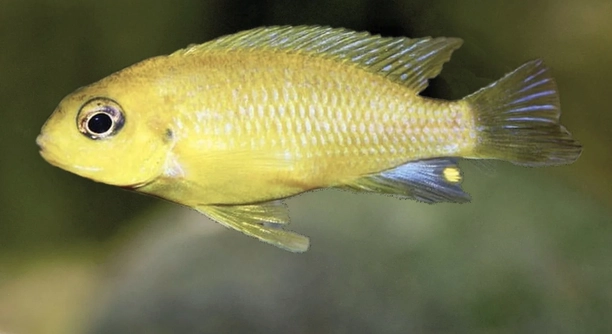
Do you have Electric Yellow Cichlids and are noticing changes when you adjust your aquarium lighting? Observing these fish can be fascinating, as they react subtly yet noticeably to shifts in brightness and color.
Electric Yellow Cichlids often exhibit changes in activity levels, color intensity, and hiding behavior when introduced to new lighting conditions. Gradual adjustments allow them to acclimate, while sudden light changes can induce stress or temporary behavioral alterations.
Understanding how these fish respond helps ensure a healthier, more comfortable environment for them. Proper lighting management can improve their well-being and enhance their vivid coloration over time.
Observing Behavioral Changes
When I first changed the lighting in my tank, I noticed my Electric Yellow Cichlids moving differently. Some swam closer to shaded areas, while others became more active near the brighter zones. Their color shifted slightly, becoming more intense under certain lights. These reactions are not random. Fish use light as a cue for activity, feeding, and security. Bright lighting can increase alertness and make them more visible, which can trigger both excitement and caution. On the other hand, dimmer light often encourages hiding and resting behaviors. Over time, the cichlids adapt, but sudden lighting changes can cause short-term stress. Observing them carefully helps gauge how they are coping. Feeding patterns may also be affected, as fish feel safer or more exposed depending on the lighting. Watching these small responses provides insight into their comfort levels. Adjusting the brightness gradually is key to minimizing stress and promoting natural behaviors, ensuring a balanced and healthy aquarium environment for them.
Gradual lighting changes allow the cichlids to adapt without showing signs of stress, ensuring stable behavior and overall health.
Keeping a close eye on their reactions to different lighting setups can reveal patterns. Noting which areas they prefer, how color shifts, and when they are most active helps fine-tune the tank environment. Consistent observation allows for better planning of light intensity and duration, promoting both well-being and vibrant appearance. Proper lighting not only affects behavior but also supports biological rhythms, influencing feeding, mating, and social interactions.
Adjusting Lighting for Comfort
Starting with soft lighting helps the cichlids settle in without causing panic or hiding excessively.
Lighting intensity and duration must be tailored to the species’ needs. Electric Yellow Cichlids thrive under moderate, consistent light that mimics natural conditions. Sudden bright or colored lights can cause stress, alter swimming patterns, and reduce feeding activity. Gradually increasing light over days or weeks allows them to acclimate. Placement of decorations and plants can create shaded zones, giving fish options to retreat. Observing their color changes is also informative, as more vivid hues generally indicate comfort and proper adaptation. Light cycles should match a natural day-night rhythm, which helps regulate activity levels. Overly long exposure to bright light may lead to fatigue or hiding, while too little light can dull coloration and reduce activity. By monitoring behavior closely, you can adjust both intensity and timing to maintain a healthy, visually appealing aquarium. Consistent lighting ensures that the cichlids remain active, colorful, and stress-free, ultimately supporting their long-term health and well-being.
Monitoring Stress Signals
Signs of stress in Electric Yellow Cichlids include hiding, rapid gill movement, and sudden color fading. Recognizing these early helps prevent long-term health issues and ensures the tank environment remains balanced.
Stress often appears when lighting changes too quickly. Fish may retreat behind rocks, cling to shaded areas, or show less interest in food. Sudden bright light can trigger these behaviors, while dim lighting may initially calm them but lead to lethargy if prolonged. Stress affects their immune system, making them more prone to illness. Observing patterns over days can indicate whether adjustments are needed, such as lowering intensity or creating more shaded areas. Lighting should mimic natural conditions as closely as possible, allowing them to regulate activity and rest cycles naturally. Proper monitoring ensures that the fish remain active, colorful, and healthy, while minimizing unnecessary stress.
Behavioral shifts like chasing, increased aggression, or repetitive swimming can also signal stress. Recording these changes and correlating them with lighting adjustments provides valuable insight for long-term care. Gradual modifications and consistent observation help maintain comfort. Over time, stress signs usually decrease when lighting matches their natural preferences.
Enhancing Color Through Light
Bright, consistent lighting can enhance the natural yellow hues of Electric Yellow Cichlids. Proper intensity highlights coloration without causing discomfort or stress.
The type and duration of light play key roles in color development. LED lights often produce vivid results while maintaining stable temperatures in the tank. Fluorescent or halogen options can also work but may require careful placement to prevent heat buildup. Observing fish under different lighting angles shows which setups bring out the most vibrant tones. Adjustments should be gradual, ensuring the fish remain comfortable while allowing their coloration to develop fully. Overly harsh or uneven lighting can create dull patches or stress-related color fading. Combining moderate brightness with shaded areas provides balance, supporting both health and visual appeal. Monitoring their reactions over weeks ensures optimal results and allows you to fine-tune light duration for daily cycles. This careful management supports long-term vibrancy while keeping the cichlids active and healthy.
Creating Comfortable Zones
Providing areas with varied light intensity helps Electric Yellow Cichlids feel secure. Plants, rocks, and ornaments create shaded spots for resting and reduce stress.
Zoning the tank also encourages natural behaviors. Fish can explore bright areas while retreating to shaded regions when needed, maintaining balance and comfort throughout the day.
Timing Light Exposure
Consistent light cycles regulate activity and rest. Electric Yellow Cichlids respond best to roughly ten to twelve hours of light daily, simulating natural conditions. Gradual transitions between light and dark periods prevent sudden stress. Maintaining a predictable schedule helps reduce hiding and aggression while promoting feeding, growth, and coloration. Monitoring their behavior over time ensures adjustments can be made if needed.
Avoiding Overexposure
Excessive lighting can cause fatigue, hiding, and dull coloration. Limiting intensity and duration maintains health and visual appeal.
How quickly should I adjust lighting for my Electric Yellow Cichlids?
Gradual changes are best. Sudden increases or decreases in brightness can stress the fish, causing hiding, color fading, or irregular swimming patterns. Start by altering light intensity in small increments over several days. Monitor their behavior closely to ensure they are comfortable before making further adjustments. Using a timer can help maintain consistent light periods, reducing stress and supporting natural activity cycles.
Can different types of lights affect their color?
Yes, light type plays a significant role in coloration. LED lights are often the most effective for enhancing yellow hues, while fluorescent lights can work if positioned properly. Avoid lights that emit excessive heat, as these can harm the fish. Observing the cichlids under different lighting setups helps determine which produces the most vibrant, natural color without causing stress. Balanced brightness and shaded zones ensure both health and visual appeal.
Is it normal for them to hide when the lighting changes?
Hiding is a natural response to new or bright light. Fish seek shaded or protected areas when they feel exposed. This behavior usually decreases as they acclimate. Providing plants, rocks, or other decor allows them to regulate exposure, reducing stress. Avoid making sudden light changes and maintain a consistent day-night cycle to help them adapt more comfortably.
How long should the lights be on each day?
Electric Yellow Cichlids do best with roughly ten to twelve hours of light daily. This mimics natural conditions and supports their biological rhythms. Gradual transitions between light and dark periods help prevent stress. Too little light can reduce activity and color vibrancy, while too much light may cause fatigue or hiding. Monitoring their behavior over time ensures the schedule meets their needs.
Can improper lighting affect their health?
Yes, improper lighting can lead to stress, poor feeding, and weakened immunity. Sudden brightness or prolonged exposure can cause hiding, aggression, or lethargy. Insufficient light may dull coloration and reduce natural behaviors. Properly timed and balanced lighting supports feeding, growth, and overall well-being. Consistent observation allows adjustments to maintain health and comfort.
Should I adjust lighting for breeding purposes?
Moderate, consistent lighting supports natural reproductive behaviors. Sudden changes can disrupt spawning or lead to stress. Maintaining light cycles that mimic natural daylight helps regulate activity and encourages mating behaviors. Shaded areas are essential, allowing fish to rest and feel secure during the breeding period. Gradual adjustments and observation are key to successful breeding under artificial lighting.
What signs indicate that lighting is too bright?
Bright lighting can cause color fading, hiding, rapid gill movement, or erratic swimming. Fish may cling to shaded areas or reduce feeding. Overexposure can also increase aggression or stress levels. Reducing intensity or providing more shaded zones helps the fish acclimate without compromising their health or coloration.
How can I create the best balance of light and shade?
Use decorations, plants, and rocks to form shaded areas while leaving open spaces with moderate brightness. This allows the fish to explore comfortably and retreat when needed. Gradual adjustments in intensity help them acclimate. Observing behavior patterns ensures that both bright and shaded areas meet their needs. Maintaining balance supports comfort, activity, and vibrant coloration.
Does water clarity affect how fish react to light?
Yes, clear water enhances light penetration, increasing brightness intensity perceived by the fish. Murky water can reduce the effect of lighting, sometimes prompting the fish to become more active or cautious. Regular water maintenance ensures lighting remains consistent and predictable, supporting both behavior and coloration.
Can changing the light schedule suddenly cause long-term problems?
Sudden changes in light schedules can disrupt natural activity cycles and feeding patterns, causing stress over time. Gradual adjustments with consistent intervals allow cichlids to adapt without long-term effects. Observation of behavior, color, and feeding ensures that any schedule changes maintain a healthy and stable environment.
Is there a preferred color temperature for their lights?
Lights with a neutral to slightly warm color temperature enhance yellow tones naturally. Extremely cool or blue-toned lights may distort color perception or cause stress. Testing different setups while monitoring behavior and coloration ensures optimal visual appeal and comfort. Gradual adjustments prevent sudden stress responses.
What should I do if the fish keep hiding despite adjustments?
Persistent hiding indicates stress or discomfort. Check light intensity, placement, and duration. Ensure shaded areas are available, and avoid sudden changes. Review tank decorations, water quality, and overall environment, as lighting is one factor in overall comfort. Gradual, consistent improvements usually reduce hiding over time.
Can lighting influence aggression in the tank?
Yes, overly bright or uneven lighting can increase territorial behavior or aggression. Fish may compete for shaded areas or become defensive in exposed spaces. Balanced light and shaded zones reduce stress and encourage more natural social interactions. Gradual adjustments and monitoring are essential to maintain harmony in the aquarium.
Does light affect their feeding behavior?
Electric Yellow Cichlids often feed more actively under moderate, comfortable lighting. Too bright or dim light can reduce appetite or cause them to hide during feeding times. Maintaining a predictable light schedule supports natural feeding patterns and ensures healthy growth and energy levels.
How do I know if my lighting setup is working?
Observe behavior, color intensity, and activity levels. Comfortable fish will explore the tank, show vibrant colors, and feed consistently. Stress indicators like hiding, erratic swimming, or dull coloration suggest adjustments are needed. Gradual changes and careful observation ensure long-term success in creating a healthy, visually appealing environment.
Can seasonal changes in lighting affect them?
Seasonal changes mimic natural variations in day length. Adjusting light duration gradually can help maintain biological rhythms. Abrupt changes, however, may cause stress or behavioral shifts. Observing fish reactions during these transitions ensures they remain active, healthy, and display optimal coloration throughout the year.
Is it necessary to use a timer for lighting?
Timers ensure consistency in day-night cycles, reducing stress caused by irregular schedules. Consistent lighting helps regulate activity, feeding, and rest. Gradual adjustments with a timer support natural behavior and maintain color vibrancy, creating a more stable and comfortable environment for Electric Yellow Cichlids.
Can reflection or external light sources affect the tank?
Yes, sunlight or room lights can change brightness levels unpredictably. Excessive reflections or direct sunlight may cause overheating or stress. Position the tank to minimize sudden light changes and maintain consistent internal lighting. Shaded areas inside the tank provide refuge when external light fluctuates unexpectedly.
How often should I reassess the lighting setup?
Regular observation is key. Weekly checks of behavior, coloration, and activity ensure the lighting remains appropriate. Adjustments may be needed with growth, changes in tank decor, or seasonal shifts. Consistent monitoring helps maintain comfort, health, and optimal coloration for Electric Yellow Cichlids.
Can improper lighting affect tank plants and decorations?
Yes, plants and decor can influence light distribution and intensity. Dense plants may create too much shade, while reflective surfaces can increase brightness. Balancing light exposure for both fish and plants ensures a comfortable environment and supports natural behaviors without causing stress.
Is dim lighting ever beneficial?
Dim lighting is useful during acclimation or for stressed fish. It allows them to explore safely without feeling exposed. However, prolonged low light can reduce activity and dull coloration. Gradually increasing brightness ensures fish regain normal behavior and vibrant appearance.
How should I handle multiple cichlids with different light preferences?
Create zones with varied brightness. Some fish may prefer shaded areas, while others explore brighter spaces. Observing interactions and behavior helps balance the setup. Gradual adjustments and monitoring ensure that all fish feel comfortable, minimizing stress and promoting healthy social dynamics.
What is the best way to introduce new lighting equipment?
Install new lights gradually, starting with lower intensity and short exposure periods. Observe fish behavior and adjust as needed. Avoid sudden, high-intensity lighting or extended duration. Gradual integration ensures comfort, reduces stress, and allows fish to adapt naturally to the new environment.
Can reflections from water movement affect fish comfort?
Yes, moving water can create shifting light patterns that may startle sensitive fish. Using diffuse lighting or placing decor strategically reduces harsh reflections. Observing reactions and adjusting the setup ensures fish feel secure while maintaining visibility and color vibrancy.
How do I prevent color fading under artificial light?
Balanced intensity, duration, and type of lighting are key. Avoid overexposure and provide shaded areas for relief. Regular observation of behavior, feeding, and color changes allows timely adjustments. Consistent care maintains vibrant yellow coloration while minimizing stress and promoting overall health.
Is it necessary to combine different light types?
Combining lights can enhance color and coverage but should be done carefully. Avoid extremes in brightness or color temperature. Gradual integration and monitoring ensure that fish remain comfortable, active, and visually vibrant without experiencing stress from conflicting light sources.
What adjustments are needed for nighttime viewing?
Low-intensity or blue-toned lights can allow observation without disturbing rest cycles. Avoid bright white lights at night, which can stress the fish and disrupt natural rhythms. Gentle nighttime lighting provides visibility while maintaining a healthy day-night balance.
How important is consistency in lighting schedules?
Consistency is crucial for regulating biological rhythms. Predictable light and dark periods reduce stress, support feeding, activity, and coloration, and prevent behavioral problems. Timers and gradual adjustments ensure a stable environment for long-term well-being.
Can lighting changes trigger aggression during feeding?
Yes, sudden brightness changes may increase competition for shaded or comfortable areas. Gradual adjustments and consistent schedules reduce tension. Observing behavior during feeding helps maintain harmony, allowing all fish to eat comfortably without unnecessary stress or conflict.
How do I handle lighting for older or weaker cichlids?
Older or less active fish may prefer shaded zones and lower intensity light. Gradual adjustments ensure they can regulate exposure and avoid stress. Observing their reactions allows fine-tuning of light intensity and duration to match their comfort level and maintain health.
Can aquarium background color affect perceived light intensity?
Yes, dark backgrounds can reduce perceived brightness, while light or reflective backgrounds may increase it. Adjust lighting accordingly to maintain consistent intensity, ensuring fish comfort, vibrant coloration, and natural behavior patterns.
What role does tank size play in lighting setup?
Larger tanks may require multiple light sources for even coverage, while smaller tanks need careful intensity management. Gradual adjustments and observation of fish behavior ensure consistent lighting and comfort across the entire tank.
Should I consider seasonal light adjustments?
Gradual changes to mimic seasonal daylight patterns support natural rhythms. Sudden adjustments can stress the fish, but slow modifications maintain activity, coloration, and overall well-being. Observing behavior ensures that seasonal adjustments benefit the fish without causing discomfort.
Can lighting affect water temperature significantly?
Some light types, especially halogen or high-intensity fluorescent, can raise water temperature. Monitor closely to prevent overheating. Using LED lights or adding shaded zones helps maintain consistent temperature and comfort for Electric Yellow Cichlids.
How do I prevent shadows from stressing the fish?
Shadows should be balanced with bright and shaded areas. Avoid sudden, harsh shadows caused by decor or external light sources. Gradual placement adjustments and observation ensure that shadows provide security without inducing stress.
What should I do if one cichlid reacts differently to lighting than others?
Individual differences are normal. Provide multiple zones and observe behavior. Adjust light gradually to accommodate all fish, ensuring each feels secure while maintaining optimal color and activity levels. Patience and careful monitoring are key.
How often should I clean or adjust lights?
Lights should be cleaned regularly to maintain brightness and even distribution. Adjust placement as tank decor changes. Consistent maintenance supports proper behavior, color, and comfort for the cichlids.
Can lighting affect algae growth in the tank?
Yes, excessive light can encourage algae growth. Moderate intensity and proper duration help balance fish health and plant growth while controlling unwanted algae. Observation and adjustments prevent overgrowth without stressing the fish.
What are signs that lighting adjustments are successful?
Fish show normal activity, feed regularly, display vibrant colors, and hide less. Balanced light and shaded areas contribute to overall health, comfort, and reduced stress. Regular observation confirms successful adaptation and allows fine-tuning if needed.
Are there specific light brands recommended for Electric Yellow Cichlids?
No brand is strictly necessary. Focus on light type, intensity, color temperature, and gradual adjustment. LEDs are often preferred for color enhancement and low heat. Observing fish response is more important than the brand itself.
Does tank decoration placement affect light distribution?
Yes, rocks, plants, and ornaments can create shaded zones or increase reflections. Adjust placement to ensure even coverage, comfortable hiding spots, and reduced stress while maintaining optimal coloration and behavior.
How do I balance plant growth and fish comfort with lighting?
Use moderate intensity lights that support plant photosynthesis while avoiding over-bright conditions for the fish. Creating shaded zones and monitoring behavior ensures both plants and cichlids thrive without stress or color fading.
Can too many lights confuse the fish?
Excessive or conflicting light sources may overwhelm the fish, causing hiding, erratic swimming, or stress. Gradual integration and observation ensure that multiple lights enhance color and comfort without creating discomfort.
Should I change lighting when introducing new cichlids?
Yes, gradual light adjustments help new fish acclimate without stress. Providing shaded areas and monitoring behavior ensures a smooth introduction and maintains harmony with existing tank mates.
How can I track the effectiveness of lighting changes?
Keep a log of behavior, feeding, hiding, and color changes. This helps identify patterns and determine whether adjustments improve comfort and appearance. Consistent observation ensures long-term success.
Can lighting impact social interactions in the tank?
Yes, uneven or harsh lighting can increase aggression or competition. Balanced light and shaded areas allow fish to interact naturally while minimizing stress and territorial disputes. Observation helps maintain harmony.
How do I prevent flickering lights from stressing the cichlids?
Use high-quality lights with stable output and avoid poorly maintained bulbs. Flickering can startle fish, reduce feeding, and induce stress. Regular checks and replacements prevent disruptions to behavior and comfort.
Does tank location in the room affect lighting needs?
Yes, ambient sunlight or nearby lamps can alter brightness levels unpredictably. Position the tank to minimize sudden changes and maintain consistent internal lighting. Shaded areas inside the tank provide refuge if external light fluctuates.
What is the safest way to increase light gradually?
Increase intensity in small steps over several days while observing fish behavior. Avoid sudden jumps. Timers and incremental adjustments help fish adapt comfortably and maintain normal behavior, feeding, and coloration.
Can different light angles influence their appearance?
Yes, light direction affects how colors are perceived and can highlight certain features. Adjust angles gradually to find the setup that enhances color while keeping fish comfortable and minimizing glare or stress.
Should I consider a dimming schedule?
Gradual dimming in the morning and evening simulates natural sunrise and sunset. This reduces stress, supports biological rhythms, and improves comfort. Sudden transitions should be avoided to prevent hiding or erratic swimming.
How do I manage lighting for nighttime tank viewing?
Use low-intensity or blue-toned lights to observe fish without disrupting sleep cycles. Avoid bright lights at night. Gentle illumination allows viewing while maintaining natural rest and minimizing stress.
Can lighting affect water chemistry indirectly?
Excessive light can raise temperature, influencing oxygen levels and chemical balance. Monitoring temperature and water quality ensures a stable, comfortable environment for the cichlids.
What adjustments are needed for different tank sizes?
Larger tanks may need multiple lights for even coverage, while smaller tanks require careful intensity control. Gradual adjustments and observation ensure all fish experience consistent lighting and comfort throughout the tank.
How do I maintain long-term lighting effectiveness?
Regular cleaning, monitoring, and occasional adjustments based on fish behavior ensure consistent performance. Gradual changes and careful observation keep the tank healthy, comfortable, and visually appealing over time.
Can lighting influence disease resistance?
Yes, consistent and appropriate lighting supports natural activity and feeding, indirectly boosting immunity. Stress from improper lighting can weaken defenses, so careful management is essential for maintaining overall health.
Should I vary lighting during special events or maintenance?
If adjustments are necessary, do so gradually. Sudden changes during cleaning or decoration rearrangement can stress the fish. Maintaining shaded areas and monitoring behavior reduces negative effects.
Is it helpful to observe cichlids at different times of day?
Yes, monitoring activity, color, and behavior throughout the day helps determine if lighting intensity and duration are suitable. Adjustments based on observations ensure comfort, natural behavior, and optimal coloration.
How does light penetration affect multi-level tank setups?
In tall or deep tanks, lower levels may receive less light. Use multiple light sources or reflective surfaces to ensure even distribution. Observing fish behavior at different depths ensures comfort and proper coloration throughout the tank.
Can lighting influence interactions with other species in a community tank?
Yes, uneven or harsh lighting may cause hiding, aggression, or reduced activity. Balanced light zones allow all species to interact naturally, reducing stress and maintaining healthy social dynamics.
How do I ensure lighting supports both fish and plant needs?
Moderate intensity and balanced duration support photosynthesis while preventing stress for fish. Shaded zones, gradual adjustments, and observation help both plants and cichlids thrive.
Can reflections from glass or ornaments create problems?
Yes, reflections can startle fish or create perceived intruders. Position lights and decorations carefully to reduce glare and shadows. Observation ensures the environment remains comfortable.
How do I know if a light replacement is needed?
Dim, flickering, or uneven lighting indicates replacement is necessary. High-quality, consistent output maintains color vibrancy, comfort, and behavior stability for Electric Yellow Cichlids.
Does water movement affect how lighting is perceived?
Yes, ripples and currents can create shifting patterns that may startle sensitive fish. Diffuse lighting or strategic decoration placement reduces sudden reflections, helping fish feel secure while maintaining visibility and color vibrancy.
How often should I re-evaluate the lighting setup?
Regular observation, especially after changes in tank layout, fish growth, or seasonal shifts, ensures lighting continues to meet the needs of all fish. Gradual adjustments maintain health, comfort, and visual appeal over time.
Can lighting influence breeding behavior?
Yes, moderate and consistent light supports natural reproductive behaviors. Sudden changes can disrupt spawning. Gradual adjustments and shaded areas encourage comfort and successful breeding in Electric Yellow Cichlids.
Is it important to maintain a natural day-night rhythm?
Yes, predictable cycles reduce stress, support feeding and activity, and promote vibrant coloration. Timers and gradual transitions help simulate natural conditions and ensure long-term well-being.
How do I prevent overheating from lights?
Monitor water temperature, avoid excessive high-heat bulbs, and use LED lights when possible. Shaded areas also help fish escape heat, maintaining comfort and health.
What role does light play in daily activity patterns?
Light signals wakefulness, feeding, and rest periods. Consistent, moderate lighting supports natural behavior, ensuring
Electric Yellow Cichlids respond to lighting in ways that can affect both their behavior and appearance. Proper management of light intensity, duration, and placement is essential for maintaining their health and comfort. Sudden changes in brightness can cause stress, leading to hiding, erratic swimming, or even color fading. By observing these responses closely, you can better understand what your fish need and make adjustments gradually. A well-planned lighting setup allows the cichlids to explore the tank freely, find shaded areas when needed, and display natural behaviors. This attention to lighting not only supports their physical health but also ensures that their vivid yellow coloration remains strong, enhancing the visual appeal of the aquarium. Consistent lighting routines are key to minimizing stress and promoting a stable, comfortable environment for the fish.
Gradual adjustments are particularly important when introducing new lighting or rearranging tank decorations. Changes should be made in small increments, allowing the fish to acclimate without sudden stress. Observation is crucial during this period, as it provides insight into how the cichlids are coping with the new conditions. Signs of discomfort, such as hiding, aggression, or reduced feeding, indicate that adjustments may be too rapid or intense. Providing a mix of bright and shaded zones ensures the fish can regulate their exposure according to preference, helping maintain normal activity patterns. Proper light cycles, typically around ten to twelve hours per day, simulate natural day-night rhythms, which support feeding, rest, and social interactions. Over time, consistent care and monitoring result in healthier, more active, and visually vibrant fish.
Lighting also interacts with other aspects of tank care, such as water quality, temperature, and plant growth. Properly balanced lighting encourages natural behaviors while avoiding overexposure that can lead to fatigue or stress. It is equally important to maintain shaded areas and consider the placement of decorations, plants, and reflective surfaces to create a comfortable, visually appealing environment. Regular maintenance of lights, including cleaning and monitoring output, ensures they continue to perform effectively. Observing your cichlids throughout the day and noting any changes in behavior or color helps guide decisions about intensity, duration, and positioning. By paying close attention to these factors, you can create a well-lit, harmonious aquarium that promotes long-term health, natural behavior, and the striking coloration that makes Electric Yellow Cichlids such a popular choice among fish keepers.

Hello,
If you enjoy the content that we create, please consider saying a "Thank You!" by leaving a tip.
Every little bit helps us continue crafting quality advice that supports the health, happiness, and well-being of pets around the world, for pets of all shapes, sizes, and species.
We really appreciate the kindness and support that you show us!