
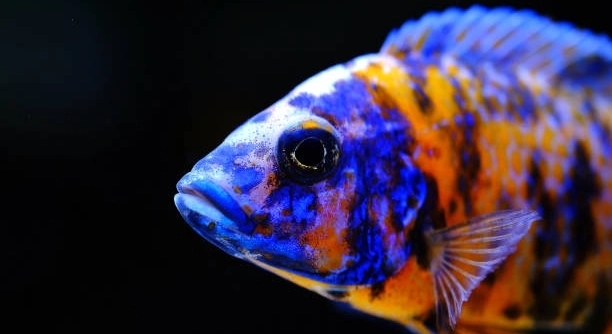
Have you ever noticed your cichlid moving sand and creating a large pit in its tank? Watching this behavior can be surprising, especially when the fish seems focused on rearranging its entire environment repeatedly.
Your cichlid digs pits primarily as a natural behavior related to territory and breeding. This activity allows the fish to create a secure area, display dominance, and sometimes prepare a site for laying eggs, reflecting instincts observed in wild populations.
Observing this digging can reveal important insights into your fish’s needs and tank dynamics, helping you provide a healthier and more comfortable environment.
Reasons Behind Cichlid Digging
Cichlids are naturally active and territorial fish. In a tank, digging helps them mark their space and feel secure. Many species will move gravel or sand to build a comfortable area. This behavior is most noticeable when they are preparing for breeding, as pits can act as nests. Even if your fish isn’t ready to breed, digging can occur simply to explore or reorganize its environment. Some cichlids push substrate to find hidden food or to create a preferred texture in their tank. Over time, this behavior can reshape the aquarium floor, creating hills, pits, and uneven surfaces. While it may seem excessive, it’s a normal instinct that keeps them engaged and stimulated. Observing these movements gives you insight into your cichlid’s mood, health, and readiness to interact with its surroundings. Providing enough space and proper substrate can reduce stress while supporting natural digging tendencies.
Digging is a normal activity that reflects a cichlid’s territorial instincts and need for stimulation in a tank environment.
Not all digging is destructive. Some cichlids carefully choose specific areas to create a pit, leaving other regions untouched. Watching where they dig can tell you about their preferred zones.
How to Manage a Digging Cichlid
While digging is natural, it can disrupt decorations, plants, and filtration systems. Tank owners often need to plan the layout to accommodate this behavior. Using heavier rocks, anchoring plants, or selecting sand over gravel can help maintain structure. Allowing enough floor space reduces conflict and gives the cichlid freedom to dig without causing damage. Some fish may dig more when they feel crowded, so stocking the tank appropriately is essential. Observing the frequency and intensity of digging helps determine if adjustments are needed. Consistent feeding schedules and hiding spots can also redirect energy from excessive substrate movement. Monitoring tank water quality is important, as disturbed substrate can release debris or alter chemical balance. By understanding why and how your cichlid digs, you can create a stable, healthy environment that satisfies both its instincts and your aquarium setup. Proper management ensures your fish thrives while minimizing stress on both the fish and the tank.
Substrate Choices and Tank Setup
The type of substrate affects how easily a cichlid can dig. Sand is preferred because it’s soft and easy to move. Gravel can be heavier, making digging slower, but some cichlids enjoy the challenge. Proper substrate helps keep your fish active and healthy.
Sand allows cichlids to dig freely, create pits, and rearrange their space without injury. It also makes it easier to clean uneaten food and waste. Lighter substrates reduce the risk of strained fins or accidental ingestion of sharp pieces. Providing a deep layer encourages natural digging, letting your fish satisfy instincts safely. Substrate choice can influence behavior patterns, breeding activity, and even tank aesthetics, so consider the species’ preferences carefully.
Decorations, rocks, and plants should be positioned to support digging habits. Heavier objects prevent accidents, while live plants with strong roots survive occasional rearrangements. Creating open areas gives your fish room to explore and dig without obstruction, making the environment more enriching. Over time, your cichlid’s interaction with the substrate becomes a sign of its comfort and adaptation to the tank, offering both entertainment and insights into its well-being.
Feeding and Digging Behavior
Cichlids often dig while searching for food hidden in the substrate. Scattering food encourages natural foraging behavior.
Some cichlids instinctively bury or uncover food during feeding. This digging is not aggressive but a survival trait inherited from wild habitats. Regular feeding routines reduce stress and prevent frantic digging caused by hunger. Observing how your fish interacts with food and substrate can help you adjust portion sizes, feeding frequency, and tank layout. Providing sinking pellets or frozen foods can satisfy the fish while limiting mess. For cichlids that dig excessively, hiding small amounts of food in designated spots can redirect energy toward controlled foraging. Monitoring these behaviors ensures your fish stays healthy, active, and stimulated without causing unnecessary disruption to the tank environment.
Signs Your Cichlid Is Preparing to Breed
Digging often increases when a cichlid is ready to breed. The pit becomes a nesting site for eggs.
You may notice your fish defending the area more aggressively. The digging is purposeful, creating a safe and clean spot for laying eggs.
Monitoring Aggressive Behavior
Some digging behaviors coincide with territorial aggression. Fish may chase tank mates or rearrange decorations to assert dominance. Watching interactions closely can help identify when aggression is linked to breeding or stress. Maintaining proper space and hiding spots reduces conflicts.
Tank Maintenance Tips
Regular cleaning is essential because digging stirs up debris. Substrate and filter maintenance prevent water quality issues.
Using Plants to Control Digging
Strong-rooted plants can limit excessive substrate movement. They provide shelter and reduce the impact of constant digging.
FAQ
Why is my cichlid digging constantly?
Cichlids dig constantly because it is a natural behavior. They may be marking territory, searching for food, or preparing a nesting site. Even without breeding intentions, digging keeps them active and helps satisfy instincts inherited from their wild habitats. Providing a soft substrate like sand and enough tank space reduces frustration and allows your fish to engage in natural behaviors safely.
Is pit digging harmful to my cichlid?
Pit digging is usually not harmful. Most injuries occur when decorations or heavy rocks are not secured, leading to accidents. Monitoring your tank layout and providing safe materials for digging prevents risks. Digging is a sign of a healthy, active cichlid rather than a behavioral problem.
Can I stop my cichlid from digging?
Completely stopping digging is not recommended. It is a natural instinct that supports mental stimulation and physical health. Instead, you can manage the behavior by arranging the tank with heavier decorations, open areas for digging, and strong-rooted plants to reduce substrate disruption.
Does digging indicate breeding behavior?
In many cases, yes. Increased digging often signals that a cichlid is preparing a nesting site. This is usually accompanied by territorial displays, such as chasing tank mates or guarding a specific area. Observing patterns of digging along with these behaviors helps identify breeding readiness.
Why does my cichlid rearrange plants while digging?
Cichlids move plants while digging to clear space or create shelter. Rooted plants can be displaced as the fish builds pits. Using strong-rooted plants or securing them with rocks or substrate prevents them from being uprooted while still allowing your fish to dig safely.
How can I minimize tank mess from digging?
To reduce mess, use deep sand as substrate and anchor heavy decorations. Frequent spot cleaning and a good filtration system help maintain water quality despite constant substrate movement. Offering controlled feeding and designated digging zones also keeps debris contained.
Is digging linked to stress or boredom?
Excessive digging can sometimes indicate stress or boredom, especially in small or overcrowded tanks. Ensuring adequate space, hiding spots, and enrichment like rocks or caves satisfies your cichlid’s instincts and reduces destructive behaviors. Watching for changes in appetite or aggression can signal stress levels.
Can tank mates affect digging behavior?
Yes. Aggressive or territorial tank mates may trigger more digging. Cichlids may dig to assert dominance or create a private area. Proper stocking ratios and compatible species reduce stress-induced digging and help maintain a balanced environment.
How deep should substrate be for digging?
A layer of 2–4 inches of sand is usually sufficient for most cichlids. Deeper substrate allows natural digging without causing excessive mess or damage. Adjust depth depending on species size and behavior to give your fish a safe, stimulating environment.
Do all cichlid species dig pits?
Not all species dig the same way, but most cichlids show some digging tendencies. Species from sandy or river habitats are more prone to building pits. Observing your fish’s natural preferences helps tailor tank setup to match instincts and support overall health.
Can digging affect water quality?
Yes. Frequent digging stirs up substrate, releasing debris and affecting filtration efficiency. Regular water changes, cleaning, and adequate filter capacity prevent water quality issues while allowing natural digging behaviors to continue safely.
Should I worry if my cichlid digs near the filter?
Digging near the filter can clog intake or scatter debris. Ensure the filter is properly shielded or placed in a position that prevents interference while still maintaining strong water circulation for a healthy tank.
Are there ways to redirect digging?
Yes. You can hide food in certain areas, provide piles of sand or rocks for digging, and create zones where substrate movement is encouraged. This satisfies natural instincts while keeping plants and decorations safe.
Does breeding digging require special care?
During breeding, pits should remain undisturbed. Stress from tank mates or sudden changes can lead to egg loss or aggression. Providing extra hiding spots, monitoring water conditions, and observing interactions carefully supports successful breeding and reduces conflicts in the tank.
How long do digging behaviors last?
Digging can be constant or periodic, depending on species, age, and breeding cycles. Some cichlids dig most of the day, while others only during breeding or feeding times. Understanding your fish’s habits helps in planning tank setup and maintenance.
Can digging damage decorations?
Yes, loose rocks or delicate ornaments can be moved or broken. Using heavier items, anchoring decorations, and designing safe digging areas protect both your fish and the tank interior. Monitoring behavior ensures long-term safety and reduces maintenance needs.
Is digging more common in certain tank sizes?
Smaller tanks can amplify digging because fish have less room to express natural behaviors, leading to stress or destructive digging. Larger tanks provide space for movement, territorial marking, and pit building without frequent conflicts or excessive substrate disruption.
How does age affect digging?
Juvenile cichlids dig less aggressively, but as they mature, territorial instincts strengthen and pit-building becomes more pronounced. Observing age-related behavior helps in tank planning, decoration placement, and anticipating breeding activity.
Can substrate type prevent over-digging?
Substrate type influences effort but cannot stop natural digging. Sand promotes safer, easier digging, while gravel slows activity. Proper depth, substrate choice, and enrichment elements reduce mess and support instinctive behaviors without suppressing your cichlid’s needs.
How to balance digging with planted tanks?
Strong-rooted plants, anchored decorations, and open digging zones help balance plant survival with natural behaviors. Some aquascaping techniques allow cichlids to dig freely without uprooting plants, creating a dynamic yet stable tank environment.
Can excessive digging indicate health issues?
Occasionally, abnormal digging may signal illness, stress, or discomfort. Changes in appetite, color, or energy levels combined with persistent digging warrant closer observation or consultation with an aquatic specialist to rule out underlying problems.
Does water flow affect digging habits?
High water flow can discourage digging by moving substrate constantly, while calm areas encourage pit building. Adjusting flow patterns helps provide zones for both resting and natural digging activities without interfering with filtration or oxygenation.
How to encourage safe digging in a community tank?
Designated digging zones, hiding spots, and compatible tank mates help redirect energy safely. Providing multiple areas with sand and shelters reduces territorial disputes and ensures all fish can express natural behaviors without stress or conflict.
Can digging improve mental stimulation?
Yes. Digging engages cichlids physically and mentally, mimicking natural foraging and territorial behaviors. Offering opportunities for controlled digging reduces boredom and promotes overall well-being, keeping fish active and healthy over time.
What signs show digging is excessive?
Excessive digging may uproot plants constantly, displace decorations, or stress tank mates. Observing frequency, intensity, and changes in behavior helps determine if adjustments to tank setup, enrichment, or feeding are needed to maintain a healthy environment.
Is there a connection between diet and digging?
A balanced diet reduces frantic substrate searching for food. Cichlids that are underfed or receive inconsistent meals may dig more intensely in search of hidden food particles. Regular feeding schedules and appropriate nutrition help moderate digging behavior naturally.
How does lighting affect digging activity?
Cichlids may dig more during brighter periods or when activity peaks. Dim or natural light cycles help regulate behavior, providing periods of rest while maintaining active digging routines during daylight or feeding times.
Can seasonal changes influence digging?
Changes in temperature, light, or tank conditions can slightly alter digging frequency. Seasonal adjustments, like mimicking natural light cycles or temperature stability, support consistent behavior patterns without causing stress or abnormal digging habits.
Are there ways to document digging patterns?
Observing and noting the time, location, and intensity of digging helps track behavior trends. This can guide tank adjustments, feeding routines, and breeding preparations while offering insights into your cichlid’s health and preferences.
How to keep decorations safe long-term?
Use heavy or anchored objects, avoid fragile materials, and create open digging zones. Regular inspection ensures stability and prevents accidental injuries while maintaining an environment that accommodates natural cichlid behavior.
Does tank shape matter for digging?
Longer, wider tanks provide more space for pit building and territorial marking. Compact tanks may increase substrate disturbance and stress. Considering tank dimensions alongside species habits supports a healthy balance between natural behaviors and environmental stability.
Can digging be redirected into enrichment activities?
Yes. Scatter feeding, buried treats, and designated digging areas engage your fish mentally and physically. Providing toys, rocks, and open spaces satisfies instincts without causing excessive disruption to the tank setup.
Do cichlids stop digging when satisfied?
Digging intensity can decrease after territory is established, pits are built, or food is consumed. Observing patterns helps identify when activity is instinct-driven versus stress-related, guiding adjustments to the tank environment or feeding schedule.
How long should I observe before making changes?
Monitoring behavior for a few weeks provides a clear picture of normal patterns. Sudden or continuous changes may indicate stress, overcrowding, or health issues. Gradual adjustments based on consistent observation ensure effective, safe management of digging behaviors.
Is there a preferred substrate grain size for digging?
Fine sand allows safe, effortless digging. Larger grains or gravel slow activity and can be harder to move. Choosing a substrate suited to your species encourages natural behaviors while minimizing risk of injury or ingestion of sharp particles.
Can digging impact tank filtration efficiency?
Yes, stirred substrate can release debris, making filtration more challenging. Ensuring adequate filter capacity, regular cleaning, and proper tank layout maintains water quality while supporting frequent digging behaviors.
Do cichlids dig more in larger tanks?
Larger tanks often encourage natural digging by providing space for pit building and exploration. Adequate floor area reduces conflicts and stress, allowing multiple areas for territorial and foraging behaviors without excessive disturbance of decorations or plants.
Can substrate color affect digging intensity?
Some cichlids may prefer lighter or darker substrates for visibility and contrast when searching for food or eggs. While not a major factor, color can influence comfort levels and engagement in digging activity.
Are there species that rarely dig?
Some cichlid species, especially those from rocky or low-sand habitats, dig less frequently. Understanding the specific habits of your species helps design the tank for natural behavior while protecting plants and decorations.
How to maintain a balance between digging and planted areas?
Create zones for digging and anchor plants in areas less likely to be disturbed. This approach supports both natural behaviors and a visually stable, healthy tank. Rotating enrichment areas or providing artificial caves can further protect plants while encouraging digging in controlled spaces.
Does water temperature affect digging frequency?
Higher temperatures can increase activity, including digging, while cooler water may slow behavior. Maintaining a stable, species-appropriate temperature helps regulate energy levels and supports healthy, predictable digging habits.
How can I tell if digging is causing stress to other fish?
Signs include increased hiding, aggression, or avoidance behaviors from tank mates. Adjusting tank layout, creating separate territories, and monitoring interactions ensures digging does not negatively impact the community.
Are there benefits to allowing natural digging?
Yes. Digging provides mental stimulation, exercise, and environmental enrichment. It supports breeding behaviors and reduces boredom, contributing to overall health and well-being in captive cichlids.
Can substrate depth encourage or discourage digging?
Deeper sand allows thorough pit building and natural digging, while shallow layers may limit activity. Matching depth to species size and behavior ensures safety, satisfaction, and minimal tank disruption.
Is digging more frequent in younger cichlids?
Younger fish often dig less intensely but may explore the substrate. As they mature, territorial and breeding instincts increase activity levels, making pit building more pronounced and purposeful.
How to safely observe digging behavior?
Keep a close eye on substrate movement, fish interactions, and pit formation. Avoid sudden changes, and document patterns to understand your cichlid’s instincts, preferences, and needs while ensuring a safe tank environment.
Can frequent digging damage filter intakes?
Yes, stirred debris may clog filters if intakes are unprotected. Using guard screens or repositioning filters prevents interruptions while maintaining proper water circulation and quality.
Does digging affect plant growth?
Unsecured plants can be uprooted, but strong-rooted or anchored species remain safe. Creating designated digging zones protects sensitive plants while allowing natural fish behaviors.
How to balance digging with breeding readiness?
During breeding, ensure pits remain undisturbed, tank mates are compatible, and environmental conditions are stable. This supports healthy egg laying and reduces stress on territorial fish.
Are there enrichment tools for digging cichlids?
Yes. Sand piles, artificial caves, and hidden food encourage digging in controlled areas. Rotating enrichment tools prevents boredom while minimizing damage to plants or decorations.
Can digging affect water clarity?
Stirred substrate increases suspended particles, reducing clarity temporarily. Regular cleaning, proper filtration, and designated digging zones help maintain water quality while allowing natural behaviors.
Does tank cover influence digging activity?
Open tanks may increase activity, while lids that reduce light or movement can calm fish. Proper balance of cover and open space supports natural behaviors without causing stress.
Can digging behavior be used to predict health issues?
Sudden changes, excessive intensity, or lethargic digging may indicate illness, stress, or environmental problems. Careful observation combined with water testing helps identify underlying issues early.
Is digging behavior inherited?
Yes, it is instinctual. Even captive-bred cichlids exhibit pit building, territorial marking, and substrate rearranging due to inherited wild behaviors. Providing an environment that supports these instincts improves well-being and mental stimulation.
Do cichlids dig more during feeding?
Yes, substrate digging often coincides with feeding. Fish may search for scattered or buried food, combining instinctive foraging with physical activity. Consistent feeding schedules reduce frantic digging while still satisfying natural behaviors.
Can digging influence tank decorations over time?
Yes. Continuous movement of substrate and occasional displacement of objects can alter the tank layout. Using anchored decorations and designating digging areas preserves both aesthetics and safety.
Does social hierarchy impact digging frequency?
Dominant fish often dig more to assert territory. Subordinate fish may dig less or avoid areas controlled by others. Proper tank stocking and sufficient space reduce conflicts and maintain balance.
Are there ways to observe digging without disturbing the fish?
Yes. Watch from a distance, record behavior, or use cameras for monitoring. Avoid tapping glass or sudden movements, which can stress fish and alter natural behaviors.
How does age and size affect pit building?
Larger, mature cichlids create bigger, more defined pits. Younger or smaller fish dig smaller areas, reflecting growth, strength, and developing territorial instincts.
Can seasonal feeding changes affect digging?
Yes. Adjusting diet or feeding frequency may temporarily increase digging. Maintaining consistent routines and sufficient nutrition reduces unnecessary substrate activity.
Do different cichlid species dig differently?
Yes. Sand-dwelling species dig extensively, while rock-dwelling types may move small stones or rearrange rocks. Observing species-specific tendencies guides tank setup, substrate choice, and enrichment strategies.
How to prevent accidental ingestion of substrate?
Using fine sand and monitoring feeding reduces risk. Avoid sharp gravel and ensure food is appropriately sized. Providing enrichment zones also distracts fish from accidental ingestion.
Does water chemistry influence digging?
Unstable pH, hardness, or ammonia levels can stress fish and alter digging behavior. Maintaining stable, species-appropriate water parameters supports natural activity without health risks.
Can digging help with mental stimulation?
Yes. Pit building, substrate rearrangement, and foraging provide mental engagement. Allowing these behaviors reduces boredom, promotes natural instincts, and improves overall well-being.
Should I change tank layout if digging is excessive?
Reorganizing substrate, anchoring decorations, and creating designated digging zones can reduce damage without suppressing instincts. Adjust gradually to observe how your cichlid adapts.
Is digging a sign of happiness or stress?
Normal digging reflects mental stimulation, instinct expression, and comfort. Excessive or frantic digging may indicate stress, overcrowding, or environmental issues that need addressing.
How to track digging behavior over time?
Keep a log of frequency, location, and intensity. This helps identify normal patterns, triggers for stress, and breeding readiness, supporting better tank management.
Does the size of the pit indicate dominance?
Often, larger pits signal territorial control or breeding readiness. Observing pit size relative to other fish helps understand social hierarchy and environmental preferences.
Are artificial substrates effective for digging?
Some artificial substrates allow safe digging, but natural sand is usually preferred. Ensure substrate is free of sharp edges and non-toxic, providing realistic texture and support for instinctive behavior.
How often should I adjust decorations for digging cichlids?
Minor adjustments are fine when maintaining safety or accommodating growth. Frequent large changes can stress territorial fish. Balance stability with enrichment to support natural behaviors.
Does digging behavior differ between male and female cichlids?
Males often dig more intensely to assert territory and attract mates. Females may also dig, particularly when preparing for spawning, but activity is usually less pronounced.
Can digging indicate water quality issues?
Abnormal digging combined with lethargy, color changes, or gasping may signal poor water quality. Regular testing and maintenance prevent health risks while supporting natural behavior.
Are there tools to measure digging impact on substrate?
Observation logs, depth measurements, and video recordings help track substrate movement, pit depth, and affected areas. This information guides tank management and enrichment adjustments.
Can digging disrupt filtration over time?
Yes. Continuous substrate disturbance may release debris and clog filters. Regular cleaning, protective screens, and proper filter placement maintain efficiency and water quality.
How to make digging safe for plants and decorations?
Use deep sand, anchor heavy objects, and create open zones for digging. Rotating enrichment areas and protecting delicate plants reduce accidental uprooting while allowing natural behavior.
Does tank shape or layout influence digging patterns?
Yes. Long, open tanks allow pit building and territorial marking. Compact tanks may increase substrate disturbance and stress. Planning layout with digging zones improves behavior balance and overall tank health.
Can digging behavior affect breeding success?
Proper pit building supports egg laying and territorial defense. Disturbances or stress from other fish or improper layout may reduce breeding success. Maintaining stable conditions ensures reproductive behaviors proceed naturally.
How to balance digging with planted tanks?
Anchor plants, use strong-rooted species, and provide open areas for pit building. Artificial caves or decoration zones can satisfy digging instincts while protecting sensitive plants and maintaining aesthetics.
Are there enrichment strategies specifically for digging cichlids?
Yes. Hidden food, sand piles, artificial caves, and designated digging zones engage fish mentally and physically, providing stimulation without disrupting plants or decorations.
**Does digging help reduce boredom in captive cichlids
Final Thoughts
Watching a cichlid dig can be both fascinating and a little frustrating. It is natural for these fish to move substrate, create pits, and rearrange decorations. Digging is a normal behavior that shows your fish is active, healthy, and expressing instincts inherited from its wild environment. Even though it may sometimes make a mess in the tank, this activity is important for the fish’s mental and physical stimulation. By observing how your cichlid interacts with the substrate and other tank elements, you can gain insight into its comfort, mood, and readiness for breeding. Understanding that digging is not a sign of misbehavior, but a natural part of cichlid life, helps you adjust the tank setup in ways that support these instincts.
Managing digging requires some planning and care. Choosing the right substrate, such as soft sand, allows the fish to dig safely without risking injury. Providing anchored plants and heavier decorations helps prevent damage while still leaving open areas for the fish to explore and create pits. Tank size is also important; giving a cichlid enough space reduces stress and makes digging less disruptive to other fish. Feeding routines and hiding spots can redirect energy into safe and controlled digging, while maintaining water quality ensures that disturbed substrate does not negatively affect the aquarium. Watching patterns of digging, such as increased activity during feeding or breeding periods, helps in making adjustments that balance natural behaviors with tank maintenance. Over time, these small changes make the environment more comfortable and satisfying for your fish.
Finally, digging should be seen as a part of your cichlid’s life rather than a problem to fix. Providing an environment that accommodates these instincts, while protecting plants, decorations, and water quality, results in a healthier, happier fish. Monitoring your cichlid’s behavior, observing its interactions with the tank and other fish, and making gradual adjustments based on what you see will support long-term well-being. Digging also offers a way to better understand your fish’s personality, preferences, and breeding readiness. With careful management and attention, you can create a tank that allows your cichlid to express natural behaviors safely and enjoyably. Recognizing and respecting these instincts is key to maintaining balance in the aquarium and ensuring your fish thrives over time.

Hello,
If you enjoy the content that we create, please consider saying a "Thank You!" by leaving a tip.
Every little bit helps us continue crafting quality advice that supports the health, happiness, and well-being of pets around the world, for pets of all shapes, sizes, and species.
We really appreciate the kindness and support that you show us!