
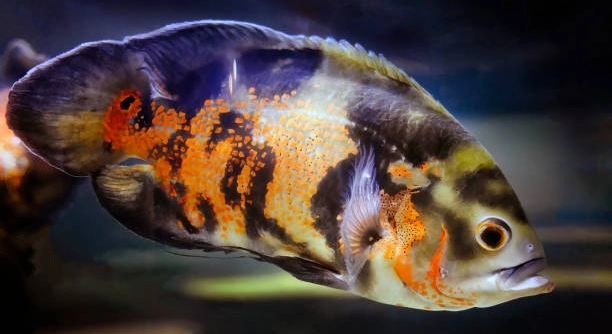
Convict cichlids are popular freshwater fish known for their bold personalities and vibrant colors. Keeping them in a community tank can be challenging, especially when selecting tank mates that are safe and compatible with their temperament.
Choosing safe dither fish for convict cichlids involves selecting species that are fast, non-aggressive, and able to coexist without triggering territorial behavior. Suitable options include small tetras, danios, rainbowfish, and peaceful livebearers that occupy different tank levels.
Proper tank planning ensures harmony among all inhabitants, promoting a healthier and more visually appealing aquarium environment. The right choices can reduce stress and encourage natural behaviors.
Best Small Schooling Fish for Convict Cichlids
Small schooling fish are excellent dither choices for convict cichlids because they are active, occupy the upper levels of the tank, and reduce aggression by providing visual stimulation. Species such as neon tetras, cardinal tetras, and harlequin rasboras are ideal because they are quick swimmers and tend to avoid direct confrontation. Their bright colors also add contrast against the cichlids’ more muted tones, creating a dynamic aquarium scene. Properly sized schools, usually six or more, help these fish feel secure and maintain natural behavior, which keeps the tank environment balanced. When selecting schooling fish, it’s important to consider water parameters such as pH and temperature, ensuring they align with the cichlids’ requirements. Providing plants or open swimming space enhances their comfort and helps reduce stress. Observing interactions over time ensures the cichlids are not overly aggressive while the dither fish maintain their confidence. This careful planning leads to a peaceful and visually appealing tank.
Small schooling fish encourage natural behaviors in convict cichlids while keeping the tank active and lively.
Adding schooling fish can help reduce territorial disputes and keep the cichlids engaged. Watching them interact creates a more natural environment and ensures healthier, less stressed fish. Careful monitoring allows adjustments if aggression increases, maintaining harmony in the tank.
Peaceful Mid-Level Swimmers
Mid-level swimmers are suitable for filling the middle regions of the aquarium, keeping convict cichlids distracted and balanced. Species like platies, mollies, and small rainbowfish are ideal because they swim at mid-depths and remain generally non-aggressive.
Choosing peaceful mid-level swimmers requires attention to tank size and swimming space. These fish are active and social, which keeps cichlids occupied and reduces focus on territorial disputes. Platies and mollies adapt well to similar water conditions, including temperature and pH ranges, making them compatible with convict cichlids. They are hardy, requiring minimal intervention beyond routine feeding and maintenance. Introducing these species in groups strengthens their security, as solitary fish may become stressed or hide excessively. Observing daily interactions helps ensure the cichlids do not harass them. Adding plants, rocks, or decorations provides hiding spaces, which encourages natural behaviors and creates vertical layering in the tank. Over time, peaceful mid-level swimmers contribute to a balanced, visually dynamic aquarium where all species coexist with minimal stress.
Bottom-Dwelling Tank Mates
Bottom-dwelling fish can coexist with convict cichlids if they are non-aggressive and fast enough to avoid conflicts. Corydoras catfish and kuhli loaches are excellent options, staying near the substrate while cleaning leftover food.
Corydoras catfish are peaceful, social, and thrive in groups of at least four. They scavenge the tank floor, helping maintain cleanliness while avoiding territorial disputes with convict cichlids. Kuhli loaches are slender, nocturnal swimmers that occupy crevices and hide during daylight, making them ideal for keeping the lower tank area active without provoking aggression. Both species prefer soft substrate to protect their sensitive barbels, and they enjoy occasional shelters like driftwood or rocks. Regular observation ensures that cichlids do not chase or corner them. Proper feeding routines and water quality support healthy coexistence, reducing stress for all tank inhabitants.
Bottom dwellers add movement and activity to the lower tank levels, complementing mid and upper-level fish. Their presence balances the aquarium and reduces boredom in convict cichlids, encouraging natural behaviors.
Hardy Livebearers
Livebearers are suitable companions due to their quick reflexes and peaceful nature. Platies, guppies, and mollies provide color and constant motion in the tank.
These fish adapt well to a range of water conditions and tolerate moderate aggression from convict cichlids. They breed easily, which can be an advantage or a consideration depending on tank management. Introducing them in small groups reduces stress and encourages natural schooling behavior. Platies and guppies prefer open swimming space, while mollies enjoy hiding spots among plants. Careful feeding ensures cichlids do not dominate meals, and routine monitoring prevents bullying. Over time, their activity levels stimulate cichlids and create a lively, balanced tank environment.
Livebearers maintain consistent movement across the tank, drawing attention away from territorial disputes. Their bright colors enhance visual appeal, and their peaceful behavior minimizes conflict with convict cichlids, supporting a stable aquarium ecosystem.
Fast-Swimming Upper-Level Fish
Danios and rasboras are excellent for the upper levels of the tank. Their speed and agility help them avoid conflicts while keeping convict cichlids visually engaged.
These fish are hardy and tolerate a range of water conditions. They move constantly, creating a dynamic environment and reducing aggression from territorial cichlids.
Small Rainbowfish
Small rainbowfish add color and energy without provoking convict cichlids. They prefer open swimming space and thrive in groups, which keeps them confident and active. Their bright hues complement the tank’s appearance while encouraging natural behaviors among all inhabitants.
Snail and Shrimp Additions
Snails and larger shrimp can coexist if cichlids are well-fed and distracted. They help clean the tank floor while avoiding direct competition for space or resources.
FAQ
Which fish are safest as dither companions for convict cichlids?
The safest options are small, fast, and non-aggressive species that occupy different levels of the tank. Schooling tetras, danios, platies, mollies, and small rainbowfish are ideal because they keep moving and avoid confrontation, reducing stress for the cichlids.
How many dither fish should I add to the tank?
Adding groups of at least four to six schooling fish is recommended. More fish can create confidence in their movements, keep them active, and help balance the tank’s social dynamics. This also reduces the chance of them being harassed by the cichlids.
Will dither fish prevent aggression completely?
Dither fish help minimize aggression but cannot eliminate it entirely. Convict cichlids are territorial, especially during breeding. Observing interactions and providing hiding spaces for both cichlids and dither fish ensures that stress levels remain low.
Are there specific tank sizes needed for these combinations?
A minimum tank size of 30 gallons is suggested when combining convict cichlids with dither fish. Larger tanks provide more swimming space, reduce territorial conflicts, and allow each species to occupy preferred levels comfortably.
Can snails or shrimp survive with convict cichlids?
Larger snails and adult shrimp can coexist if cichlids are well-fed and distracted. They usually stick to hiding spaces or move slowly along the substrate. Smaller or juvenile shrimp may be eaten if cichlids are aggressive.
Do water conditions matter when adding dither fish?
Yes, matching water temperature, pH, and hardness is essential. Convict cichlids tolerate 72–82°F and a pH of 6.5–8.0. Most schooling tetras, danios, and platies share these parameters, but it’s important to check each species individually before introducing them.
How can I introduce dither fish safely?
Introduce them gradually, preferably after cichlids are established. Using a drip acclimation method helps reduce stress. Observing the first interactions closely ensures that no fish are being bullied, and any aggressive behavior can be managed promptly.
Should I feed dither fish differently than cichlids?
Yes, they may require smaller or more frequent meals since cichlids can dominate feeding areas. Providing food at multiple points in the tank ensures that all species get enough nutrition without competition causing stress.
Do plants or decorations help in a community tank?
Absolutely. Hiding spaces, driftwood, and plants create vertical and horizontal layers in the tank. This gives dither fish areas to feel secure and allows cichlids to establish territories without constant confrontation, leading to a more balanced and peaceful aquarium.
How can I tell if my dither fish are stressed?
Signs include hiding excessively, rapid breathing, clamped fins, or loss of color. If any of these occur, evaluate tank conditions, water quality, and interactions with cichlids. Adjusting the environment or providing more hiding spots usually alleviates stress.
Is breeding of dither fish a concern in the tank?
Some species like guppies or platies breed readily. If breeding is not desired, it may be necessary to separate juveniles or use only single-sex groups. Otherwise, the additional fish can add activity, but overcrowding must be monitored carefully.
Can I mix different types of dither fish together?
Yes, as long as they share similar water requirements and are peaceful. Combining mid-level swimmers with upper-level or bottom-dwelling species creates a natural distribution, keeps convict cichlids engaged, and promotes overall tank harmony.
How often should I monitor interactions?
Daily observation is recommended, especially during the first few weeks after adding new fish. This allows you to detect aggression early and make adjustments, such as adding hiding spots or temporarily separating overly aggressive individuals.
What is the long-term benefit of using dither fish?
Dither fish reduce stress and promote natural behaviors in convict cichlids, making them more confident and less aggressive. They also increase movement, enhance the visual appeal of the tank, and support a healthier, more balanced community aquarium.
Final Thoughts
Convict cichlids are lively and territorial fish, making careful tank planning essential for a peaceful community setup. Choosing the right dither fish can reduce aggression and encourage natural behaviors in cichlids, while also adding movement and color throughout the tank. Small schooling fish, mid-level swimmers, and bottom dwellers each serve a purpose, keeping different areas of the aquarium active. Observing interactions between the cichlids and their tank mates ensures that all species coexist comfortably, with stress levels kept low. Providing sufficient space, hiding spots, and compatible water conditions is key to maintaining a stable environment.
Adding dither fish to a convict cichlid tank requires attention to detail and consistency. Groups of schooling fish feel secure and are less likely to be harassed, while mid-level swimmers and bottom dwellers occupy different zones, which reduces territorial disputes. Feeding routines should accommodate all species, ensuring no fish is left out or stressed. Livebearers, rainbowfish, and small tetras offer a mix of colors and activity levels, which keeps the tank dynamic and visually appealing. Even non-fish additions, like snails and larger shrimp, can play a helpful role in cleaning the substrate while avoiding direct competition. These choices support a balanced tank environment, creating a healthy ecosystem for all inhabitants.
Long-term care and monitoring are essential for sustaining harmony in a convict cichlid aquarium. Regularly checking water parameters, observing fish behavior, and maintaining proper tank cleanliness help prevent stress and health issues. Over time, dither fish not only improve the social balance but also enhance the natural appearance of the tank, giving cichlids the confidence to display their natural behaviors. Planning and attention to detail are rewarded with a peaceful, active, and visually appealing aquarium where every species can thrive. A thoughtful combination of compatible species and proper management creates a stable, engaging habitat that benefits both the cichlids and their companions.

Hello,
If you enjoy the content that we create, please consider saying a "Thank You!" by leaving a tip.
Every little bit helps us continue crafting quality advice that supports the health, happiness, and well-being of pets around the world, for pets of all shapes, sizes, and species.
We really appreciate the kindness and support that you show us!