
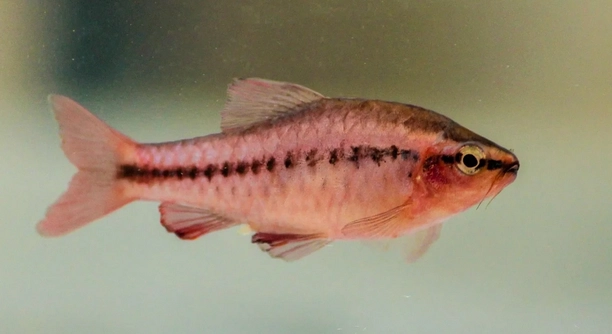
Cherry barbs are vibrant fish that add life to any aquarium. However, if you notice one gasping at the surface, it’s essential to address the issue promptly. Understanding what causes this behavior can help you restore their well-being.
The most common reason for a cherry barb gasping at the surface is insufficient oxygen in the water. Poor water circulation, overcrowding, or an unclean tank can lead to low oxygen levels, forcing fish to seek air at the surface.
Taking action to improve oxygen levels and water quality can help your cherry barb return to its usual behavior.
Low Oxygen Levels and Poor Water Circulation
When oxygen levels drop in the tank, fish will often swim closer to the surface to gulp air. This is a clear indication that the water isn’t providing enough oxygen for them to breathe. Poor water circulation is one of the main reasons for oxygen depletion, as stagnant water makes it harder for fish to absorb what they need. Proper filtration and a good aquarium pump can help keep the water moving and prevent oxygen from becoming scarce.
If your tank is crowded, this can also contribute to oxygen issues. More fish means more competition for oxygen, which can result in gasping. Larger tanks with fewer fish typically have better oxygen circulation and more stable water conditions.
Regular water changes and maintaining a clean tank are vital to sustaining healthy oxygen levels. Without these practices, any fish species, including cherry barbs, may face difficulty breathing, leading to stress and other health problems.
Overcrowding and Stress
Overcrowding in an aquarium leads to heightened stress levels in fish. As more fish occupy the space, oxygen consumption increases, and water quality deteriorates faster. Fish under stress can become more susceptible to disease, which further weakens their immune systems.
A good rule of thumb is to allow at least one inch of fish per gallon of water. This ensures that each fish has enough space to swim comfortably and access oxygen. Avoid overfeeding as well, as uneaten food can contribute to tank pollution.
To promote a healthy environment for your cherry barbs, consider reducing the number of fish or upgrading to a larger tank. When fish have enough room to thrive, they are less likely to experience stress that leads to gasping or other behavioral signs of distress.
Unclean Tank and Poor Filtration
An unclean tank can quickly lead to poor water quality, which affects oxygen levels and overall fish health. Leftover food, waste, and uneaten plant matter can accumulate, lowering water quality. Regular cleaning is essential to keep the environment safe for your fish.
Proper filtration is crucial for maintaining a clean tank. A good filter helps remove debris and keeps harmful substances like ammonia and nitrates in check. If the filter isn’t working efficiently or is too small for your tank, it won’t properly clean the water, which can lead to gasping at the surface.
Check your filter regularly to ensure it’s functioning well. Clean it monthly and replace any worn-out parts to ensure it remains effective. Also, be mindful of the type of filter you’re using, as it should match the size and needs of your tank. When your tank is clean and the water is well-filtered, your cherry barbs will be much healthier and less likely to gasp for air.
Water Temperature and pH Imbalance
Extreme fluctuations in water temperature can cause fish stress and impact their ability to breathe properly. If the temperature is too high, oxygen levels drop, making it harder for fish to absorb enough air. Keeping your tank temperature consistent and within the ideal range for cherry barbs is essential.
A temperature range of 74°F to 80°F (23°C to 27°C) is ideal for these fish. Install a reliable heater and thermometer to monitor the water’s temperature closely. Sudden changes can be detrimental, so avoid placing the tank in direct sunlight or near heaters and air conditioners.
In addition to temperature, an unbalanced pH level can also affect the health of your fish. Cherry barbs prefer a pH between 6.0 and 7.5. Test the water regularly and make adjustments if needed, using products that are safe for aquarium use. Keeping both temperature and pH levels stable will help prevent gasping and ensure your fish stay comfortable.
Lack of Proper Tank Maintenance
Neglecting regular tank maintenance can lead to a buildup of waste and poor water quality. Without proper cleaning, the tank can become a breeding ground for harmful toxins, which affect fish health. Regular water changes are key to maintaining a healthy environment for your fish.
Test the water frequently to ensure it’s safe. Keep an eye on ammonia, nitrate, and nitrite levels, and take action when necessary. A clean tank promotes better oxygen levels and reduces stress for your fish, preventing them from gasping for air.
Incompatible Tank Mates
If your cherry barb is gasping at the surface, it could also be caused by incompatible tank mates. Aggressive or territorial fish can stress out more peaceful species, making them feel unsafe. Stress leads to gasping and other unhealthy behaviors.
Adding peaceful, non-aggressive species can make a significant difference. Avoid putting fish together that may fight for territory or food. Properly selecting tank mates helps maintain harmony in the tank, keeping stress levels low and promoting a healthier environment.
Poor Water Quality Due to Overfeeding
Overfeeding your fish is a common mistake that leads to poor water quality. Excess food that isn’t eaten decomposes and contributes to ammonia buildup in the tank. This deteriorates the overall water quality and can cause gasping in fish due to lack of oxygen.
To avoid this, feed your fish only what they can consume in a few minutes, and remove any uneaten food. Regular water changes are also important to reduce the buildup of waste and keep the water clean. This practice will help maintain a healthier environment for your fish.
FAQ
Why is my cherry barb gasping at the surface?
Gasping at the surface is typically a sign that your cherry barb is struggling to get enough oxygen from the water. This can be caused by poor water circulation, overcrowding, or an unclean tank. It may also be due to high water temperatures or pH imbalances. Regular tank maintenance, including water changes and proper filtration, can help address these issues.
What can I do to help my cherry barb breathe better?
To help your cherry barb breathe better, ensure the water has adequate oxygen by improving circulation. You can do this by adding a good aquarium pump or air stone. Additionally, clean the tank regularly and monitor water quality to keep the environment healthy. Reducing overcrowding and ensuring proper filtration will also help.
How do I check if my tank has low oxygen levels?
You can check for low oxygen levels by observing your fish’s behavior. If they spend a lot of time near the surface, it’s a sign they might be struggling to get enough oxygen. Installing an oxygen test kit or a dissolved oxygen meter in the tank can also give you a clear indication.
What water temperature is best for cherry barbs?
Cherry barbs thrive in temperatures between 74°F and 80°F (23°C to 27°C). If the water temperature fluctuates outside of this range, it can cause stress and affect their ability to breathe. Keeping the tank at a consistent temperature helps ensure your cherry barbs are comfortable and healthy.
How often should I clean my cherry barb’s tank?
You should clean your cherry barb’s tank at least once a week. Regular cleaning, including water changes, removes excess waste and uneaten food, which can lead to poor water quality. Always test water parameters like ammonia, nitrite, and nitrate levels to make sure the environment remains safe for your fish.
What should I do if the water pH is too high or too low for my cherry barb?
If the pH is too high or too low for your cherry barb, it can lead to stress and affect their ability to breathe. Cherry barbs prefer a pH between 6.0 and 7.5. You can adjust the pH by adding pH-lowering or pH-raising products, but do so slowly to avoid shocking the fish. Regular water tests will help you stay on top of this.
How does overcrowding affect my cherry barbs?
Overcrowding increases competition for oxygen and food, which can cause stress and health issues. The more fish in the tank, the less oxygen each one has access to. This can lead to your cherry barbs gasping at the surface and other signs of distress. Make sure your tank has enough space for the number of fish you have.
Can I add more plants to improve oxygen levels for my cherry barbs?
Yes, adding live plants can help improve oxygen levels in the tank. Plants release oxygen into the water during the day, which benefits your cherry barbs. However, make sure the plants are healthy and well-maintained. Dead or decaying plants can lower water quality and create more problems.
Can poor filtration cause gasping in cherry barbs?
Yes, poor filtration can lead to gasping in cherry barbs. If the filter is not strong enough or is clogged, it won’t properly clean the water, leading to low oxygen levels and a buildup of harmful substances like ammonia and nitrates. Make sure your filter is suitable for your tank size and is cleaned regularly.
Is it safe to use a heater for my cherry barb tank?
A heater can be very helpful for maintaining a consistent temperature in your cherry barb’s tank, especially in cooler climates. However, it’s important to choose a heater that’s appropriate for the size of your tank. Too much heat can lower oxygen levels, while too little can cause stress. Always monitor the temperature closely.
How can I tell if my cherry barb is sick or just stressed?
If your cherry barb is gasping at the surface but otherwise appears healthy, it’s likely due to stress or environmental factors, such as low oxygen levels or high temperatures. However, if you notice other symptoms like discoloration, loss of appetite, or abnormal swimming behavior, it could indicate illness. Keep an eye on its behavior and adjust the tank conditions accordingly.
Should I remove the gasping fish from the tank?
If you notice that your cherry barb is consistently gasping at the surface, it’s best to address the environmental factors first, such as improving oxygen levels, cleaning the tank, or adjusting the temperature. Removing the fish from the tank may cause additional stress. Focus on resolving the underlying issue.
Can I add oxygen supplements to the tank?
Oxygen supplements can be used in emergency situations when oxygen levels are critically low. However, they are not a long-term solution. The best way to maintain healthy oxygen levels is through proper tank circulation, aeration, and regular water changes.
What tank size is best for cherry barbs?
Cherry barbs do best in tanks that are at least 20 gallons. A larger tank provides more oxygen and space, reducing stress and improving overall health. It’s also important to ensure the tank is not overcrowded to allow the fish to move freely and get enough air.
Can cherry barbs tolerate high water hardness?
Cherry barbs are fairly adaptable but prefer water hardness levels between 5-12 dGH. Extremely hard or soft water can cause stress and lead to breathing issues. Test your water regularly and make adjustments if necessary, using conditioners designed for aquarium use to keep the water within the ideal range.
Final Thoughts
Taking care of cherry barbs requires attention to detail, especially when it comes to their environment. When they’re gasping at the surface, it’s often a sign of an underlying issue, such as poor water quality, overcrowding, or low oxygen levels. Regular tank maintenance and monitoring water parameters are crucial steps in preventing these issues. Providing a healthy and stable environment will not only help prevent gasping but also keep your cherry barbs happy and thriving.
It’s essential to keep an eye on the tank’s temperature, pH levels, and oxygen content. A stable environment with proper filtration and adequate space is key. Regular water changes, along with testing for ammonia, nitrites, and nitrates, will help maintain clean and safe water. Additionally, adding plants or improving water circulation can help boost oxygen levels, making it easier for your cherry barbs to breathe. These small adjustments can make a big difference in their overall health.
If your cherry barb continues to gasp at the surface despite making these changes, it might be time to check if there are other stressors in the tank, such as incompatible tank mates or improper feeding habits. With proper care and a little attention, you can keep your cherry barbs comfortable and healthy, ensuring that they live a long and happy life. By staying on top of their needs, you’ll be able to quickly identify and address any problems that may arise.

Hello,
If you enjoy the content that we create, please consider saying a "Thank You!" by leaving a tip.
Every little bit helps us continue crafting quality advice that supports the health, happiness, and well-being of pets around the world, for pets of all shapes, sizes, and species.
We really appreciate the kindness and support that you show us!