
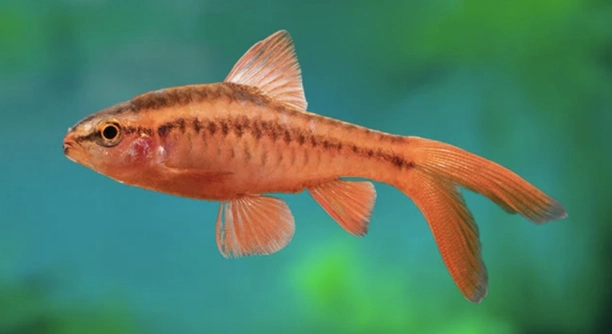
Cherry barbs are typically active and social fish, but lately, many fish owners have noticed a sudden shift in their behavior. These once lively creatures seem more shy and reserved. Understanding the cause behind this change can help ensure their well-being.
The most common reason for cherry barbs becoming shy is environmental stress. Factors such as poor water quality, temperature fluctuations, or overcrowding can lead to increased stress, making them more timid and less active.
Understanding how to address the root causes of their shyness will help restore their confidence and overall health. Identifying and adjusting their environment can significantly improve their behavior.
Environmental Stress and Shyness
When cherry barbs begin to act shy, it’s often a sign that something in their environment is off. Changes in water quality are a big factor—whether it’s poor filtration, improper pH levels, or ammonia buildup, the fish can feel uncomfortable and stressed. This stress leads to them hiding more than usual. In nature, cherry barbs are active swimmers and social creatures, so when they retreat, it’s an indication that their surroundings are causing them discomfort. Temperature changes also play a big role. Fish are sensitive to rapid fluctuations, and if the water is too hot or too cold, they might seek shelter. Keeping the tank conditions stable and monitoring the water quality can prevent this behavior.
Making sure their environment is stable can improve their mood and activity levels. Ensuring the water is properly filtered and maintaining the right temperature are key to reducing stress.
Monitoring the water quality can help determine if adjustments need to be made. Regular water changes and testing for harmful chemicals like ammonia or nitrites will go a long way in keeping cherry barbs feeling safe and comfortable.
Overcrowding and Its Effects
Another factor that might be making your cherry barbs shy is overcrowding. When too many fish are in a tank, it increases the competition for space and resources. This can make cherry barbs feel anxious, causing them to retreat into hiding spots more often. With limited space to swim around, they may not feel comfortable coming out as they would in a more spacious environment. Additionally, aggression from other fish due to crowded conditions can add to their stress, leaving them wary and reserved.
Cherry barbs are small fish that do best in well-sized groups, but they need plenty of room to move freely. If the tank is too small, they may constantly feel cramped and stressed. This can lead to behavior changes like shyness and hiding more often than usual. Keeping a balance in tank size and fish population is important for reducing stress and maintaining a healthy, happy environment for your cherry barbs. Reducing the number of fish or upgrading to a larger tank might be the solution to bringing them out of their shells.
Water Temperature Fluctuations
Sudden changes in water temperature can easily stress cherry barbs. They prefer a consistent range of about 75 to 80°F (24-27°C). When the water gets too hot or cold, they tend to shy away from their usual activities. A reliable heater is essential in keeping the water temperature stable.
When the water temperature fluctuates, cherry barbs may try to find cooler or warmer spots in the tank. This can disrupt their normal behavior, causing them to retreat to hiding places more frequently. Rapid temperature changes can also weaken their immune system, making them more susceptible to illness, which only adds to their stress. It’s best to monitor the temperature regularly, using a thermometer to keep the water consistent.
A sudden change in temperature could also harm their long-term health. Gradual adjustments should be made if temperature levels need to be altered, ensuring that the fish are not subjected to any dramatic shifts. A stable tank temperature provides a calm environment for cherry barbs to feel safe and active.
Inadequate Tank Mates
The type of fish kept with your cherry barbs matters. If there are overly aggressive or territorial species, it could lead to stress and shyness in the cherry barbs. They’re peaceful fish and prefer calm surroundings. Aggressive tank mates can intimidate them.
Cherry barbs often hide when they feel threatened by more dominant fish. Species such as cichlids or larger, territorial fish can bully them, leaving cherry barbs feeling anxious and less willing to swim freely. It’s important to choose tank mates that complement their peaceful nature, such as other small, non-aggressive species. When cherry barbs feel safe, they’re more likely to come out of hiding and display their natural behavior.
If you notice your cherry barbs spending most of their time hiding, the tank mates could be the issue. Consider removing overly aggressive fish or replacing them with species that are more compatible. Ensuring harmony in the tank is key to keeping cherry barbs calm and active.
Poor Water Quality
Poor water quality is one of the main reasons cherry barbs become shy. Ammonia, nitrites, or nitrates in the water can cause discomfort, leading them to retreat. Regular water changes and proper filtration are essential to keeping them healthy and active.
If the water quality is poor, the fish may feel unsafe, prompting them to hide. High levels of toxins can also stress their immune system, leaving them more vulnerable to disease. Testing the water regularly will help identify harmful substances before they cause issues.
A clean, well-maintained tank ensures your cherry barbs feel comfortable and stay active. Proper filtration and regular cleaning keep toxins in check, allowing your fish to thrive.
Lighting Conditions
Lighting is often overlooked but plays a significant role in the behavior of cherry barbs. Harsh lighting can cause stress and make them more timid. A softer, natural light is best for them.
Cherry barbs are sensitive to bright or constant lighting, which can disrupt their sense of security. Providing them with a light cycle that mimics natural day and night patterns helps them feel more at ease. This also supports their biological rhythms and reduces stress, encouraging them to swim freely and interact with other tank mates.
Diet and Feeding Schedule
An improper diet or irregular feeding schedule can also affect cherry barbs’ behavior. If they are not fed enough or are fed poor-quality food, it could lead to malnutrition, causing them to act shy. A well-balanced diet helps maintain their health and activity levels.
FAQ
Why are my cherry barbs suddenly hiding more?
When cherry barbs hide more than usual, it could be due to several stress factors. Most commonly, it’s related to poor water quality, sudden temperature fluctuations, or overcrowding in the tank. A stable environment is essential to keeping them active and comfortable. Check the water parameters regularly for toxins like ammonia or nitrites, and make sure the temperature remains steady. If the tank is overcrowded, consider upgrading to a larger tank or reducing the number of fish. Addressing these issues should help your cherry barbs feel more at ease and less inclined to hide.
How can I reduce stress in my cherry barbs?
To reduce stress in your cherry barbs, start by maintaining optimal water conditions. Regular water changes, proper filtration, and monitoring water temperature can go a long way. Ensure that there is enough space for them to swim freely, as overcrowding can be a major stress factor. Additionally, providing gentle, non-aggressive tank mates will help them feel safer. A light cycle mimicking natural day and night patterns also promotes a calm environment. By addressing environmental factors and providing a comfortable space, your cherry barbs will feel more relaxed.
Are cherry barbs sensitive to their tank mates?
Yes, cherry barbs are peaceful and can be sensitive to aggressive tank mates. Species like cichlids or larger fish that are territorial can cause stress and anxiety, leading the cherry barbs to hide. They do best in a tank with other non-aggressive, similarly sized fish. Avoid mixing them with species that might intimidate them or compete for resources. If you notice signs of stress, such as hiding or reluctance to swim, consider rearranging the tank or removing the more aggressive fish to help reduce tension.
What is the ideal tank size for cherry barbs?
Cherry barbs are small and social fish, so they do best in groups with ample swimming space. A 20-gallon tank is typically the minimum recommended size for a small group of cherry barbs. If you plan to add other species, consider going larger to avoid overcrowding. A larger tank gives the fish more room to move and reduces the risk of stress, allowing them to thrive. Also, ensure the tank is well-planted, as cherry barbs enjoy having hiding spots and vegetation to swim through.
How often should I feed my cherry barbs?
Cherry barbs should be fed once or twice a day, offering them only as much food as they can eat in a few minutes. Overfeeding can lead to poor water quality, which stresses the fish and can make them shy. They are omnivores, so a varied diet is ideal, including high-quality flake foods, frozen or live foods like brine shrimp or daphnia, and occasional vegetable matter like spinach. Regular feeding schedules promote healthy fish and prevent the anxiety that comes with irregular food availability.
Can cherry barbs survive in cooler water?
Cherry barbs prefer water temperatures between 75 and 80°F (24-27°C). They can tolerate slightly cooler water, but anything below 70°F (21°C) can cause stress and reduce their activity levels. In cooler temperatures, they may become lethargic and more prone to illness. To maintain a healthy environment for them, it’s best to avoid drastic changes in water temperature. A reliable heater will help maintain a stable environment and prevent the water from dipping too low.
What can I do if my cherry barbs are not breeding?
If your cherry barbs are not breeding, the issue may lie in environmental factors. Ensure that the tank is spacious, with plenty of hiding spots for the eggs and room for the adults to swim freely. A stable, slightly cooler water temperature can trigger breeding behavior. Additionally, providing a varied and nutritious diet will help keep your cherry barbs healthy and ready to spawn. Lastly, the presence of other fish species might inhibit breeding, so make sure to give them a quiet and safe space to breed in peace.
Why are my cherry barbs becoming aggressive?
Cherry barbs are typically peaceful fish, but aggression can arise due to overcrowding, stress, or poor tank conditions. If they feel threatened, they may become territorial or fight for space and food. To prevent this, ensure that the tank isn’t too crowded, and that all fish have access to resources without competition. Aggressive behavior can also occur if the fish are kept with more dominant or territorial species. Providing enough hiding spaces, proper water conditions, and compatible tank mates will help maintain a peaceful environment for your cherry barbs.
Do cherry barbs need a lot of plants in their tank?
Cherry barbs do enjoy a well-planted tank as it provides them with hiding spots and a more natural environment. While they don’t require an excessive amount of plants, having some plants and decorations is beneficial for their well-being. Plants also help maintain water quality by absorbing excess nutrients and offering shelter from any more aggressive fish in the tank. A balance of open swimming space and planted areas will encourage your cherry barbs to feel comfortable and secure. They especially appreciate areas where they can dart in and out of plants, mimicking their natural habitat.
How do I know if my cherry barbs are stressed?
Signs of stress in cherry barbs include hiding more than usual, a lack of appetite, fading colors, and erratic swimming behavior. They may also become more skittish or avoid interacting with other fish. Stress can be caused by poor water quality, temperature fluctuations, or incompatible tank mates. If you notice these behaviors, assess the tank’s environment and make the necessary changes, such as improving water conditions, adjusting the temperature, or removing aggressive fish. Addressing stress early can help prevent long-term health issues.
Final Thoughts
Cherry barbs are typically active and social fish, but their sudden shyness can be a sign of stress. Identifying the root cause of this change in behavior is important to help them feel comfortable again. Most commonly, factors such as poor water quality, overcrowding, aggressive tank mates, and sudden temperature fluctuations can all contribute to their shyness. Addressing these environmental issues promptly will help restore your cherry barbs’ natural behavior and overall health. Maintaining a clean, stable tank is key to ensuring your fish stay active and happy.
Providing a suitable environment for your cherry barbs goes beyond just keeping the tank clean. The water temperature should be stable, and the tank should have enough space for all the fish. Too many fish in a small tank can create stress, leading them to hide more often. The right tank mates are just as important as the environment itself. Cherry barbs do best with peaceful fish that won’t intimidate them. If you have aggressive or larger species, it may be worth reconsidering the mix of fish in the tank. Peaceful, small fish are a better choice for creating a calm atmosphere where cherry barbs can thrive.
Lastly, cherry barbs are sensitive creatures that benefit from a little extra care. Simple changes, like adjusting the lighting or offering a variety of food, can make a big difference in their behavior. By maintaining good water quality, monitoring temperature, ensuring enough space, and choosing compatible tank mates, you can encourage your cherry barbs to feel safe and confident. Keeping their environment as stable and stress-free as possible will allow them to show their true colors and become active, lively additions to your aquarium once again.

Hello,
If you enjoy the content that we create, please consider saying a "Thank You!" by leaving a tip.
Every little bit helps us continue crafting quality advice that supports the health, happiness, and well-being of pets around the world, for pets of all shapes, sizes, and species.
We really appreciate the kindness and support that you show us!