
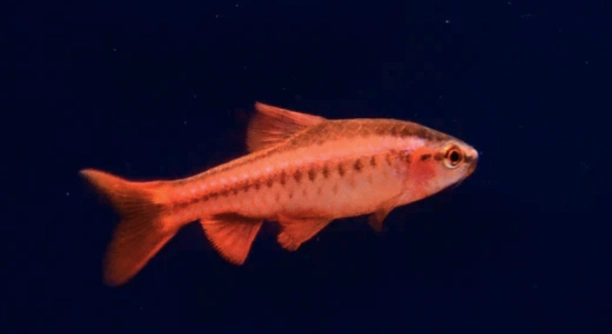
Do your cherry barbs sometimes appear less active or struggle to thrive despite having a clean tank and regular feedings?
The most important water parameters for cherry barbs include temperature, pH, hardness, ammonia, nitrite, nitrate, and oxygen levels. Maintaining these within ideal ranges is essential for their health, color, and long-term survival in captivity.
Each of these factors plays a role in supporting a healthy, stable tank where cherry barbs can thrive with ease.
Temperature Consistency Matters Most
Cherry barbs thrive best in water that stays between 74°F and 79°F. When temperatures drop too low or climb too high, they can become stressed and more prone to illness. Sudden shifts in temperature are especially harmful and can weaken their immune systems. It’s a good idea to use a reliable aquarium heater that keeps water stable within the recommended range. Digital thermometers are helpful for daily checks, and you should always monitor changes during water changes or tank cleanings. Cherry barbs are tropical fish, and mimicking their natural environment helps keep them active and colorful.
For best results, place your heater near the filter to help distribute warmth evenly throughout the tank.
If your room temperature tends to fluctuate, consider using a heater with an adjustable thermostat and a backup thermometer. Consistency in temperature creates a steady environment, reducing the risk of stress-related behavior or health issues in your cherry barbs.
pH and Water Hardness
Cherry barbs prefer slightly acidic to neutral water, with a pH between 6.0 and 7.5. Soft to moderately hard water, between 5 and 15 dGH, supports their natural balance and comfort.
Using a reliable test kit once a week helps you keep track of these values. If your tap water doesn’t match their needs, you can adjust pH with products designed for aquariums or use natural methods like driftwood and almond leaves. For hardness, mixing in a small amount of distilled water or using crushed coral can help modify levels safely. Avoid sudden changes, as cherry barbs are sensitive to instability. When pH and hardness stay within range, your fish tend to be more active, show better coloration, and maintain their appetite. Stable conditions also support the effectiveness of biological filtration, which keeps the tank healthier overall. Maintaining both parameters creates a strong base for long-term success.
Ammonia, Nitrite, and Nitrate Levels
Ammonia and nitrite should always stay at 0 ppm, while nitrate should be kept under 20 ppm. High levels of these can cause stress, illness, or even death, especially in smaller, enclosed tank systems.
The nitrogen cycle plays a big role in keeping these levels in check. Ammonia comes from fish waste and leftover food, and beneficial bacteria convert it into nitrite, which is then converted into nitrate. A well-established tank will process this naturally, but regular water changes, testing, and filter maintenance are still necessary. Overfeeding and overcrowding often lead to spikes, so feed only what they can finish in two minutes. If levels rise, partial water changes are the fastest fix. You can also use live plants to help absorb excess nitrates and improve water quality long-term.
Keeping these toxins under control helps your cherry barbs stay active, colorful, and healthy. A balanced tank supports stronger immunity and smoother daily behavior.
Oxygen and Water Flow
Cherry barbs need well-oxygenated water, especially in warmer tanks where oxygen levels drop faster. Poor oxygen can cause gasping at the surface and sluggish movement. Moderate water flow helps with oxygen exchange and keeps waste from settling.
Adding an air stone or sponge filter can improve circulation without overwhelming your fish. Cherry barbs appreciate gentle movement, and too much current can make them hide or struggle to swim comfortably. Position the filter outlet so it disturbs the surface slightly—this increases oxygen without stressing your fish. Live plants also contribute by producing oxygen during the day. In smaller tanks, where water turns stale faster, a bubbler or surface skimmer can really help. If your cherry barbs ever seem unusually still or hover near the top, check your oxygen levels right away. Making a few adjustments to airflow can bring noticeable improvement in their energy and behavior.
Lighting and Tank Placement
Cherry barbs do best with a regular day-night lighting schedule. Around 8 to 10 hours of light daily is enough to support live plants and maintain their natural activity levels without stressing them out.
Avoid placing the tank near windows or heat sources. Direct sunlight can cause algae buildup and temperature spikes.
Filtration and Tank Cleanliness
A good filter helps keep your tank clean by removing debris and maintaining water flow. It also supports the beneficial bacteria that break down waste. Choose a filter that matches your tank size and run it continuously. Rinse the filter media in tank water during water changes to prevent killing helpful bacteria. Avoid over-cleaning the tank, as this can upset the balance. Instead, perform weekly partial water changes and vacuum the substrate to remove uneaten food and waste. These small steps make a big difference in water quality and fish health.
Tank Size and Stocking
Cherry barbs need space to swim freely and feel comfortable in groups. A 20-gallon tank or larger is ideal for a small school of six.
FAQ
What size tank do cherry barbs need?
Cherry barbs are small fish, but they still need space to thrive. A minimum of 20 gallons is recommended for a small school of six to eight fish. This size allows them to swim freely and reduces stress. If you plan on adding other fish, consider a larger tank to avoid overcrowding. Remember, cherry barbs do well in groups, so a small school helps them feel more secure and active.
Can cherry barbs live with other fish?
Yes, cherry barbs are peaceful fish and can live with a variety of other species. They tend to do well with other small, non-aggressive fish like tetras, rasboras, and guppies. However, avoid pairing them with overly large or aggressive fish, as they might become stressed or intimidated. Always check the temperament and size of potential tank mates to ensure a harmonious environment.
What do cherry barbs eat?
Cherry barbs are omnivores and will eat a wide range of foods. They enjoy a balanced diet that includes high-quality flake food, frozen or live foods such as brine shrimp, bloodworms, and daphnia. Offer them a mix of vegetable matter like algae wafers and blanched vegetables. Feeding them twice a day in small amounts is best to avoid overfeeding and keep the tank clean.
How often should I change the water in a tank with cherry barbs?
Regular water changes are essential for maintaining healthy conditions for cherry barbs. Aim for partial water changes of about 20-30% every week. This helps remove waste, excess nutrients, and keeps the water clean. Be sure to use a water conditioner to treat tap water and check that the temperature matches the tank’s water to avoid stress.
How do I know if my cherry barbs are stressed?
Stressed cherry barbs may exhibit behavior like hiding, erratic swimming, or a lack of appetite. They might also lose their vibrant coloration. Stress can be caused by poor water quality, fluctuating temperatures, or incompatible tank mates. Monitor their behavior and check water parameters regularly to address any issues promptly. A stressed fish may also show signs of rapid gill movement or frequent surface breathing if the oxygen levels are low.
What is the lifespan of cherry barbs?
Cherry barbs typically live for around 3 to 5 years with proper care. Factors like water quality, diet, and tank conditions will influence their lifespan. A stable, clean environment with the right parameters can help them live a full, healthy life. Regular check-ups and maintaining their tank will ensure they stay in good health throughout their life.
Do cherry barbs breed easily?
Cherry barbs can breed in captivity, though it’s not always straightforward. To encourage breeding, provide a separate breeding tank with slightly acidic water and slightly warmer temperatures. After spawning, remove the adults, as they may eat the eggs. The fry hatch in about 1-2 days and are ready to eat infusoria or liquid fry food once they become free-swimming.
How can I tell if my cherry barbs are males or females?
Males and females are easy to distinguish, especially when they are in breeding condition. Male cherry barbs have brighter, more intense red coloring on their bodies, while females are typically a duller color, often pale or transparent with a light pinkish hue. Males are also usually slimmer and more active. When in a group, males may display their colors more vividly to attract females.
Are cherry barbs sensitive to water changes?
Yes, cherry barbs can be sensitive to sudden water changes, especially if the new water differs significantly in temperature, pH, or hardness. Always try to match the new water as closely as possible to the tank’s water. When doing water changes, avoid making drastic shifts to ensure the fish aren’t stressed. Gradual changes over time are the safest approach.
Do cherry barbs need a lot of light?
Cherry barbs don’t require excessive light, but they do benefit from a regular day-night light cycle. Provide about 8-10 hours of light daily to mimic their natural environment. Too much light can promote algae growth, while too little light can affect their behavior and the health of plants. A standard aquarium light works well for most setups.
What is the ideal pH for cherry barbs?
The ideal pH range for cherry barbs is between 6.0 and 7.5. They prefer slightly acidic to neutral water, but they can tolerate slight shifts in pH as long as it is stable. Avoid rapid changes in pH, as this can cause stress and make the fish more vulnerable to diseases. Regular water testing will help keep pH levels in check.
Can cherry barbs live in cold water?
Cherry barbs are tropical fish and do best in warm water, typically between 74°F and 79°F. They are not suited for cold water and will become sluggish or stressed in temperatures below 70°F. If you live in a cooler climate, make sure to use a reliable heater to maintain the correct water temperature.
Final Thoughts
Cherry barbs are a popular choice for many aquarium owners due to their small size, peaceful nature, and vibrant colors. With the right care, these fish can thrive and bring life to your tank for several years. Maintaining the proper water parameters is essential for their health. Ammonia, nitrite, and nitrate levels should be closely monitored to avoid stress or illness. Consistent water changes and filtration help keep the environment stable, ensuring that your cherry barbs stay active and healthy.
Feeding your cherry barbs a balanced diet is also key to their well-being. A mix of high-quality flakes, live or frozen food, and vegetables will give them the nutrients they need. Cherry barbs are easy to feed and will enjoy a variety of foods, which helps keep their colors bright and energy high. Additionally, observing their behavior and adjusting their environment accordingly will help maintain a stress-free and comfortable setting. As peaceful fish, they do well in schools and thrive in calm tanks with compatible species.
With proper care, cherry barbs can live up to 3 to 5 years. Their lifespan depends largely on the quality of the water, the temperature, and the overall care they receive. Breeding cherry barbs in captivity is possible, but it requires a little extra effort, such as providing optimal breeding conditions. By ensuring stable water conditions, offering a varied diet, and creating a peaceful tank environment, you can enjoy the beauty and lively nature of cherry barbs in your aquarium.

Hello,
If you enjoy the content that we create, please consider saying a "Thank You!" by leaving a tip.
Every little bit helps us continue crafting quality advice that supports the health, happiness, and well-being of pets around the world, for pets of all shapes, sizes, and species.
We really appreciate the kindness and support that you show us!