
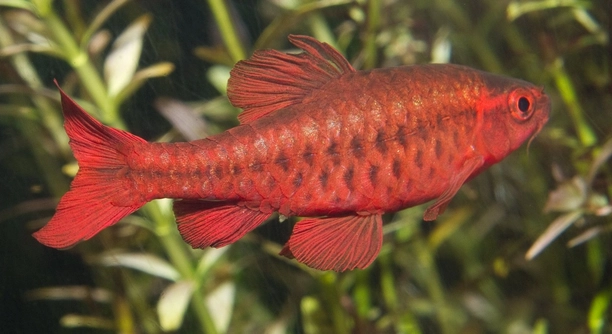
Is your Cherry Barb breathing heavily? This can be a sign of stress or an underlying health issue. It’s important to address this as soon as possible to ensure your fish remains healthy and comfortable in its tank.
Heavy breathing in Cherry Barbs is often caused by poor water quality, low oxygen levels, or even diseases. Addressing these factors quickly can prevent further complications and help restore your fish’s well-being.
Understanding why your Cherry Barb is struggling can help you create the best environment for its recovery. These solutions will guide you through steps that can improve its condition and prevent future problems.
Poor Water Quality
Water quality is one of the top reasons why your Cherry Barb may be breathing heavily. Ammonia, nitrites, and nitrates build up in the tank over time, especially if it’s not cleaned regularly. These toxins reduce oxygen levels, making it harder for your fish to breathe. Regular water changes and maintaining a proper filtration system will help keep the water clean and safe for your fish. Test the water frequently to ensure it remains within safe levels, especially after adding new fish or when you notice unusual behavior.
When the water quality deteriorates, it can stress your fish. In poor conditions, your Cherry Barb may try to compensate by breathing faster to get more oxygen. If left unchecked, this could lead to other health issues. Keeping the tank clean and balanced is essential to prevent these problems from arising.
To prevent water quality issues, use a good filtration system that suits the size of your tank. Also, test your water weekly for ammonia, nitrites, and nitrates. Regular maintenance and tank cleaning go a long way in ensuring the health of your fish.
Low Oxygen Levels
Oxygen levels in the tank can become low, especially in overstocked aquariums. Fish rely on oxygen from the water, and if there isn’t enough, they may start gasping for air or breathing heavily. If you suspect low oxygen, adding an air pump or aerator to your tank can help.
Low oxygen can occur when water movement is minimal, especially in larger tanks or tanks with poor circulation. If your Cherry Barb is near the surface, trying to gulp air, it’s a sign that oxygen levels are too low. Adding more plants or an aerator can help increase oxygen flow and make your fish feel more comfortable.
In a tank that lacks proper oxygen, fish can struggle to maintain normal respiratory function. In addition to using an aerator, ensure your tank has enough surface agitation to allow gases to exchange efficiently. Avoid overcrowding the tank, as this will further reduce the available oxygen.
Poor Diet
A poor diet can directly impact your Cherry Barb’s health, causing it to breathe heavily. Lack of variety in their food can lead to nutrient deficiencies, weakening their immune system. Ensure your fish has a balanced diet with high-quality flakes, pellets, and occasional live or frozen food.
Feeding your Cherry Barb the same food every day can also lead to boredom and stress, causing unusual behaviors like heavy breathing. Variety is key. Introduce different food types like brine shrimp or daphnia to keep their diet balanced and exciting. A healthy fish will have stronger immunity and a better chance of dealing with any environmental stressors.
Be mindful of overfeeding, too. Leftover food can pollute the tank and affect water quality, indirectly leading to breathing problems. Stick to feeding your fish small amounts that they can consume within a few minutes. Proper feeding habits contribute to your Cherry Barb’s overall health and comfort.
Stress from Tankmates
Stress from aggressive or overly active tankmates can cause your Cherry Barb to breathe heavily. If there are fish that chase or nip at your barb, it may cause constant stress, which can lead to heavy breathing. Keep your fish in a peaceful community tank.
Cherry Barbs do best with peaceful companions. Aggressive fish can put them on edge, causing stress that affects their respiratory rate. Keep an eye on any behaviors that might be intimidating, such as bullying or chasing. If needed, separate the aggressive fish from the Cherry Barb.
In some cases, stress may be due to overcrowding. When fish are confined to a small space, they may feel threatened, even if they’re not directly interacting with tankmates. Always ensure your tank has enough space for each fish to feel comfortable. Reducing stress improves their quality of life and helps prevent breathing issues.
Poor Filtration
A malfunctioning or inadequate filtration system can lead to poor water quality, contributing to your Cherry Barb’s heavy breathing. Check the filter regularly to make sure it’s running smoothly and effectively. A weak filter will allow harmful substances to build up, causing stress to your fish.
If your filter isn’t powerful enough for the size of your tank, it won’t be able to maintain the water quality required for a healthy environment. Upgrade the filter or add a secondary one to ensure proper filtration. This will help oxygenate the water and remove toxins, reducing stress.
Disease or Illness
Fish diseases, like gill parasites or bacterial infections, can also cause your Cherry Barb to breathe heavily. If you notice other symptoms, such as discoloration, lesions, or lethargy, it may indicate an infection. Early diagnosis and treatment are essential for recovery.
If your fish is showing signs of illness, move it to a quarantine tank to avoid infecting other fish. Start treatment immediately by researching the specific disease or consulting a vet. Healthy fish are less likely to experience breathing issues and will have better immune defense against disease.
Overcrowding
Overcrowding in your aquarium can lead to breathing difficulties for your Cherry Barb. When too many fish are kept in a small tank, oxygen levels drop, causing stress and respiratory problems. It’s important to stick to the recommended fish-to-tank ratio.
FAQ
Why is my Cherry Barb swimming at the surface?
Swimming at the surface often points to low oxygen levels or poor water quality. Cherry Barbs, like most fish, rely on oxygen-rich water to breathe comfortably. When oxygen levels drop, your fish may swim near the surface where the water holds more oxygen. It’s important to check the water parameters, especially for ammonia, nitrites, and nitrates. Increasing aeration with an air pump or adding a surface agitator can help oxygenate the water. Regular water changes also ensure your Cherry Barb stays healthy and happy.
How can I improve oxygen levels in my tank?
To improve oxygen levels, focus on water movement. Adding an air pump or an air stone is one of the easiest ways to increase oxygenation. You can also use a filter that agitates the water’s surface, which helps gas exchange. Plants in the tank can also help improve oxygen levels, but ensure there is enough space for water to circulate around them. Regular water changes help remove toxins and add fresh oxygen, further boosting the overall health of your Cherry Barb.
What are the signs of stress in a Cherry Barb?
Stress in Cherry Barbs can show through changes in behavior, such as hiding, swimming erratically, or breathing heavily. You might also notice color fading, loss of appetite, or increased aggression. In some cases, stressed fish will rub their bodies against objects in the tank or have trouble swimming. If you observe these signs, check the water quality, ensure there are no aggressive tankmates, and make sure the tank is not overcrowded. Reducing stress can significantly improve your fish’s health.
Can I treat my Cherry Barb with salt?
Using aquarium salt can help treat certain conditions like external parasites or wounds. However, it’s important to use it carefully. Too much salt can harm freshwater fish like Cherry Barbs. If you plan to use salt, follow the recommended dosage and consider moving your fish to a quarantine tank for treatment. Salt should not be used as a long-term solution, and you should always ensure that the fish is monitored during the process to prevent stress.
How often should I clean my tank to prevent heavy breathing in my Cherry Barb?
Cleaning your tank regularly is key to keeping your Cherry Barb healthy. It’s a good idea to change 10-20% of the water every week to keep the water clean and reduce the buildup of harmful substances like ammonia and nitrates. Regularly vacuum the substrate to remove debris and waste. Also, clean the filter every 4-6 weeks to ensure it’s functioning properly. If your tank is heavily stocked, you may need to clean it more often to prevent water quality issues that can lead to heavy breathing in your fish.
What should I feed my Cherry Barb to keep it healthy?
Feeding your Cherry Barb a balanced diet is essential for maintaining good health and preventing breathing issues. Offer a variety of foods, such as high-quality flakes, pellets, and occasional live or frozen foods like brine shrimp or daphnia. A varied diet ensures your fish gets the proper nutrients, supporting their immune system and overall well-being. Avoid overfeeding, as leftover food can pollute the water, leading to poor water quality and potential stress for your fish.
How can I tell if my Cherry Barb has a disease?
If your Cherry Barb is sick, it may display unusual symptoms like faded color, clamped fins, rapid breathing, or unusual swimming behavior. Watch for physical signs like lesions, sores, or a bloated belly, which could indicate an infection. If you suspect a disease, move the fish to a quarantine tank to prevent spreading it to other fish. Consult a veterinarian or research the specific disease to determine the best treatment. Timely intervention is crucial to help your Cherry Barb recover.
Can I keep my Cherry Barb with other fish?
Cherry Barbs are peaceful fish and can generally be kept with other non-aggressive fish. They do well in community tanks with other small, calm species. Avoid housing them with aggressive fish that may stress them out or nip at their fins. Also, make sure the tank isn’t overcrowded, as this can lead to stress and poor water quality. Choose tankmates that share similar water requirements, and always monitor interactions to ensure harmony in your aquarium.
Why is my Cherry Barb acting lethargic?
Lethargy in your Cherry Barb can be a sign of poor water quality, illness, or stress. If your fish is spending most of its time at the bottom of the tank or not swimming much, check the water parameters immediately. Low oxygen levels, high ammonia, or elevated nitrates can make your fish lethargic. Illnesses like bacterial infections or parasites can also cause reduced activity. If water quality is fine, look for other symptoms of illness to address the issue effectively.
Can heavy breathing be caused by a water change?
A sudden change in water parameters during a water change can stress your Cherry Barb and lead to heavy breathing. If the temperature, pH, or hardness of the water changes dramatically, it can cause your fish to struggle to adjust. Always try to match the new water’s temperature and pH to the tank’s conditions. Gradual water changes are better than large, abrupt changes, and they help maintain a stable environment that reduces stress and the risk of heavy breathing.
Final Thoughts
Heavy breathing in Cherry Barbs is often a sign that something in their environment isn’t quite right. It could be a result of poor water quality, low oxygen levels, or even stress from other fish. Understanding the factors that affect your fish’s health and behavior is important for addressing these issues early. Regular maintenance of the aquarium, such as keeping the water clean and ensuring proper filtration, is essential for maintaining a healthy environment for your Cherry Barbs. Simple actions like checking water parameters or adding an aerator can make a big difference in preventing problems.
Another important aspect of caring for Cherry Barbs is their diet. Offering a balanced and varied diet will support their immune system and help them recover from any issues they might be facing. Avoiding overfeeding is also key, as excess food can pollute the tank and worsen water quality, which in turn can affect your fish’s breathing. A well-fed Cherry Barb will have the energy it needs to thrive in its environment, and keeping their tankmates peaceful can further reduce stress. Pay attention to their behavior, and if you notice any changes like heavy breathing, take action sooner rather than later.
In the end, providing the right care for your Cherry Barb will help it live a long, healthy life. Maintaining a stable, clean tank with good water quality, adequate oxygen levels, and a peaceful community of fish is essential. If you notice any signs of illness or stress, it’s always best to act quickly to prevent further complications. By staying on top of your fish’s needs and making small adjustments when necessary, you can create a comfortable environment for your Cherry Barb to thrive and enjoy its time in the aquarium.

Hello,
If you enjoy the content that we create, please consider saying a "Thank You!" by leaving a tip.
Every little bit helps us continue crafting quality advice that supports the health, happiness, and well-being of pets around the world, for pets of all shapes, sizes, and species.
We really appreciate the kindness and support that you show us!