
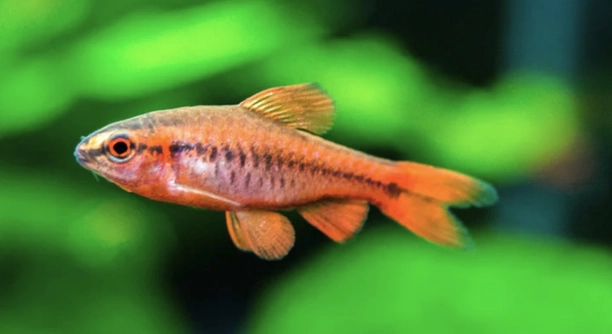
Cherry Barbs are active and vibrant fish, known for their unique behaviors and colorful appearance. However, they require careful attention to their diet to thrive. Mistakes in feeding can lead to health problems for these small aquatic creatures.
Many common feeding mistakes with Cherry Barbs stem from improper portion sizes, overfeeding, or offering inadequate food types. These errors can affect their digestion, growth, and overall well-being, leading to health issues such as obesity or nutrient deficiencies.
Proper feeding practices are essential for maintaining their health and vitality. Identifying and correcting these mistakes will help ensure your Cherry Barbs thrive in their environment.
Feeding Too Much
Overfeeding is one of the most common mistakes made when caring for Cherry Barbs. These fish are small and don’t require large amounts of food. Feeding them too much can lead to uneaten food accumulating in the tank, causing water quality issues. This can result in stress and even health problems for your fish. It’s important to provide the right amount of food to prevent waste buildup and keep your Cherry Barbs healthy.
To avoid overfeeding, try giving them only what they can consume in a few minutes. Feed them once or twice a day, and remove any uneaten food after feeding. This helps maintain clean water and ensures they are getting the right amount of nutrients without overloading their digestive system.
Remember, Cherry Barbs are small and don’t need to be fed excessively. If you notice excess food in the tank after feeding, you are likely offering too much. A consistent feeding schedule with the right portions will keep them healthy and active.
Not Providing a Balanced Diet
Cherry Barbs need a variety of foods to maintain good health. Many owners make the mistake of offering only one type of food, such as flakes. A diet of just one food type can lead to nutritional deficiencies.
To ensure Cherry Barbs get a well-rounded diet, offer a mix of high-quality flake food, pellets, and occasional live or frozen foods, like brine shrimp or daphnia. Variety in their diet is key to ensuring they receive all the essential nutrients they need.
Nutrient imbalances can cause issues such as poor growth, dull colors, and weakened immune systems. By varying their diet, you give them a better chance at thriving. Offering a combination of foods supports their overall health and enhances their natural beauty. Proper diet diversity also helps prevent boredom and encourages healthy eating habits.
Feeding the Wrong Food
Cherry Barbs need more than just generic fish food. Choosing food that’s inappropriate for their size and nutritional needs can lead to issues. Overly large pellets or foods lacking essential nutrients can harm their health over time.
Opt for food that’s small enough for Cherry Barbs to easily consume, and make sure it’s specifically formulated for tropical fish. Flake foods designed for small fish, along with occasional frozen or live food, will help provide a complete diet. Avoid giving them food intended for larger fish or anything with fillers that don’t provide much nutrition.
A diet without the right nutrients can cause stunted growth, weakened immune systems, and faded colors. Be mindful of the type of food you’re offering, as it’s essential for their well-being. A variety of high-quality options ensures that Cherry Barbs get everything they need for optimal health.
Inconsistent Feeding Schedule
An irregular feeding schedule is another mistake often made with Cherry Barbs. These fish thrive on routine, and a lack of consistency can cause stress and digestive problems.
Feeding them at the same times each day helps establish a predictable routine. This is not only good for their digestion but also for their overall behavior. If they’re fed at irregular intervals, they may become stressed, which can affect their health.
Additionally, a lack of consistency in their feeding times can lead to confusion. Cherry Barbs are creatures of habit and rely on a steady feeding schedule to maintain balance. Stick to a consistent feeding time each day to promote healthy habits and reduce stress.
Not Adjusting Food for Growth Stages
As Cherry Barbs grow, their nutritional needs change. Offering the same food throughout their life, without considering their developmental stage, can lead to health problems. Adjusting their diet as they grow is important for their ongoing health.
When Cherry Barbs are young, they require more protein to support their rapid growth. As they mature, their dietary needs shift toward a more balanced mix of protein and plant matter. You can feed adult Cherry Barbs smaller portions of food that offer the right balance for their size and activity level.
Failing to Remove Uneaten Food
After feeding, it’s important to remove any leftover food in the tank. Leftover food can pollute the water, leading to health issues and poor water quality.
By taking out any uneaten food after a few minutes, you help maintain cleaner water. This reduces the chance of harmful bacteria growing and keeps your Cherry Barbs safe from unnecessary stress.
Not Monitoring Water Quality
Water quality is just as important as diet for Cherry Barbs. Poor water conditions can affect digestion, appetite, and overall health. Regularly testing and maintaining water quality is essential for keeping your fish in top condition.
FAQ
What is the best food for Cherry Barbs?
The best food for Cherry Barbs includes small pellets, flakes, and occasionally live or frozen foods like brine shrimp or daphnia. These options are high in nutrients and suitable for their small size. Avoid feeding them food meant for larger fish, as it can cause digestive issues.
How often should I feed my Cherry Barbs?
Feed your Cherry Barbs once or twice a day. Offer only as much food as they can eat in a few minutes to avoid overfeeding. Excess food that’s not consumed can lead to water quality problems and affect their health.
Can I feed my Cherry Barbs vegetables?
Yes, Cherry Barbs can eat small amounts of vegetables, such as blanched spinach or zucchini. Vegetables provide essential vitamins and fiber. Make sure the vegetables are soft enough for them to consume easily. Don’t overdo it, though—too much plant matter can upset their digestion.
Why are my Cherry Barbs not eating?
If your Cherry Barbs aren’t eating, the water quality could be poor, or they might be stressed. Check the water parameters, such as temperature, pH, and ammonia levels. Stress from incompatible tank mates or sudden environmental changes can also cause a loss of appetite.
How do I know if I’m overfeeding my Cherry Barbs?
Signs of overfeeding include uneaten food left in the tank, cloudy water, and fish becoming sluggish. If you notice these signs, reduce the amount of food you’re giving them. Overfeeding can lead to obesity, poor water quality, and health problems for your fish.
Can Cherry Barbs eat live food?
Yes, live food such as brine shrimp, daphnia, or micro-worms is excellent for Cherry Barbs. Live food is rich in protein and helps stimulate natural hunting behavior. It’s a great addition to their diet but should not make up the majority of their meals.
How can I improve my Cherry Barb’s color?
A proper diet, rich in nutrients, will help bring out your Cherry Barb’s vibrant colors. Offer foods that are high in carotenoids, like high-quality fish pellets or live foods. Good water quality and proper lighting also play a role in maintaining their color.
Should I feed Cherry Barbs once or twice a day?
Feeding them twice a day is ideal, but once a day is also acceptable. The key is to provide the right portion of food. Offer what they can consume in a few minutes and avoid leaving excess food in the tank to maintain water quality.
How do I prevent my Cherry Barbs from getting overweight?
Overfeeding and giving them too many high-fat foods can lead to obesity. Stick to a feeding schedule, offer them the correct portion size, and avoid feeding them too many treats. Keep an eye on their body condition to prevent excessive weight gain.
Can I feed my Cherry Barbs tropical fish flakes?
Tropical fish flakes are fine for Cherry Barbs, as long as they are formulated for small tropical fish. Look for high-quality flakes with protein as a main ingredient. You can also supplement their diet with other food types like pellets or live foods for added variety.
How do I know if my Cherry Barbs are healthy?
Healthy Cherry Barbs are active, swim around the tank regularly, and show bright coloration. Their fins should be intact, and they should not have visible signs of disease, such as sores, lesions, or abnormal swimming behavior. Ensure that their environment is clean and free from stressors.
Can Cherry Barbs eat frozen food?
Yes, Cherry Barbs can eat frozen foods like brine shrimp, bloodworms, or daphnia. These foods are nutritious and safe for them. Just make sure to thaw them before feeding and remove any uneaten portions to avoid polluting the water.
What temperature should the water be for Cherry Barbs?
Cherry Barbs thrive in water temperatures between 75°F and 80°F (24°C – 27°C). Keeping the water within this range promotes their overall health and encourages healthy digestion. Extreme temperature fluctuations can cause stress and impact their feeding behavior.
How do I prevent algae from affecting my Cherry Barbs’ food?
To prevent algae from growing on your Cherry Barbs’ food, remove any uneaten portions promptly. Algae thrive in tanks with excess nutrients and poor water circulation, so regular maintenance and water changes are important. Use an algae scraper to keep the tank walls clean.
How can I tell if I’m feeding my Cherry Barbs the right portion size?
The right portion size is what your Cherry Barbs can consume in about 2-3 minutes. Feed them a small amount at first, and observe their eating habits. If they finish quickly, offer a little more, but avoid feeding them too much to prevent leftover food.
Are there any foods I should avoid feeding my Cherry Barbs?
Avoid feeding your Cherry Barbs processed foods, such as bread or human snacks, as these can upset their digestion. Also, steer clear of any food high in artificial additives or preservatives, as these can be harmful to their health. Stick to quality fish food.
Final Thoughts
Feeding Cherry Barbs requires attention to their specific needs. Choosing the right food, providing a consistent feeding schedule, and offering variety are key to keeping them healthy. Their diet should include small portions of high-quality flakes, pellets, and occasional live or frozen foods. Regular feeding habits are important, as is adjusting their diet based on their growth stage. This helps ensure they get the nutrients necessary for their overall well-being. Taking the time to feed them correctly can prevent many health problems that arise from improper nutrition.
Water quality also plays a vital role in their health. Uneaten food left in the tank can deteriorate water conditions, which affects not only the fish’s digestive system but also their immune system. Regular water changes, along with checking ammonia, nitrite, and nitrate levels, will keep your Cherry Barbs in optimal health. If you notice any signs of stress or lack of appetite, checking water parameters should be one of the first steps. A clean, stable environment supports their feeding routine and contributes to their overall happiness and longevity.
Lastly, observe your Cherry Barbs closely for any changes in behavior or physical appearance. This can help catch problems early before they become more serious. Regularly assess their diet and feeding routine to ensure you’re meeting their needs. Healthy fish thrive in a balanced environment with proper food and water care. By staying consistent with feeding, water changes, and monitoring their health, you provide the best care for your Cherry Barbs, keeping them active and vibrant for years to come.

Hello,
If you enjoy the content that we create, please consider saying a "Thank You!" by leaving a tip.
Every little bit helps us continue crafting quality advice that supports the health, happiness, and well-being of pets around the world, for pets of all shapes, sizes, and species.
We really appreciate the kindness and support that you show us!