
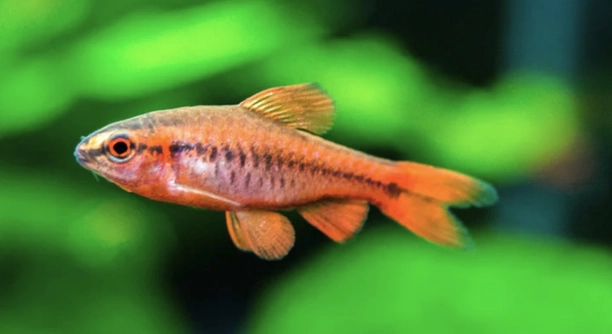
Cherry Barbs are a popular species among aquarium enthusiasts. If you notice your Cherry Barb avoiding other fish, it may signal underlying issues. Understanding the behavior can help improve their well-being and interactions in your tank.
The primary reason your Cherry Barb may be avoiding other fish is stress, often triggered by overcrowding, inappropriate tank mates, or environmental factors. Ensuring a peaceful, well-maintained environment with compatible fish can alleviate these behaviors.
By considering these factors, you can create a better environment for your Cherry Barb, improving its social behavior and overall health.
Understanding Stress in Cherry Barbs
Stress can have a significant impact on a Cherry Barb’s behavior. If your fish is avoiding others, it could be feeling overwhelmed. Factors like sudden changes in water temperature, lighting, or water quality can lead to anxiety. Additionally, poor tank conditions or incompatible tank mates may exacerbate the situation. Cherry Barbs are peaceful fish, but when stressed, they may retreat to corners or swim alone.
Creating a stable environment is crucial for reducing stress. Keep the water parameters consistent and provide hiding spots in the tank. This gives your Cherry Barb a safe place to relax and feel secure. Regular maintenance is essential, as dirty or polluted water can quickly lead to distress.
Understanding what triggers stress in your Cherry Barb will help you take the necessary steps to improve its behavior. Providing an environment with proper water conditions, compatible fish, and hiding spaces will encourage social interaction and improve overall health. Keep a watchful eye on changes in your fish’s behavior and adjust the setup accordingly.
Choosing Compatible Tank Mates
Choosing the right tank mates can help reduce stress and improve the social dynamics in your aquarium. Cherry Barbs are peaceful but may not get along with aggressive fish.
Tank mates should be non-aggressive and have similar water requirements. Smaller, peaceful fish like Corydoras, Tetras, or other Barb species can make good companions. Avoid keeping Cherry Barbs with larger, territorial fish that may intimidate them. A calm tank with other peaceful fish will help your Cherry Barb feel comfortable and more likely to interact with its surroundings.
Adding too many fish at once can also cause stress. Start slow and observe how your Cherry Barb interacts with new arrivals. The goal is to ensure all fish in the tank coexist peacefully. Overcrowding should be avoided as it may lead to competition for space and resources.
Creating a balanced community aquarium will not only reduce stress for your Cherry Barb but also contribute to the overall well-being of all fish.
Tank Size and Water Conditions
The size of the tank plays a critical role in your Cherry Barb’s behavior. A cramped space can make your fish feel anxious and territorial. Ensure the tank is large enough for your fish to swim comfortably and find space when needed.
Cherry Barbs thrive in tanks that offer ample space for swimming and hiding. A 20-gallon tank is generally suitable for a small group. Overcrowding can lead to stress and avoidance behavior. Water conditions, such as temperature, pH, and hardness, must also be monitored regularly. Cherry Barbs prefer temperatures between 74–80°F, with a pH of 6.5–7.5.
Maintaining a stable environment is key. Water changes should be done regularly, and filtration should be strong enough to handle the bioload of your tank. Poor water quality will stress your fish, causing them to retreat or act more withdrawn. With a larger tank and stable water conditions, your Cherry Barbs will feel more secure and less likely to avoid others.
Behavior Changes and Overfeeding
Overfeeding is a common issue that leads to behavioral changes in Cherry Barbs. Excess food can pollute the water, increasing stress levels and making the tank environment unhealthy. Avoid overfeeding, as it can create an uncomfortable space for your fish.
If your Cherry Barb is avoiding others, check the feeding routine. Excessive food left in the tank can lead to spikes in ammonia and nitrates, which are harmful to the fish. Be mindful of how much food is given. Feed small amounts that your fish can consume within a few minutes to avoid any waste buildup.
Behavioral changes, like avoiding other fish or hiding more often, may also signal an underlying issue with the feeding routine or water conditions. It’s essential to observe your fish after feeding and look for signs of distress. Adjusting the amount and frequency of feeding can help minimize stress and encourage better social interactions among your fish.
Aggressive Tank Mates
Aggressive fish can cause stress for your Cherry Barb. If you notice your Cherry Barb avoiding others, it may be due to aggressive tank mates. Fish that display territorial or dominant behaviors can make your Cherry Barb feel threatened.
Cherry Barbs are peaceful and prefer calm environments. If housed with more aggressive species, they may retreat or avoid interaction altogether. Look for signs of aggression, like chasing or nipping. If these behaviors are present, consider rehoming the aggressive fish or rearranging the tank to reduce territorial boundaries.
Tank Layout and Hiding Spaces
A well-organized tank layout can make a big difference for your Cherry Barb. Adding plants, rocks, and other structures can create hiding spaces where your fish can retreat when feeling stressed.
A Cherry Barb’s need for security should not be overlooked. Providing places to hide can reduce stress and make the fish feel safe. A tank with visual barriers, such as dense plants or driftwood, allows the fish to have their personal space. When they feel secure, they are more likely to interact with other fish.
Water Temperature and Fluctuations
Fluctuations in water temperature can stress your Cherry Barb. Ensure the tank’s temperature remains stable between 74-80°F. If the temperature changes too rapidly, your fish may hide or become less social.
Temperature stability is important because sudden changes can lead to sickness and stress. A good-quality heater can help regulate the temperature. Monitor it regularly to ensure it stays within the ideal range. If you notice your Cherry Barb becoming more reclusive, check for temperature inconsistencies.
FAQ
Why is my Cherry Barb hiding all the time?
Hiding behavior in Cherry Barbs can be caused by stress, illness, or unfavorable tank conditions. If your fish is consistently hiding, check for water quality issues like improper temperature, pH, or high ammonia levels. Stress from aggressive tank mates or overcrowding could also be a factor. Inadequate hiding spots can also make your Cherry Barb feel exposed and anxious. Adding more plants or decorations to the tank might help provide them with safe areas where they can feel secure.
Can Cherry Barbs live with other species?
Yes, Cherry Barbs are peaceful and can live with many other species. They do well with small, calm fish like Tetras, Corydoras, and other Barb species. However, avoid aggressive fish that might stress or bully your Cherry Barb. Cherry Barbs can be timid around larger or territorial fish, so always ensure tank mates are compatible. It’s important to research the needs of each species and choose fish that thrive in similar conditions, like water temperature and pH.
What are the signs that my Cherry Barb is stressed?
Stress can be identified by several behaviors. A stressed Cherry Barb might swim erratically, hide often, or avoid interaction with other fish. You may notice changes in eating habits, with your fish either refusing food or overeating. In severe cases, stressed Cherry Barbs can display faded colors or develop white spots or other skin issues. Regular monitoring of water quality and tank conditions can help identify and resolve the causes of stress.
How do I know if my Cherry Barb is sick?
Sick Cherry Barbs may show signs such as lethargy, loss of appetite, abnormal swimming patterns, or visible skin lesions. If your Cherry Barb’s color becomes pale or dull, it could indicate illness. Watch for any unusual behaviors, like scratching against tank objects, which may point to parasites or skin infections. If you suspect your fish is ill, isolate it from the others and perform a water change to maintain the tank’s cleanliness. It’s crucial to identify the specific symptoms for accurate treatment.
How often should I feed my Cherry Barb?
Cherry Barbs should be fed once or twice a day. Overfeeding can lead to poor water quality and stress for your fish. Only feed as much as your Cherry Barb can eat within a few minutes. If there’s leftover food, remove it to prevent water contamination. A balanced diet consisting of high-quality flakes or pellets supplemented with occasional live or frozen food, like brine shrimp or bloodworms, will keep your Cherry Barb healthy and satisfied. Ensure the food is appropriate for small fish like Cherry Barbs to avoid digestive issues.
What is the ideal tank size for Cherry Barbs?
A 20-gallon tank is suitable for a small group of Cherry Barbs, providing enough space for them to swim and interact. If you plan on keeping more than a few, consider a larger tank. Cherry Barbs prefer swimming space, so a tank that is too small can cause stress. A larger tank also helps maintain stable water conditions, which is crucial for their well-being. As a general rule, the more space you provide, the healthier and more active your Cherry Barbs will be.
Can Cherry Barbs breed in my tank?
Yes, Cherry Barbs can breed in a well-maintained tank. To encourage breeding, provide a separate breeding tank or ensure plenty of plants and hiding spots in your main tank. When ready to breed, the female will display more vibrant colors, while the male will chase her. After spawning, remove the parents to prevent them from eating the eggs. The eggs will hatch in about 24-48 hours. Ensure proper water conditions, such as stable temperature and clean water, to help the fry grow.
Why are my Cherry Barbs not getting along?
In some cases, Cherry Barbs may not get along due to stress, overcrowding, or incompatible tank mates. These fish are typically peaceful, but poor water conditions or aggression from other fish can cause them to be more territorial. To reduce conflict, ensure there are plenty of hiding spaces and plants in the tank. If aggression continues, consider rearranging the tank layout or adding more Cherry Barbs to spread out the social dynamics. Ensuring all fish in the tank are compatible is crucial for peaceful coexistence.
How can I tell the difference between a male and female Cherry Barb?
Male Cherry Barbs are typically smaller, slimmer, and have more vibrant colors, especially during breeding season. They will show a bright red or orange hue on their bodies. Female Cherry Barbs are generally larger, rounder, and less colorful, with a more subdued appearance. The female may appear slightly duller in color compared to the male, particularly when not in breeding condition. If you’re looking to breed them, the males will become more noticeable as they display more vivid colors to attract the females.
What is the lifespan of a Cherry Barb?
Cherry Barbs typically live for around 3-5 years with proper care. Their lifespan can be affected by tank conditions, water quality, and diet. Regular water changes, consistent temperature, and a balanced diet will help ensure your Cherry Barb lives a full and healthy life. Stress, poor water conditions, or illness can shorten their lifespan, so maintaining a clean and stable environment is key. Regularly check your fish for signs of stress or disease and adjust their care as needed to promote longevity.
Final Thoughts
Understanding why your Cherry Barb may be avoiding other fish involves looking at several key factors, such as stress, tank mates, and water quality. These fish are generally peaceful and social, but they can become reclusive if their environment is not optimal. Stress from aggressive tank mates, territorial disputes, or changes in water temperature can cause them to hide more often. Creating a peaceful environment with compatible fish and a stable tank setup will help ensure that your Cherry Barb feels secure enough to interact with others.
Another important consideration is the tank layout. Providing plenty of plants, rocks, and hiding spaces can make your Cherry Barb feel more comfortable in the tank. Without these elements, they may feel exposed and more likely to retreat. The presence of visual barriers helps reduce stress by offering secure places to hide when needed. In addition, always monitor water quality. Poor water conditions, such as incorrect temperature, pH levels, or high ammonia levels, can lead to significant stress and health problems for your Cherry Barb.
Finally, ensure that your Cherry Barb has suitable tank mates. Although they are peaceful, they may not do well with overly aggressive fish. Choosing compatible species will make it easier for your fish to live harmoniously. If your Cherry Barb is avoiding others, it might be due to the presence of dominant or territorial tank mates. Pay attention to your fish’s behavior and environment, and make necessary adjustments to ensure they remain healthy and social. By maintaining the right conditions and providing a stress-free habitat, you will help your Cherry Barb thrive.

Hello,
If you enjoy the content that we create, please consider saying a "Thank You!" by leaving a tip.
Every little bit helps us continue crafting quality advice that supports the health, happiness, and well-being of pets around the world, for pets of all shapes, sizes, and species.
We really appreciate the kindness and support that you show us!