
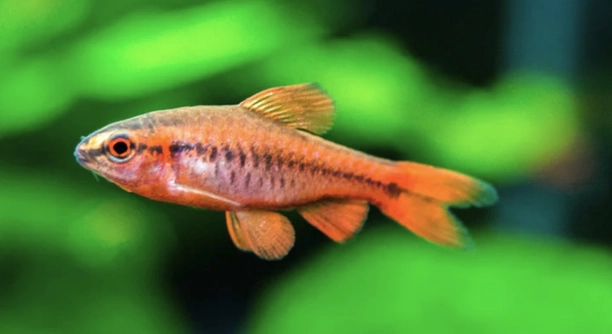
Cherry barbs are popular aquarium fish, known for their small size and vibrant colors. Many aquarium owners enjoy watching them swim around, but understanding what affects their activity levels can help you provide the best care possible.
Several factors influence cherry barb activity levels, including water quality, tank size, temperature, diet, and social interactions. Stressors such as poor conditions or incompatible tank mates can also impact their movement and behavior.
Learning about these factors can help you ensure that your cherry barbs are active and healthy. Proper care and understanding of their needs will make a noticeable difference in their behavior and overall well-being.
Water Quality and Temperature
Water quality plays a significant role in your cherry barb’s activity. If the water is not clean or has the wrong pH, they can become stressed and less active. You need to make sure the water is regularly filtered and free of harmful toxins. Ideal water conditions include a pH level between 6.0 and 7.5, with soft to moderately hard water. Regular water changes are necessary to keep things balanced, and a good filtration system helps ensure that debris doesn’t accumulate. Temperature also matters—cherry barbs prefer warmer water, around 72°F to 80°F, so maintaining this range will help keep them more active and lively.
Maintaining clean, warm water is crucial to keeping your cherry barbs moving. Make sure to test water parameters regularly to catch any imbalances.
Keeping the water clean and at the right temperature will reduce stress and make it easier for your cherry barbs to thrive. They will be more likely to swim freely, interact with tank mates, and feed actively when conditions are right. A stable environment encourages their natural behavior, keeping them healthy and engaged.
Tank Size and Space
Tank size affects how much space your cherry barbs have to swim around. If the tank is too small, they may feel crowded and less active, which can also lead to territorial disputes. A larger tank gives them the freedom to explore and swim at will. For a small group of cherry barbs, a tank of at least 20 gallons is ideal. This provides enough space for them to feel secure and reduces the chances of aggression. Ensuring that they have plenty of room to swim encourages natural behaviors, making your aquarium more enjoyable to watch.
A spacious tank promotes a healthy and active environment for your cherry barbs.
In addition to tank size, providing plenty of plants and decorations also helps by creating hiding spots and swimming pathways. Cherry barbs like to dart in and out of plants and structures, mimicking their natural habitat. The more space and variety they have, the more confident they will feel. This encourages them to swim around freely, creating a more dynamic display in your aquarium. Overcrowding or poorly designed setups can reduce activity and make them feel stressed, leading to lethargy.
Diet and Nutrition
A balanced diet is essential for keeping your cherry barbs active. Poor nutrition can lead to sluggishness and lack of interest in swimming. Providing them with a mix of high-quality flakes, pellets, and occasional live or frozen food can ensure they get the nutrients they need. Overfeeding, however, can also harm their activity levels. It’s important to avoid giving too much food at once, as this can affect water quality and cause them to become lethargic. Feeding them twice a day is often enough for cherry barbs to stay active and healthy.
A variety of foods can improve their overall well-being. Live foods such as brine shrimp, daphnia, and bloodworms offer extra stimulation, encouraging them to swim actively while hunting.
A nutritious diet enhances their energy levels and supports their immune system. Cherry barbs are omnivores, so incorporating both plant-based and animal-based food sources helps replicate their natural diet. When their nutritional needs are met, they are more likely to exhibit energetic behavior. If they are underfed or provided low-quality food, you may notice reduced swimming activity or a lack of interest in exploring their environment.
Social Environment and Tank Mates
Cherry barbs are social fish, and their activity levels can be influenced by the company they keep. If they are kept alone or with incompatible tank mates, they may become stressed or shy. Adding a small group of cherry barbs encourages social behavior, which often leads to more active swimming. They do best in groups of at least five to six, allowing them to interact and explore together. Having friendly tank mates, like peaceful tetras or rasboras, also helps promote activity. Aggressive fish can cause stress, making them retreat into hiding more often.
Choosing peaceful tank mates can make a big difference in keeping your cherry barbs engaged. They will feel more secure and comfortable in the presence of other non-aggressive species.
Cherry barbs are known to be more active when they feel secure in their social environment. Tank mates like peaceful bottom dwellers or slow-moving fish can provide balance without causing tension. Stress can make cherry barbs less active, leading to a lack of energy or interest in swimming. In contrast, a harmonious environment encourages them to explore, swim, and interact with both their surroundings and other fish. Ensuring your tank has suitable companions helps maintain an active and healthy group of cherry barbs.
Lighting and Photoperiod
Proper lighting is key to maintaining active cherry barbs. Too much light can cause stress, while too little can make them sluggish. Cherry barbs thrive with a consistent day-night cycle, so it’s important to provide about 10 to 12 hours of light each day. Too long of a light period can lead to algae growth and stress them out. On the other hand, providing them with periods of darkness mimics their natural environment, helping them maintain a healthy activity level.
Adjust the lighting to keep your cherry barbs feeling comfortable. Use a timer to maintain a consistent schedule.
Cherry barbs tend to be more active when they have a regular day-night cycle. The light should not be too harsh, as that can stress them out. Providing adequate rest at night ensures they’re ready to swim actively the next day. The right balance of light can promote healthy behavior, with periods of both brightness and darkness.
Water Movement
Water movement influences cherry barbs’ activity. They are naturally found in slow-moving waters, so overly strong currents may discourage them from swimming freely. A light water flow is ideal for them to feel comfortable and explore their tank. If your filter or pump creates strong currents, consider adding a sponge filter to reduce the flow. Too much movement can make your fish retreat and become more sedentary, while gentle currents encourage them to swim more.
A soft water flow is the most suitable for cherry barbs.
Adjust the water flow to ensure it’s not too forceful for your cherry barbs. Slow-moving water allows them to feel more at ease, which in turn boosts their energy levels and encourages movement. When the flow is too strong, they may avoid swimming in certain parts of the tank. Providing calm conditions helps them feel secure, fostering natural activity.
FAQ
What size tank do cherry barbs need?
Cherry barbs do best in tanks of at least 20 gallons, especially if you plan to keep a small group. A bigger tank provides more space for swimming and reduces stress. It’s also easier to maintain water quality in a larger tank. Crowding can lead to less activity, so giving them enough space to move around encourages them to be more energetic.
How many cherry barbs should I keep together?
It’s best to keep cherry barbs in groups of at least five or six. They are social fish, and keeping them in a group helps them feel secure and encourages natural behavior. When kept alone, they may become stressed and less active. A group allows them to interact and swim together, keeping them engaged and lively.
What temperature should the water be for cherry barbs?
Cherry barbs thrive in warm water, ideally between 72°F and 80°F (22°C to 27°C). If the temperature drops too low, they may become lethargic and less active. A stable temperature helps them stay healthy and energetic, so it’s important to use a reliable aquarium heater to maintain this range.
Do cherry barbs need a filter in their tank?
Yes, a filter is essential for keeping the water clean and free of toxins. Cherry barbs are sensitive to water quality, and a filter helps ensure their environment is safe and stable. However, be careful not to have a filter that produces a strong current. Cherry barbs prefer gentle water movement.
Can cherry barbs live with other fish?
Cherry barbs are peaceful and can live with a variety of other fish, but they do best with other calm species. Avoid keeping them with aggressive or overly large fish, as these may stress them out or cause them to hide. Compatible tank mates include peaceful tetras, rasboras, and small catfish.
What should I feed cherry barbs?
Cherry barbs are omnivores, so they require a balanced diet of both plant-based and animal-based foods. High-quality flakes or pellets should be their main food source, supplemented with occasional live or frozen foods like brine shrimp, bloodworms, and daphnia. Offering variety ensures they get all the nutrients they need to stay healthy and active.
How often should I feed cherry barbs?
Cherry barbs should be fed two to three times a day, with small amounts of food. Overfeeding can lead to poor water quality and can cause them to become sluggish. Monitor how much they eat to avoid excess food that can spoil in the tank. It’s better to feed smaller amounts more frequently.
Why are my cherry barbs not active?
There could be several reasons for inactivity, including poor water quality, incorrect temperature, stress, or lack of proper diet. Check the water parameters (pH, temperature, and ammonia levels), and ensure the tank is large enough and has compatible tank mates. Poor lighting, overcrowding, or weak water movement can also contribute to low activity levels.
How do I know if my cherry barbs are stressed?
Signs of stress in cherry barbs include hiding, loss of color, decreased swimming activity, or aggressive behavior toward tank mates. Stress can be caused by poor water quality, incompatible fish, or improper tank conditions. Regular water changes and a peaceful environment can help reduce stress.
Can I keep male and female cherry barbs together?
Yes, male and female cherry barbs can be kept together. However, males may become more active and colorful when they are in the presence of females, especially during the breeding season. If you want to breed them, make sure there are several females to balance out the male-to-female ratio.
How long do cherry barbs live?
Cherry barbs typically live for 3 to 5 years if they are well cared for. Providing them with a stable environment, proper diet, and regular water changes will help them live a long, healthy life. Stress and poor water conditions can shorten their lifespan.
Are cherry barbs hardy fish?
Cherry barbs are considered fairly hardy but still need proper care to thrive. They are more adaptable to different water conditions than some species, but poor water quality, sudden temperature changes, or stress can affect their health. Regular maintenance and monitoring of the tank environment are key to their well-being.
Do cherry barbs need a lot of plants in their tank?
While cherry barbs do not require a heavily planted tank, they do enjoy having some plants and hiding spots. Live plants help replicate their natural habitat and provide areas for the fish to explore. Cherry barbs like swimming in and out of plants, and it also provides them with places to rest and hide when they feel threatened.
Can cherry barbs be kept with shrimp?
Cherry barbs can be kept with shrimp, but there is a chance they may nip at small shrimp, especially during the breeding season when they become more territorial. It’s best to keep them with larger or adult shrimp to reduce the risk. Also, ensure the shrimp have enough hiding spaces to avoid being stressed.
What size is a full-grown cherry barb?
Cherry barbs typically grow to about 1.5 to 2 inches (4 to 5 cm) in length. They are small fish, which makes them ideal for smaller tanks or community setups. Their size also means they are generally not aggressive toward larger fish, as they stay on the smaller side throughout their life.
Can cherry barbs be bred in an aquarium?
Yes, cherry barbs can be bred in an aquarium. To breed them, you’ll need to provide a separate breeding tank or space where the fish feel secure. Male cherry barbs will display more vibrant colors to attract females. Once eggs are laid, remove the parents to prevent them from eating the eggs.
Final Thoughts
Cherry barbs are hardy, peaceful fish that can make a great addition to any aquarium. Their small size and calm nature allow them to live comfortably in community tanks, provided they have compatible tank mates. With proper care, including the right water conditions, a balanced diet, and a suitable tank setup, cherry barbs can remain active and healthy for several years. Ensuring they have enough space, proper lighting, and gentle water movement will make a significant difference in their behavior and overall well-being.
One of the most important aspects of caring for cherry barbs is maintaining a stable environment. Water quality plays a major role in their activity levels and general health. Keeping the water clean and at the right temperature helps reduce stress and encourages them to swim freely. Regular water changes and the use of a good filtration system are key components of a healthy tank. Monitoring parameters like pH, ammonia levels, and temperature will help keep your cherry barbs feeling comfortable and active. Additionally, proper lighting and a consistent day-night cycle will help support their natural behaviors.
Incorporating a balanced diet, a peaceful social environment, and suitable tank mates will also contribute to their health. Cherry barbs thrive in groups, so ensuring they are kept in adequate numbers is essential for their well-being. Peaceful fish like tetras or rasboras make excellent companions. When their social, dietary, and environmental needs are met, cherry barbs are sure to bring vibrant colors and lively movement to your aquarium. With the right care, these little fish will not only be active but will also enhance the beauty of your tank for years to come.

Hello,
If you enjoy the content that we create, please consider saying a "Thank You!" by leaving a tip.
Every little bit helps us continue crafting quality advice that supports the health, happiness, and well-being of pets around the world, for pets of all shapes, sizes, and species.
We really appreciate the kindness and support that you show us!