
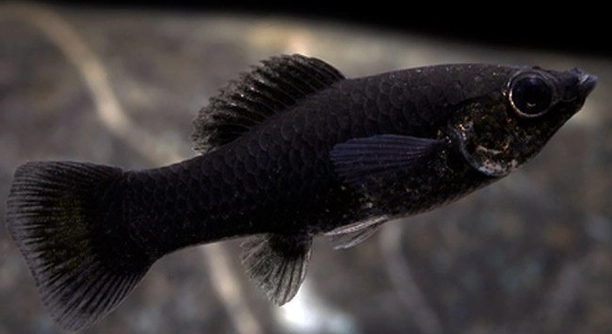
Is your black molly spending more time near the edges of the tank than swimming freely in the middle? Many fish owners notice this behavior and wonder if something in the tank is affecting their pet’s comfort or health.
The primary reason black mollies skim the tank edges is related to water quality, oxygen levels, and stress factors. Inadequate filtration, low oxygen concentration, or sudden environmental changes can cause fish to seek the tank boundaries as a safer, calmer space.
Observing your molly’s behavior closely can help identify underlying issues and improve its environment for healthier, more comfortable swimming habits.
Water Quality and Oxygen Levels
Poor water quality and low oxygen levels are common reasons black mollies stay near tank edges. High levels of ammonia, nitrites, or nitrates can irritate their gills, making it uncomfortable to swim in the open water. Temperature fluctuations also affect oxygen solubility, causing fish to seek areas with more stable conditions. Proper filtration and regular water changes are essential to maintain clean water and consistent oxygen levels. Mollies prefer slightly alkaline water with a temperature around 75–82°F, which supports their overall health. Plants can improve oxygenation and provide hiding spaces, giving fish a sense of security. Observing your molly’s behavior during feeding or cleaning routines may reveal stress triggers, helping you adjust conditions. Keeping a routine and testing water parameters regularly ensures that your fish remain active and healthy. A well-maintained tank encourages natural swimming patterns and reduces edge-skimming behavior.
Regular water testing and filtration maintenance prevent oxygen depletion and chemical buildup, keeping mollies comfortable and active.
Improving water quality involves testing parameters like ammonia, nitrite, nitrate, and pH weekly. Partial water changes of 20–25% help stabilize these levels. Installing an air stone or adjusting the filter flow can increase oxygen availability. Plants and decorations offer hiding spots, reducing stress and giving fish areas to explore safely. Avoid overcrowding, as excess fish increase waste and lower oxygen. Feeding small portions prevents uneaten food from decomposing and affecting water quality. Consistent tank maintenance not only reduces edge-skimming behavior but also improves overall fish vitality. Mollies respond quickly to improved water conditions, often returning to mid-tank swimming once they feel secure. Observing changes after adjustments can guide further steps to maintain a stable, healthy environment.
Stress and Environmental Factors
Stress is a major factor affecting black molly behavior, especially near tank edges.
Stress in mollies can result from sudden noise, rapid water changes, or aggressive tank mates. Overcrowded tanks limit space and increase tension, causing edge swimming as a coping mechanism. Lighting that is too bright or inconsistent disrupts their routine and may increase hiding behavior. Even minor changes in temperature or pH can trigger stress responses. Providing stable conditions, gentle handling, and compatible companions helps mollies feel safe. Decorations and plants offer refuge, allowing fish to regulate their activity. Watching for signs like clamped fins, rapid breathing, or reduced feeding indicates stress, prompting immediate adjustments. A calm environment promotes natural behaviors, including free swimming in the tank center, and enhances health and longevity.
Minimizing stress involves consistent routines, stable water conditions, and thoughtful tank layout.
Managing stress requires a combination of environmental control and attentive care. Start by checking the tank layout for enough open swimming space and hiding areas. Maintain consistent lighting cycles, avoid sudden movements near the tank, and limit loud noises around the aquarium. Pair mollies with compatible fish to prevent bullying and ensure enough space for all inhabitants. Regular observation allows you to notice early signs of stress, such as edge-skimming or lethargy, enabling prompt intervention. Adjust feeding routines to reduce competition and prevent leftover food from affecting water quality. Gradually acclimating new fish or decorations prevents sudden stress spikes. Providing a stable, enriched environment encourages black mollies to explore more freely and reduces anxiety-driven behaviors, improving their overall health and well-being.
Feeding Habits and Nutrition
Overfeeding or poor diet can influence a black molly’s swimming patterns. Uneaten food decomposes, lowering water quality and causing discomfort, while nutrient deficiencies may reduce energy, making mollies prefer tank edges over active swimming.
A balanced diet is crucial for mollies’ health and behavior. Feed a mix of high-quality flake food, frozen or live brine shrimp, and vegetable matter like blanched spinach. Offer small portions two to three times daily to prevent leftover food from polluting the tank. Nutritional variety ensures they receive essential proteins, fats, and vitamins. Mollies are naturally active and curious, but poor nutrition or inconsistent feeding can make them lethargic and reluctant to explore the tank center. Monitoring feeding habits allows early detection of potential problems affecting swimming behavior and overall vitality.
Observing your molly during feeding times provides insight into dietary issues. Ensure all fish receive adequate portions and remove excess food promptly. Adjusting feeding routines gradually helps mollies maintain energy and encourages normal swimming patterns. Proper nutrition supports immune function, color vibrancy, and growth, while reducing edge-skimming tendencies caused by weakness or stress. Consistent feeding schedules also establish a sense of routine, giving mollies confidence to move freely around the tank.
Tank Size and Layout
Small or overcrowded tanks restrict movement and can cause black mollies to linger near edges.
Tank size and structure directly affect mollies’ comfort and swimming freedom. A minimum of 20 gallons is recommended for a small group, with longer tanks preferred for horizontal swimming. Dense decorations or poorly arranged plants can block open swimming areas, forcing mollies to hug the perimeter. Ensuring clear pathways and adequate mid-tank space allows natural exploration and reduces stress-related edge behavior. Regular rearrangement of decorations can provide stimulation without causing sudden stress. Proper tank size and thoughtful layout contribute to healthier activity levels and improved overall well-being.
Creating a suitable environment involves balancing open space and shelter. Place taller plants and hiding spots near tank edges while keeping the center clear for swimming. Avoid overcrowding both with fish and decorations, allowing mollies to establish territory and move freely. Flow from filters should be moderate, not too strong, so fish are not forced against edges. Regularly assess the tank as fish grow or new additions are made. Adjusting layout incrementally prevents sudden disruptions that may trigger edge-skimming. A well-planned tank promotes confident, mid-tank swimming, encourages interaction with other fish, and supports long-term health and vitality.
Water Temperature Stability
Sudden changes in water temperature can make black mollies seek the tank edges, where conditions may feel more stable. Maintaining a consistent temperature helps them stay comfortable and active throughout the tank.
Using a reliable heater and thermometer ensures the water remains within 75–82°F. Gradual adjustments prevent shock, allowing mollies to swim freely and reduce edge-skimming behavior.
Tank Companions and Social Dynamics
Aggressive or overly active tank mates can stress black mollies, causing them to cling to edges for safety. Compatible, calm species help mollies feel secure and encourage normal swimming patterns. Observing interactions is key to preventing territorial disputes or bullying.
Signs of Illness
Edge-skimming can indicate illness in black mollies. Watch for clamped fins, rapid breathing, or discoloration, which may signal health issues needing attention.
Maintaining water quality, proper nutrition, and stress-free conditions supports overall health and helps prevent edge-focused behavior caused by disease or discomfort.
FAQ
Why does my black molly stay at the surface?
Black mollies may spend time at the surface to access higher oxygen levels, especially if the water below is poorly oxygenated. Surface skimming can also occur after feeding, as fish look for floating food or skim for debris on top. Proper aeration and water movement help balance oxygen levels throughout the tank, encouraging more natural swimming patterns.
Can my molly be stressed from other fish?
Yes, aggressive or overly active tank mates can make mollies anxious. Stress causes edge-hugging behavior as they seek security near decorations or tank walls. Keeping compatible fish and observing interactions reduces tension. Calm, similar-sized species usually create a peaceful environment, promoting mid-tank swimming.
Does water temperature affect their swimming habits?
Absolutely. Black mollies are sensitive to sudden temperature changes. Water that is too cold slows metabolism, making them less active, while hot water reduces oxygen availability. Using a consistent heater and thermometer maintains a stable environment, which supports normal swimming behavior and reduces edge-skimming.
Can poor water quality make mollies stick to edges?
Yes, high ammonia, nitrite, or nitrate levels irritate gills, causing discomfort. Mollies often seek edges or shallow areas where conditions feel less stressful. Regular water testing, filtration maintenance, and partial water changes prevent chemical buildup, helping fish swim confidently throughout the tank.
Does diet influence edge-skimming behavior?
Feeding practices can affect activity. Overfeeding creates waste that degrades water quality, while nutrient deficiencies lower energy, making mollies cling to tank edges. A balanced diet of high-quality flake food, live or frozen protein, and vegetables keeps them active. Removing uneaten food prevents stress-related behavior.
Can tank size or layout be a factor?
Yes, small tanks or crowded layouts restrict swimming space, prompting mollies to stay near edges. Open mid-tank space encourages natural movement. Placing plants and decorations along edges while leaving central areas clear allows fish to explore safely and reduces stress-driven behaviors.
How can I tell if my molly is sick?
Edge-skimming combined with clamped fins, rapid breathing, or discoloration may indicate illness. Mollies respond quickly to improved water quality and stable conditions, so early detection and care are critical. Quarantining sick fish and adjusting tank conditions can prevent further health issues.
Is lighting important for my black molly?
Lighting impacts behavior. Too bright or inconsistent lighting may stress mollies, causing them to hug edges or hide. Moderate, stable lighting with natural day-night cycles helps fish feel secure and encourages exploration of the entire tank.
Do mollies prefer certain areas of the tank naturally?
While they may explore edges occasionally, black mollies thrive in mid-tank areas where water conditions and oxygen are stable. Creating a balanced environment with open swimming space and hiding spots satisfies their instinct to explore without feeling threatened.
What are simple steps to reduce edge-skimming?
Focus on stable water parameters, proper diet, compatible tank mates, and adequate space. Regular monitoring of temperature, oxygen levels, and chemical balance ensures comfort. Thoughtful tank layout with mid-tank clearance and edge shelters encourages confident swimming throughout the aquarium.
How long does it take for mollies to adjust?
Adjustment varies by individual fish. Once water quality, temperature, nutrition, and stress factors are optimized, many mollies begin exploring the tank center within days to a few weeks. Consistent care accelerates recovery and improves overall activity.
Can adding plants or decorations help?
Yes, plants and decorations provide hiding spots and reduce stress. Placing them along edges while leaving central areas open supports natural behavior. Mollies feel secure, reducing edge-skimming and promoting more balanced, mid-tank activity.
Do black mollies need companions?
Mollies are social fish, so having compatible companions prevents isolation. Small groups of similar species encourage normal swimming and reduce anxiety-driven edge behaviors. Avoid aggressive or overly dominant fish to maintain a peaceful environment.
Are there environmental triggers I might overlook?
Yes, sudden noises, vibrations, or frequent tank rearrangements can stress mollies. Even minor changes in light, temperature, or water chemistry can trigger edge-hugging. Consistency in daily care routines fosters confidence and encourages mid-tank activity.
Can edge-skimming indicate long-term problems?
Persistent edge-skimming may signal ongoing issues like poor water quality, inadequate nutrition, or chronic stress. Monitoring behavior and addressing environmental factors promptly ensures long-term health and encourages natural swimming patterns throughout the tank.
Will edge-skimming stop on its own?
Sometimes it may reduce naturally as fish acclimate, but most often it persists until underlying factors are corrected. Regular maintenance, proper tank setup, and attentive care are key to encouraging confident, mid-tank swimming in black mollies.
Are all black mollies prone to this behavior?
Not all. Individual temperament, tank conditions, and stress levels influence whether a molly will skim edges. Observing each fish and tailoring care to its needs ensures more consistent and healthy activity across the tank.
Can I use supplements or additives to help?
Certain water conditioners, vitamins, or electrolytes can support molly health, but they do not replace proper water quality, diet, or environment. Use supplements cautiously and according to instructions to avoid creating additional stress or chemical imbalance.
How do I maintain confidence in my fish long-term?
Consistent care, monitoring, and stable tank conditions build trust in the environment. Avoid sudden changes, provide open swimming space, maintain water quality, and offer balanced nutrition. Confident mollies swim freely, explore their surroundings, and display vibrant, healthy behavior throughout the tank.
Is professional help ever necessary?
Yes, if edge-skimming is accompanied by severe illness, unexplained lethargy, or persistent abnormal behavior. A veterinarian specializing in fish can provide accurate diagnosis and treatment options to ensure long-term health and prevent complications.
Final Thoughts
Observing a black molly constantly skimming the edges of the tank can feel concerning, but it is often a sign that the fish is responding to environmental conditions. Mollies are sensitive to water quality, temperature, and oxygen levels. Even small fluctuations in these factors can make them seek calmer areas along the tank edges. Paying close attention to their behavior can provide valuable insight into how comfortable they are in their environment. Maintaining clean water through regular testing, partial water changes, and proper filtration is essential. A balanced diet and consistent feeding schedule also play an important role in keeping mollies active and healthy. By addressing these basic needs, the fish will feel secure and more likely to explore the tank freely rather than staying near the edges.
Stress is another significant factor that affects edge-skimming behavior. Black mollies are social but cautious fish, and they can become anxious when their surroundings are unstable. Sudden changes in lighting, tank layout, or the addition of aggressive tank mates may cause them to retreat to safer areas. Providing hiding spots with plants and decorations along the tank edges helps mollies feel secure while allowing the center of the tank to remain open for swimming. Consistent water temperature and a calm environment reduce stress and encourage natural behavior. Over time, mollies will adjust and begin swimming more confidently in mid-tank areas once they feel safe. Even minor environmental improvements can have a noticeable effect on their behavior and overall well-being.
Long-term care and observation are key to preventing edge-skimming from becoming a persistent issue. Mollies that are well-fed, live in a suitable tank, and experience minimal stress are more likely to show healthy activity patterns. Regularly checking water parameters, ensuring compatible tank mates, and monitoring for signs of illness can prevent behavior problems before they start. Taking small, consistent steps improves both the fish’s comfort and longevity. Edge-skimming is often a signal rather than a problem itself, and responding appropriately can help mollies thrive. With careful attention to water quality, diet, stress reduction, and tank layout, black mollies can swim freely, display vibrant colors, and maintain their natural energy levels. Consistent care supports not only their behavior but also their overall health, creating a balanced and enjoyable aquarium environment for both the fish and the caretaker.

Hello,
If you enjoy the content that we create, please consider saying a "Thank You!" by leaving a tip.
Every little bit helps us continue crafting quality advice that supports the health, happiness, and well-being of pets around the world, for pets of all shapes, sizes, and species.
We really appreciate the kindness and support that you show us!