
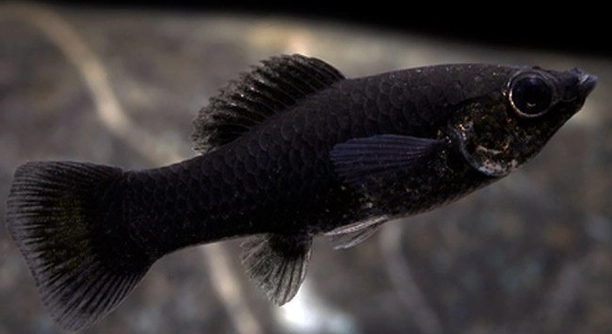
Black mollies are lively fish that thrive in a community tank. Choosing compatible tankmates is essential for their well-being. Their behavior, temperament, and activity levels influence how well they coexist with others in shared spaces.
Black mollies prefer tankmates that are peaceful, similar in size, and active swimmers. Compatibility is influenced by water parameter tolerance, social behavior, and non-aggressive tendencies, ensuring stress-free interactions and promoting a healthy, balanced aquarium environment for all inhabitants.
Selecting the right companions can transform your aquarium into a harmonious space. Each choice plays a vital role in the happiness of your black mollies.
Calm and Peaceful Nature
A calm and peaceful tankmate is essential for black mollies. They do best with fish that do not nip fins or chase others aggressively. Stressful interactions can affect their health and reduce their activity levels. Ideal companions move gently and avoid sudden bursts of speed that may startle black mollies. Peaceful fish allow mollies to swim confidently and explore the tank without feeling threatened. Community tanks with aggressive or overly dominant species can lead to hiding, loss of appetite, and weakened immune systems. Black mollies enjoy a balanced environment where all fish coexist without constant conflict. Soft-tempered species, such as certain tetras or rasboras, often match well because they maintain steady behavior and rarely engage in fights. Observation of the tank daily helps in understanding which fish maintain a calm presence and which may disturb harmony. Providing adequate hiding spaces and plants enhances the sense of safety, making interactions smoother.
Peaceful tankmates reduce stress and promote active, healthy behavior. Mollies thrive alongside gentle, non-aggressive companions.
By pairing black mollies with calm fish, you create a stable and inviting habitat. They will swim more openly, interact naturally, and display their full range of colors. Peaceful companions reduce territorial disputes, making feeding easier and ensuring all fish get enough nutrition. Over time, calm tankmates can help mollies feel secure, lowering the risk of illness caused by stress. Plants, rocks, and decorations add comfort, allowing mollies to explore or retreat when needed. Choosing compatible species based on temperament rather than size alone is crucial. Observing early interactions can prevent long-term stress or aggression, ensuring that the aquarium remains a safe, lively environment. Regular monitoring of behavior and adjusting the community as needed ensures harmony continues. A tank with well-matched personalities fosters natural activity, allowing mollies to exhibit playful swimming patterns, interact socially, and maintain vibrant health. The combination of calm companions, structured spaces, and proper care leads to a thriving aquatic habitat.
Similar Size and Swimming Speed
Tankmates should be close in size to black mollies. Fish that are too large may intimidate them, while very small fish might be treated as prey.
Matching swimming speed helps black mollies stay active and reduces frustration in the tank.
When tankmates share a similar size and movement pace, interactions are smoother and less stressful. Black mollies enjoy companions that keep up with their swimming without outcompeting them for food. Fast or slow swimmers can disrupt feeding routines and create tension, causing mollies to hide or avoid certain areas. Observing how fish move together is a practical way to ensure compatibility. By keeping species with similar swimming habits, you maintain a balanced and harmonious tank environment. Proper matching also prevents accidental injuries caused by sudden chasing or bumping. Over time, mollies and their similarly paced companions establish a predictable rhythm, making daily tank management easier. Regularly checking growth rates and adjusting tankmates when necessary preserves this balance. Including hiding spots and open swimming areas benefits all fish, supporting natural behavior while maintaining order. This approach allows black mollies to thrive physically and socially, resulting in a more enjoyable and stress-free aquarium experience.
Non-Aggressive Temperament
Black mollies do best with fish that rarely show aggression. Aggressive tankmates can stress them, causing hiding or loss of appetite. Calm behavior ensures peaceful coexistence and promotes healthy social interactions.
Non-aggressive fish allow black mollies to swim openly and explore without fear. Aggression can lead to torn fins, infections, or constant stress, which weakens the immune system. Species such as platies, corydoras, or peaceful tetras are suitable choices because they do not challenge mollies for territory or food. Observing early behavior helps prevent long-term conflicts and allows timely adjustments in tank composition.
Choosing non-aggressive companions supports a balanced aquarium. Mollies respond well to calm interactions, resulting in healthier fish. Proper selection avoids fights, encourages natural swimming, and makes feeding times smoother. Fish that tolerate each other’s presence foster a stable environment. Over time, mollies will show more vibrant colors, swim more confidently, and interact naturally. Regular monitoring ensures any sudden changes in temperament are addressed before problems escalate. Pairing peaceful species with black mollies creates a low-stress habitat that promotes long-term well-being, growth, and social behavior.
Similar Water Parameter Needs
Tankmates must tolerate the same water conditions as black mollies. Differences in temperature or pH can stress or harm them. Choosing compatible species ensures stability in the aquarium environment.
Matching water requirements prevents health issues and maintains a consistent environment. Black mollies prefer slightly alkaline, moderately hard water with temperatures between 72-82°F. Species that thrive in similar conditions avoid sudden stress from changes in water chemistry, which can cause illness or behavioral problems. Regular testing helps monitor pH, hardness, and temperature to ensure all tankmates remain comfortable.
Maintaining species with similar water needs creates a reliable and healthy aquarium environment. Fish that require different parameters may struggle, showing signs of fatigue, disease, or irregular behavior. Consistency in water conditions helps black mollies maintain strong immune systems, vibrant coloration, and active swimming patterns. Choosing species that align with the same water tolerance simplifies tank management and reduces the need for constant adjustments. With proper planning, mollies and their compatible companions can flourish together. Observing behavior regularly allows for quick action if any species shows signs of stress, ensuring the tank remains harmonious. Proper filtration and regular water changes support stability, making it easier to maintain a thriving community.
Active and Social
Black mollies enjoy tankmates that are active without being overly aggressive. They respond well to fish that swim consistently and interact within the tank community.
Active companions keep mollies engaged and encourage natural swimming patterns. Passive or lazy species may cause mollies to dominate the space, leading to boredom or stress.
Compatibility with Live Plants
Tankmates should avoid uprooting or damaging live plants. Mollies appreciate a well-planted environment that offers hiding spots and reduces stress. Plants also support natural behaviors, such as grazing and exploring, providing a comfortable and balanced habitat.
Similar Feeding Habits
Choosing fish with similar diets prevents competition and ensures all species receive proper nutrition. Mollies are omnivores, and tankmates that accept flakes, pellets, or occasional live food fit best. Balanced feeding promotes health, reduces stress, and maintains harmony in the tank.
What are the best tankmates for black mollies?
The best tankmates are peaceful, similarly sized fish that share compatible water parameters. Platies, guppies, peaceful tetras, and corydoras often do well. Avoid aggressive species or those prone to fin-nipping. Choosing compatible companions ensures a harmonious environment, reduces stress, and supports natural behaviors.
Can black mollies live with goldfish?
Goldfish are not ideal companions. They prefer cooler water and produce a lot of waste, which can affect water quality for mollies. Differences in temperature and pH tolerance make cohabitation risky, potentially stressing or harming both species over time.
How many tankmates should I keep with black mollies?
A small group of 4 to 6 compatible fish works best in a moderately sized tank. Overcrowding can cause stress, aggression, and water quality issues. Maintaining proper filtration and space allows black mollies to swim freely while interacting comfortably with their companions.
Will black mollies bother smaller fish?
Generally, black mollies are non-aggressive and do not prey on smaller fish if well-fed. However, tiny fish or fry may still be at risk if there’s competition for food. Providing hiding spaces and monitoring interactions helps reduce potential conflicts.
Do black mollies need hiding spots in the tank?
Yes, even in a peaceful community tank, hiding spots are essential. Plants, rocks, and decorations offer shelter and reduce stress. Black mollies feel more secure when they can retreat, which supports healthier behavior, better appetite, and vibrant colors.
Can black mollies live with aggressive species?
It is not recommended. Aggressive fish can chase, nip fins, or intimidate black mollies, causing stress and potential injury. Peaceful community species are safer, allowing mollies to thrive without constant conflict or fear.
How do I introduce new tankmates to black mollies?
Introduce new fish slowly and monitor their behavior closely. Quarantining newcomers before adding them helps prevent disease. Gradual acclimation to the tank’s water parameters reduces stress and allows black mollies to adjust to the new companions.
Are black mollies compatible with shrimp or snails?
Many mollies coexist peacefully with shrimp and snails, especially larger species. However, very small shrimp may be eaten, and snails may be disturbed during feeding. Providing ample hiding spaces ensures these invertebrates remain safe while maintaining a balanced ecosystem.
How important is tank size for black mollies and their companions?
Tank size is critical. Black mollies need space to swim, and adding compatible tankmates requires extra room to prevent stress or territorial disputes. A minimum of 20 gallons for a small group is recommended, with larger tanks offering more stability and comfort.
What water parameters suit black mollies and their tankmates?
Black mollies prefer slightly alkaline, moderately hard water at temperatures between 72-82°F. Choosing tankmates that tolerate similar conditions prevents stress, supports health, and reduces maintenance. Regular testing of pH, hardness, and temperature is essential for a stable, thriving aquarium.
Can black mollies live with bettas?
Bettas can be unpredictable. Male bettas may be aggressive toward black mollies, especially males or long-finned varieties. Female bettas may coexist better, but careful observation is needed to ensure no fin-nipping or chasing occurs, maintaining a peaceful tank environment.
How do feeding habits affect tankmate selection?
Tankmates with similar diets avoid competition and aggression during feeding. Mollies eat flakes, pellets, and occasional live foods. Choosing companions that accept the same diet ensures all fish receive proper nutrition while minimizing stress and fighting for food.
Are black mollies schooling fish?
Black mollies are not strict schoolers but enjoy the presence of other fish. Small groups of compatible companions help them feel secure and encourage natural social behavior, making them more active and interactive in the aquarium environment.
Do black mollies prefer live plants in the tank?
Yes, live plants provide grazing opportunities, hiding spaces, and environmental enrichment. Tankmates that respect plants support this setup, preventing damage and maintaining a healthy, natural environment where mollies can thrive both physically and socially.
How do I monitor compatibility between black mollies and new tankmates?
Observe interactions closely during the first days. Look for signs of stress, aggression, or avoidance. Mollies should swim freely, feed normally, and display normal behavior. Early intervention ensures long-term compatibility and prevents problems from escalating, preserving a harmonious aquarium environment.
Can black mollies live with cichlids?
Most cichlids are not suitable. They tend to be territorial and aggressive, which can stress or injure mollies. Only very peaceful, small cichlid species might be considered, but careful observation is necessary to ensure safety and maintain a balanced tank.
How often should I check water quality for mixed tanks with black mollies?
Frequent monitoring is important. Weekly checks of pH, hardness, ammonia, nitrite, and nitrate levels help maintain a stable environment. Tankmates with similar water requirements reduce fluctuations, but consistent testing ensures health, prevents stress, and supports long-term well-being.
What is the role of decorations in a tank with black mollies?
Decorations create hiding spots, reduce stress, and allow natural exploration. Tankmates should coexist without disturbing these areas. Rocks, plants, and ornaments help maintain a structured environment, giving mollies and their companions defined spaces while encouraging healthy, natural behaviors.
Can black mollies adjust to new tankmates over time?
Yes, if introduced carefully and housed with compatible species. Gradual acclimation and observation help mollies adapt. Over time, they establish routines, social hierarchies, and comfort zones, leading to a stable and peaceful community aquarium where all fish thrive.
Do black mollies prefer male or female companions?
Gender is less important than temperament and size. However, having a mix of males and females may lead to breeding activity. Ensure the tank can handle fry or separate species if needed to prevent overpopulation and maintain harmony.
How do I prevent bullying in a mixed tank with black mollies?
Provide hiding spaces, maintain proper stocking levels, and select peaceful tankmates. Observe behavior closely, separating aggressive individuals if necessary. Balanced tank composition minimizes stress, prevents fin-nipping, and promotes social interaction, creating a healthier environment for black mollies and their companions.
What signs indicate black mollies are stressed by tankmates?
Signs include hiding, clamped fins, loss of appetite, pale coloration, or lethargy. Stress can lead to illness if unaddressed. Observing interactions, providing shelter, and adjusting tankmates promptly ensures the well-being of black mollies in a community aquarium.
How important is temperature consistency for black mollies and their tankmates?
Stable temperature is critical. Sudden changes can stress mollies and other fish, leading to disease or behavioral issues. Compatible species that tolerate the same temperature range reduce risk, supporting health, activity, and long-term stability in the aquarium.
Can black mollies live with swordtails or platies?
Yes, swordtails and platies are compatible due to similar size, temperament, and water preferences. They interact well, share similar feeding habits, and help create a peaceful, active community tank that supports the health and well-being of black mollies.
How do I handle aggression between black mollies and new fish?
Separate the aggressive fish immediately and observe behavior. Provide hiding spaces, adjust tank layout, or consider removing incompatible species. Early action prevents injury and stress, maintaining a safe and harmonious environment for black mollies and other tankmates.
What is the ideal community setup for black mollies?
A well-planted, spacious tank with peaceful, similarly sized, and compatible fish works best. Proper filtration, stable water parameters, hiding spots, and balanced feeding ensure all species thrive. Observation and gradual introductions maintain harmony and allow black mollies to display natural behavior.
Can black mollies live with danios or rasboras?
Yes, danios and small rasboras are good companions. They are active but non-aggressive, share similar water requirements, and match mollies’ swimming speed, promoting a balanced and stress-free environment in a community aquarium.
How do I prevent overpopulation when keeping black mollies?
Monitor breeding and separate males and females if necessary. Provide sufficient hiding spaces for fry or remove them to prevent overcrowding. Controlling population ensures tank stability, maintains water quality, and reduces stress for adult black mollies.
What routine care supports black mollies and their tankmates?
Regular water changes, testing parameters, monitoring behavior, and maintaining filtration are essential. Balanced feeding and plant care also help. Consistent care promotes health, activity, and longevity for mollies and their compatible companions.
Do black mollies interact differently with males and females of other species?
Behavior depends on temperament rather than gender. Peaceful companions, regardless of sex, generally coexist without conflict. Aggressive or overly dominant individuals, regardless of gender, may cause stress, making careful observation and species selection important.
How can I identify suitable tankmates for black mollies quickly?
Look for species with peaceful temperament, similar size, matching water requirements, and compatible swimming speed. Observing their behavior in a quarantine tank or consulting reliable references helps ensure compatibility before adding them to the community aquarium.
Can black mollies live with catfish?
Yes, most small, peaceful catfish like corydoras are suitable. They occupy the bottom layer, reducing competition for space and food while providing a complementary presence that enhances the aquarium’s social structure.
How do I balance feeding in a mixed tank with black mollies?
Feed according to species’ dietary needs, ensuring all fish receive sufficient nutrition. Observe during feeding to prevent bullying or food hoarding. Supplement with occasional live or frozen foods to meet omnivorous requirements and maintain health.
What signs show black mollies are happy with their tankmates?
Active swimming, bright coloration, social interaction, normal appetite, and playful behavior indicate comfort. Mollies that explore, interact, and feed without stress show they are well-adjusted to their companions and the tank environment.
Are black mollies compatible with livebearers only?
No, they can coexist with other peaceful species beyond livebearers. Compatibility depends on temperament, size, water parameters, and activity level, not strictly species type, allowing flexibility in community tank setups.
Can tank decorations reduce aggression among black mollies and other fish?
Yes, providing hiding spots, plants, and structures can minimize conflicts. Decorations create personal spaces, reduce territorial disputes, and allow fish to retreat when stressed, promoting harmony in a community aquarium.
How often should I observe interactions in a community tank with black mollies?
Daily observation is ideal. Monitoring behavior ensures early detection of aggression, stress, or illness. Quick action helps maintain a peaceful and healthy environment for black mollies and their tankmates.
Can black mollies live with gouramis?
Some smaller, peaceful gouramis may be compatible. Avoid larger or aggressive varieties. Careful observation is essential to prevent stress, fin-nipping, or territorial disputes in a shared aquarium.
How do I introduce multiple tankmates at once with black mollies?
Introduce them gradually, in small groups, and monitor behavior. Quarantining new fish and adjusting tank layout can prevent stress and aggression, allowing mollies to adapt comfortably to their new companions.
Are black mollies sensitive to water chemistry changes caused by tankmates?
Yes, sudden changes in pH, hardness, or temperature can stress them. Compatible species reduce drastic fluctuations, supporting stable water conditions and maintaining the health of black mollies in a community tank.
What is the best number of black mollies per tank?
A small group of 3 to 6 black mollies works well in a moderately sized tank. Enough space prevents overcrowding and ensures healthy social interactions with each other and compatible tankmates.
Can black mollies coexist with livebearer hybrids?
Yes, hybrids with peaceful temperaments, similar size, and water requirements are generally compatible. Observation is necessary to ensure no unexpected aggression occurs, maintaining a harmonious tank environment.
How do I prevent stress when introducing new tankmates to black mollies?
Acclimate new fish slowly, provide hiding spots, and monitor interactions. Quarantining newcomers and maintaining stable water parameters reduces stress and helps mollies adjust to new companions comfortably.
Are black mollies compatible with barbs?
Most barbs are too active and fin-nippy for black mollies. Only very peaceful barb species may be suitable, but careful observation is needed to prevent injuries or stress in the tank.
Can black mollies share a tank with multiple species?
Yes, as long as all species are peaceful, similarly sized, and share water and feeding requirements. Proper planning, hiding spots, and monitoring behavior ensure a balanced and harmonious community aquarium.
How important is monitoring social hierarchies in a tank with black mollies?
Very important. Even peaceful fish develop hierarchies. Observing interactions helps prevent bullying, ensures access to food, and maintains a low-stress environment where black mollies can thrive.
Do black mollies interact differently in male-only or female-only groups?
Yes, behavior may change slightly depending on social structure. Male-only groups can show mild dominance displays, while mixed groups promote more natural social behaviors. Hiding spots reduce stress from minor competition or chasing.
Can black mollies live with fast-moving fish?
Compatibility depends on matching swimming speed. Excessively fast fish may outcompete mollies for food or create stress. Ideally, companions should maintain a pace that allows mollies to swim comfortably without constant avoidance.
How do I prevent fin damage in black mollies with other tankmates?
Avoid fin-nipping species, provide ample space, and add plants or decorations for hiding. Monitoring behavior and removing aggressive fish prevents injuries, supporting health and natural swimming patterns.
Are black mollies territorial?
Black mollies are mildly territorial but generally peaceful. Conflicts usually arise over food or small spaces. Proper tank size, decorations, and compatible companions minimize territorial disputes.
Can black mollies live with snails that move freely in the tank?
Yes, most snails are safe as they do not compete aggressively. Providing ample plants and feeding opportunities ensures snails and mollies coexist without stress.
How do I ensure long-term harmony between black mollies and tankmates?
Select peaceful, compatible species, provide hiding spots, maintain water parameters, and observe interactions regularly. Gradual introductions, proper feeding, and adequate space prevent conflicts, allowing black mollies to thrive socially and physically in a community tank.
Do black mollies prefer specific tank zones with companions?
Yes, they often occupy mid to upper levels while bottom dwellers like corydoras stay below. Proper spatial distribution reduces conflicts and allows all species to coexist comfortably.
Can black mollies live with shrimp that breed in the tank?
Yes, but very small fry may be eaten. Providing hiding spaces and plants allows shrimp to thrive while maintaining a peaceful environment for black mollies.
How do I manage feeding schedules in a mixed tank?
Feed multiple times in small portions to ensure all species eat adequately. Observe feeding behavior and adjust food types to accommodate omnivorous mollies and their compatible companions.
Are black mollies sensitive to aggressive displays from new fish?
Yes, aggressive displays can stress mollies, causing hiding or loss of appetite. Early intervention, removal of aggressive individuals, and providing shelters maintain a calm tank environment.
Can black mollies live with small schooling fish?
Yes, small peaceful schooling fish like tetras or rasboras complement mollies’ activity levels. They encourage social behavior without causing stress or aggression, creating a lively yet harmonious tank.
How do I detect subtle signs of stress in black mollies?
Watch for color fading, clamped fins, erratic swimming, hiding, or reduced appetite. Early detection allows adjustments in tankmates, feeding, or environment, preventing long-term health problems.
Do black mollies need companions of their own species?
Yes, keeping at least a few mollies together promotes social comfort, reduces stress, and encourages natural swimming and breeding behaviors, enhancing their overall well-being.
Can black mollies live with large fish that are non-aggressive?
Some large, peaceful fish may coexist, but careful observation is required. Ensure size differences do not intimidate mollies or interfere with feeding and space. Proper acclimation reduces stress in shared tanks.
What role does tank decoration play in compatibility?
Decorations provide hiding spots, reduce aggression, and allow species to establish personal space. Proper layout ensures black mollies and their companions interact naturally while minimizing stress.
How do I maintain a balanced social environment in a tank with black mollies?
Select peaceful, compatible tankmates, provide hiding spaces, monitor interactions, maintain proper stocking, and ensure adequate food distribution. Observing behavior and adjusting as needed keeps stress low.
Are black mollies compatible with hybrid livebearers?
Yes, hybrids with peaceful temperaments and matching water requirements are generally safe. Monitoring behavior ensures no unexpected aggression occurs, supporting long-term compatibility.
Can black mollies coexist with aggressive feeders?
Aggressive feeders may outcompete mollies during meals. Providing multiple feeding areas, balanced portions, and compatible tankmates prevents stress and ensures mollies receive proper nutrition.
How do I introduce black mollies to an established tank?
Acclimate slowly, monitor behavior, and provide hiding spots. Ensure water parameters match their needs. Gradual introduction reduces stress and helps mollies adapt smoothly to existing tankmates.
Are black mollies sensitive to overcrowding?
Yes, overcrowding causes stress, aggression, and poor water quality. Proper stocking levels, tank size, and compatible companions prevent problems and maintain a healthy environment.
Do black mollies interact differently with new fish over time?
Yes, they often adjust and form social patterns. Gradual adaptation allows natural behavior, reducing stress and promoting harmony with compatible tankmates.
Can black mollies live with peaceful cichlids?
Small, calm cichlids may coexist if monitored closely. Avoid territorial or aggressive types to prevent stress and injury to mollies.
How do I prevent territorial conflicts in a mixed tank?
Provide adequate space, hiding spots, and compatible tankmates. Observing behavior and adjusting as needed prevents dominance issues, supporting peace in the aquarium.
Are black mollies sensitive to fin-nipping?
Yes, fin-nipping can cause stress and injury. Avoid aggressive or fast-moving species and provide hiding spaces to protect mollies.
Can black mollies live with fast-moving schooling fish?
Yes, if the pace matches theirs. Excessively fast fish may create stress or competition. Similar swimming speed ensures harmony and proper feeding.
How do I ensure a stress-free environment for black mollies?
Select peaceful, compatible tankmates, maintain water stability, provide hiding spots, and monitor behavior regularly. Proper care promotes natural swimming, feeding, and social behavior.
**Do black mollies coexist
Black mollies are peaceful and social fish that benefit greatly from thoughtful tankmate selection. Choosing companions that are calm, similarly sized, and compatible with their water requirements makes a significant difference in their well-being. Aggressive or overly active fish can stress mollies, causing them to hide, lose appetite, or become more vulnerable to illness. By selecting tankmates with non-aggressive temperaments and matching activity levels, black mollies can swim freely, explore their environment, and display natural behaviors. It is also important to monitor how new fish interact with mollies, especially during the first days, to prevent any unexpected conflicts. Small adjustments, such as adding hiding spaces or rearranging decorations, can help create a more comfortable environment and reduce potential stress.
A well-balanced tank also requires attention to water parameters and feeding habits. Black mollies prefer slightly alkaline, moderately hard water with temperatures between 72-82°F. Introducing tankmates that tolerate the same conditions helps maintain stable water chemistry, which is essential for their health. Additionally, black mollies are omnivorous and thrive on a varied diet, including flakes, pellets, and occasional live or frozen food. Tankmates with similar feeding requirements prevent competition during mealtime and reduce the risk of stress or aggression. Maintaining consistent water quality, providing ample hiding spaces, and feeding balanced portions are all practical steps to ensure the aquarium remains healthy for all its inhabitants. Regular observation of behavior and condition further supports long-term harmony and allows adjustments as needed, whether it involves introducing new tankmates or addressing signs of stress.
Finally, the physical setup of the tank plays a key role in the happiness of black mollies. Plants, rocks, and other decorations not only create hiding spaces but also give each fish a sense of territory, reducing conflicts and promoting natural behavior. A spacious tank allows mollies and their companions to swim comfortably, explore different areas, and maintain their social structures. Even small details, such as providing mid to upper swimming zones for mollies while bottom dwellers occupy the lower regions, can improve interactions and reduce tension. Thoughtful planning and ongoing care create a stable, harmonious environment where black mollies can thrive alongside compatible tankmates. By considering temperament, water conditions, feeding, and tank layout, it is possible to maintain a peaceful community aquarium that supports the health, activity, and overall well-being of black mollies and their companions.

Hello,
If you enjoy the content that we create, please consider saying a "Thank You!" by leaving a tip.
Every little bit helps us continue crafting quality advice that supports the health, happiness, and well-being of pets around the world, for pets of all shapes, sizes, and species.
We really appreciate the kindness and support that you show us!