
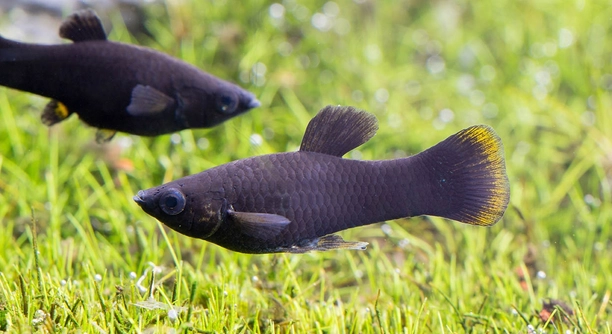
Many aquarium owners find themselves noticing small changes in their black molly’s behavior, especially when subtle head shaking becomes part of its usual movements around the tank during calm moments in their daily care routine.
Head shaking in black mollies commonly results from environmental stressors, such as poor water quality or fluctuating parameters, and may also indicate parasitic irritation. Addressing tank conditions promptly usually reduces these movements and supports healthier behavior for the affected fish.
This information helps you support your fish with confidence while creating a calmer environment that encourages steadier behavior and wellness.
Why Head Shaking Happens in Black Mollies
Black mollies often show head shaking when something in their environment feels off, and it can be unsettling when you notice it for the first time. This behavior usually starts when the water quality changes, the tank becomes crowded, or the fish experiences mild irritation. Sometimes the shaking begins after a recent adjustment in the tank, like adding new fish or changing filters. Small irritations from external parasites may also trigger this movement, especially if the molly seems restless or rubs against surfaces. Paying attention to these signs helps you respond early, keeping your molly comfortable and easing your own worries as you learn what affects them most in their space.
When this behavior appears, the first step is checking basic conditions such as temperature, ammonia, nitrite, and overall cleanliness. Simple adjustments often calm the molly quickly and prevent further stress.
Keeping an eye on any changes and responding early helps maintain a stable tank where your molly can behave peacefully again without showing unusual movements.
Common Triggers You Should Know
Many black mollies shake their heads when the water becomes unstable, making it important to understand what usually sparks this behavior and how it affects their comfort.
A stressed molly reacts quickly to small shifts, so watching the tank closely becomes essential. Poor filtration, leftover food, and irregular cleaning can influence how your fish behaves. Parasites may also play a role, especially if the molly shows rapid breathing or tries to scratch against objects. Temperature changes can add stress, as sudden warmth or coolness affects their comfort. By keeping the tank steady, testing the water regularly, and staying alert to signs of irritation, you can maintain an environment that supports your molly’s health. Small, consistent habits make a big difference, helping your fish move calmly and comfortably without sudden or repetitive head shaking.
Environmental Factors That Influence Head Shaking
Environmental changes often cause black mollies to shake their heads, especially when water parameters shift too quickly. Sudden increases in waste, inconsistent temperatures, and low oxygen levels create discomfort that leads to these movements. Keeping conditions steady is essential for reducing stress and helping your molly stay calm and relaxed.
Poor water quality remains one of the strongest triggers for unusual movements in black mollies, and even small changes can create noticeable reactions. Elevated ammonia or nitrite, leftover food breaking down, and irregular cleaning all contribute to discomfort. When these elements accumulate, the molly begins reacting physically, and head shaking becomes more visible. Maintaining a consistent cleaning routine, monitoring filter performance, and testing the water regularly prevents many of these issues. Adjusting the tank slowly also helps the molly adapt without stress, allowing it to settle comfortably and move naturally again in its environment with greater ease and steady behavior.
Parasites can also cause persistent head shaking, especially when they irritate the gills or skin. These organisms often enter the tank through new plants, untreated water, or recently added fish. When irritation increases, the molly may twitch, rub against surfaces, or shake its head repeatedly. Identifying these signs early helps prevent further problems and reduces discomfort. Treatments designed for common parasites work best when used promptly and according to instructions. Quarantining new fish, keeping equipment clean, and maintaining stable conditions reduces the chances of infestation. With careful attention, you can support a healthier environment that keeps your molly comfortable daily.
How to Stabilize the Tank
Stabilizing the tank plays a major role in calming head shaking, and small improvements can make a noticeable difference. Regular water testing, gentle water changes, and proper filtration help keep the environment balanced. Avoid sudden shifts, since mollies react strongly to fast changes in temperature or chemistry. Keeping the tank clean and lightly stocked helps your molly stay relaxed and move steadily without showing repeated shaking during regular daily activity throughout their quiet tank time.
Creating a stable environment requires consistent routines that support your molly’s natural comfort. Start by monitoring ammonia, nitrite, nitrate, and pH at least once a week, since even small shifts can influence behavior. Perform partial water changes on a schedule, avoiding large adjustments that cause sudden stress. Keep the filter functioning efficiently, rinsing media in tank water rather than tap water to preserve helpful bacteria. Limit overfeeding, because leftover food breaks down quickly and affects water clarity and chemistry. If you add new fish or plants, quarantine them first to reduce the risk of parasites entering the tank. Maintain steady lighting and temperature to encourage calm behavior. With these habits in place, your molly experiences fewer disruptions and reacts with smoother, more predictable movement overall.
Signs That Need Quick Attention
Head shaking that appears suddenly and becomes constant often signals something more serious. Rapid breathing, rubbing against decorations, or hiding more than usual can point to irritation or stress. These behaviors show that the molly needs help before the issue becomes harder to manage.
Loss of appetite, clamped fins, or color fading also indicate rising discomfort. When these signs appear alongside repeated head shaking, it’s important to act quickly. Checking water quality, adjusting conditions, and watching for parasites can prevent the problem from escalating and help your molly feel more at ease.
When Professional Help Is Needed
Professional help becomes important when your molly shows no improvement after adjusting the tank, treating for possible parasites, and stabilizing the environment. If symptoms worsen or new signs appear, a specialist can provide guidance based on lab results and detailed examinations. They may suggest targeted treatments that address underlying issues more precisely. Persistent head shaking, heavy breathing, swelling, or unusual swimming patterns usually require expert assessment. Reaching out early prevents complications and gives your molly a better chance to recover comfortably.
Preventing Future Issues
Keeping the tank consistent, clean, and spacious reduces the chances of head shaking returning. Reliable routines, gentle adjustments, and stable water conditions help your molly stay comfortable while supporting calm and steady behavior over time.
FAQ
Why is my black molly shaking its head even after a water change?
Head shaking can continue after a water change if the underlying issue hasn’t fully settled. Sometimes the adjustment itself creates mild stress, especially if the temperature or chemistry changed too quickly. Your molly might still be responding to earlier irritation, or there may be additional factors like ammonia spikes, lingering nitrite, or early parasite activity. Testing the water again helps confirm whether everything has stabilized. If the shaking slows down over the next day, your molly is likely adjusting, but if it continues, checking for parasites or hidden stressors can make the situation clearer.
Can parasites cause head shaking without other symptoms?
Parasites sometimes cause mild irritation before noticeable symptoms appear. In early stages, the only visible sign may be slight shaking or twitching. Even without rubbing, rapid breathing, or clamped fins, irritation inside the gills can make your molly move its head in short, repetitive motions. Because these signs develop gradually, it’s easy to miss the early indicators. Quarantining new fish, rinsing plants, and keeping equipment clean reduces the chances of parasites entering the tank. If shaking persists, treating with a gentle, broad-spectrum option may help before symptoms escalate.
Could feeding habits influence head shaking?
Feeding habits play a role, especially if uneaten food breaks down in the tank. Overfeeding increases waste, affecting ammonia and nitrate levels. These changes can irritate the molly and create physical reactions like shaking or flicking. Sticking to small, consistent meals keeps the environment stable and prevents digestive stress. Poor-quality food may also irritate sensitive fish, so choosing reliable flakes or pellets and offering occasional vegetables helps support steady behavior. Watching how your molly eats can also reveal whether it feels comfortable or stressed.
Is head shaking normal during pregnancy?
Pregnant mollies experience mild stress as they carry fry, and small changes in behavior can appear. Slight head twitching happens sometimes, especially when the fish feels pressure or discomfort from crowded tank conditions. If the shaking remains light and no other symptoms appear, it may simply reflect temporary tension. Keeping the water clean, the tank calm, and the environment steady helps a pregnant molly stay more relaxed. Strong or constant shaking, however, usually points to an issue unrelated to pregnancy and should be checked carefully to avoid unnecessary complications.
Why does my molly shake its head near the surface?
Head shaking near the surface may indicate low oxygen, especially if paired with surface gulping or faster breathing. Warm water holds less oxygen, and crowded tanks make it drop even faster. Checking the filter output, increasing gentle aeration, and lowering waste levels can improve oxygen flow. If shaking continues after improving circulation, look for signs of irritation or shifting water chemistry. Some mollies also rise to the surface when curious or hungry, but repeated shaking usually signals something in the environment is affecting their comfort.
How long should it take for the shaking to stop once the issue is fixed?
Mollies often calm down within a few hours to a day once conditions return to normal. If the cause was water quality, improvement can appear quickly as levels stabilize. Parasite-related shaking may take longer, especially if treatment needs time to work. Slow improvements are common, and the molly may continue showing small movements until irritation fades completely. Patience helps, but if nothing changes after several days, another factor may still be present. Rechecking the tank ensures everything remains steady during recovery.
Should I isolate a molly that keeps shaking its head?
Isolation is helpful when you suspect parasites, infection, or ongoing stress from tank mates. A separate space reduces pressure, allows quiet recovery, and prevents issues from spreading. Using a small, filtered, heated tank works best, since sudden changes can create new stress. Isolation also makes observation easier, helping you see whether symptoms improve or worsen. If the molly settles quickly in the separate tank, the issue may involve aggression or crowding in the main setup. Keeping conditions consistent supports a smoother recovery.
Final Thoughts
Caring for a black molly becomes easier when you understand how sensitive these fish are to changes in their environment. Head shaking might look alarming at first, but it usually points to something in the tank that needs attention rather than a serious or sudden threat. By watching the water quality closely, keeping the tank clean, and maintaining steady conditions, you create a space that helps your molly stay comfortable. These simple steps reduce stress and support healthier behavior over time. It also helps to observe your molly’s mood and movement each day, since even small shifts can tell you a lot about what is happening in the tank. When you respond early, your fish benefits from a calmer setting, and you feel more confident in your care. This steady approach is often what makes the biggest difference in preventing problems before they grow.
Understanding that each molly reacts differently helps you stay patient when head shaking appears. Some mollies adjust quickly once the water settles, while others take a little longer to relax again. Keeping an eye on their breathing, appetite, and overall activity can help you see whether improvement is happening naturally or if another step may be needed. Staying consistent with your maintenance routines gives your molly the stability it depends on for comfort. If parasites or irritation are involved, early treatment paired with a clean environment usually brings good results. Watching for common triggers, like leftover food or rising waste levels, keeps the tank balanced and helps you prevent future episodes of shaking. Small habits, practiced regularly, support long term health for your molly.
Moving forward becomes much simpler when you have a clear idea of what causes head shaking and how to manage it. A stable tank, slow adjustments, and gentle care provide the foundation your molly needs to stay peaceful. If problems return, you can approach them with confidence because you now know what signs to look for and how to respond. If the shaking does not improve, seeking help from a professional can confirm whether something deeper is happening. With steady attention and thoughtful care, your molly can thrive again. Understanding what affects their comfort helps you create an environment that supports ease, steady swimming, and healthier behavior every day.

Hello,
If you enjoy the content that we create, please consider saying a "Thank You!" by leaving a tip.
Every little bit helps us continue crafting quality advice that supports the health, happiness, and well-being of pets around the world, for pets of all shapes, sizes, and species.
We really appreciate the kindness and support that you show us!