
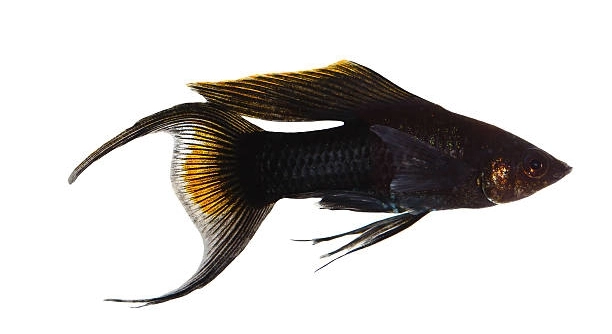
Have you ever noticed your Black Molly acting a little off but couldn’t tell why? Sometimes the changes are small, barely noticeable, and can easily be overlooked by busy fish owners.
Black Mollies can exhibit subtle signs of disease such as changes in swimming patterns, loss of appetite, color fading, fin damage, unusual spots, sluggish behavior, and rapid gill movement. Recognizing these early symptoms helps prevent serious health issues.
Even minor shifts in behavior or appearance can reveal important clues about your fish’s health and well-being. Paying attention now can make a big difference later.
Changes in Swimming Patterns
I’ve noticed that when my Black Molly isn’t feeling well, it often swims differently than usual. It may hover near the surface, stay at the bottom, or dart around suddenly. Sometimes it moves in circles or struggles to maintain balance. These changes are subtle at first, but over time, they become more apparent. If you watch your fish daily, small shifts in movement can signal stress or illness. Swimming issues can result from water quality problems, parasites, or internal infections. In my experience, observing patterns in the morning and evening helps catch these early signs. Even a normally active Molly may start hiding or moving less if it’s uncomfortable. Checking water temperature, pH, and cleanliness regularly is crucial. Sometimes adding a gentle water flow helps, but persistent abnormal swimming usually requires further investigation. Early attention prevents the condition from worsening and supports recovery.
Monitoring swimming behavior closely allows early detection of potential health issues before severe symptoms appear.
Small changes like tilting while swimming or lingering near corners often indicate underlying stress or disease that shouldn’t be ignored.
Loss of Appetite
Loss of appetite is an easy sign to spot once you feed your Black Molly. If it refuses food or eats much less than usual, it may indicate illness or stress. I’ve seen my fish skip meals for a day or two before showing other symptoms like lethargy or color fading. Appetite changes can result from poor water conditions, infections, or even sudden diet changes. It’s important to track feeding patterns carefully. Noticing that your Molly nibbles only a little or ignores certain foods can help you act quickly. Adjusting the environment, checking tank parameters, and isolating sick fish can prevent the problem from spreading.
When a Black Molly stops eating, it impacts energy levels and can weaken the immune system. Sometimes appetite returns after minor adjustments in water conditions, but persistent refusal to eat may require professional advice or medication. Observing meal behavior over several days gives the clearest insight into whether the fish is temporarily stressed or truly unwell. Nutrient-rich food and stable conditions often support recovery, but ongoing monitoring is essential. Appetite loss rarely occurs in isolation, so pairing this observation with other symptoms helps identify the cause. Acting early prevents further complications and improves the chances of a full recovery. Understanding feeding habits is key to maintaining long-term health and detecting early warning signs of disease.
Color Fading
Color fading is a noticeable sign when a Black Molly is unwell. Its vibrant black may become dull or patchy, often coinciding with stress or illness. Sudden changes in water conditions can trigger this symptom quickly.
I’ve seen my fish lose its rich coloration after a few days of poor water quality. Stress from overcrowding or aggressive tank mates can also make colors fade. Parasites and bacterial infections may slowly drain the natural pigment, leaving the fish looking washed out. Even minor changes in diet or lighting sometimes affect coloration temporarily. Watching the fish daily helps spot these differences early. Color changes rarely happen alone, often pairing with lethargy, reduced appetite, or fin clamping. Taking action when you notice fading helps prevent further health decline. Adjusting tank conditions, improving diet, and isolating sick fish can restore normal colors if addressed early.
Sometimes the fading is gradual and subtle, making it easy to miss if you’re not paying attention. Consistent observation helps catch these changes before other symptoms appear. Color should return with improved care, though persistent fading may require veterinary consultation. Maintaining stable water parameters and a balanced diet supports long-term pigmentation and overall fish health, reducing stress-related color loss.
Fin Damage
Fin damage appears as fraying, splitting, or white edges along the fins. I’ve observed my Mollies develop torn fins after minor fights or aggressive tank mates.
Small tears in fins can result from rough decorations, sharp rocks, or glass edges. Bacterial or fungal infections often worsen existing damage, causing further fraying. In my experience, once fins start looking ragged, the fish may also show sluggish swimming or hide more frequently. Clean water and careful observation are critical to prevent worsening. Adding aquarium salt or specific treatments can help healing, but persistent fin damage often signals an underlying infection. Quick action reduces the risk of permanent deformity and keeps your fish more comfortable.
Fin damage often coincides with stress and weakened immunity, making the fish more susceptible to secondary infections. Maintaining optimal water conditions, removing aggressive tank mates, and providing hiding spaces support natural recovery. Regularly inspecting fins and observing swimming behavior helps catch small injuries early. I’ve found that supplementing the diet with high-quality proteins encourages faster healing. Timely treatment prevents the problem from escalating, ensuring the fish remains healthy and active. Consistent tank maintenance and gentle handling are essential for long-term fin health.
Unusual Spots
Unusual spots on a Black Molly can appear as white, red, or black marks on the body or fins. I’ve noticed these spots often signal infections or parasites and should not be ignored.
Sometimes spots are tiny and easy to miss. Observing the fish closely under good lighting helps identify changes early.
Sluggish Behavior
Sluggish behavior is a common sign of illness. I’ve seen my Mollies spend hours hiding or barely moving, which usually indicates stress, poor water conditions, or internal disease. Regular observation helps catch these patterns before they worsen.
Rapid Gill Movement
Rapid gill movement is noticeable when a Black Molly struggles to breathe, often opening and closing its gills quickly. This usually points to low oxygen, ammonia buildup, or gill infections and requires immediate attention.
How can I tell if my Black Molly is sick?
I usually start by watching their behavior daily. Changes in swimming, appetite, or energy levels are early signs. Color fading, fin damage, unusual spots, and rapid gill movement are clear indicators of illness. Keeping a close eye on these symptoms helps catch problems early.
What should I do if my Molly shows unusual spots?
Spots can be caused by parasites, bacterial infections, or injuries. I make sure to check water quality and remove any aggressive tank mates or rough decorations. If spots persist, isolating the fish and using appropriate treatment or medication often helps prevent the spread of infection.
Why is my Black Molly losing color?
Color loss can result from stress, poor water conditions, or illness. I’ve noticed it often appears when tank parameters fluctuate or when the fish is overcrowded. Maintaining stable water, proper diet, and regular monitoring usually restores their natural pigmentation over time.
How can I improve a Molly’s appetite?
I try feeding small portions several times a day instead of one large feeding. High-quality, varied food helps stimulate interest. Checking for stressors like poor water quality or aggressive tank mates also makes a difference. Sometimes adjusting lighting or tank arrangement encourages eating.
What causes fin damage, and how can I prevent it?
Fins get torn from rough tank surfaces, aggressive fish, or infections. I always provide hiding spaces, remove sharp decorations, and monitor tank mates. Keeping the water clean and treating any infections promptly supports fin healing and prevents further damage.
Why is my Molly swimming strangely?
Abnormal swimming often signals illness or stress. I’ve observed Mollies hovering near the surface, darting suddenly, or circling when something is wrong. Checking water parameters, removing stressors, and watching for other symptoms helps identify the cause quickly.
How do I treat rapid gill movement?
Rapid gill movement usually indicates low oxygen or gill infections. I increase aeration, check for ammonia or nitrite spikes, and sometimes treat with medication if an infection is suspected. Keeping the water clean and oxygenated helps the fish recover faster.
Can stress cause multiple symptoms at once?
Yes, stress can trigger color fading, loss of appetite, sluggish behavior, and fin damage simultaneously. I find that stabilizing water conditions, providing proper diet, and reducing tank aggression helps Mollies regain normal behavior and appearance.
When should I consult a vet for my Black Molly?
If symptoms persist for more than a few days, worsen, or multiple fish show signs of illness, I contact a veterinarian. Professional guidance is important when home adjustments aren’t enough, or if a disease may spread quickly.
Are there ways to prevent disease in Black Mollies?
Regular water testing, cleaning, providing a balanced diet, and avoiding overcrowding significantly reduce the risk. I also quarantine new fish before adding them to the main tank. Observing behavior daily allows early intervention, keeping my Mollies healthy and active.
How long does it take for a sick Molly to recover?
Recovery time varies depending on the illness and treatment. Minor stress-related symptoms may improve in a few days, while infections or severe fin damage can take weeks. I monitor progress closely and adjust care as needed to ensure a full recovery.
Can diet impact a Molly’s health?
Absolutely. I feed a mix of high-quality flakes, frozen, and live foods to maintain strong immunity. Poor diet can weaken resistance to disease, reduce color vibrancy, and affect energy levels. Consistent nutrition supports overall health and disease prevention.
What signs indicate water quality issues?
Cloudy water, strong odors, rapid gill movement, and lethargy are often linked to poor water quality. I test pH, ammonia, nitrite, and nitrate regularly. Correcting imbalances quickly is crucial to prevent illness and support long-term health.
How do I isolate a sick fish without stressing it further?
I use a separate quarantine tank with clean water and gentle filtration. Minimal handling and hiding spots reduce stress. Isolation prevents the spread of disease while allowing focused treatment, and I closely monitor behavior and appetite during this period.
What’s the most important habit for keeping Black Mollies healthy?
Daily observation, consistent water care, and a balanced diet have made the biggest difference in my experience. Catching subtle symptoms early and maintaining stable conditions prevents most common illnesses. Routine attention keeps Mollies active, colorful, and thriving.
Black Mollies are generally hardy fish, but even the strongest fish can show signs of illness if something in their environment is off. Paying attention to subtle changes in behavior, appetite, color, and fins can make a big difference in keeping them healthy. Over time, I’ve learned that what seems like a small issue—like slightly clamped fins or slower swimming—can often signal an underlying problem. These small cues are important because they allow you to act before the illness becomes severe. Observing your fish every day, even for just a few minutes, helps you notice patterns and changes that might otherwise go unnoticed. Simple habits like checking water quality, providing proper nutrition, and maintaining a clean tank create a stable environment that reduces stress and helps prevent disease.
Recognizing symptoms early is just one part of caring for Black Mollies. Addressing the cause of illness quickly is equally important. In my experience, adjusting water conditions, isolating sick fish, and providing high-quality food are the most effective first steps. Minor infections or stress-related issues often improve within a few days when the tank is properly maintained. However, persistent symptoms, unusual spots, or rapid gill movement should never be ignored, as they can indicate more serious conditions. Paying attention to every detail—from water temperature and pH to the behavior and appetite of your Mollies—supports long-term health. Over time, these careful observations become second nature, and you start to notice even the slightest deviations from normal behavior. Consistent care not only keeps your fish healthy but also strengthens your confidence in managing their tank and wellbeing.
Maintaining a healthy environment for Black Mollies requires ongoing attention and patience. Small actions, like routine water changes, avoiding overcrowding, and providing hiding spots, create a more comfortable space that reduces stress and encourages natural behavior. While watching for illness is important, it’s equally important to provide a supportive environment that helps your fish thrive. Each Black Molly is unique, and observing their specific habits and preferences makes it easier to spot any concerning changes. I’ve found that over time, the combination of careful observation, consistent care, and quick response to symptoms significantly improves their health and lifespan. By being attentive and proactive, you can ensure your Black Mollies remain active, vibrant, and happy, making your aquarium a lively and enjoyable space.

Hello,
If you enjoy the content that we create, please consider saying a "Thank You!" by leaving a tip.
Every little bit helps us continue crafting quality advice that supports the health, happiness, and well-being of pets around the world, for pets of all shapes, sizes, and species.
We really appreciate the kindness and support that you show us!