
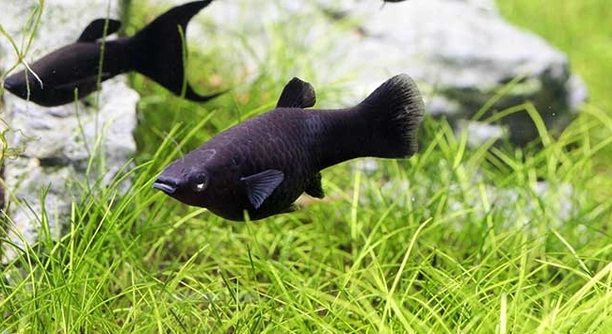
Many aquarium owners enjoy watching their fish interact and play, but sometimes a black molly may seem distant or prefer hiding in its tank corner. These moments can feel confusing and even a little worrying.
A black molly may refuse to socialize due to stress, illness, poor water conditions, or an unsuitable tank environment. Addressing water quality, diet, and companionship can encourage more active and social behavior in these fish.
Observing subtle changes in behavior can reveal what your black molly truly needs to feel comfortable and engaged in its tank.
Common Reasons Black Mollies Avoid Socializing
Black mollies often hide or swim alone when they feel stressed or unsafe. Stress can come from sudden changes in water temperature, poor water quality, or overcrowding. Even minor fluctuations in pH or ammonia levels can make them retreat. Some mollies are naturally shy and prefer quiet spaces. Others may feel threatened by more aggressive tank mates. Observing your tank carefully helps you notice these behaviors early. Mollies need a balance of hiding spots and open swimming areas to feel secure. Plants, rocks, and gentle lighting create a comfortable environment. Feeding routines also affect social behavior. If food is scarce or given irregularly, mollies may become defensive or avoid others. Loneliness can also play a role; mollies are social fish but need compatible companions. Too many or too few can disrupt their normal interactions, causing withdrawal.
Adjusting tank conditions and observing behavior closely usually improves social activity within a few days.
Providing stable water conditions, a proper diet, and adequate tank space allows mollies to regain confidence. Regular water tests, gentle handling, and gradual changes in tank layout help mollies feel safe. Over time, they become more active, exploring their surroundings and interacting with tank mates.
Improving Tank Conditions
Ensuring clean water is key to encouraging mollies to socialize. Poor water conditions make fish hide and become lethargic.
Consistent water maintenance includes testing for ammonia, nitrate, nitrite, and pH levels weekly. Partial water changes prevent buildup of toxins and reduce stress. Temperature stability is also essential; sudden drops or spikes can make mollies avoid others. Filtration must be gentle but effective, creating enough flow without overwhelming the fish. Adding plants and ornaments gives hiding spaces and a sense of security. Overcrowding can lead to aggression, so tank size and number of fish matter. Feeding high-quality food in measured portions supports health, which in turn affects behavior. Even lighting plays a role; too bright or too dim conditions can make fish withdraw. Observing fish after each change helps identify what works best. When conditions are optimized, mollies gradually spend more time swimming openly and engaging with their tank mates, showing that comfort and safety are vital for social interaction.
Diet and Feeding Habits
A black molly’s behavior can change if its diet is inconsistent or low quality. Skipping meals, overfeeding, or providing poor nutrition may cause lethargy and isolation in the tank.
A balanced diet supports energy and encourages social behavior. Mollies thrive on a mix of high-quality flakes, pellets, and occasional live or frozen foods like brine shrimp or daphnia. Overfeeding can lead to bloating and sluggishness, making them hide more often. Feeding at regular times helps them feel secure and expect interaction. Observing how your molly reacts during feeding can indicate its health and mood. Adjusting portions gradually ensures they get enough nutrients without contaminating the water. Variety in food keeps them active and engaged, encouraging them to explore the tank rather than stay isolated.
Feeding practices also impact tank dynamics. Aggressive eaters may chase shy mollies away from food, causing stress. Separating feeding areas or adding multiple feeding points ensures all fish receive proper nutrition. Introducing food slowly allows timid mollies to join without fear. Tracking their response over days helps identify if diet or mealtime stress contributes to withdrawn behavior. Combining quality nutrition with a consistent schedule often improves social interaction and overall tank harmony.
Tank Companions and Social Dynamics
Compatibility with other fish directly affects a black molly’s willingness to socialize. Aggressive or overly active tank mates can intimidate shy mollies.
Grouping mollies with calm and similar-sized species creates a balanced tank environment. Overcrowding increases stress and reduces social interaction, while a smaller, peaceful community promotes confidence. Observing fish interactions helps detect bullying or exclusion. Adjusting the number of tank mates or introducing gentle species gradually reduces fear. Sometimes, separating aggressive individuals temporarily allows mollies to regain comfort. Social hierarchy develops naturally, and mollies need time to establish their place. Properly chosen companions support healthy, interactive behavior, making mollies more likely to explore, swim together, and display natural activity patterns.
Tank Environment and Hiding Spots
Black mollies need a balance of open swimming space and hiding spots. Too few shelters can make them feel exposed, while too many can encourage isolation.
Providing plants, rocks, or ornaments gives a sense of security. Mollies use these areas to rest and feel safe before exploring the tank more confidently.
Water Temperature and Quality
Stable water temperature is essential for black mollies’ comfort. Fluctuations can stress them and reduce social behavior. Maintaining a consistent temperature suited to their needs keeps them active and healthy. Monitoring water parameters regularly ensures optimal conditions, preventing lethargy and isolation caused by poor water quality.
Illness and Health Concerns
Illness can cause mollies to hide or avoid other fish. Lethargy, faded colors, or clamped fins often indicate health problems. Prompt attention and treatment help them recover and return to normal social behavior.
Why is my black molly hiding most of the time?
Hiding is usually a response to stress or fear. Changes in water conditions, aggressive tank mates, or a new environment can make mollies retreat. Providing hiding spots, stable water parameters, and gentle companions helps them feel secure and encourages more normal activity.
Can diet affect my black molly’s social behavior?
Yes, diet plays a big role. Poor nutrition or inconsistent feeding can make mollies lethargic and withdrawn. A balanced diet of high-quality flakes, pellets, and occasional live or frozen foods ensures they have enough energy to swim and interact with other fish. Feeding on a regular schedule also helps.
Is it normal for black mollies to be shy around new fish?
Shyness around new tank mates is common. Mollies need time to adjust and may stay hidden until they feel safe. Introducing fish slowly, ensuring enough space, and observing interactions reduces stress. Avoid overcrowding and aggressive species to maintain calm social dynamics.
How do I know if my black molly is sick or just shy?
Shyness usually comes with normal swimming and eating habits, while illness shows physical signs like faded colors, clamped fins, or unusual swimming patterns. Monitoring behavior closely and checking water parameters can help differentiate between stress and health issues. Prompt treatment improves recovery.
Can water quality cause my molly to avoid other fish?
Absolutely. Poor water quality stresses fish, causing them to hide or become less active. Ammonia, nitrite, nitrate, or pH fluctuations can all affect behavior. Regular testing, partial water changes, and proper filtration help maintain an environment where mollies feel safe and social.
Do black mollies prefer certain tank mates?
Yes, calm, similarly sized fish are ideal companions. Aggressive or fast-moving species can intimidate mollies, causing them to withdraw. Observing interactions and adjusting companions gradually helps maintain balance. A peaceful community encourages natural social behavior without constant stress.
Will adding plants and decorations help my molly socialize?
Yes, providing hiding spots and structured areas gives mollies a sense of security. Plants, rocks, and ornaments allow them to explore gradually and feel protected. When mollies feel safe, they are more likely to swim openly and interact with other fish in the tank.
How long does it take for a black molly to start socializing again?
It depends on the cause of withdrawal. Stress or environmental adjustments may show results in a few days, while health recovery could take weeks. Consistency in water quality, diet, and tank setup is key to helping mollies regain confidence and interact naturally.
Should I separate my molly from the tank if it refuses to socialize?
Separation is only necessary if aggression or illness is severe. Otherwise, improving tank conditions, adding hiding spots, and ensuring compatible companions often helps mollies rejoin social activity without isolation. Temporary isolation may reduce stress but isn’t a long-term solution.
What signs show my black molly is finally comfortable with other fish?
Signs include active swimming, exploring open spaces, following tank mates, and engaging during feeding. Bright colors, normal fin movement, and regular eating habits also indicate comfort. Gradual improvement in social behavior reflects a healthy, well-adjusted molly thriving in its environment.
Can temperature changes make mollies anti-social?
Yes, black mollies are sensitive to temperature fluctuations. Sudden drops or spikes can stress them and reduce interaction. Maintaining a stable, appropriate temperature ensures comfort, encourages activity, and supports overall health, helping them feel secure around other fish.
How do I encourage a shy black molly to explore?
Provide hiding spots near open swimming areas, maintain stable water quality, and feed on a predictable schedule. Avoid overcrowding and aggressive fish. Gradual exposure to the environment and gentle, consistent care helps shy mollies gain confidence and start socializing naturally.
Are black mollies naturally social fish?
Yes, black mollies are social but require the right environment. Calm companions, stable water, and adequate space encourage interaction. Without these conditions, even social mollies may hide or isolate, showing that environment and care are essential for healthy social behavior.
Can overfeeding or underfeeding affect my molly’s behavior?
Both can cause problems. Overfeeding leads to bloating and lethargy, making mollies less active, while underfeeding reduces energy, causing them to withdraw. A consistent, balanced diet ensures mollies remain healthy, energetic, and more likely to engage with other fish.
What should I do if my black molly refuses to eat?
Refusal to eat may indicate stress, illness, or poor water quality. Check water parameters, observe for physical symptoms, and adjust diet gradually. Isolating temporarily for treatment may be necessary if illness is suspected. Restoring comfort and proper nutrition usually brings them back to normal behavior.
How do I maintain a stress-free environment for mollies?
Stable water quality, compatible companions, regular feeding, and adequate hiding spots reduce stress. Avoid sudden changes in temperature, lighting, or tank layout. Observing fish behavior daily helps catch issues early, keeping mollies confident, healthy, and more willing to socialize naturally.
Can lighting affect a black molly’s willingness to socialize?
Yes, too bright or dim lighting can make mollies hide. Moderate lighting that mimics natural conditions encourages exploration. Combining lighting with safe hiding spaces allows mollies to adjust gradually, reducing fear and promoting interaction with other fish in the tank.
Is it normal for some mollies to never be fully social?
Individual personality affects behavior. Some mollies are naturally shy and prefer solitude despite optimal conditions. While most will interact over time, respecting their temperament and providing a safe, comfortable environment ensures their well-being without forcing social behavior.
What role does tank size play in socialization?
Tank size affects stress levels and movement freedom. Overcrowded tanks can cause aggression and hiding, while a tank that’s too small limits exploration. Adequate space supports natural swimming patterns, reduces stress, and allows mollies to establish comfort, encouraging them to interact more freely.
How often should I monitor my black molly’s behavior?
Daily observation is ideal. Watching how they swim, feed, and interact helps identify early signs of stress or illness. Consistent monitoring ensures timely adjustments to water, diet, or companions, keeping mollies healthy and socially active.
Can adding new tank mates improve a withdrawn molly’s behavior?
Introducing calm, compatible fish gradually can help a shy molly feel safer and encourage interaction. Avoid aggressive or overly active species, and ensure hiding spots are available. Patience and careful selection promote social engagement without causing additional stress.
How do I know if environmental stress is causing isolation?
Look for repeated hiding, reduced swimming, loss of color, or decreased appetite. If behavior improves after adjusting water quality, temperature, or companions, stress is likely the cause. Addressing these factors restores confidence and encourages social interaction.
Are there long-term effects if a molly stays isolated?
Prolonged isolation can lead to stress, weakened immune systems, and reduced activity. Mollies may develop poor eating habits and diminished overall health. Ensuring a safe, supportive environment and monitoring behavior helps prevent long-term negative impacts and promotes a happier, healthier fish.
Black mollies are sensitive and intelligent fish that respond strongly to their environment. When a molly refuses to socialize, it often reflects discomfort, stress, or health concerns. Many factors influence their behavior, including water quality, temperature, tank size, hiding spots, diet, and the type of tank companions they have. Even small changes, like moving decorations or adjusting lighting, can affect how confident and active a molly feels. Understanding these factors and observing your fish closely can make a significant difference. Mollies are capable of adjusting over time if given a stable, supportive environment, and patience is key. Changes should be gradual, giving the fish time to feel secure before expecting them to interact more actively with tank mates.
Providing the right environment is essential for encouraging social behavior. Clean, well-maintained water helps mollies feel comfortable and healthy, while appropriate hiding spots give them places to retreat when they feel stressed. Balanced nutrition ensures they have the energy to explore and interact, and feeding at regular times creates a sense of routine and security. Tank companions also play an important role. Aggressive or overly active fish can intimidate shy mollies, while calm, similarly sized species allow them to socialize more naturally. Adjusting these factors often leads to noticeable improvements in behavior, making mollies more active, confident, and willing to engage in the tank’s daily activity.
Patience and consistent care are essential when helping a black molly regain its social behavior. Some mollies are naturally shy, and even in optimal conditions, they may prefer solitude at times. However, by maintaining stable water conditions, providing balanced nutrition, creating a safe environment with hiding spots, and ensuring compatible tank mates, you create the conditions for confidence and interaction. Monitoring their behavior regularly helps you spot potential problems early, such as illness or stress. Over time, these efforts not only improve social behavior but also support the overall health and happiness of your black molly. A calm and attentive approach ensures your fish can thrive, gradually allowing them to explore, interact, and enjoy life in the tank.

Hello,
If you enjoy the content that we create, please consider saying a "Thank You!" by leaving a tip.
Every little bit helps us continue crafting quality advice that supports the health, happiness, and well-being of pets around the world, for pets of all shapes, sizes, and species.
We really appreciate the kindness and support that you show us!