
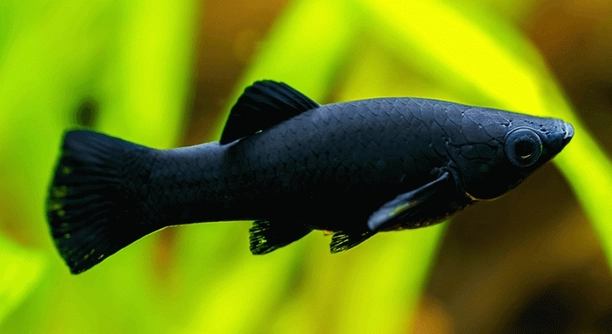
Black Mollies are popular aquarium fish admired for their striking black color and peaceful temperament. Many hobbyists enjoy keeping them, but ensuring their fry survive can be challenging without the right care and environment.
Optimal breeding conditions for Black Mollies include stable water temperature, clean and slightly alkaline water, a balanced diet, proper tank size, sufficient hiding spots, controlled lighting, and regular monitoring to minimize stress and maximize fry survival rates.
Following these guidelines can significantly improve the survival of young Black Mollies and help create a thriving aquarium community.
Stable Water Temperature
Maintaining a stable water temperature is crucial for Black Molly breeding. These fish thrive in temperatures between 24°C and 28°C. Sudden fluctuations can stress the fish, weaken their immune system, and reduce fry survival. Using a reliable heater and thermometer helps keep the temperature consistent. Gradual changes are preferable when adjusting temperature, as abrupt shifts can shock both adults and young fry. This consistency supports proper growth, encourages mating behavior, and promotes overall health. Stable water conditions also reduce the risk of disease outbreaks, which can quickly affect fry. Observing your fish for signs of stress, such as erratic swimming or hiding, can indicate that the temperature may not be ideal. A well-monitored tank creates a comfortable environment, allowing both adult Mollies and their young to flourish. Stability in temperature is one of the simplest ways to enhance breeding success and ensure that more fry survive to maturity.
Stable water temperature directly improves breeding outcomes and fry survival in Black Mollies, making it a key factor to monitor carefully.
Even small temperature changes can have significant effects on the breeding process. Maintaining a consistent, slightly warm environment ensures that adults remain active and healthy, increasing the likelihood of spawning. Fry are particularly sensitive to temperature swings, which can slow growth or lead to early mortality. A heater with an accurate thermostat is essential, and regular checks are recommended. Consistency also prevents stress-related behaviors, such as reduced feeding or aggression among tank mates. Ensuring water is neither too cold nor too warm supports proper metabolism, encourages normal development, and strengthens the immune system. Regular observation allows timely adjustments, ensuring that the tank environment remains ideal. Over time, this care leads to higher fry survival, healthier adults, and a more stable aquarium ecosystem.
Clean and Slightly Alkaline Water
Keeping the water clean and slightly alkaline is essential for Black Mollies. Regular water changes and monitoring pH levels help maintain a healthy tank environment.
Water quality significantly affects fry survival, as clean, balanced water prevents disease and supports growth.
Regular maintenance, including partial water changes of 20–30% weekly, helps remove toxins, excess waste, and uneaten food. Black Mollies prefer a pH between 7.5 and 8.5, slightly alkaline conditions that mimic their natural habitat. Filtration systems should be efficient but not create strong currents, as fry are weak swimmers. Testing water parameters frequently allows for timely adjustments to pH, hardness, and ammonia levels. Removing debris and cleaning the substrate prevents bacterial buildup that can harm both adults and fry. Using dechlorinated water during changes prevents chemical stress. Proper water conditions also encourage mating behavior and reduce stress, which is critical for reproduction. Over time, maintaining clean, slightly alkaline water supports fry growth, reduces mortality, and helps adults stay healthy and active, creating a thriving tank ecosystem.
Balanced Diet
Providing a balanced diet is essential for healthy Black Mollies and successful fry survival. Adults need a mix of protein, vegetables, and occasional live or frozen foods to support breeding and growth.
A diet rich in nutrients ensures that adults remain healthy and capable of producing strong, viable fry. High-quality flakes or pellets should be supplemented with blanched vegetables like spinach or zucchini. Protein sources such as brine shrimp, daphnia, or bloodworms enhance fertility and promote healthy offspring. Feeding small amounts multiple times a day prevents overfeeding and keeps the tank clean. Fry also benefit from finely crushed foods or specialized fry food. Proper nutrition not only improves breeding success but also strengthens immune systems, reducing susceptibility to disease. Consistent feeding routines create a stable environment that supports growth, energy, and overall well-being for the entire fish population in the tank.
Overfeeding or neglecting dietary variety can lead to health problems and lower fry survival. Monitoring consumption and adjusting portions ensures adults receive enough nutrition without polluting the tank. High-quality protein encourages mating behavior and improves egg quality, while plant matter supports digestion. Fry need appropriately sized foods to prevent starvation and ensure steady growth. Using a mix of commercial and natural foods encourages natural feeding behavior. Maintaining a balanced diet consistently allows both adults and fry to thrive, improving the overall success rate of breeding in a controlled aquarium setting.
Proper Tank Size and Hiding Spots
Adequate tank space and hiding spots reduce stress and increase fry survival. Overcrowding leads to aggression, while shelters allow fry to avoid predation.
A sufficiently large tank ensures that adults have room to swim and establish territories without constant confrontation. Black Mollies reproduce rapidly, and overcrowding can result in poor water quality and increased stress, which lowers fry survival. Providing plants, rocks, or artificial caves gives fry safe areas to hide and grow. Hiding spots also allow shy adults to feel secure, which encourages natural breeding behavior. Including floating plants can provide cover for newborns and reduce their visibility to larger tank mates. A well-structured environment balances space, security, and natural behavior, fostering a stable ecosystem where both adults and fry can thrive.
Strategically placing shelters throughout the tank ensures that all fry have access to safe areas, reducing the risk of cannibalism. Using live plants benefits water quality and oxygenation while providing natural hiding spaces. Decorations should avoid sharp edges that could injure delicate fry. A properly sized tank with multiple layers of hiding spots creates zones for exploration and growth, minimizing stress-related behavior and improving overall health. This setup encourages active feeding, successful breeding, and higher fry survival rates, making tank management more efficient and the fish population more sustainable over time.
Controlled Lighting
Consistent lighting helps regulate breeding cycles and reduces stress in Black Mollies. A 10–12 hour light period per day simulates natural conditions and encourages healthy behavior.
Too much or too little light can disrupt feeding and mating routines. Using a timer ensures regularity and supports a stable tank environment.
Regular Monitoring
Frequent observation of water parameters and fish behavior is crucial for maintaining healthy conditions. Tracking pH, temperature, and ammonia levels prevents sudden issues that can harm fry.
Monitoring allows early detection of illness, aggression, or environmental problems. Keeping notes on feeding habits and breeding activity helps identify trends. Prompt adjustments improve survival rates and overall health.
Minimizing Stress
Reducing sudden changes and overcrowding lowers stress in Black Mollies. Calm environments improve mating success and fry survival.
FAQ
What is the ideal temperature for Black Molly breeding?
The best temperature for breeding is between 24°C and 28°C. Keeping the water within this range ensures adults remain active and encourages spawning. Using a reliable heater and thermometer helps maintain a consistent environment, preventing stress and increasing fry survival.
How often should I change the water?
Performing partial water changes of 20–30% weekly is recommended. Regular water changes remove waste, excess food, and toxins, keeping the tank clean. Clean water supports fry health, prevents disease, and promotes active feeding and breeding behavior among adult Black Mollies.
What pH level is best for Black Mollies?
Black Mollies prefer slightly alkaline water, with a pH between 7.5 and 8.5. Maintaining this pH helps support overall health, encourages breeding, and improves fry survival. Frequent testing allows timely adjustments and prevents stress caused by unstable water chemistry.
What should I feed adult Black Mollies?
A balanced diet is essential. Provide high-quality flakes or pellets, supplemented with blanched vegetables like spinach or zucchini. Occasional live or frozen foods, such as brine shrimp or daphnia, improve fertility and support healthy offspring. Feed small portions multiple times a day to prevent overfeeding.
How can I protect fry from adult fish?
Fry are vulnerable to predation. Provide hiding spots using plants, rocks, or artificial caves. Floating plants can help shield newborns. Ensuring enough space reduces aggression, giving fry safe zones to grow and feed without constant threat from adults.
How important is tank size for breeding success?
Tank size is critical. Overcrowding leads to stress, poor water quality, and reduced fry survival. Providing adequate space allows adults to swim freely, establish territories, and breed naturally. A larger tank with hiding spots ensures fry have shelter and adults remain healthy.
How do I reduce stress in Black Mollies?
Stress can reduce breeding success and fry survival. Avoid sudden temperature changes, overhandling, and overcrowding. Consistent lighting, stable water conditions, and a calm environment help reduce stress. Observing fish behavior regularly allows early intervention if signs of stress appear.
How can I encourage breeding behavior?
Encouraging natural behavior involves proper diet, stable water conditions, and adequate hiding spots. Maintaining consistent temperature and lighting, along with clean, slightly alkaline water, creates a favorable environment. Providing plenty of space and minimizing stress supports mating activity.
When should I separate fry from adults?
Separation is recommended if adult fish show signs of aggression or if fry numbers are low. Using a breeder box or a separate nursery tank helps protect fry and ensures they receive proper nutrition. Gradual acclimation to the main tank reduces shock.
How do I monitor fry health?
Observe fry daily for swimming activity, feeding response, and growth. Healthy fry are active, eat regularly, and grow steadily. Remove sick or weak fry promptly to prevent disease spread. Consistent monitoring allows adjustments in feeding, water quality, and environment for better survival rates.
What is the best way to feed fry?
Fry require finely crushed flakes, specialized fry food, or infusoria. Feed small amounts multiple times a day. Avoid overfeeding to prevent water pollution. Providing nutrient-rich food supports growth, strengthens the immune system, and increases the likelihood of survival to adulthood.
Can live plants benefit Black Molly breeding?
Yes. Live plants provide hiding spots, improve water quality, and help oxygenate the tank. They create a natural environment that reduces stress, encourages mating, and increases fry survival. Floating plants offer additional cover for young fry.
How often should I test water parameters?
Testing water parameters weekly is ideal. Regular monitoring of pH, temperature, ammonia, nitrite, and nitrate levels helps prevent sudden issues. Timely adjustments based on these readings maintain a stable environment, supporting both adult health and fry survival.
Are there signs of stress I should watch for?
Yes. Signs include erratic swimming, hiding, loss of appetite, or aggression. Fry may become sluggish or fail to feed. Recognizing stress early allows interventions such as water changes, temperature adjustments, or reducing tank population to improve overall survival.
What is the best way to introduce new fish?
Quarantine new fish before adding them to the main tank to prevent disease. Introduce them gradually to minimize stress. Acclimating them to water conditions slowly helps maintain stability and protects both adults and fry from potential illness.
How can I maintain stable water temperature?
Use a reliable aquarium heater and thermometer. Avoid placing the tank near windows or vents with temperature fluctuations. Gradual adjustments are safer than sudden changes. Maintaining a stable temperature reduces stress, supports breeding behavior, and improves fry survival rates.
What role does lighting play in breeding?
Consistent lighting helps regulate breeding cycles and supports feeding behavior. A 10–12 hour light period simulates natural conditions. Using a timer ensures regularity, reduces stress, and encourages adults to spawn while keeping fry in a predictable environment.
Is overcrowding a serious issue?
Yes. Overcrowding leads to stress, aggression, and poor water quality. Fry may be eaten or fail to thrive. Providing adequate space and hiding spots for both adults and fry ensures a healthier, more stable environment that encourages successful breeding.
How can I prevent disease outbreaks?
Maintain clean water, provide a balanced diet, and monitor fish regularly. Remove uneaten food and waste promptly. Quarantine new fish and avoid sudden environmental changes. Healthy adults and fry are less likely to contract diseases, improving overall survival rates.
When do Black Mollies typically spawn?
Black Mollies can spawn frequently under ideal conditions, usually every 4–6 weeks. Providing stable water temperature, clean and slightly alkaline water, balanced nutrition, and low-stress environments encourages consistent reproduction and increases fry survival over time.
How do I know fry are growing properly?
Fry growth can be monitored by observing size, activity, and feeding response. Healthy fry are active, eat regularly, and steadily increase in size. Inadequate growth may indicate nutritional deficiencies, poor water quality, or stress, which should be addressed promptly to ensure survival.
Can adult Black Mollies harm fry?
Yes. Adults may eat fry if there are no hiding spots or if the tank is overcrowded. Providing dense vegetation, floating plants, and sufficient shelter reduces predation. Separating fry into a nursery tank or using a breeder box offers additional protection until they are large enough to avoid predation.
What is the best way to set up a breeding tank?
Use a tank with sufficient space, stable temperature, clean slightly alkaline water, hiding spots, and gentle filtration. Add live plants or decorations for shelter. Maintain consistent lighting and a balanced diet. This environment supports adult health, encourages mating, and increases fry survival.
How important is water hardness for breeding?
Moderate water hardness supports proper egg development and fry growth. Black Mollies thrive in slightly hard to hard water, which mimics their natural habitat. Regular testing and adjustments help maintain optimal conditions for reproduction and long-term health of both adults and fry.
Can stress affect fry survival?
Yes. Stress reduces immunity, slows growth, and increases mortality. Avoid overcrowding, sudden environmental changes, and aggressive tank mates. Stable conditions, hiding spots, proper nutrition, and consistent lighting minimize stress and support successful breeding outcomes.
How often should I feed adult Black Mollies?
Feeding adults small portions 2–3 times daily maintains health and encourages breeding. Avoid overfeeding to prevent water pollution and stress. A consistent feeding routine ensures adults are strong, productive, and capable of supporting fry growth once spawned.
What is the best way to introduce fry to the main tank?
Gradually acclimate fry to the main tank by slowly mixing tank water into their nursery container. Monitor temperature, pH, and water quality. This reduces shock, ensures smooth transition, and helps fry adapt while avoiding stress or sudden environmental changes.
How can I tell if fry are healthy?
Healthy fry are active, swim freely, and feed regularly. They grow steadily without discoloration or deformities. Sick fry may appear lethargic, refuse food, or show physical signs of illness. Early detection allows corrective measures to improve survival.
Are live foods necessary for fry growth?
Live foods like infusoria, brine shrimp, or microworms are highly beneficial. They provide essential nutrients, stimulate feeding behavior, and support faster growth. Combining live foods with finely crushed flakes ensures fry receive balanced nutrition for optimal development.
What is the most common mistake in Black Molly breeding?
Neglecting water quality, overcrowding, and inconsistent feeding are frequent mistakes. These factors reduce fry survival, stress adults, and hinder breeding. Maintaining stable, clean, and well-fed conditions promotes healthier adults and higher fry survival rates in the tank.
How can I encourage fry to eat?
Provide small, frequent meals of appropriately sized food. Using live foods or finely crushed flakes attracts fry attention. Ensuring calm, safe spaces reduces stress and encourages feeding, supporting growth and overall survival.
Should I use a separate nursery tank?
Yes. A nursery tank protects fry from predation, allows controlled feeding, and facilitates water quality management. Gradual introduction to the main tank helps fry adjust safely and increases the chances of survival into adulthood.
Can water changes harm fry?
Large or sudden water changes can stress fry. Use gradual changes, dechlorinated water, and careful handling. Partial weekly changes maintain water quality without shocking delicate fry, supporting healthy growth and development.
How do I prevent algae from affecting breeding?
Algae can compete for nutrients and reduce water quality. Control lighting, maintain regular water changes, and avoid overfeeding. Introducing live plants can also reduce algae growth, creating a healthier environment for adults and fry.
Are there specific tank mates recommended for breeding?
Avoid aggressive or fast-moving fish that may stress or eat fry. Peaceful species that occupy different levels of the tank work best. Tank mates should coexist without interfering with breeding behavior or fry safety.
What is the best way to clean the tank without harming fry?
Use gentle siphoning for water changes, avoid disturbing hiding spots, and remove debris carefully. Avoid harsh chemicals and sudden temperature changes. Regular, careful cleaning maintains water quality while keeping fry safe and stress-free.
How long until fry reach maturity?
Black Molly fry typically reach maturity in 4–6 months. Proper care, nutrition, stable water, and low-stress conditions accelerate growth. Monitoring development ensures healthy adults capable of breeding successfully.
Can breeding frequency affect fry survival?
Frequent breeding can deplete adult energy and reduce fry survival if nutrition or tank conditions are insufficient. Allow adults to recover between spawnings, maintain high-quality food, and monitor water parameters to support repeated successful breeding cycles.
How important is tank filtration during breeding?
Efficient, gentle filtration removes waste and maintains water quality without creating strong currents. This supports both adults and delicate fry, preventing stress, disease, and improving survival rates during critical early growth stages.
What signs indicate water quality problems?
Cloudy water, foul odor, unusual fish behavior, or slow fry growth signal poor water quality. Regular testing and partial water changes help maintain stability and ensure the environment supports breeding and fry survival.
How can I maintain consistent lighting?
Use a timer to regulate light periods. A 10–12 hour daily cycle encourages normal behavior, reduces stress, and helps synchronize breeding activity. Consistent lighting supports both adult and fry health.
Are there supplements to improve breeding?
Occasional vitamin-enriched foods or live foods can boost health and fertility. Proper nutrition strengthens adults, increases fry viability, and supports immune function, contributing to higher survival rates and healthier offspring.
How can I reduce aggression among adults?
Provide adequate space, hiding spots, and avoid overcrowding. Stable conditions and consistent feeding reduce competition. Separating aggressive individuals when necessary protects other adults and fry, improving overall breeding success.
What is the impact of sudden noise or vibrations?
Sudden disturbances stress Black Mollies, disrupting feeding and breeding. Minimize external noise, avoid tapping the tank, and maintain a calm environment to support normal behavior and fry survival.
How do I measure fry growth effectively?
Track size visually or using small grids. Observe activity, feeding, and color development. Consistent monitoring helps identify issues early and ensures timely adjustments to water, diet, or environment to support healthy development.
Are floating plants necessary for fry protection?
Floating plants provide cover and reduce visibility to adults, protecting fragile fry. They also contribute to water quality and create a natural, low-stress environment, increasing survival chances.
Can I reuse tank water from adult tanks for fry?
Yes, partially, if water parameters match and it is free of chemicals or toxins. Mixing carefully with fresh dechlorinated water helps maintain stability and supports fry health.
What is the best filtration type for breeding tanks?
Gentle sponge filters are ideal. They provide mechanical and biological filtration without creating strong currents that can stress fry. Proper filtration keeps water clean while protecting delicate young fish.
How can I ensure fry get enough food in a community tank?
Dense vegetation, feeding small portions multiple times a day, and using slow-sinking or finely crushed foods help fry access nutrition. Observing feeding behavior ensures all fry are eating adequately.
Are certain water minerals important for fry growth?
Yes. Calcium and magnesium support skeletal development and overall health. Maintaining moderate water hardness ensures fry grow strong and reduces deformities, improving survival rates.
How do I prevent overcrowding in a breeding tank?
Move excess adults to other tanks or separate fry into nurseries. Adequate space prevents stress, aggression, and ensures sufficient resources for both adults and young fish.
What is the best way to acclimate new adult fish?
Float the bag to match temperature, gradually mix tank water, and monitor for signs of stress. Proper acclimation prevents shock and maintains a stable breeding environment.
How important is routine observation?
Daily checks allow early detection of disease, stress, or water issues. Timely interventions improve survival rates, maintain adult health, and ensure fry grow in optimal conditions.
Can temperature fluctuations reduce fry survival?
Yes. Sudden drops or spikes stress fry, slow growth, and increase mortality. Maintaining consistent temperature is critical for healthy development and successful breeding outcomes.
How can I encourage adults to spawn repeatedly?
Provide optimal diet, stable water conditions, sufficient space, hiding spots, and minimal stress. Encouraging natural behavior through consistent care supports regular breeding cycles and increases fry survival.
Is it necessary to remove uneaten food immediately?
Yes. Uneaten food can decompose, lowering water quality and increasing disease risk. Prompt removal maintains a clean environment and supports healthy growth for both adults and fry.
What role does tank decoration play in breeding success?
Decorations create hiding spots, reduce stress, and mimic natural habitat. They support mating behavior, protect fry, and contribute to a balanced tank environment, improving overall breeding outcomes.
How long should fry remain in the nursery tank?
Keep fry in a nursery until they are large enough to avoid adult predation, typically 4–6 weeks. Gradual introduction ensures safety and smooth transition to the main tank.
Are chemical water treatments safe during breeding?
Avoid harsh chemicals, especially those affecting pH or chlorine. Use dechlorinated water and gentle treatments to maintain stability. Chemicals can stress adults and fry, reducing survival rates.
What are signs of healthy adult fish?
Active swimming, bright coloration, regular feeding, and normal breeding behavior indicate healthy adults. Healthy adults produce stronger, more viable fry and maintain overall tank stability.
How can I improve fry survival without overcomplicating care?
Maintain stable temperature, clean slightly alkaline water, provide hiding spots, feed appropriate foods, and minimize stress. Simple, consistent care ensures high survival rates and healthier adults.
Are some Black Molly strains easier to breed than others?
Yes. Certain strains may adapt better to tank conditions or show higher fertility. Observing individual behavior and adjusting care accordingly supports successful breeding for all varieties.
Can stress from tank maintenance affect fry?
Yes. Sudden movements, water changes, or heavy cleaning can stress fry. Performing maintenance gently and gradually reduces risk and supports continuous growth and survival.
What is the effect of ammonia on fry?
Ammonia is toxic, even at low levels. High ammonia slows growth, weakens immunity, and increases mortality. Regular testing, partial water changes, and proper filtration prevent accumulation and protect fry health.
How important is diet variety for adult health?
Variety ensures balanced nutrition, supports fertility, strengthens the immune system, and improves fry viability. Combining flakes, vegetables, and occasional live foods promotes healthier adults and offspring.
Can breeding success decline over time?
Yes. Adult health, nutrition, tank conditions, and stress levels affect long-term breeding. Monitoring these factors and making adjustments maintains consistent fry survival and overall reproductive performance.
Is it necessary to remove aggressive adults?
If aggression threatens fry survival or stresses other adults, separation is necessary. Providing adequate space and hiding spots helps, but in some cases removing aggressive fish ensures a stable breeding environment.
How can I prevent fungal infections in fry?
Maintain clean water, avoid overfeeding, and provide gentle filtration. Observing fry regularly and removing sick individuals prevents fungal outbreaks, supporting higher survival rates and healthier development.
What is the best temperature for fry growth?
Slightly warmer water within 24–28°C encourages active feeding, steady growth, and strong immune development. Consistent temperature supports both adults and fry for optimal survival.
How long should I monitor water quality daily?
Daily visual checks for clarity, debris, and fish behavior are sufficient. Weekly testing of pH, ammonia, nitrites, and nitrates ensures consistent water quality, supporting healthy breeding and fry development.
Are there signs of successful breeding I should watch for?
Pregnant females, fry sightings, and active courtship behaviors indicate successful breeding. Observing these signs helps track reproductive health and allows adjustments to support survival and growth.
Can stress from other fish reduce fry survival?
Yes. Aggressive or overly active tank mates can stress adults and fry. Reducing aggression through adequate space, hiding spots, and compatible species improves survival rates and overall tank stability.
What is the most effective way to feed a large number of fry?
Provide frequent, small portions of finely crushed flakes, specialized fry food, or live foods. Spread food evenly and monitor feeding to ensure all fry get adequate nutrition without polluting the tank.
How do I know when fry are ready for the main tank?
Fry are ready once they are large enough to avoid predation and swim actively. Gradually acclimate them to water parameters and monitor closely for signs of stress or adaptation issues.
Can water hardness changes affect fry development?
Yes. Sudden changes in hardness can stress fry and slow growth. Maintaining stable, moderate hardness supports skeletal development, overall health, and survival during early stages.
**How can I reduce cannibalism among
Black Mollies are resilient fish, but their fry require careful attention to thrive. Ensuring survival starts with creating a stable environment that closely mimics natural conditions. Water temperature, pH, and hardness need to remain consistent, as sudden changes can stress both adults and young fish. A slightly alkaline environment, regular water changes, and gentle filtration are key factors that help maintain water quality. These measures may seem basic, but they form the foundation for successful breeding and healthy fry growth. Observing the tank regularly allows for early detection of problems, whether it’s a sick fish, a shift in water parameters, or signs of stress. Timely interventions can prevent losses and improve overall survival rates.
Nutrition is another critical factor that directly impacts breeding success and fry health. Adult Black Mollies require a balanced diet that includes high-quality flakes or pellets, supplemented with vegetables and occasional live or frozen foods. Proper nutrition strengthens the immune system, supports reproductive health, and ensures that fry are born strong. Fry themselves need appropriately sized foods that are easy to eat, such as finely crushed flakes or specialized fry food. Feeding small portions multiple times a day keeps the tank clean while providing a consistent food supply. Well-fed fry grow steadily, avoid disease, and are more likely to reach maturity. Combining good nutrition with stable water conditions creates an environment where both adults and young fish can flourish.
Finally, providing adequate space and hiding spots significantly contributes to the well-being of Black Mollies and their offspring. Overcrowded tanks increase stress and aggression, which can lead to reduced survival rates among fry. Incorporating plants, rocks, and other shelters allows young fish to avoid predation and gives adults a sense of security. Consistent lighting, calm surroundings, and minimal disturbances further reduce stress, encouraging natural behaviors such as feeding and spawning. Paying attention to these details requires commitment, but the results are rewarding: healthier adults, higher fry survival, and a balanced tank ecosystem. By combining careful water management, proper nutrition, and thoughtful tank design, anyone can improve the chances of raising strong, healthy Black Mollies and creating a thriving aquatic environment.

Hello,
If you enjoy the content that we create, please consider saying a "Thank You!" by leaving a tip.
Every little bit helps us continue crafting quality advice that supports the health, happiness, and well-being of pets around the world, for pets of all shapes, sizes, and species.
We really appreciate the kindness and support that you show us!