
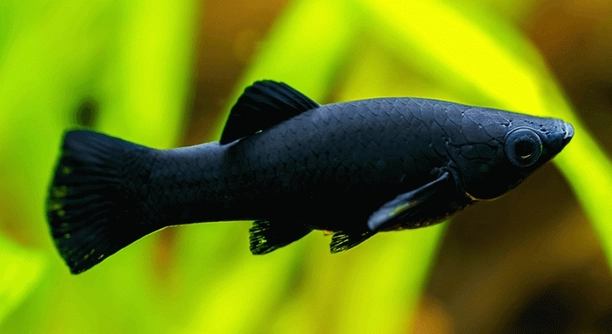
Are your black mollies swimming solo instead of forming a lively group in your aquarium? Many aquarists notice this behavior and wonder why these social fish sometimes avoid gathering together, despite their natural schooling instincts.
The primary reason your black molly is not forming a group is due to environmental stressors or social dynamics. Factors such as tank size, water quality, presence of aggressive tankmates, or an imbalanced sex ratio can prevent proper schooling behavior.
Understanding these influences will help you create a more harmonious tank environment and encourage your mollies to display natural social behaviors. Observing their interactions can guide practical adjustments for better group cohesion.
Tank Conditions and Water Quality
Black mollies are sensitive to their environment, and poor tank conditions can prevent them from forming groups. Maintaining clean water with stable parameters is crucial. Regular water changes, monitoring pH, and keeping ammonia and nitrate levels low create a comfortable space for schooling behavior. Temperature consistency is also important, as fluctuations can stress the fish. Overcrowding or a tank that is too small can force mollies to hide or stay apart. Providing hiding spots and plants can help them feel secure, but space must be sufficient for free swimming. A properly maintained tank encourages natural behavior and allows black mollies to interact with one another without stress. Adjusting these environmental factors often resolves isolation issues and promotes healthy social dynamics. Observing the fish daily helps detect subtle stress signs and allows timely interventions before behavior worsens.
Maintaining water quality and proper tank size is essential for mollies to socialize. Consistent conditions support natural schooling behavior.
Stress from poor water quality and cramped spaces can cause black mollies to act unusually. Ensuring balanced temperature, pH, and cleanliness fosters a safe environment. Adding plants and swimming space supports their instinct to form cohesive groups. Regular monitoring prevents isolation and promotes healthy interaction, giving you a more active and harmonious tank.
Social Structure and Tankmates
Tankmates strongly influence black molly behavior. Aggressive or dominant fish can intimidate mollies, causing them to avoid forming groups. Introducing compatible species ensures peaceful interactions and allows mollies to display natural schooling.
Black mollies are social fish, but their behavior depends on who shares their tank. Aggression from other fish or an imbalance in the number of males and females can disrupt group formation. Ideally, a ratio favoring more females helps reduce tension. Observation is key; you may notice certain tankmates prevent mollies from swimming together or cause stress that keeps them isolated. Adjusting the mix of fish or separating aggressive individuals allows mollies to reestablish social bonds. Understanding their social preferences and providing sufficient space reduces stress and encourages schooling. Over time, mollies will regain their natural group behavior, appearing more confident and active in a peaceful tank environment.
Diet and Nutrition
A balanced diet affects black mollies’ behavior. Poor nutrition can make them lethargic or less social, reducing their desire to form groups. Feeding a mix of high-quality flakes, frozen, and live foods supports energy and overall health.
Black mollies require protein-rich foods like brine shrimp and bloodworms, combined with plant-based options. A varied diet ensures they get essential vitamins and minerals, which influence activity levels and social interactions. Fish that are underfed or receive low-quality food may hide, swim alone, or show minimal interaction. Regular feeding schedules help maintain predictable behavior patterns. Observing their feeding response can indicate health issues early. A well-fed molly is more likely to join a group and swim actively with others.
Supplementing diet with occasional treats promotes natural foraging behavior. Feeding in multiple areas of the tank encourages movement and interaction. Nutritional variety strengthens immunity and reduces stress, directly supporting their ability to form cohesive groups. Consistent feeding fosters stability and predictable social behavior, allowing mollies to display normal schooling patterns.
Breeding and Reproduction
Breeding dynamics can influence group formation. Males may chase females excessively, causing stress and scattering the group. Managing sex ratios helps maintain harmony and encourages schooling.
A high male-to-female ratio often disrupts social cohesion. Males may dominate or harass females, forcing them to hide or swim alone. Introducing more females or separating aggressive males balances interactions and reduces tension, allowing black mollies to swim together naturally. Providing plants or hiding spots gives females relief and creates safer areas for the group. Observation of reproductive behavior is important to prevent stress-induced isolation.
Pregnant females need calm spaces, as overcrowding or constant attention from males can lead to hiding. Creating zones in the tank with visual barriers or dense vegetation gives females security while allowing males to display normal reproductive behavior. This balance ensures group cohesion and helps all fish maintain natural social interactions. Managing breeding conditions carefully supports both healthy offspring and a harmonious adult group, improving overall tank dynamics.
Acclimation and Stress
New black mollies may avoid groups due to stress from recent tank changes. Gradual acclimation reduces shock and encourages social behavior.
Stress can make mollies hide or swim alone. Introducing them slowly, maintaining stable water conditions, and minimizing sudden changes helps them adjust and interact with the group naturally.
Tank Layout and Decorations
Tank layout impacts molly behavior. Open swimming spaces encourage schooling, while excessive decorations can create hiding spots that isolate fish.
Providing a balance of open areas and hiding places allows black mollies to feel secure yet swim together. Rearranging plants or ornaments periodically can stimulate activity and maintain social interactions.
Observation and Adjustment
Monitoring daily behavior helps identify issues. Early intervention prevents long-term social problems.
FAQ
Why is my black molly hiding instead of swimming with the group?
Hiding is often a response to stress or discomfort. Water quality issues, sudden temperature changes, or aggressive tankmates can make mollies feel unsafe. Providing hiding spots is important, but excessive hiding may indicate a need to check water parameters, tank layout, or the social balance of your fish.
How many black mollies should I keep together for proper schooling?
Black mollies are social and thrive in groups of at least four to six. Smaller groups may feel insecure, while larger groups provide natural interaction and reduce stress. Ensuring a balanced ratio of males and females also prevents aggressive behavior that disrupts schooling.
Can tank size affect my black molly’s social behavior?
Yes. A cramped tank can prevent proper swimming and schooling, forcing mollies to isolate. Minimum recommended size is 20 gallons for a small group. Larger tanks give space for swimming, hiding, and establishing territories, which helps mollies feel secure and encourages group cohesion.
Are aggressive tankmates preventing my black molly from forming a group?
Aggressive fish can intimidate mollies, causing them to stay apart. Removing or separating aggressive species allows mollies to regain confidence. Peaceful, similarly sized species encourage social interaction, while compatible tankmates reduce stress and support natural schooling behavior.
Does diet influence group behavior in black mollies?
A varied, balanced diet boosts energy and promotes activity. Protein-rich foods like brine shrimp or bloodworms, combined with plant-based options, keep mollies healthy and more likely to interact socially. Poor nutrition can lead to lethargy and reduced group participation.
Can sex ratio affect schooling behavior?
Yes. An imbalance, especially with too many males, can lead to chasing and harassment, causing females to hide. Maintaining a higher number of females compared to males reduces tension and supports cohesive group swimming.
How long does it take for black mollies to form a group after being stressed?
Recovery time varies depending on the cause of stress. With stable water conditions, proper diet, and safe tankmates, mollies can gradually rejoin the group within days to a couple of weeks. Observation ensures that social interactions return naturally without interference.
Do pregnant females affect group formation?
Pregnant females may hide more to avoid male attention. Providing dense plants or visual barriers gives them security, while males remain in open areas. This arrangement allows the rest of the group to continue normal schooling while keeping pregnant females comfortable.
Is it normal for black mollies to swim alone sometimes?
Occasional solitary swimming is normal, especially for exploring or feeding. Persistent isolation, however, may indicate stress, illness, or an unsuitable environment. Regular observation helps distinguish between normal behavior and potential issues needing intervention.
Can rearranging tank decorations help group behavior?
Yes. Rearranging plants and ornaments occasionally encourages activity and prevents territorial disputes. Open swimming spaces combined with strategic hiding spots allow mollies to feel secure while promoting natural schooling. A dynamic environment supports long-term social cohesion and reduces stress.
How do I know if my black mollies are stressed?
Signs of stress include hiding, erratic swimming, loss of appetite, or faded colors. Addressing water quality, tankmates, diet, and environmental enrichment usually restores confidence and encourages group formation. Early recognition prevents long-term behavioral issues.
Can black mollies form groups with other species?
They can, but compatibility is key. Peaceful fish of similar size are ideal. Aggressive or very different species may prevent schooling and increase stress. Observing interactions helps ensure harmonious mixed-species tanks without disrupting natural social behavior.
What is the best way to introduce new mollies to an established group?
Acclimate new mollies slowly, ideally using a separate quarantine tank first. Gradual introduction and monitoring minimize stress and allow existing fish to accept newcomers. Providing plants or visual barriers during the transition helps both new and established mollies feel secure, encouraging group formation.
Do water parameters need to be perfect for schooling behavior?
While mollies are hardy, consistent water quality promotes natural behavior. Stable pH, temperature, and low ammonia and nitrate levels reduce stress and encourage interaction. Fluctuations or poor conditions often lead to isolation or hiding, preventing proper group formation.
How often should I observe my black mollies to ensure group cohesion?
Daily observation is ideal. Watching feeding behavior, swimming patterns, and interactions helps detect early signs of stress, aggression, or illness. Timely adjustments to tank conditions, diet, or social structure maintain a healthy, active group.
Can black mollies form groups in a planted tank versus a bare tank?
Planted tanks offer hiding spots, making stressed fish feel secure, but too dense planting can prevent schooling. A balance of open swimming space and safe hiding areas encourages natural social behavior, letting mollies form cohesive groups while feeling protected.
Does lighting affect molly behavior?
Yes. Proper lighting helps regulate activity cycles and encourages movement. Too bright or inconsistent lighting can stress fish, leading to isolation. Gentle, consistent lighting supports normal schooling and overall health.
Can illness prevent group formation?
Sick fish may hide or swim alone. Early detection and treatment restore normal social behavior. Observing signs such as lethargy, fin damage, or unusual swimming ensures timely intervention to protect both individual and group health.
What small changes can improve schooling in black mollies?
Adjust tank size, rearrange decorations, balance sex ratios, maintain water quality, and provide varied diet. These adjustments reduce stress and encourage mollies to swim together naturally. Small, consistent improvements yield noticeable changes in group cohesion over time.
How do I maintain long-term group stability?
Regular water maintenance, compatible tankmates, consistent feeding, monitoring health, and observing social interactions all contribute to long-term group stability. Preventing aggression, reducing stress, and providing space and enrichment help black mollies maintain natural schooling patterns indefinitely.
Black mollies are naturally social fish, and seeing them swim in groups is one of the most rewarding parts of keeping an aquarium. When they do not form a group, it often points to issues that can be addressed with careful observation and small adjustments. Environmental factors, such as water quality, temperature, and tank size, play a major role in whether your mollies feel comfortable swimming together. Ensuring that water parameters are stable, maintaining a clean tank, and providing enough space for movement are foundational steps for promoting group behavior. Even small changes, like adding plants for security while keeping open swimming areas, can make a noticeable difference in how the fish interact. Consistent monitoring of these conditions allows you to respond quickly if a fish appears stressed or isolated.
Social dynamics within the tank are equally important. Aggressive or dominant tankmates, as well as an unbalanced ratio of males to females, can prevent black mollies from forming cohesive groups. Adjusting the composition of the tank by separating aggressive fish or adding more females can reduce tension and support natural schooling. Introducing new fish should be done gradually to minimize stress and allow the group to adjust. Additionally, diet plays a role in energy levels and social behavior. A varied and balanced diet keeps mollies active, alert, and more likely to swim together naturally. Providing regular feeding in different areas of the tank can also encourage movement and interaction, supporting the overall group dynamic.
Patience and observation are key when working with black mollies. Even with proper conditions, fish may take time to settle and establish social bonds. Watching their behavior closely helps identify subtle signs of stress, illness, or aggression before these issues interfere with group formation. Environmental enrichment, such as rearranging decorations or adding hiding spots, can encourage activity while maintaining a sense of security. Over time, creating a stable and supportive environment allows black mollies to regain confidence and swim together naturally. By paying attention to water quality, social balance, diet, and overall tank conditions, you can foster a healthy and harmonious group where mollies display their natural schooling behavior, providing both visual enjoyment and a balanced ecosystem in your aquarium.

Hello,
If you enjoy the content that we create, please consider saying a "Thank You!" by leaving a tip.
Every little bit helps us continue crafting quality advice that supports the health, happiness, and well-being of pets around the world, for pets of all shapes, sizes, and species.
We really appreciate the kindness and support that you show us!