
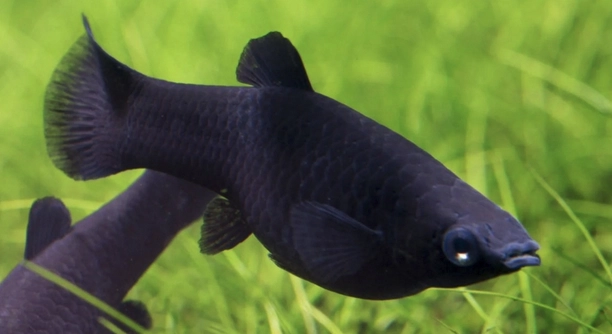
Is your black molly suddenly showing less interest in food than usual? Changes in appetite can be worrying for fish owners, especially when your once lively molly seems to swim past its favorite treats.
A black molly losing its appetite is often caused by stress, poor water quality, illness, or dietary imbalances. Monitoring tank conditions, adjusting feeding routines, and observing for unusual behavior are essential steps in addressing this issue.
Understanding the reasons behind appetite loss can help your molly regain health and energy, ensuring a happier and more vibrant life in your aquarium.
Common Causes of Appetite Loss in Black Mollies
Black mollies can stop eating for several reasons, and noticing the signs early is important. Water quality is a major factor; high levels of ammonia, nitrites, or nitrates can stress fish and reduce appetite. Sudden temperature changes also make fish uncomfortable, causing them to eat less. Overcrowding in the tank may create stress and prevent your molly from feeding properly. Illnesses like internal parasites, bacterial infections, or swim bladder problems can lead to reduced interest in food. Even diet plays a role—offering the same food repeatedly without variation can make mollies reluctant to eat. Observing behavior, such as hiding or sluggish swimming, often points to the underlying problem. Regular tank maintenance, monitoring water parameters, and varying food types help mollies feel secure and encouraged to feed.
Monitoring tank conditions closely helps identify problems quickly, giving your molly a better chance at returning to normal feeding patterns.
Changes in feeding can be subtle, but recognizing early signs often prevents more serious health problems. Proper observation ensures you catch stress or illness before it worsens.
Improving Feeding Habits
Start by offering fresh, high-quality foods that match your molly’s needs. Include a mix of flakes, pellets, and occasional live or frozen options. Feeding smaller amounts multiple times a day can encourage appetite, as large portions may overwhelm or intimidate the fish. Make sure the tank environment is calm and free from disturbances during feeding. Maintaining a consistent feeding schedule helps your molly anticipate mealtime, which can increase interest in food. Avoid overfeeding, as leftover food can pollute the water and stress your fish, further reducing appetite.
When mollies lose interest in food, it’s usually a combination of environmental and dietary factors. Ensuring water quality is stable, temperature is appropriate, and the tank is clean is the first step. Introducing variety in the diet keeps the fish engaged and provides essential nutrients. Monitoring interactions with other tank mates is also important, as aggressive or territorial fish can prevent mollies from eating. Observing your molly’s behavior closely can help you detect illness early, allowing timely intervention. Adjusting lighting, reducing sudden movements near the tank, and maintaining a peaceful environment contribute to a molly’s comfort, which directly affects feeding. Patience is key; mollies may take several days to regain a healthy appetite after stress or illness. Following these steps consistently ensures your black molly returns to regular, healthy feeding habits while promoting long-term well-being.
Adjusting Water Conditions
Keeping water clean is essential for mollies to eat normally. Regular partial water changes remove toxins, and using a good filter ensures proper circulation. Stable temperature and balanced pH reduce stress and support overall health, encouraging your black molly to feed consistently.
Monitoring water parameters daily can prevent appetite loss. Ammonia and nitrite spikes are harmful, while nitrate buildup stresses fish over time. Adjusting temperature gradually after changes avoids shocking your molly. Adding a dechlorinator during water changes protects sensitive fish. A clean substrate and removal of uneaten food also reduce harmful bacteria growth. Maintaining a calm environment around the tank helps mollies feel secure, promoting normal feeding behavior.
Consistency is key. Regularly testing water, performing timely changes, and keeping the tank organized minimizes stress. Mollies respond to a stable environment by eating more reliably. Even small fluctuations can cause noticeable appetite loss, so attention to detail ensures your black molly stays healthy and active over time.
Choosing the Right Diet
Providing a balanced diet supports appetite and health. Black mollies need a mix of proteins, vegetables, and occasional live foods. Flakes, pellets, and frozen options offer variety while meeting nutritional needs. Feeding small portions multiple times a day is more effective than one large meal.
Dietary variety is crucial for preventing refusal to eat. Incorporating vegetables like spinach or zucchini ensures fiber and vitamins. Live or frozen foods such as brine shrimp or daphnia stimulate natural feeding instincts. Avoid overfeeding, as leftovers can foul the water and create stress. Rotating food types prevents boredom and maintains interest in meals. A structured feeding schedule helps mollies anticipate food, reinforcing regular appetite patterns.
Adjusting diet based on observation is important. If your molly shows little interest in one type of food, try another with similar nutrients. Introducing new foods gradually prevents digestive issues and encourages consistent feeding. Monitoring weight, behavior, and tank cleanliness ensures diet changes are effective. Combining high-quality flakes or pellets with fresh vegetables and occasional live options provides essential nutrients for growth, color, and energy. Careful attention to feeding habits supports long-term health, keeping mollies active and lively in their environment.
Reducing Stress in the Tank
Stress can make black mollies stop eating. Keep the tank environment calm by limiting sudden movements and loud noises nearby. Avoid overcrowding and provide hiding spots, so your fish feel safe and more willing to feed.
Monitoring interactions between tank mates is important. Aggressive or territorial fish can prevent mollies from reaching food. Observing your molly’s behavior helps identify stressful situations. Using plants, caves, or decorations offers retreats where fish can relax. Maintaining consistent lighting and minimizing rapid changes in temperature or pH also reduces stress. A peaceful environment encourages normal appetite and overall well-being.
Identifying Illness Early
Health issues are a common reason mollies lose appetite. Watch for signs like lethargy, faded colors, or abnormal swimming. Early detection allows treatment before conditions worsen. Treating infections promptly improves recovery and restores feeding behavior in your black molly.
Using Supplements
Vitamins and minerals can boost appetite in mollies. Adding supplements to their diet strengthens the immune system and encourages healthy feeding habits.
FAQ
Why is my black molly not eating but seems active?
Even if your molly is swimming normally, changes in appetite can be caused by mild stress or a minor water quality issue. Fish sometimes refuse food for a few days if there are fluctuations in temperature, pH, or nitrate levels. Check water parameters first and adjust gradually. Overfeeding can also make them skip meals, so reduce portions and observe.
Can a sudden change in diet cause appetite loss?
Yes. Mollies are used to certain food textures and flavors. Switching from flakes to pellets or introducing new frozen foods too quickly can make them hesitant to eat. Introduce new foods slowly while continuing their usual diet to help them adjust. Mixing small amounts of the new food with familiar foods usually encourages acceptance.
Could illness be the reason my molly won’t eat?
Illness is a common factor in appetite loss. Symptoms such as lethargy, clamped fins, pale or faded colors, or unusual swimming patterns often accompany disease. Internal parasites, bacterial infections, or swim bladder issues can all reduce feeding. Quarantine sick fish if possible and consult a veterinarian or fish specialist for treatment.
How does water quality affect feeding?
Poor water quality is stressful and can cause mollies to stop eating. High ammonia, nitrite, or nitrate levels irritate gills and skin. Low oxygen or sudden temperature changes also impact appetite. Regular testing, partial water changes, and using a reliable filter keep water clean and stable, encouraging mollies to feed consistently.
Will overcrowding impact my molly’s appetite?
Yes. Too many fish in a tank create stress and competition for food. Dominant fish may prevent mollies from reaching meals, leading to reduced appetite. Provide hiding spots, monitor feeding, and avoid overstocking. Separating aggressive individuals or increasing tank size often restores normal feeding behavior.
Can stress from tank mates cause appetite loss?
Aggressive or territorial fish can intimidate mollies, causing them to hide and refuse food. Stress reduces energy and interest in eating. Observing interactions during feeding, rearranging the tank, or adding plants and caves for refuge helps mollies feel safe and encourages normal feeding patterns.
Should I use supplements to increase appetite?
Supplements like vitamins or mineral-enriched foods can help mollies regain appetite if they are slightly malnourished or stressed. Use in moderation and follow recommended dosages. Overuse can cause water quality problems. Combining supplements with a balanced diet ensures long-term health and improves feeding behavior.
How long can a molly go without eating safely?
Adult black mollies can typically survive 3–5 days without food, but prolonged periods increase stress and weaken the immune system. Young or sick mollies are more vulnerable. Monitor closely and address water, stress, or dietary issues promptly to prevent further complications.
Does lighting or environment affect appetite?
Yes. Sudden changes in lighting or frequent disturbances around the tank can make mollies hesitant to eat. Consistent lighting schedules, calm surroundings, and adequate hiding spots create a secure environment that promotes feeding.
What are the signs that my molly is recovering its appetite?
Improved interest in food, more active swimming, brightened coloration, and normal interactions with tank mates are good signs. Gradually reintroduce small portions of favorite foods and continue monitoring water conditions. Recovery may take a few days, but patience and consistency usually restore normal feeding habits.
Can seasonal changes affect eating habits?
Yes. Temperature fluctuations or changes in light exposure due to seasons may reduce appetite temporarily. Maintain stable tank conditions, adjust heating if needed, and provide familiar food during these periods to keep your molly feeding consistently.
Is it normal for mollies to occasionally skip meals?
Occasional skipping is normal if the fish is otherwise healthy and water conditions are stable. Avoid overfeeding and observe daily behavior. Consistent monitoring ensures that skipped meals are not a sign of underlying stress or illness.
How can I prevent appetite loss in the future?
Regular tank maintenance, monitoring water parameters, offering varied food, and minimizing stressors help prevent appetite loss. Observe tank dynamics, provide hiding spots, and follow a feeding schedule. Early attention to small changes in behavior often prevents serious problems and keeps mollies healthy long-term.
Black mollies are sensitive fish, and changes in their appetite can signal that something in their environment needs attention. Paying close attention to water quality, tank temperature, and overall cleanliness is essential. Even small fluctuations in ammonia, nitrites, or nitrates can create stress, making your molly less willing to eat. Keeping the tank stable with consistent water changes and a reliable filtration system helps prevent many of the common reasons for appetite loss. A peaceful environment with minimal disturbances also supports normal feeding behavior, allowing your fish to feel safe and comfortable while exploring the tank for food.
Diet plays a significant role in maintaining a healthy appetite. Black mollies need a balanced combination of proteins, vegetables, and occasional live or frozen foods to stay active and healthy. Repeating the same food over time can lead to boredom or nutrient deficiencies, causing them to refuse meals. Offering a mix of flakes, pellets, and fresh or frozen options encourages feeding and supports overall health. It is also important to provide the correct portion sizes and feed multiple times a day in small amounts rather than one large meal. Observing how your molly reacts to different foods and adjusting gradually ensures it receives proper nutrition without harming water quality.
Stress, illness, and environmental factors are all interconnected, and addressing them together gives the best results. Mollies may hide or become less active when stressed or sick, which can reduce their interest in food. Identifying early signs of illness, such as faded colors, lethargy, or unusual swimming patterns, allows for timely treatment and increases the chances of a quick recovery. Providing hiding spots, managing aggressive tank mates, and maintaining consistent lighting and temperature all help mollies feel secure. Supplements can occasionally support appetite recovery, but a well-maintained tank and varied diet are the most reliable ways to keep your black molly eating regularly. By observing behavior closely and acting on even small changes, you can ensure your molly remains healthy, active, and happy in its environment.

Hello,
If you enjoy the content that we create, please consider saying a "Thank You!" by leaving a tip.
Every little bit helps us continue crafting quality advice that supports the health, happiness, and well-being of pets around the world, for pets of all shapes, sizes, and species.
We really appreciate the kindness and support that you show us!