
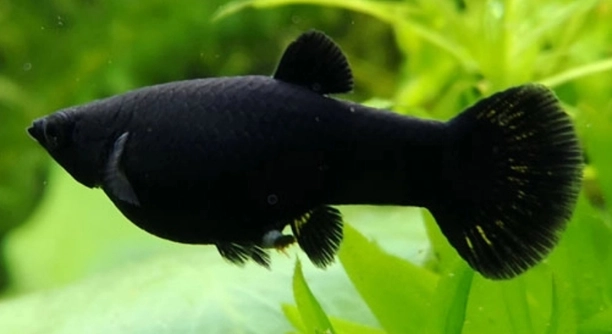
Caring for black molly fry can feel rewarding while you watch them explore their tank and adjust to their new world, yet uneven growth becomes noticeable on and may leave you unsure about their development.
Uneven growth in black molly fry is primarily linked to competition for food, genetic traits, and environmental inconsistencies. Larger fry often outcompete smaller ones, leading to nutritional imbalances that influence development and create noticeable differences in size within the brood.
Learning what shapes their growth patterns helps you navigate their care confidently, offering clearer insight into the factors influencing progress.
Common Reasons for Uneven Growth
Uneven growth in black molly fry often comes from conditions inside the tank that seem minor at first but grow more noticeable as the fry develop. Larger fry tend to take food faster, leaving smaller fry with fewer nutrients during important early stages. When this happens repeatedly, size gaps widen even if the overall environment appears stable. Water quality also shapes growth because fry respond strongly to shifts in temperature, filtration, and waste buildup. Some fry naturally grow slower due to their inherited traits, which makes them more sensitive to changes in the tank. When several of these factors overlap, development rates separate and become visible for longer periods. Paying attention to feeding habits, spacing, and cleanliness helps you understand why certain fry advance faster than others. With small adjustments, you can reduce the differences and create conditions where fry feel comfortable and more likely to grow at similar speeds.
Feeding smaller fry separately often helps reduce size gaps and gives them enough nutrients to improve their development. By controlling portions and timing, you help each fry get what it needs. This simple adjustment supports steady improvement and encourages healthier growth patterns across the entire group in a consistent way.
Making small improvements to the tank can help your fry feel safer and more supported as they grow. Better filtration removes waste before it stresses the smallest fry. Keeping temperatures steady prevents disruptions that slow development. Extra hiding spaces allow weaker fry to rest and reduce the pressure from stronger fry during feeding times. When you combine these adjustments, growth becomes more stable and the differences between individuals gradually become less noticeable. These changes can be done slowly without overwhelming the tank, giving you a simple method to maintain balance while allowing each fry the chance to grow comfortably there.
How to Support Balanced Development
Feeding high quality food in small portions helps keep fry closer in size, especially when paired with frequent water changes. By giving each group equal access to nutrients, you support balanced development and reduce stress that often affects slower growing fry during their early stages in a calm and environment.
Creating a balanced environment for black molly fry begins with monitoring the tank closely and responding to small changes before they influence development. Start by offering food several times a day in small amounts that spread easily, giving every fry a fair chance to eat without feeling overwhelmed. Crushed flakes, baby brine shrimp, and finely ground pellets support growth when rotated and given in moderate portions. Good filtration keeps the water clean, but it should not create strong currents that force smaller fry to struggle while swimming. Gentle sponge filters work well because they maintain clarity without disrupting feeding or resting areas. Regular water changes keep ammonia and nitrite levels low, protecting delicate fry from stress that slows their progress. Adding live plants or soft decorations helps each fry find a safe place to recover after feeding, reducing competition and improving confidence. Watching how the fry behave during meals also gives you clues about which individuals may need extra attention. Separating the smallest ones into a breeder box for part of the day can provide additional support until they gain strength. Over time, these small efforts help create a steady environment that supports healthier growth patterns and reduces size differences.
Feeding Strategies That Improve Growth Consistency
Feeding smaller portions more often helps each fry access nutrients without feeling pressured by faster eaters. Rotating foods encourages steady development and keeps meals simple. Spreading food across different spots also prevents stronger fry from taking everything before others can reach it.
Offering a mix of crushed flakes, micro pellets, and baby brine shrimp supports balanced growth when given in controlled amounts. Feeding two to four times daily works well for fry that develop at different speeds. Keeping meals light prevents excess waste that can disrupt the tank. Watching how each fry behaves at feeding time helps you decide whether some need a little extra help or temporary separation for better access to food. With steady feeding habits, differences in size often become less noticeable over time, and the smaller fry show more progress as they gain strength.
Separating the tiniest fry during feeding times lets them eat without pressure, helping them grow at a more comfortable pace. A breeder box or a floating container creates a safe space where food stays concentrated. After meals, returning them to the main tank keeps the group familiar with each other. This method works well when used regularly, especially for fry that struggle to compete. Pairing this with high quality food and clean water often provides a simple way to support balanced development. Over several days, you may start noticing that the smaller fry look stronger and become more active, showing steady improvement.
The Role of Water Quality in Growth Differences
Clean water supports fry health by reducing stress that often slows development. Stable temperatures, gentle filtration, and frequent water changes help maintain a comfortable environment. These adjustments can be done slowly to avoid sudden shifts that affect vulnerable fry.
Monitoring ammonia, nitrite, and nitrate levels ensures each fry stays safe from harmful buildup. Sponge filters keep the water clear without strong currents that push weaker fry around. Performing small water changes several times a week keeps the tank fresh and prevents waste from affecting appetite or energy. Live plants help absorb extra nutrients and create calm areas where fry can rest. When water quality stays steady, fry devote more energy to growing rather than coping with stress. Over time, consistent care helps reduce size differences and supports healthier development across the entire group.
How Genetics Influence Growth Rates
Some fry naturally grow slower due to inherited traits that affect development. These differences become more noticeable when combined with variations in feeding or water quality. Paying attention to individual fry helps you understand which ones need extra support during their early stages.
Even in ideal conditions, certain fry may remain smaller for longer because of their genetic makeup. These slower growing individuals often benefit from gentler feeding routines, calmer tank areas, and reduced competition. With steady care, they usually gain strength at their own pace.
Signs That Fry Need Extra Support
Fry that avoid feeding spots, hide more than usual, or fall behind in size often need a little added attention. Consistently observing their behavior helps you respond quickly before the gap widens. Early action often makes a noticeable difference in their progress.
When to Separate Smaller Fry
Separating smaller fry becomes helpful when they consistently miss meals or show signs of stress during feeding. A safe, quiet space lets them eat comfortably and regain strength.
FAQ
Why do some black molly fry stay tiny while others grow faster?
Some fry stay small because they receive less food, face stress, or carry traits that slow their growth. Larger fry often reach the food first, which leaves the smaller ones with fewer nutrients. When this pattern repeats each day, differences in size become clearer. Clean water, gentle filtration, and frequent small feedings often help give the smaller fry a better chance to catch up.
How often should I feed my black molly fry?
Feeding several times a day in small portions works best because fry grow quickly and need constant access to nutrients. Smaller meals spread throughout the day give every fry a chance to eat without overwhelming the tank with excess waste. This keeps the water cleaner and helps maintain steady development. Watching their behavior during feeding can guide you on whether they need slightly more or slightly less.
What foods help fry grow at a steady rate?
A mix of finely crushed flakes, micro pellets, baby brine shrimp, and powdered fry food supports healthy development. Rotating these foods keeps the fry interested and helps them receive a balanced mix of nutrients. High protein options like baby brine shrimp often give noticeable boosts in growth, especially when offered regularly but in light amounts.
Do smaller fry always need to be separated?
Not always. Separation is helpful when the smaller fry consistently miss meals or show signs of stress, such as hiding during feeding or avoiding areas with stronger fry. A temporary safe space can help them eat in peace. Once they gain strength, they usually adapt well back in the main tank.
Can tank size affect fry growth?
Tank size can influence how easily fry find food and avoid stress. In smaller tanks, quicker waste buildup can disrupt their development. Larger tanks provide more space for fry to explore, rest, and find food without competing as intensely. No matter the size, regular water changes and gentle filtration help maintain an environment suitable for growing fry.
Does lighting influence their growth rate?
Soft lighting encourages fry to feel comfortable and reduces sudden stress responses. Strong or harsh lighting can make smaller fry hide more often, which reduces their feeding time. A moderate, steady light cycle helps them stay active, eat properly, and rest when needed.
Why do fry hide so often?
Hiding can be caused by strong currents, active tank mates, or pressure from larger fry. Sometimes fry hide simply because they feel more secure in sheltered spots. Adding plants, moss, or soft decorations gives them peaceful areas to rest. When fry feel safe, they spend more time feeding and growing.
How do I know if water quality is affecting their growth?
If fry become sluggish, lose appetite, or cluster near the surface, the water may not be ideal. Testing ammonia, nitrite, and nitrate levels helps you catch issues early. Even slight spikes can disturb smaller fry. Keeping the tank clean, performing small regular water changes, and using a gentle filter prevent the environment from slowing their development.
What signs show a fry is improving after making changes?
Improvement shows through brighter behavior, increased activity during feeding, and a gradual increase in size. Smaller fry begin to explore more and approach food with more confidence. These small changes usually show within several days once feeding habits and water quality become more consistent.
Can genetics limit how large certain fry become?
Yes, genetics can influence both growth speed and final size. Even with excellent care, some fry naturally stay smaller. These fry can still grow well when supported with steady feeding routines and calm tank conditions. Genetics simply means their progress might look different from the rest, not that they cannot develop into healthy adult fish.
Is it normal for fry to grow at different speeds?
Yes, it is very common. Even in well maintained tanks, fry grow at different rates due to feeding order, stress levels, and natural traits. By keeping the environment clean, offering a balanced diet, and making small adjustments for slower fry, the differences often become less noticeable as they mature.
Final Thoughts
Caring for black molly fry often feels rewarding, especially when you start noticing how each small adjustment supports their development. Even though uneven growth can seem worrying at first, it usually comes down to a few manageable factors that you can improve with patience. Simple habits like feeding smaller meals throughout the day, keeping the tank clean, and creating calm spaces help each fry feel safe enough to grow at its own pace. When you focus on consistency rather than perfection, the changes become easier to maintain. Over time, these steps support healthier progress and help narrow the size differences that once seemed overwhelming. This approach keeps you connected to your fry in a gentle way, guiding you to notice what works well and what could use a small change. With steady care, the tank becomes a place where each fry has a fair chance to grow strong and active, even if some of them begin their development a little slower.
As your fry continue to grow, you may find yourself becoming more aware of their behaviors and how they respond to daily routines. These small observations help you understand which fry need extra support and which ones adjust quickly to changes in the tank. Watching them interact during feeding, rest in sheltered spots, or explore calmer areas gives you clues about their comfort and energy level. When something seems off, adjusting feeding patterns or improving water quality can make a meaningful difference. The more you understand these subtle signals, the easier it becomes to maintain an environment that encourages steady development. Even simple tools like breeder boxes, sponge filters, and live plants can create a softer, more predictable space that benefits fry developing at different speeds. Caring for fry in this mindful way lets you see small improvements that build over time, showing you how much your attention shapes their progress.
As the fry approach their juvenile stage, the environment you built for them starts to show its impact. Slower fry often begin catching up once they receive enough food and feel safe enough to come forward during feeding. Larger fry usually remain active but less dominating when the tank provides enough room and hiding spots for everyone. These changes help reduce stress across the entire group and support more even development. Staying consistent with clean water, stable temperatures, and light feeding routines keeps the tank predictable and easy for fry to navigate. With every week that passes, you may notice that the size gap becomes less pronounced, and even the smallest fry look brighter and more confident. This steady improvement reflects the care you put into understanding their needs and responding with small but meaningful adjustments. Caring for black molly fry takes time, but the gradual results show how much a balanced environment can help each fry reach its potential.

Hello,
If you enjoy the content that we create, please consider saying a "Thank You!" by leaving a tip.
Every little bit helps us continue crafting quality advice that supports the health, happiness, and well-being of pets around the world, for pets of all shapes, sizes, and species.
We really appreciate the kindness and support that you show us!