
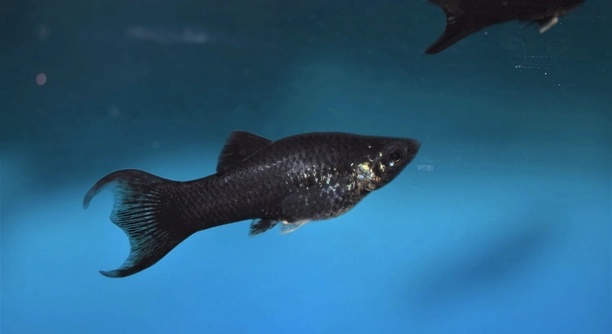
Many aquarists enjoy watching their black molly swim gracefully in the tank, but sometimes it spends most of its time near the filter. Observing this behavior can feel puzzling, especially when the fish seems restless or cautious.
Black mollies often stay close to the filter because it provides higher oxygen levels and gentle water flow. This area offers a stable environment, making it easier for the fish to breathe, feel secure, and avoid stress caused by stagnant water elsewhere in the tank.
Knowing why your black molly prefers the filter can help improve its environment and overall health, ensuring a calmer and more balanced aquarium for your fish.
Common Reasons Black Mollies Stay Near the Filter
Black mollies often stay close to the filter because of oxygen levels and water flow. Filters push water through the tank, circulating it and preventing stagnant areas. Mollies naturally prefer areas with good water movement because it helps them breathe more easily. If your tank is overcrowded or lacks plants, the fish might feel stressed, and the filter provides a sense of safety. Temperature can also play a role. Filters can create slightly cooler areas, especially if the heater is on one side of the tank. Mollies tend to prefer consistent temperatures, and swimming near the filter might help them find a stable spot. Additionally, mollies are social fish and may use the filter area as a point to observe tank mates or food movement. Feeding routines can also influence their location. Over time, this behavior becomes a pattern, making the filter their default spot for comfort and survival.
Observing your molly near the filter can indicate it is adjusting to its environment, not necessarily a problem.
Keeping a consistent water flow, monitoring oxygen levels, and checking for temperature changes are important. Adjusting tank decorations and creating hiding spots can help mollies feel more comfortable swimming elsewhere, improving overall activity and health.
How to Encourage Your Black Molly to Explore
Some tank adjustments can make mollies feel safer away from the filter.
Providing plants, caves, and gentle currents in different tank areas encourages movement. Mollies are curious but cautious, so gradually adding hiding spots away from the filter can make them explore more confidently. Regular feeding in various areas of the tank also attracts them. Avoid sudden changes in water temperature or chemistry, as this can push them back to the filter. Over time, with patience, mollies will venture into new zones. Removing debris and keeping the substrate clean ensures a healthy environment, reducing the need for them to rely on the filter. Balanced lighting helps simulate natural conditions, prompting more natural swimming patterns. Monitoring their behavior allows you to see if changes are effective and adjust tank conditions accordingly. Creating an environment with variety and security encourages black mollies to become more active, balanced, and less dependent on the filter for comfort and oxygen.
Water Quality and Its Impact
Poor water quality can make mollies stay near the filter, where circulation is better. High ammonia, nitrite, or nitrate levels stress fish. Regular testing and partial water changes help maintain a healthy environment, making the fish feel safe throughout the tank.
Maintaining clean water is essential for black mollies. Filters help, but they cannot replace regular care. Checking ammonia, nitrite, and nitrate levels ensures the tank remains safe. Partial water changes of twenty to thirty percent weekly help remove toxins. Mollies are sensitive to sudden chemical changes, so it’s important to match the temperature and pH of replacement water with the tank. Proper filtration combined with consistent cleaning prevents harmful buildup. Monitoring fish behavior can indicate when water quality needs attention, allowing you to address problems before they become serious.
Overfeeding can also harm water quality, causing cloudy water or algae growth. Uneaten food decomposes and produces ammonia, which stresses mollies. Keeping a proper feeding schedule, removing leftovers, and using high-quality food improves water conditions. A balanced diet helps mollies stay healthy, reducing the need to stay near the filter for better oxygen and safety.
Temperature and Flow Preferences
Black mollies prefer stable temperatures and gentle currents. Sudden changes or strong flow can drive them toward the filter, where conditions are more consistent and predictable.
Mollies thrive in water between 72 and 78°F. Fluctuations outside this range make them seek areas with stable temperatures, often near the filter. Filters also create gentle water movement that mimics natural currents, which mollies find comfortable. Areas with little flow or stagnant water can feel unsafe or oxygen-poor. Adjusting heater placement and ensuring even temperature distribution helps the fish feel confident swimming throughout the tank. Adding a small powerhead or adjusting filter output can create gentle flow in other areas, encouraging exploration. Observing their reactions to flow changes helps maintain optimal conditions.
Hiding Spots and Tank Layout
Black mollies often stay near the filter when the tank lacks sufficient hiding spots. Adding plants, rocks, or decorations in different areas gives them safe places to rest, reducing stress and encouraging movement throughout the tank.
A simple rearrangement of tank elements can make a big difference. Providing caves or dense plant clusters allows mollies to feel secure away from the filter. Even small decorations can break lines of sight, giving the fish confidence to explore. Strategic placement of hiding areas in multiple zones helps distribute activity evenly, keeping mollies active and less dependent on one spot for safety.
Feeding and Location Habits
Mollies may linger near the filter if feeding routines consistently bring food there. They learn where food appears and return to that spot, associating the area with nourishment and security.
Social Behavior
Black mollies are social and may stay near the filter to observe or interact with tank mates, using it as a familiar vantage point.
FAQ
Why does my black molly always stay near the filter?
Black mollies tend to stay near the filter because it provides higher oxygen levels, stable water flow, and a sense of security. Filters circulate water, prevent stagnant areas, and create gentle currents that mollies find comfortable. Stressful conditions elsewhere in the tank make the filter a safe spot.
Is it normal for a black molly to stay in one area?
Yes, it is normal. Fish often pick areas where conditions feel best. Mollies prefer regions with stable temperature, proper oxygen, and gentle flow. If these conditions are inconsistent in other areas, mollies will naturally gravitate to zones like the filter. Observing consistent behavior isn’t always a problem.
Could poor water quality be affecting my molly?
Absolutely. High levels of ammonia, nitrite, or nitrate can stress mollies. They often move near the filter because water circulation reduces toxin buildup. Regular testing and partial water changes help maintain safe conditions. Proper feeding and cleaning routines also prevent water deterioration.
Does tank layout influence my fish’s behavior?
Yes, tank layout plays a big role. A bare tank without hiding spots or plants makes mollies feel exposed. Adding decorations, caves, and plants in multiple areas encourages exploration and provides security, reducing dependency on the filter. Changing layouts gradually helps them adjust.
Can temperature affect where my molly swims?
Temperature is very important. Mollies prefer 72–78°F, and sudden fluctuations can drive them toward the filter for stability. Filters often create slightly cooler or more consistent microclimates. Even distribution of heat and gentle currents in other parts of the tank helps mollies feel comfortable swimming elsewhere.
Does feeding routine make mollies stay near the filter?
Yes, feeding influences behavior. Mollies quickly learn where food appears, often near the filter. If feeding consistently happens there, they associate the area with safety and nourishment. Feeding in different tank areas encourages movement and reduces repetitive filter-seeking behavior.
How do social interactions affect black mollies?
Mollies are social fish and may stay near the filter to observe or interact with tank mates. The filter area often provides a central location to watch the group, giving them a sense of security while maintaining social connections.
Will adding decorations make them explore more?
Adding plants, rocks, and caves encourages exploration. Mollies feel safer when they have multiple hiding spots in different tank areas. Gradual adjustments in layout help them become more confident in swimming around, reducing reliance on the filter for comfort.
Could overfeeding or leftover food influence their location?
Yes. Uneaten food decomposes and produces ammonia, which stresses fish. Mollies may prefer the filter area for better oxygen and circulation, avoiding stagnant, low-oxygen zones with leftover food. Regular feeding and cleaning leftover food improve water quality and overall fish activity.
When should I worry about filter-staying behavior?
Persistent filter-staying isn’t always a problem, but if accompanied by lethargy, loss of appetite, clamped fins, or unusual swimming, it may indicate stress, illness, or poor water quality. Testing water, observing health, and adjusting tank conditions are important steps to ensure mollies remain healthy.
Does water flow adjustment help?
Yes, adjusting filter flow can encourage movement. Gentle currents in multiple areas mimic natural conditions and make other zones comfortable for mollies. Observing their reaction helps determine ideal flow levels. A small powerhead or flow adjustment can create suitable currents without causing stress.
Are black mollies more active at certain times?
Mollies tend to be more active during daylight when feeding and social behaviors peak. They may still remain near the filter if other tank areas feel unsafe. Ensuring consistent lighting and environmental enrichment helps distribute activity throughout the tank.
Can I train my molly to swim elsewhere?
Yes, gradually. Introducing new hiding spots, feeding in different locations, and maintaining stable water conditions helps mollies gain confidence in other tank areas. Avoid sudden changes, as mollies prefer familiar and safe conditions, which initially makes the filter a go-to spot.
Does the filter create a safe microclimate?
Yes. The filter often produces gentle currents, stable temperature, and improved oxygen levels. Mollies naturally prefer such conditions. Understanding this helps in replicating comfort zones throughout the tank to reduce excessive filter-staying behavior.
How often should I check water parameters?
Testing water weekly is recommended. Monitoring ammonia, nitrite, nitrate, pH, and temperature ensures a healthy environment. Prompt adjustments prevent stress and encourage mollies to explore the entire tank instead of relying on the filter for survival.
Black mollies staying near the filter is a common behavior that is usually related to comfort and safety. Filters provide stable water movement, better oxygen levels, and a consistent temperature, all of which make this area of the tank more appealing to the fish. Observing this behavior does not necessarily mean something is wrong with your fish. Many black mollies naturally choose areas that feel secure, and the filter offers these conditions. Over time, they learn to associate the gentle flow and circulating water with safety, food, and a place to rest. Understanding why your molly prefers the filter helps you make small adjustments to create a healthier and more balanced environment in the tank.
Providing a variety of hiding spots and decorations can encourage your molly to explore other areas of the tank. Plants, caves, and small ornaments give them places to feel secure while reducing dependence on the filter. Gradually adjusting tank layout and creating multiple zones with gentle water flow can also help distribute activity. Feeding in different locations encourages the fish to swim around instead of staying in one spot. Maintaining clean water and monitoring oxygen levels further improves overall comfort. Over time, mollies will feel safer exploring the tank, which supports their natural behaviors and helps prevent stress.
Monitoring water quality and temperature is essential for keeping black mollies healthy and comfortable. Stable conditions prevent the fish from relying solely on the filter for safety. Regular partial water changes, testing ammonia, nitrite, and nitrate levels, and maintaining the correct temperature range all contribute to a more even environment. Adjusting water flow, providing sufficient food, and keeping a clean tank help mollies feel secure throughout the space. By observing their habits and making small adjustments, you can ensure your black molly remains active, healthy, and less dependent on the filter. Creating a balanced tank environment benefits both the fish’s physical health and their natural swimming behaviors.

Hello,
If you enjoy the content that we create, please consider saying a "Thank You!" by leaving a tip.
Every little bit helps us continue crafting quality advice that supports the health, happiness, and well-being of pets around the world, for pets of all shapes, sizes, and species.
We really appreciate the kindness and support that you show us!