
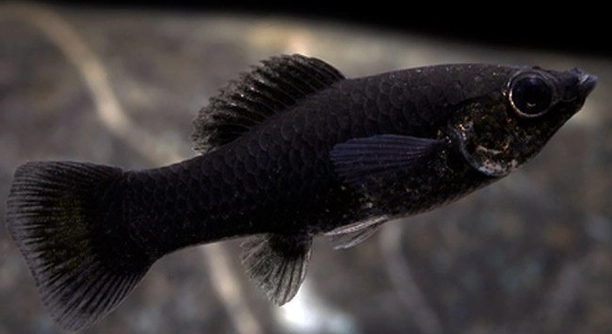
Black mollies are a popular choice for aquariums because of their striking color and peaceful nature. Observing them closely can reveal subtle behaviors that may seem unusual at first glance. These patterns often reflect natural instincts and environmental responses.
A black molly consistently facing one direction is typically responding to water currents, light sources, or tank layout. This behavior can also indicate comfort zones, territorial instincts, or health conditions that influence how the fish positions itself within the aquarium environment.
Knowing why your molly behaves this way can help maintain a balanced aquarium and ensure its well-being. Paying attention to these details supports a healthier, more comfortable habitat for your fish.
Understanding Molly Behavior
Black mollies often face one direction due to their instinctive responses to the tank environment. Water currents influence their positioning, allowing them to conserve energy while swimming. Light sources also play a role, as fish naturally orient themselves toward or away from brightness. Tank layout, including hiding spots and open areas, can affect movement and preferred positions. Social interactions are another factor. When mollies are in groups, dominant individuals may claim specific zones, prompting others to orient in response. Health conditions, such as stress or illness, can subtly alter behavior, making consistent observation important. Temperature variations in different parts of the tank may encourage mollies to remain in one area. Understanding these factors helps explain why your molly seems fixed in position and allows for adjustments to create a more comfortable, balanced environment that supports its natural instincts and overall health.
Most of the time, facing one direction is a normal, harmless behavior that reflects comfort or adaptation.
Observing these patterns can help anticipate environmental needs. Adjusting light, current, and space may encourage more movement, supporting both physical and mental health.
Tank Conditions and Adjustments
Stable tank conditions are essential for mollies to thrive.
Water quality, including temperature, pH, and filtration, directly impacts behavior. Inconsistent parameters can cause stress, prompting a fish to remain stationary. Proper tank size ensures enough room to swim freely and reduces territorial disputes. Decorations and plants provide shelter while guiding movement patterns. Observing how mollies interact with their surroundings helps identify preferences and potential stressors. Adjustments to these conditions can improve comfort and reduce repetitive behaviors. Regular maintenance, including partial water changes, prevents buildup of harmful substances that could affect activity. Monitoring the environment consistently allows you to respond quickly to changes that may affect orientation. Gradual adjustments in lighting or current can help mollies explore more of the tank while keeping stress low. Overall, maintaining a stable, enriched environment encourages healthy movement patterns and supports the molly’s natural instincts.
Feeding and Activity Patterns
Mollies may face one direction while waiting for food or watching movement in the tank. Their orientation often aligns with feeding routines or areas where they expect interaction.
Feeding schedules and types of food influence activity levels. If a molly notices regular feeding in a specific spot, it may stay oriented there. Overfeeding can cause lethargy, leading to reduced movement. Active, healthy mollies often explore, but consistent patterns in feeding areas can create predictable behavior. Observing how your fish reacts to feeding times helps you understand whether orientation is a response to hunger, comfort, or environmental cues. Changes in food type or timing may slightly alter behavior without causing stress.
Activity levels also depend on tankmates and environment. Social hierarchies may lead mollies to face certain directions to monitor others. Variations in light and current affect swimming, and adjustments can encourage more balanced movement throughout the tank.
Health Indicators
Changes in posture or orientation may signal health concerns, especially if sudden or persistent.
Behavioral signs, like facing one direction constantly, can reflect discomfort or illness. Stress from poor water conditions, sudden temperature shifts, or disease can alter movement. Monitoring color, appetite, and interaction with tankmates helps identify issues early. Ensuring consistent water quality, proper diet, and adequate space supports recovery and normal activity. Prompt attention to unusual patterns prevents more serious problems.
Routine observation and maintenance help maintain health. Regular checks of water parameters, filtration, and diet reduce stress, ensuring your molly remains active and comfortable. Behavioral monitoring combined with proper care allows early detection of illness. Adjusting environmental factors gradually encourages natural swimming and improves well-being. Creating a calm, stable habitat supports long-term health while allowing mollies to express natural behaviors safely.
Tank Lighting
Mollies often orient toward light sources for comfort and natural behavior. Proper lighting supports their daily activity and encourages a healthy circadian rhythm.
Too much or too little light can cause stress. Gradual adjustments help mollies adapt without impacting swimming patterns or overall well-being.
Water Currents
Water flow influences orientation. Mollies face currents to maintain stability and conserve energy. Adjusting flow can improve swimming freedom and reduce repetitive positioning.
Social Behavior
Mollies monitor tankmates closely. Facing a direction may reflect social awareness, dominance, or territorial behavior within the group.
FAQ
Why is my black molly always facing one direction?
Mollies often face one direction due to water currents, light orientation, and tank layout. This behavior can also indicate comfort zones or natural instincts to conserve energy. Observing the environment helps identify whether the behavior is normal or influenced by stress.
Is this behavior a sign of illness?
Not always. Facing one direction is often normal, but sudden changes in orientation, color, or activity could signal health issues. Monitor appetite, swimming patterns, and interactions with tankmates. Maintaining clean water and proper diet reduces stress and supports overall health.
How does tank size affect this behavior?
Smaller tanks can limit movement and increase repetitive orientation, while larger tanks encourage exploration. Providing enough space and hiding spots allows mollies to swim freely and reduces stress-related behaviors.
Can lighting impact how my molly behaves?
Yes. Mollies naturally orient toward light sources, and proper lighting helps regulate their daily activity. Too much or too little light can cause stress or lethargy. Gradual adjustments create a comfortable environment that encourages normal movement.
Do water currents make mollies face one direction?
Absolutely. Mollies often position themselves facing currents to maintain stability and conserve energy. Strong currents may encourage staying in one place, while gentle currents allow freer movement. Adjusting flow can improve activity without causing stress.
Does social hierarchy affect orientation?
Yes. In groups, dominant mollies may claim certain areas, while others monitor their position. Facing a direction can indicate social awareness, territorial observation, or avoidance of more aggressive tankmates. Observing interactions helps understand normal social behavior.
Can diet influence this behavior?
Diet can affect energy levels and activity. Overfeeding may lead to lethargy, causing mollies to remain in one place. Balanced nutrition encourages swimming and interaction, while irregular feeding patterns may reinforce predictable orientation behaviors.
How do decorations and tank layout influence behavior?
Mollies respond to hiding spots, plants, and open swimming areas. Facing one direction may relate to preferred shelter or clear territory observation. Rearranging decorations slightly can encourage movement and exploration, supporting natural behavior.
Is facing one direction harmful?
In most cases, no. It reflects natural instincts or comfort. Regular observation ensures no underlying stress or health concerns. Maintaining clean water, proper diet, and stable conditions prevents complications and supports overall well-being.
How can I encourage more movement?
Adjusting water flow, light placement, and tank layout encourages exploration. Social interactions and feeding areas can be varied. Gradual changes help mollies move naturally without stress, promoting health and reducing repetitive positioning.
What should I monitor regularly?
Watch for color changes, unusual swimming, appetite loss, and interactions with tankmates. Check water parameters, temperature, and filtration. Early detection of issues helps maintain a balanced, healthy environment and ensures mollies continue normal behavior patterns.
Are there any behavioral patterns specific to black mollies?
Black mollies may face certain directions more than others due to light, tank layout, or social structure. They are naturally curious but can be cautious, often maintaining orientation to feel secure while observing their surroundings.
How long should I expect this behavior to continue?
Orientation can last indefinitely if the environment remains consistent. Changes in light, current, or tank layout may gradually alter behavior. Monitoring and adjusting conditions support comfort and natural activity without causing unnecessary stress.
Can temperature changes affect orientation?
Yes. Mollies prefer stable temperatures. Sudden changes may cause them to face warmer or calmer areas. Maintaining consistent conditions encourages balanced swimming and reduces stress-related repetitive behavior.
Is this behavior common in other fish?
Many fish show similar orientation behavior as a response to currents, light, and social interactions. It is a normal adaptation strategy to conserve energy and maintain awareness of the environment.
How can I make my molly feel more comfortable?
Provide a balanced diet, consistent water parameters, proper lighting, and enough space. Gentle currents, hiding spots, and a well-arranged tank layout help mollies move naturally and reduce stress. Regular observation ensures any behavioral changes are addressed early.
Does facing one direction indicate boredom?
Not necessarily. While it may suggest limited stimulation, it is often a natural response to currents, light, or social structure. Enriching the tank environment can encourage exploration without forcing unnatural behavior.
What is the best way to observe my molly’s behavior?
Watch for extended periods without disturbing the tank. Note feeding times, interaction with other fish, and reactions to changes in light, current, and layout. Observations help distinguish normal orientation from stress or health issues.
Can seasonal changes affect behavior?
Minor changes in room temperature or lighting schedules can influence orientation. Consistency in environmental conditions supports stability and reduces unnecessary stress, allowing mollies to maintain natural swimming and orientation patterns.
How do I know if my molly is stressed?
Signs include color fading, erratic swimming, loss of appetite, or hiding excessively. Regular water checks, proper diet, and observing social interactions help detect stress early and guide adjustments to restore comfort.
Are there long-term effects of staying in one position?
If environmental conditions are healthy, no long-term harm occurs. However, prolonged stress or poor water quality can affect health and activity levels. Ensuring clean water, proper diet, and enrichment supports overall well-being and natural behavior.
Final Thoughts
Observing a black molly facing one direction can feel puzzling at first, but this behavior is usually normal and reflects the fish’s instincts. Mollies are highly responsive to their environment, including water currents, light, and tank layout. Positioning themselves in a specific direction helps them conserve energy, monitor their surroundings, and remain comfortable within their space. Social factors also play a role, as tankmates influence movement and positioning. Dominant individuals may occupy certain areas, prompting others to face a particular direction in response. Recognizing these patterns as natural behavior allows you to better understand your molly and ensures that you maintain a supportive environment.
Maintaining stable tank conditions is essential for encouraging healthy behavior. Consistent water quality, temperature, and filtration reduce stress and help mollies feel secure. Lighting and water currents should be adjusted gradually to avoid startling the fish or causing sudden changes in behavior. Tank decorations, hiding spots, and open swimming areas also influence orientation, providing comfort and opportunities for exploration. Proper feeding schedules and balanced nutrition further support activity levels and prevent lethargy. Monitoring your molly’s behavior regularly helps identify any deviations that may indicate health concerns. By observing carefully and adjusting the environment as needed, you create a habitat where your molly can express natural instincts safely and comfortably.
It is important to remember that occasional periods of facing one direction are typically harmless and part of normal behavior. Mollies may do this to observe their surroundings, respond to currents, or feel secure in a specific area. Minor adjustments in tank setup or care routines can encourage more movement if desired, but forcing changes is unnecessary. Patience and careful observation are key. Understanding these behaviors allows you to provide a stable and enriching environment that promotes overall health and well-being. Supporting your molly with proper care, attention to water quality, and thoughtful tank arrangements ensures it remains comfortable, active, and healthy over the long term.

Hello,
If you enjoy the content that we create, please consider saying a "Thank You!" by leaving a tip.
Every little bit helps us continue crafting quality advice that supports the health, happiness, and well-being of pets around the world, for pets of all shapes, sizes, and species.
We really appreciate the kindness and support that you show us!