
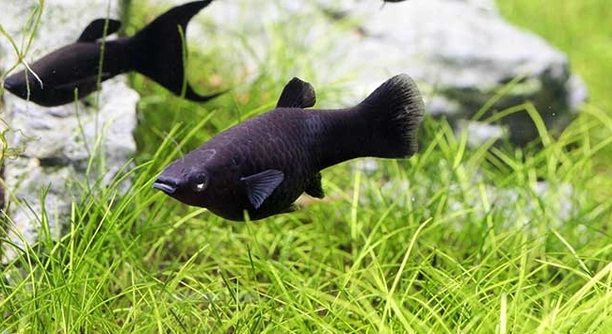
Black Molly fish are lively and social, but there are moments when they need their own space. Knowing when to separate them can help maintain their health and reduce stress in a shared tank environment.
Isolation is necessary when Black Molly fish show signs of illness, aggression, breeding stress, or environmental adjustment issues. Providing temporary separation ensures their recovery, protects other tank mates, and supports overall well-being while maintaining a balanced aquarium ecosystem.
Learning the signs and timing for isolation will keep your fish healthy and peaceful in their aquatic home. Proper care ensures a thriving tank for everyone.
Signs of Illness in Black Molly
When a Black Molly shows unusual behavior, it may be time for isolation. Common signs include lethargy, loss of appetite, clamped fins, or strange swimming patterns. Changes in color or visible spots on the body often indicate infection or disease. Early detection can prevent serious complications. Observing your fish daily helps you catch problems before they escalate. Isolation in a separate tank reduces the risk of spreading disease to other fish. It also allows for easier administration of medications or treatment. Clean water, proper temperature, and balanced feeding are essential during this period. Stress from a shared tank can worsen symptoms, so providing a quiet, controlled environment supports recovery. Even minor signs of discomfort should be taken seriously to ensure the fish’s health and tank stability. Temporary separation is not punishment, but a proactive step for long-term well-being.
Keeping an isolated tank clean and stable is critical to recovery and prevents reinfection.
Fish in isolation need consistent monitoring. Regular water changes, temperature checks, and careful feeding keep them comfortable. Observing how they respond to treatment ensures timely adjustments. A quiet tank reduces stress, which supports the immune system. Isolation periods vary depending on the condition, but even a few days can make a significant difference. Once the fish recovers, gradual reintroduction helps maintain harmony in the main tank. Proper planning and care during isolation make it an effective strategy for preserving health and minimizing risk. By giving your Black Molly focused attention, you can help them return to active, healthy behavior safely.
Aggression and Territorial Behavior
Aggression is a common reason for separating Black Mollies.
Male Black Mollies can become territorial, especially during breeding or if space is limited. Constant chasing or nipping can injure other fish and increase stress. Isolation allows aggressive individuals to calm down while preventing harm to tank mates.
When aggression arises, observing interactions is key. Males often display dominance by chasing or cornering others, which can escalate quickly. If the tank is overcrowded, reorganizing decorations or adding hiding spots can reduce tension. Sometimes, permanent separation is necessary for certain fish that repeatedly provoke conflicts. Temporary isolation allows the stressed fish to regain composure and prevents ongoing injury. Providing enough space and monitoring behavior closely can maintain balance in a community tank. Isolation tanks should mimic the main tank’s conditions to prevent further stress. Gradual reintroduction helps ensure harmony once the aggressive behavior subsides. Consistent observation and early intervention make this method effective, protecting both the isolated fish and the rest of the tank.
Stress from Overcrowding
Overcrowding in a tank can quickly lead to stress among Black Mollies. Too many fish in a limited space causes constant chasing, limited hiding spots, and competition for food, making isolation necessary for some individuals to recover.
When a Black Molly experiences stress from overcrowding, its behavior and health can decline rapidly. Stress weakens the immune system, making fish more susceptible to illness. Signs include hiding, rapid gill movement, loss of appetite, and erratic swimming. Isolating the stressed fish gives it a chance to regain strength in a calm environment. Adjusting the main tank’s population or rearranging decorations can reduce ongoing stress. Isolation also allows for careful observation and targeted care. Providing proper water quality, temperature, and nutrition ensures the fish recovers effectively.
Temporary separation helps restore balance in the tank. Once stress levels decrease, reintroducing the fish gradually prevents renewed tension. Observation during reintegration is crucial to maintain harmony. Isolation periods should continue until the fish resumes normal behavior, protecting both the individual and the overall tank environment.
Breeding and Mating Conflicts
Breeding can trigger conflicts among Black Mollies, especially males competing for females. Isolation prevents injury and ensures healthier fry survival.
During breeding, male Black Mollies become highly competitive. Chasing, nipping, and dominance displays increase the risk of injury to both males and females. Females may become stressed from constant attention, affecting their health and breeding success. Separating aggressive or pregnant fish allows for controlled breeding conditions, reducing stress and promoting safer fry development. Isolation also helps monitor egg-laying, fry hatching, and early growth without interference from other tank mates. Providing gentle filtration, stable water conditions, and proper nutrition supports successful breeding outcomes. Monitoring closely ensures timely intervention if aggression continues.
Controlled isolation ensures both adults and fry remain safe. By managing breeding conflicts carefully, fish health and reproductive success improve significantly, maintaining harmony within the community tank. Proper isolation during mating periods is essential for long-term tank stability and healthy offspring growth.
Recovery from Injury
Injured Black Mollies need isolation to heal properly. Separation prevents other fish from aggravating wounds and reduces stress, allowing the immune system to focus on recovery.
Providing a quiet, clean tank supports faster healing. Proper nutrition and gentle care during this time help the fish regain strength safely.
Adjustment to New Environment
When introduced to a new tank, Black Mollies can feel stressed and disoriented. Isolation helps them acclimate without pressure from established fish. This period allows monitoring of behavior, eating habits, and water parameter tolerance, ensuring a smooth transition into the main tank.
Parasite Treatment
Isolating fish is essential when treating parasites. Medications can be applied effectively without risking contamination of other tank mates.
How long should a Black Molly stay in isolation?
The length of isolation depends on the reason for separation. For illness or injury, it may range from a few days to a few weeks, depending on recovery speed. Monitoring behavior, appetite, and appearance helps determine when the fish is ready to return. Gradual reintegration reduces stress for both the isolated fish and tank mates. Water quality and stable temperature are crucial throughout the isolation period to support healing.
Can Black Mollies be isolated together?
Black Mollies can sometimes be isolated in pairs if they are calm and not aggressive toward each other. However, combining stressed or sick fish increases the risk of disease transmission. Each fish’s condition should be carefully assessed before considering shared isolation. Providing sufficient space, hiding spots, and clean water is essential to prevent additional stress during this period. Individual monitoring remains important even when fish share the isolation tank.
Is a separate isolation tank necessary?
A separate tank is strongly recommended for isolating Black Mollies. It prevents contamination of the main tank and allows targeted treatment for illness or injury. Using a small, quiet tank with a gentle filter and stable conditions helps reduce stress. Even healthy fish sometimes benefit from temporary separation after aggression or breeding activity. Isolation tanks also make it easier to feed, observe, and medicate without interference from other fish.
How do I prevent stress during isolation?
Stress can be minimized by maintaining clean water, stable temperature, and appropriate lighting. Adding hiding spots or gentle decorations helps the fish feel secure. Avoid overhandling or excessive monitoring, as this can increase anxiety. Feeding high-quality food at regular intervals supports the immune system. Ensuring minimal sudden changes in the environment during isolation promotes faster recovery and helps the fish return to normal behavior more quickly.
What signs indicate a Black Molly is ready to return?
A fish is ready to return when it shows normal swimming patterns, active feeding, and consistent coloration. Appetite recovery is one of the most reliable indicators. Observation for signs of stress, aggression, or lingering illness is critical before reintegration. Gradually reintroducing the fish, possibly behind a divider at first, allows both the returning fish and the main tank inhabitants to adjust safely.
Can isolation prevent disease spread in the main tank?
Isolation is highly effective in preventing disease transmission. Sick fish separated from healthy tank mates reduce the risk of infection. Early detection of symptoms and prompt separation are essential. Combined with proper treatment, isolation protects the main tank population while giving the affected fish a controlled environment for recovery. It is a key step in maintaining overall tank health.
How often should water be changed in the isolation tank?
Frequent water changes are important to maintain cleanliness and reduce toxins. Small, regular changes every one to two days help stabilize water parameters. Removing uneaten food, waste, and debris prevents stress and supports recovery. Consistently clean water is especially important for sick or injured fish, as it minimizes additional health risks and allows medications to work effectively.
What food is best for an isolated Black Molly?
High-quality, easily digestible food supports recovery. Flake food, frozen brine shrimp, or specially formulated medicated options can provide nutrients without overburdening the digestive system. Feeding smaller portions more frequently helps maintain energy and promotes appetite. Avoid overfeeding, as excess waste can harm water quality and delay recovery. Observation of feeding behavior ensures the fish is eating and gaining strength.
Is monitoring necessary during isolation?
Yes, careful monitoring is essential. Daily checks of behavior, appetite, breathing, and appearance help detect improvement or deterioration. Tracking water parameters ensures stability. Close observation allows timely intervention if problems arise, whether adjusting medication, feeding, or water conditions. Monitoring ensures that isolation achieves its purpose: recovery, reduced stress, and safe reintegration into the main tank.
Can isolation help with breeding control?
Isolation is useful for controlling breeding and preventing aggression. Separating males, females, or pregnant fish can protect fry and reduce stress on adults. Controlled breeding in an isolated tank ensures better survival rates and allows careful observation of fry development. Isolation provides a calm environment for both adults and young fish, supporting healthier reproduction outcomes.
How do I gradually reintroduce a Black Molly after isolation?
Start by placing the fish behind a divider or in a separate section of the main tank. Allow visual contact without direct interaction. Monitor behavior closely and remove the divider once the fish interacts calmly with others. Gradual reintroduction reduces stress, prevents aggression, and helps maintain harmony in the main tank. Proper observation ensures a smooth transition.
Are there risks to prolonged isolation?
Prolonged isolation can lead to boredom, reduced activity, and stress from lack of stimulation. Maintaining environmental enrichment, gentle water flow, and visual contact with other fish helps reduce these risks. Ensure isolation periods are only as long as necessary for recovery, treatment, or behavioral adjustment. Balancing isolation with social needs preserves both health and well-being.
Can isolation be used for routine observation?
Yes, temporary isolation can help monitor behavior, eating habits, and health indicators. It is useful for new additions to the tank or after changes in diet, environment, or water conditions. Observing fish in isolation allows early detection of problems and ensures interventions can be applied efficiently without affecting the rest of the tank.
What precautions should I take with medication in isolation?
Follow dosage instructions carefully and avoid overdosing. Use a separate container for each treatment to prevent contamination. Monitor water parameters closely, as some medications can affect pH, ammonia, or other levels. Remove activated carbon from filters during treatment, as it may absorb medications. Always rinse the tank and equipment after treatment to prevent residual effects.
Can isolation reduce aggression permanently?
Isolation may not permanently reduce aggression but can prevent immediate harm and allow fish to calm down. Environmental adjustments, adequate space, and hiding spots complement isolation. Aggressive fish may still require occasional separation, but controlled periods of isolation help maintain balance and protect other tank mates from repeated attacks.
How do I know if isolation is not working?
Signs that isolation is ineffective include continued stress, worsening illness, lack of appetite, or persistent aggression. If these occur, reassess water conditions, treatment, and tank setup. Consulting experienced aquarists or a veterinarian may help identify underlying issues. Adjusting isolation strategy ensures fish health and safety.
Is isolation stressful for Black Mollies?
Temporary isolation can be stressful if not handled carefully. Maintaining stable conditions, providing hiding spots, and gentle observation help reduce stress. Controlled isolation for specific purposes like recovery, breeding, or aggression management is far less harmful than leaving a stressed or sick fish in a high-pressure environment.
How often should I check isolated fish?
Daily observation is recommended. Check swimming behavior, appetite, gill movement, and signs of disease or injury. Monitoring ensures early intervention and proper care. Consistent attention helps the fish recover faster and prevents minor issues from becoming serious problems.
Can isolation improve survival rates for sick fish?
Isolation significantly improves survival rates by reducing stress, preventing the spread of disease, and allowing targeted treatment. A controlled environment supports recovery, boosts immune response, and ensures that medications or care can be applied effectively without interference from other fish.
What equipment is essential for an isolation tank?
A small tank with a gentle filter, heater, and stable lighting is essential. Hiding spots, water testing tools, and proper feeding tools enhance comfort and care. Ensuring clean water, appropriate temperature, and minimal disturbance creates a safe recovery environment for the isolated Black Molly.
Is it necessary to quarantine new fish before introducing them?
Quarantining new fish is strongly recommended. It prevents introducing disease, parasites, or aggressive behavior into the main tank. A two-week quarantine allows observation and treatment if needed. Isolation ensures the safety and health of both new arrivals and established tank mates.
How do I handle multiple reasons for isolation simultaneously?
Address each issue carefully. Sick, stressed, or aggressive fish may need specialized care. Maintain clean water, proper nutrition, and minimal stressors. Monitor progress individually and adjust treatment or environment as necessary. Prioritizing the fish’s health and safety ensures effective isolation outcomes.
Can isolation tanks be decorated?
Yes, simple decorations or hiding spots reduce stress. Avoid overcrowding the tank with decorations, as space is limited. Plants, small shelters, or gentle substrates provide comfort while allowing easy observation and maintenance.
How do I transition a fish back to a community tank after illness?
Ensure the fish is fully recovered, showing normal behavior and appetite. Acclimate gradually to the main tank’s temperature and conditions. Monitor interactions closely and separate if aggression or stress occurs. A careful, step-by-step approach prevents setbacks and protects all fish in the tank.
What are common mistakes during isolation?
Common mistakes include leaving fish too long in isolation, poor water quality, overfeeding, or inadequate monitoring. Failing to adjust temperature, neglecting treatment, or introducing aggressive tank mates too soon can worsen the situation. Proper planning, observation, and maintenance prevent these errors and promote successful recovery.
How do I choose the right size for an isolation tank?
The tank should be large enough for the fish to swim comfortably but small enough to manage water quality easily. Minimal decorations with at least one hiding spot create a secure environment. A properly sized tank supports recovery, reduces stress, and simplifies treatment.
Can isolation be combined with dietary changes?
Yes, isolation is an ideal time to adjust diet. Offering easily digestible, nutrient-rich foods supports healing and strengthens immunity. Gradual changes help the fish adjust without further stress. Observation ensures the fish accepts the new diet and maintains proper nutrition.
How do I prevent boredom in isolated Black Mollies?
Provide visual stimulation with plants, gentle water flow, or subtle decorations. Avoid overcrowding, but include one or two hiding spots for exploration. Minimal interaction and environmental variation help reduce stress and keep the fish active while isolated.
What is the best temperature range during isolation?
Maintain a stable temperature consistent with the main tank. Sudden fluctuations can stress the fish. Most Black Mollies thrive in 24–28°C (75–82°F). Using a heater or thermometer ensures consistent conditions for recovery and reduces the risk of illness or stress.
How do I maintain oxygen levels in a small isolation tank?
Use a gentle filter or air stone to provide oxygen without creating strong currents. Avoid overcrowding and ensure water changes maintain dissolved oxygen. Proper aeration supports recovery, prevents stress, and keeps the isolated fish healthy.
Can isolation help with fin damage?
Isolation prevents other fish from nibbling or damaging fins further. Clean water, proper nutrition, and gentle observation allow fins to heal. Using isolation during fin recovery reduces the risk of infection and ensures faster regrowth.
How do I handle multiple isolated fish at once?
If multiple fish require isolation, ensure each has adequate space and monitoring. Separate tanks are ideal, but if shared, fish must be compatible and calm. Maintain water quality, hiding spots, and consistent care to prevent additional stress or aggression.
Is it safe to medicate fish in the main tank instead of isolating?
Medicating in the main tank risks harming other fish, altering water chemistry, or reducing treatment effectiveness. Isolation ensures precise dosing, controlled conditions, and minimal stress, making it the safer and more reliable option.
Can isolation affect social behavior?
Temporary isolation may reduce social interactions, but proper reintegration restores normal behavior. Minimal visual contact with other fish and a gradual return to the main tank prevents long-term social issues while protecting health.
How often should water parameters be tested in isolation?
Daily testing of pH, ammonia, nitrite, and temperature is recommended. Consistent monitoring ensures safe conditions and allows quick intervention if levels deviate, supporting recovery and reducing stress.
Is it necessary to remove uneaten food daily?
Yes, uneaten food should be removed promptly. It can decompose, raise ammonia levels, and stress the isolated fish. Regular cleaning maintains water quality and supports faster recovery.
Can isolation be used for observing behavior changes?
Isolation provides a controlled environment to study feeding habits, aggression, or stress responses. Observing fish individually allows early detection of health issues and ensures timely intervention.
Should I adjust lighting during isolation?
Moderate lighting helps reduce stress while allowing observation. Avoid sudden changes or bright lights that can increase anxiety. Stable lighting supports normal behavior and recovery.
Can isolation prevent bullying in community tanks?
Yes, separating aggressive or stressed fish prevents injury and reduces stress for both the victim and aggressor. Timely intervention protects all tank mates and maintains a balanced environment.
What is the ideal substrate for an isolation tank?
Use a simple, smooth substrate like sand or bare bottom. It’s easy to clean and prevents debris accumulation while reducing the risk of injury or stress. Minimal substrate also facilitates observation.
Can isolation improve feeding consistency?
Yes, isolated fish can be monitored closely during feeding. Ensuring proper portions and diet intake supports recovery and prevents competition, especially for sick or stressed fish.
Is it necessary to clean the isolation tank after every use?
Yes, thorough cleaning prevents residual pathogens and prepares the tank for future use. Disinfecting decorations, filters, and substrate ensures safe conditions for the next isolated fish.
How do I reduce stress during reintegration?
Reintroduce fish gradually, monitor interactions, and provide hiding spots. Avoid sudden changes or overcrowding. Gradual reintroduction ensures safety, reduces stress, and restores harmony in the main tank.
Can isolation prevent repeat aggression?
Temporary isolation doesn’t always stop aggression permanently, but it prevents immediate harm and gives fish a chance to calm down. Coupled with environmental adjustments, it helps maintain balance in the tank.
How do I choose the best location for an isolation tank?
Place the tank in a quiet, stable area away from vibrations and excessive light. This reduces stress and ensures consistent water conditions for the isolated fish.
Should I use a heater in the isolation tank?
Yes, maintaining a stable temperature is critical. A heater ensures consistent warmth, supporting recovery and preventing stress from sudden temperature changes.
Can isolation help with slow-growing or weak fish?
Isolation allows weak fish to access food easily and avoid competition. Stable, stress-free conditions support growth and strength without interference from dominant tank mates.
How often should filters be cleaned in an isolation tank?
Filters should be cleaned carefully every few days or as needed. Maintaining gentle flow and clean media prevents debris buildup while preserving beneficial bacteria.
Is it safe to use plants in isolation tanks?
Yes, live or artificial plants provide hiding spots and reduce stress. Keep decorations minimal to allow observation and easy cleaning.
How do I manage multiple isolated tanks efficiently?
Label each tank, track water parameters, and maintain consistent feeding schedules. Efficient monitoring prevents mistakes and ensures each fish receives proper care.
Can isolation help with fin rot?
Isolation prevents further damage and allows targeted treatment. Clean water, proper medication, and observation support faster healing and reduce risk of infection.
How do I know if isolation is complete?
Isolation is complete when the fish shows normal behavior, appetite, coloration, and swimming patterns. Gradual reintegration into the main tank can follow safely.
Can isolation tanks be used for quarantine of new fish and treatment simultaneously?
Yes, isolation tanks are versatile for quarantine and treatment. Separate compartments or careful scheduling ensures each purpose is achieved without cross-contamination.
How important is observation during isolation?
Observation is crucial for detecting illness, stress, or aggression. Daily checks allow timely intervention, effective treatment, and safer reintegration into the main tank.
Can isolation affect breeding behavior?
Short-term isolation can temporarily reduce social cues needed for mating. Controlled environments support recovery, and breeding behavior usually resumes once fish are reintegrated.
How do I ensure medication effectiveness in isolation?
Use proper dosage, maintain water quality, and monitor fish closely. Isolation allows precise treatment application without interference from other tank mates or environmental factors.
Can isolation reduce stress in community tanks?
Yes, removing stressed or aggressive fish lowers overall tension in the main tank. Isolation protects vulnerable fish and maintains a peaceful environment.
How do I prevent water parameter fluctuations during isolation?
Perform small, frequent water changes, monitor temperature, and avoid overfeeding. Stable conditions support recovery and reduce stress.
Can isolation help with socializing new fish?
Isolation allows new fish to adjust to surroundings before full introduction. Gradual exposure to other fish reduces stress and aggression.
How do I manage feeding for multiple isolated fish?
Feed individually if possible, with controlled portions. Monitor consumption to ensure each fish receives adequate nutrition without overfeeding.
Is it safe to use medication without isolation?
Treating fish in the main tank risks harming healthy tank mates and reduces treatment precision. Isolation ensures safety and effectiveness.
Can isolation improve survival of fry?
Yes, separating fry from adults prevents predation and stress. Controlled conditions support growth, nutrition, and overall health.
What is the ideal water flow in an isolation tank?
Gentle water flow prevents stress and allows fish to rest. Strong currents can exhaust or harm sick or weak fish.
How do I manage light cycles during isolation?
Maintain consistent light cycles similar to the main tank. Avoid abrupt changes to reduce stress and maintain normal behavior.
Can isolation help with territorial disputes?
Yes, separating aggressive fish prevents injury and allows both parties to calm down. Controlled isolation maintains harmony in the main tank.
How do I monitor behavior changes effectively?
Observe swimming, feeding, and interaction patterns daily. Note any deviations from normal behavior to identify stress, illness, or aggression early.
Is isolation stressful for healthy fish?
Temporary isolation can cause mild stress, but careful setup, hiding spots, and stable conditions minimize impact while providing safety during treatment or adjustment.
How often should water be changed for fry in isolation?
Frequent small changes maintain clean water and reduce ammonia buildup. Fry are sensitive to poor water quality, so careful maintenance supports survival.
Can isolation prevent bullying among juvenile fish?
Yes, separating aggressive juveniles prevents injury and stress. Isolation allows safe growth and reduces long-term behavioral issues.
Should I remove activated carbon during treatment in isolation?
Yes, activated carbon can absorb medications, reducing effectiveness. Remove it during treatment and replace afterward to maintain water quality.
How long should fry remain isolated?
Fry should remain isolated until they are large enough to avoid predation and can compete safely for food. Gradual introduction ensures survival.
Can isolation help with color fading?
Isolation reduces stress and allows proper nutrition, which can help restore healthy coloration over time.
How do I prevent injury in isolation tanks?
Use smooth surfaces, minimal decorations, and adequate hiding spots. Avoid overcrowding to prevent accidental damage or stress.
Is it necessary to remove plants during parasite treatment?
Live plants can be sensitive to medication. Consider temporary removal or using artificial plants to prevent chemical damage.
Can isolation affect feeding hierarchy?
Isolation allows weaker or stressed fish to eat without competition. It temporarily resets feeding order and promotes better nutrition intake.
How do I handle multiple issues like stress, illness, and aggression at once?
Prioritize treatment and recovery needs. Maintain clean water
Black Mollies are active and social fish, but there are times when isolation becomes necessary for their health and well-being. Observing their behavior closely allows you to identify when a fish may be stressed, injured, or ill. Signs such as lethargy, loss of appetite, unusual swimming patterns, or color changes indicate that separation could help the fish recover. Isolation is not meant as punishment, but as a supportive step to maintain a safe and balanced environment for both the isolated fish and the rest of the tank. By providing a calm and controlled space, you give the fish an opportunity to regain strength, restore normal behavior, and recover from any stressors. Maintaining clean water, stable temperature, and proper nutrition during this period is essential to ensure a smooth and effective recovery process. Isolation also allows for closer observation and more precise treatment if needed, reducing the risk of disease spreading to other tank mates.
Temporary separation is particularly important in cases of aggression, overcrowding, or breeding conflicts. Male Black Mollies may become territorial or overly competitive, and females can experience stress from constant attention. Providing a separate space during these situations helps prevent injuries, reduces tension in the main tank, and protects vulnerable fish. Overcrowding can also cause chronic stress, weakening immune responses and making fish more susceptible to disease. Isolating stressed fish allows them to regain composure and strengthens the social balance within the main tank. During breeding, isolation supports safer fry development and allows controlled observation of adult fish behavior. By managing these situations carefully, you maintain a healthy and harmonious aquarium where each fish has the best chance to thrive.
Isolation also plays a vital role in recovery from illness or injury. Sick or injured fish benefit from a quiet environment that reduces stress and allows them to focus on healing. Medications or treatments can be administered more effectively in a controlled space, while water quality and feeding can be carefully monitored. Parasite treatments, fin rot recovery, or minor injuries all respond better to consistent care in a separate tank. Gradual reintroduction into the main tank ensures that the fish does not experience renewed stress or conflict. By observing and caring for your Black Molly during isolation, you support both immediate recovery and long-term health. Proper use of isolation promotes a peaceful, balanced tank and enhances the overall well-being of every fish.

Hello,
If you enjoy the content that we create, please consider saying a "Thank You!" by leaving a tip.
Every little bit helps us continue crafting quality advice that supports the health, happiness, and well-being of pets around the world, for pets of all shapes, sizes, and species.
We really appreciate the kindness and support that you show us!