
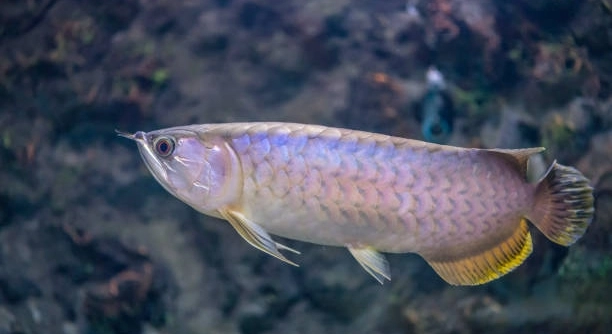
Is your arowana ignoring the entire tank, making you feel uncertain about what might be causing its distant behavior while you try to understand its unique habits and daily routines in your aquatic setup today.
Arowanas often isolate themselves due to stress, unsuitable water conditions, territorial instincts or insufficient environmental stimulation. These factors can lead the fish to retreat instead of interacting with its surroundings, creating a pattern of avoidance within the tank environment overall.
Learning why your arowana withdraws can help you create a calmer space that encourages healthier habits and a balanced routine.
Understanding Your Arowana’s Behavior
Arowanas can display distant behavior when their environment does not meet their natural expectations, and understanding these patterns can help you create a more comfortable space for them. Many owners notice their fish isolating themselves when something feels unfamiliar or overwhelming. This reaction often appears when lighting is too harsh, tank mates are too active or water parameters shift in ways the fish does not tolerate. By observing small details, you can identify what might be influencing the arowana and help it feel more secure. Small adjustments often make a meaningful difference, especially when the fish responds strongly to changes in its surroundings. I like paying attention to the way an arowana moves, since slow movements or long pauses tend to reveal when something feels off to them. When you notice these signs early, you can support the fish more effectively and create a calmer setting that encourages consistent behavior.
These patterns often develop slowly, and paying attention to subtle signals can help you understand when your arowana needs extra support. Consistent monitoring creates a stable environment that allows the fish to feel safe, reducing the chances of withdrawal from the rest of the tank during different times of day.
Creating a suitable environment for your arowana involves understanding how each element of the tank influences its comfort level. Water quality, tank layout, lighting and movement all shape the fish’s response to its surroundings. When any of these factors becomes too intense or inconsistent, the arowana often retreats to avoid added stress. I find it helpful to adjust one element at a time, since this approach shows which change improves the fish’s behavior. Over time, these careful tweaks help your arowana feel more secure, encouraging it to explore its space with a calmer, more relaxed attitude in its environment overall.
Key Factors Affecting Tank Interaction
Tank conditions play a major role in shaping how your arowana behaves, and even small inconsistencies can affect its willingness to engage with its environment. Stable settings help reduce stress and create a balanced atmosphere that supports healthier, more predictable interaction patterns each day within the tank and beyond daily.
Several factors influence whether an arowana chooses to interact with the entire tank or withdraw into a single area, and addressing these elements helps you build a more supportive environment. Water parameters remain one of the most important details, since fluctuations in temperature, pH or hardness can trigger discomfort that pushes the fish to isolate itself. Consistent testing ensures you notice issues before they escalate. Lighting also plays a meaningful role, because bright or inconsistent illumination can overwhelm sensitive species like arowanas. Soft, steady lighting often makes them feel safer. Tank layout matters as well, especially when decorations create shadows or narrow spaces that limit movement. Open swimming areas help the fish feel free to explore without feeling trapped. Tank mates must also be chosen carefully, since overly active or territorial species can make the arowana feel threatened. I prefer observing interactions during feeding times, as this reveals when stress appears. By adjusting these elements thoughtfully, you give your arowana a setting that feels calm and dependable, helping it relax and interact more openly and encouraging steadier routines that support overall wellness across different conditions, allowing the fish to maintain comfort while adapting to gradual changes in its environment week.
Adjusting the Environment for Better Interaction
Making small changes in the tank can help your arowana feel more comfortable, especially when it seems distant. Stable lighting, steady filtration and open swimming areas often improve the fish’s confidence and reduce the chances of isolating itself throughout the day in its space.
Arowanas respond strongly to lighting levels, so keeping illumination soft and consistent supports calmer behavior. Sudden shifts in brightness can startle them, causing them to avoid certain areas of the tank. I find it helpful to use lights with gradual on and off settings, giving the fish time to adjust without stress. Tank layout also matters, and clearing cluttered spaces encourages smoother movement. Providing enough open room allows the arowana to swim without feeling confined. These adjustments may seem small, but they often create a noticeable difference in how the fish interacts with its surroundings and how relaxed it appears while swimming.
Water quality remains a key factor in your arowana’s comfort. Regular testing helps you track changes in temperature, pH and hardness, preventing situations that make the fish uneasy. When these parameters shift too much, the arowana tends to stay in one area instead of exploring. Maintaining clean water also reduces irritation to the fish’s skin and gills. I like performing consistent partial water changes, since they keep the environment fresh without overwhelming the fish. Stable conditions help the arowana trust its space, encouraging it to move more freely and avoid hiding for long periods.
Recognizing Stress Signals in Your Arowana
Arowanas display stress through subtle behaviors, and noticing these signs early helps you respond before the issue becomes more serious. Slow swimming, hesitation near open areas and sudden retreats often indicate discomfort related to environmental or social factors in the tank.
Fin movement offers important clues, especially when the fish holds its fins tighter than usual or moves with stiff motions. These changes often appear when something feels off in the tank. Some arowanas also reduce their surface activity, staying lower in the water even though they naturally prefer the upper levels. I find it helpful to watch how the fish behaves during feeding, since reluctance in these moments signals stress more clearly. Addressing these signs early prevents long term behavioral changes that may affect the fish’s overall well being.
Persistent stress can influence your arowana’s long term health, so identifying patterns can guide your next steps. Environmental triggers like strong currents, noise vibrations or sudden movements around the tank often add tension to sensitive fish. Adjusting these elements helps the arowana settle. Social stress from tank mates is another common cause, especially when other fish display aggressive or overly active behavior. Observing interactions during different times of day shows you when the tension increases. I prefer keeping the environment steady and predictable, since these fish thrive when they know what to expect. When the tank feels safe, the arowana becomes more confident in exploring, helping it return to healthier routines without hesitation.
Managing Feeding and Movement Patterns
Monitoring feeding behavior helps identify when your arowana feels uneasy in its environment. When the fish avoids food or approaches it slowly, something in the tank may be affecting its comfort. Observing these moments helps you understand what changes might support a calmer routine for the fish each day consistently.
Swimming patterns also reveal important details about your arowana’s mood and confidence within the tank. When movement becomes slower or more restricted, it often signals discomfort. Paying close attention to these shifts helps you respond quickly, creating a steadier environment that supports healthier behavior overall throughout the entire tank daily.
Minimizing External Disturbances
External disturbances can influence how your arowana behaves, especially when the fish reacts strongly to vibrations or sudden movements around the tank. These interruptions often cause the fish to retreat into quieter areas, limiting its interaction with the rest of its space. I like keeping the tank in a low traffic location, since this reduces unpredictable activity and helps the fish stay relaxed. Reducing loud sounds, stabilizing nearby equipment and maintaining consistent routines around the tank encourage calmer behavior. When the environment feels predictable, your arowana becomes more confident moving throughout its space, allowing healthier habits to form over time.
Maintaining Consistent Care
Routine checks help maintain stability in your arowana’s environment, giving the fish a sense of consistency that supports calmer behavior. Adjusting small details on a regular basis ensures the tank remains safe, allowing your arowana to explore its space with greater confidence each day in a steady and reliable way.
FAQ
Why is my arowana hiding in one corner of the tank?
Arowanas often retreat to a single area when they feel stressed or insecure. Factors like strong currents, sudden noises, or overly bright lighting can make them choose a safe corner. I usually notice my fish staying still for long periods when the tank feels less predictable. Ensuring stable water conditions and providing open swimming areas often encourages exploration and reduces hiding behavior.
Can poor water quality make my arowana ignore the tank?
Yes, water quality directly affects your fish’s willingness to explore. High ammonia, nitrite, or sudden pH shifts create discomfort, causing the arowana to isolate itself. I test my tank regularly and perform partial water changes to maintain clean, stable conditions. These adjustments usually improve activity and reduce signs of stress. Clean water keeps the fish healthy and more interactive, supporting its natural behavior patterns.
Do tank mates affect my arowana’s behavior?
Absolutely. Aggressive or overly active tank mates can intimidate arowanas, leading them to avoid certain areas. I pay attention to how my fish interacts during feeding times. When other fish chase or crowd it, the arowana tends to stay hidden. Choosing compatible, calm tank mates and providing ample space helps the fish regain confidence and move more freely throughout the tank.
How does lighting impact my arowana?
Lighting can make a big difference. Sudden changes or overly bright lights stress the fish, causing it to stay in one spot. I use gradual lighting systems that mimic natural sunrise and sunset. This approach allows the arowana to adjust slowly and feel more secure. Soft, consistent lighting encourages normal swimming patterns and reduces anxious hiding behaviors in the tank.
Could stress from feeding schedules cause avoidance behavior?
Yes, inconsistent feeding schedules can make your arowana anxious. If it cannot predict when food will appear, it may retreat to calmer areas. I keep a consistent feeding routine and observe how the fish responds. Predictable schedules often increase confidence, and the arowana becomes more willing to explore the tank during the day, approaching food more willingly over time.
Is territorial behavior a reason for ignoring parts of the tank?
Territorial instincts can influence movement, especially in larger tanks. Arowanas may claim specific areas and avoid others. I noticed that providing hiding spots and clear swimming zones helps balance this behavior. Territorial tendencies are natural, but thoughtful tank layout ensures the fish feels safe while still exploring other areas without feeling threatened.
Can health issues make my arowana distant?
Health problems like infections, parasites, or injuries often reduce activity. I check for unusual spots, fin damage, or irregular swimming. Early detection and treatment usually restore normal behavior. Maintaining a clean environment, proper diet, and regular observation helps prevent illnesses and ensures the arowana remains engaged with its surroundings.
Will rearranging the tank help my arowana explore more?
Sometimes. Rearranging decorations or creating new open spaces can stimulate curiosity, but sudden drastic changes can cause stress. I usually move one element at a time and watch the fish’s reaction. Gradual adjustments encourage exploration while maintaining a sense of security. Over time, these changes can help the arowana interact with more areas of the tank naturally.
Does tank size matter for interaction?
Yes, insufficient space can lead to restricted movement and avoidance. Arowanas need ample swimming room to feel comfortable. I make sure my tank provides clear areas for movement and some sheltered spots for security. Adequate space encourages the fish to explore rather than remain confined, supporting a balanced, active lifestyle in the tank.
How long does it take for an arowana to adjust after changes?
Adjustment periods vary, but a consistent environment helps reduce stress faster. I noticed my fish typically needs a few days to respond positively to new arrangements or minor adjustments. During this time, maintaining steady water quality, gentle lighting, and a calm atmosphere supports quicker adaptation and more consistent interaction across the tank.
Final Thoughts
Arowanas are sensitive and intelligent fish, and their behavior often reflects the environment around them. When a fish seems to ignore the tank or stays in one area for long periods, it usually signals that something in its surroundings feels off. Lighting that is too bright, sudden movements near the tank, or tank mates that are overly active can create stress. Water quality also plays a critical role, as fluctuations in pH, temperature, or ammonia levels can make the fish uncomfortable. By observing small details, such as how the arowana moves or reacts to its environment, you can better understand its needs. Taking note of these subtle behaviors helps in creating a more secure and stable setting that encourages the fish to explore and interact more naturally.
Making small, thoughtful adjustments can significantly improve an arowana’s comfort and activity levels. Open swimming areas, gradual lighting changes, and carefully arranged tank decorations provide both safety and stimulation. Consistent feeding schedules also support the fish’s confidence, reducing anxious hiding behaviors and promoting more predictable routines. Tank mates should be chosen with care, as aggressive or overly active companions can contribute to stress and avoidance. Regular water testing and partial changes ensure a healthy environment, which is essential for both physical health and behavior. I have found that adjusting one element at a time and monitoring the fish’s reaction works best. These steps may seem minor, but they often result in noticeable changes in how the arowana navigates and engages with its tank, fostering a calmer and more confident fish over time.
Patience and careful observation are key when managing an arowana’s environment. Stress signals, such as slow swimming, hiding, or reluctance to feed, should not be ignored, as they indicate that the fish requires support. Gradual and consistent changes help the arowana feel secure while encouraging exploration and normal interaction with its surroundings. Maintaining stable conditions, reducing sudden disturbances, and providing enough space for natural movement all contribute to a healthier, more comfortable habitat. Over time, these practices help build trust between the fish and its environment, allowing it to display more natural behavior and confidence throughout the tank. Understanding your arowana’s unique responses and adapting the care routine accordingly ensures that the fish remains engaged, healthy, and less likely to isolate itself in its space, creating a more balanced and harmonious aquarium overall.

Hello,
If you enjoy the content that we create, please consider saying a "Thank You!" by leaving a tip.
Every little bit helps us continue crafting quality advice that supports the health, happiness, and well-being of pets around the world, for pets of all shapes, sizes, and species.
We really appreciate the kindness and support that you show us!