
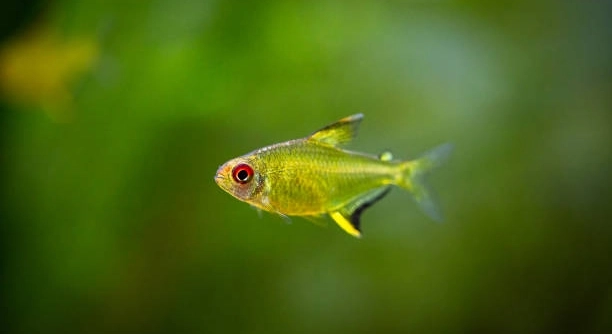
Have you ever noticed your arowana staying quietly behind the filter instead of swimming around the tank? This behavior can be puzzling for any fish owner, especially when your normally active pet seems withdrawn or shy.
Arowanas often hide behind the filter due to stress, water quality issues, or the need for a safe space. Poor tank conditions, sudden changes, or aggressive tank mates can trigger this behavior, prompting the fish to seek shelter.
Understanding why your arowana chooses these hiding spots can help improve its environment and overall well-being, making your tank a more comfortable space for your pet.
Common Reasons Arowanas Hide
Arowanas often hide behind the filter because they feel unsafe or stressed. Changes in water temperature, poor water quality, or sudden loud noises can make your fish seek shelter. Young arowanas are more likely to hide as they adjust to a new tank. Even in a well-maintained aquarium, aggressive tank mates or overcrowding can make an arowana feel threatened. Sometimes, hiding is also a sign of illness. If your fish stops eating, has clamped fins, or shows unusual marks, it might need attention. Observing your arowana’s behavior closely can reveal patterns. Some arowanas simply prefer a quiet space during the day and become active at night. Providing hiding spots, like decorations or plants, allows them to feel secure. Ensuring proper filtration, regular water changes, and a stable environment reduces stress, making your arowana more comfortable swimming openly.
Stress and water quality are the main reasons your arowana hides behind the filter, and addressing these factors usually improves activity.
Giving your arowana more hiding spots or adjusting the tank setup can help it feel safer. Some fish prefer dimmer areas, so placing decorations strategically allows your arowana to explore while still feeling protected. Observing feeding times, swimming patterns, and interactions with tank mates can indicate comfort levels. Regular testing for ammonia, nitrites, and pH ensures the water stays suitable. Slight changes in lighting or temperature can influence behavior, so keeping conditions consistent is important. Even small adjustments, like repositioning the filter or adding gentle water flow, can reduce stress. Feeding high-quality food and maintaining a clean environment supports overall health.
Improving Tank Conditions
Proper tank conditions are essential for your arowana’s comfort. Consistent water temperature, good filtration, and regular cleaning help prevent hiding and stress. Overcrowding or poor water circulation can increase anxiety, so providing enough space and smooth flow is important. Decorations or floating plants can create shaded areas that make the fish feel secure. Lighting should be balanced, not too bright or too dim, to avoid startling your arowana.
Monitoring water parameters daily, like ammonia, nitrite, nitrate, and pH, helps maintain a healthy environment. Arowanas are sensitive to rapid changes, so gradual adjustments are best. Regular partial water changes remove waste and prevent toxins from building up. Feeding small amounts multiple times a day encourages natural activity and reduces stress. Observing interactions with other fish ensures there’s no aggression, and separating overly aggressive tank mates prevents fear. Providing enrichment, like safe hiding spots and open swimming areas, keeps your arowana comfortable. A stable, well-maintained tank promotes healthy behavior, reducing the need to hide behind the filter and supporting overall well-being.
Feeding and Nutrition
Arowanas can hide if they are not getting enough food or the right type of nutrition. Balanced meals help maintain energy levels and reduce stress, making the fish more active and less likely to seek shelter.
Feeding your arowana properly involves offering a varied diet. Live or frozen foods like shrimp, small fish, and insects provide essential protein. Pellets formulated for arowanas ensure vitamins and minerals are included. Overfeeding can lead to poor water quality, increasing stress and hiding behavior. Feeding smaller amounts multiple times a day can mimic natural hunting and reduce anxiety. Observing your fish during feeding helps ensure it is eating and not competing too much with tank mates, which can also trigger hiding.
Timing and consistency in feeding are equally important. A consistent schedule helps your arowana feel secure and reduces erratic behavior. Avoid sudden changes in diet, as this can cause digestive stress. Offering occasional treats, like worms or small crickets, encourages natural hunting instincts. Keeping a feeding log can help track preferences and monitor appetite. A well-fed arowana is more likely to swim openly and interact with its environment confidently, rather than hiding behind the filter for safety or hunger reasons.
Tank Setup and Decorations
Arowanas hide more often in tanks with poor layout or insufficient hiding spots. Proper decorations and spacing allow the fish to feel secure while still swimming freely.
Positioning decorations strategically helps your arowana establish safe zones. Rocks, driftwood, or plants can create shaded areas without crowding the tank. Avoid placing items directly under the filter flow, which can scare the fish. Open swimming spaces are essential for this active species, allowing natural movement. Smooth surfaces prevent injury, and secure decorations ensure nothing falls during movement. Tank size matters; larger tanks reduce stress and give the arowana freedom to explore. Balancing hiding spots with open areas creates a stable environment that promotes confidence. Lighting should mimic natural conditions, with dimmer areas for rest. Regularly inspecting the tank ensures decorations remain safe and water circulation stays consistent. Observing how your fish interacts with its surroundings helps fine-tune the layout for maximum comfort.
Water Temperature
Arowanas hide when the water temperature is too high or too low. Maintaining a stable, appropriate temperature helps them feel comfortable and reduces stress.
Sudden fluctuations in temperature can shock your fish, causing it to stay behind the filter. Using a reliable heater and thermometer ensures the water remains consistent and safe.
Stress and Aggression
Stress from aggressive tank mates or overcrowding can cause hiding. Arowanas need space and calm surroundings to feel secure. Providing enough room and monitoring interactions reduces fear and encourages normal swimming behavior.
Illness and Health
Hiding can indicate health problems. Watch for signs like clamped fins, discoloration, or unusual swimming patterns. Early detection and proper care improve recovery and overall well-being.
FAQ
Why does my arowana only hide behind the filter at night?
Some arowanas are naturally more active during the day and prefer resting in sheltered areas at night. Hiding behind the filter can provide a sense of security and calm. Ensuring a consistent light cycle helps your fish adjust and feel safe.
Can water quality really make my arowana hide?
Yes. High ammonia, nitrite, or nitrate levels stress arowanas, prompting them to seek shelter. Regular testing, partial water changes, and proper filtration are essential. Clean, stable water conditions help your fish swim openly and remain healthy.
Does tank size affect hiding behavior?
Absolutely. Small or overcrowded tanks increase stress and aggression among tank mates. Arowanas need ample swimming space to feel secure. Larger tanks with open areas and strategic hiding spots reduce hiding and promote natural behavior.
Is hiding a sign of illness?
Sometimes. If your arowana stops eating, has clamped fins, discolored scales, or swims erratically, illness could be the cause. Observing other symptoms and consulting a veterinarian familiar with fish can prevent serious health issues.
Do aggressive tank mates cause hiding?
Yes. Aggression from other fish can force your arowana to stay behind the filter. Monitoring interactions, separating overly aggressive fish, or rearranging the tank can reduce stress and encourage normal activity.
How does feeding schedule impact hiding?
Irregular or inadequate feeding can cause stress. Arowanas respond well to consistent feeding times and a balanced diet. Providing multiple small meals and observing eating habits helps your fish feel secure and active.
Will adding plants or decorations help?
Strategically placed plants, driftwood, or rocks give your arowana safe spaces without crowding the tank. Shaded areas and natural barriers allow the fish to explore while feeling protected, reducing constant hiding behind the filter.
Can sudden noise or vibration make my arowana hide?
Yes. Loud noises, tapping on the glass, or external vibrations can startle fish. Minimizing disturbances and keeping the tank in a quiet area lowers stress and encourages swimming freely.
Does lighting affect hiding behavior?
Bright or inconsistent lighting can make arowanas seek shelter. Balanced light with shaded areas allows them to feel secure. Gradually adjusting lighting intensity prevents sudden stress and supports normal activity patterns.
How long is hiding normal?
Occasional hiding is normal, especially after tank changes or new introductions. Persistent hiding for days or weeks may indicate stress, illness, or unsuitable tank conditions. Monitoring behavior and addressing environmental factors helps your arowana return to regular activity.
Are young arowanas more likely to hide?
Yes. Juvenile arowanas are more cautious and need time to adjust to new surroundings. Providing hiding spots and a stable, calm environment supports healthy growth and confidence over time.
Can water flow from the filter cause hiding?
Strong or turbulent water flow can make arowanas uncomfortable, prompting them to hide. Adjusting the flow or positioning decorations to diffuse currents can help them feel secure while still allowing movement throughout the tank.
Does diet variety affect hiding behavior?
Offering a varied diet of pellets, live, or frozen foods ensures proper nutrition and reduces stress. A well-fed arowana is more active and confident, spending less time hiding behind the filter.
How do I know if my arowana is stressed?
Signs include excessive hiding, rapid gill movement, clamped fins, loss of appetite, or erratic swimming. Addressing water quality, tank setup, and social dynamics usually reduces stress and improves behavior.
Can temperature swings cause hiding?
Yes. Sudden increases or decreases in water temperature stress arowanas. Maintaining a stable, appropriate range with a reliable heater and thermometer reduces hiding and promotes overall health.
How quickly will my arowana stop hiding after changes?
It depends on the cause. After correcting water quality, tank layout, or social issues, improvement may be seen within days. Persistent hiding may require further observation for illness or stress triggers.
Is hiding always bad?
Not necessarily. Occasional hiding is natural, especially when arowanas need rest or feel momentarily unsafe. The key is ensuring it doesn’t become constant, which can indicate underlying problems with health or the tank environment.
Can rearranging the tank help?
Yes. Moving decorations, creating more open swimming areas, or adding shaded spots can make your arowana feel more secure. Gradual changes prevent additional stress and encourage exploration rather than constant hiding.
Does tank mate size matter?
Larger or aggressive fish can intimidate arowanas, causing hiding. Ensuring compatible tank mates and sufficient space minimizes stress. Observing interactions and making adjustments when necessary helps maintain a calm environment for your fish.
How do I encourage my arowana to explore?
Providing a safe, stable environment with open swimming spaces, proper lighting, and consistent feeding helps build confidence. Gradual introduction to new tank areas and enrichment can encourage activity and reduce hiding behind the filter.
This FAQ covers the main factors behind hiding behavior, from environment and tank setup to health and social dynamics. Observing your arowana closely and addressing these aspects ensures a happier, healthier fish that spends more time swimming freely.
Arowanas are naturally cautious fish, and hiding behind the filter is often part of their behavior. It is not always a cause for alarm, but it can indicate that something in the tank or the environment needs attention. Many factors contribute to this hiding behavior, including stress, water quality, tank setup, temperature, and interactions with other fish. Observing your arowana regularly is important because it helps you notice changes in behavior, appetite, or swimming patterns that may suggest a problem. Even small signs, like staying in one corner for long periods or avoiding food, can point to stress or discomfort. By paying attention and making small adjustments, you can help your arowana feel more secure and reduce the time it spends hiding.
Proper care and maintenance of the aquarium play a major role in encouraging your arowana to swim openly. Maintaining stable water conditions is crucial. Temperature should remain consistent, and filtration should be effective without creating too strong a current. Regular water changes help remove waste and maintain chemical balance, which directly affects your fish’s comfort. A well-designed tank layout also matters. Providing open swimming areas along with safe, shaded spots allows your arowana to feel protected while still exploring. Decorations like driftwood, plants, or rocks can create hiding places without overcrowding the tank. Proper feeding routines and a varied diet also contribute to confidence and activity. Fish that are well-fed and receiving balanced nutrition are generally more active and less likely to remain hidden.
Behavioral understanding is another key aspect of keeping an arowana healthy and comfortable. Some fish are naturally more reserved or cautious, and occasional hiding is normal. However, persistent hiding that continues despite proper tank conditions may indicate stress, aggression, illness, or environmental discomfort. Monitoring social dynamics among tank mates is important, as aggressive companions can increase anxiety. By combining careful observation, proper nutrition, clean water, and thoughtful tank design, you create a supportive environment where your arowana can thrive. Addressing these elements helps your fish spend more time swimming confidently and less time hiding, leading to better overall health and a more enjoyable experience for both the fish and the owner.

Hello,
If you enjoy the content that we create, please consider saying a "Thank You!" by leaving a tip.
Every little bit helps us continue crafting quality advice that supports the health, happiness, and well-being of pets around the world, for pets of all shapes, sizes, and species.
We really appreciate the kindness and support that you show us!