
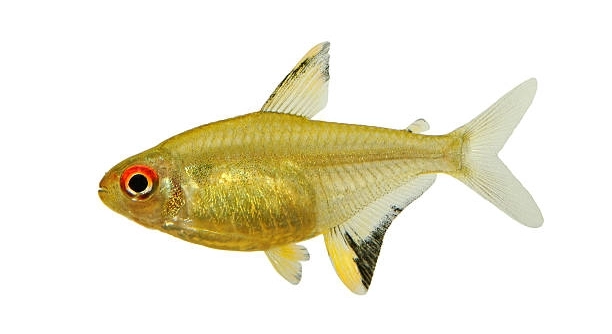
Do you ever notice your arowana gliding silently in its tank, seemingly alert at all times? Watching them can be calming, but you might wonder about their resting habits and how they behave during sleep.
Arowanas do sleep with their eyes open. These fish have a unique sleep pattern that allows them to remain alert for predators and environmental changes. Their eyes do not close, but their body activity decreases during rest periods.
Observing their subtle movements and resting patterns can help you better understand your arowana’s health and daily routine in the aquarium.
How Arowanas Rest in the Tank
Watching an arowana rest can be surprisingly calming. They often float near the surface or hover in one spot, moving very little. Even though their eyes stay open, they reduce their activity, slowing their fin movements. This stillness is their way of conserving energy while remaining alert. Light levels in the tank affect their behavior, as dimmer surroundings encourage more rest. Unlike some fish that hide to sleep, arowanas rely on staying aware of their environment. They don’t have eyelids, so closing their eyes isn’t an option. Observing these subtle shifts in movement and position helps you see when your fish is resting versus actively swimming. Over time, you’ll notice patterns that show when they are most relaxed and when they are alert. Tank conditions, water quality, and feeding schedules also influence their resting behavior, making it easier to spot any changes in their normal routine.
Arowanas can rest for several hours a day while still appearing fully alert.
Recognizing rest in arowanas is about noticing these small signals. Their minimal movements, occasional fin adjustments, and hovering near surfaces indicate they are conserving energy. Proper tank setup with clean water and gentle lighting supports these rest periods, ensuring the fish stays healthy and calm throughout the day.
Why Their Eyes Stay Open
Arowanas lack eyelids, so their eyes remain open constantly.
This physical trait allows them to react quickly to changes in their environment. Open eyes help them detect predators or potential threats even while resting. It is a natural adaptation that has kept them safe in the wild. The constant awareness does not mean they aren’t sleeping; their body activity slows, and they enter a restful state. Observing this can make caring for them easier. Proper lighting, feeding, and tank placement can support their natural resting patterns, helping them stay healthy. Over time, you will learn to distinguish between active swimming and their calm resting phases, which is crucial for monitoring overall well-being. Open eyes are simply a characteristic of their species, not a sign of stress or discomfort, and understanding this helps in creating an environment where your arowana thrives.
Common Misunderstandings About Arowana Sleep
Many people assume arowanas are always active because their eyes never close. This is normal behavior.
Some owners worry that their arowana isn’t resting properly. In reality, they enter a low-activity state while still observing their surroundings. Understanding this helps prevent unnecessary stress about their health. Watching subtle fin movements and hovering behaviors can give clues that your arowana is resting even with open eyes. Tank conditions like water temperature, lighting, and feeding schedules influence how and when they rest. Over time, noticing these patterns allows you to distinguish between active swimming and natural rest periods. Misinterpreting their open eyes as constant alertness is a common mistake that can make caring for them feel confusing at first.
Recognizing these patterns can improve your approach to aquarium care. Adjusting tank lighting, maintaining water quality, and providing a quiet environment encourages proper rest. Arowanas are sensitive to sudden changes, so consistent conditions help them stay calm and maintain their energy. By observing them carefully, you can see their natural rhythms, including when they hover near the surface or gently drift in place. Each fish may have unique rest patterns, but the principle remains consistent: minimal movement indicates a restful state, not distress. Proper care and observation help your arowana thrive while resting safely with open eyes.
Understanding their rest habits also prevents overfeeding. Active swimming does not always mean hunger, and allowing proper rest is essential for metabolism. Arowanas that are constantly disturbed may show stress, which affects health and coloration. A calm, predictable environment supports both sleep and overall wellness, making long-term care more manageable. Observing subtle shifts in fin movement and body position ensures that you are responding to natural behaviors, not imagined problems. Over time, you’ll develop a sense of when your arowana is resting versus alert, making tank maintenance and feeding schedules easier to manage. Healthy arowanas display consistent resting behaviors even with eyes open, reflecting a balanced life in the aquarium.
Tips to Support Healthy Rest
Maintaining proper tank conditions is crucial for arowana sleep. Gentle lighting and clean water are key.
Providing a calm environment reduces stress and encourages natural rest. Avoid sudden loud noises or abrupt movements near the tank, as these can startle your arowana and interrupt resting periods. Using soft lighting or a dimmed area in the tank allows them to enter a restful state. Regular water changes and stable temperature help maintain comfort and health. Feeding routines should be consistent to avoid unnecessary activity late in the day, which can disrupt rest. Over time, observing your arowana’s patterns will make it easier to ensure they get adequate rest, even with eyes open. Small adjustments to tank setup can significantly improve their well-being.
Supporting healthy rest also involves monitoring behavior and environment daily. Watch for consistent hovering, slow fin movements, and periods of stillness, which indicate proper rest. Avoid overfeeding or changing tank conditions abruptly, as stress can affect sleep. Adding hiding spots or gentle currents may make your arowana feel more secure, further promoting natural rest cycles. Paying attention to these details helps ensure your fish remains calm and energetic during active periods. Observing their daily rhythms and adapting your care routine accordingly ensures long-term health. A consistent approach reduces stress and keeps your arowana comfortable, rested, and alert when active.
Recognizing Signs of Rest
Arowanas show rest through minimal movement. They may hover in one spot, slow their fins, and stay near the surface. These behaviors indicate they are conserving energy while remaining alert.
Other subtle signs include occasional body swaying and reduced interaction with tank decorations. These patterns signal restful periods, even with eyes open.
Environmental Factors Affecting Sleep
Water temperature, lighting, and tank placement influence arowana rest. Cooler water or sudden temperature changes can disrupt rest, while consistent lighting helps regulate their daily rhythm. Tank placement away from frequent disturbances creates a calm environment. Proper filtration and regular water maintenance reduce stress, ensuring the fish can enter restful states naturally. These environmental adjustments make a significant difference in their overall health and allow you to observe consistent resting behavior, which is crucial for long-term care.
Feeding and Rest Patterns
Overfeeding late in the day can affect rest. Consistent feeding schedules support natural sleep cycles.
FAQ
Do arowanas need complete darkness to rest?
Arowanas do not require complete darkness to rest. They can enter restful states under dim lighting, as long as the environment is calm. Too much light or sudden changes can disturb them, so a consistent, gentle light cycle works best to maintain their natural rhythm.
Can arowanas sleep at the bottom of the tank?
It is uncommon for arowanas to rest at the bottom. They usually hover near the middle or surface of the tank. Resting at the bottom may indicate stress, illness, or unsuitable tank conditions, which should be checked immediately to ensure their health.
How long do arowanas typically rest each day?
Arowanas rest for several hours daily, often in multiple short periods. Even with open eyes, their activity slows, and fin movements reduce. Observing these periods helps track their health and daily rhythm. Consistent water conditions and feeding schedules support regular rest cycles.
Is it normal for arowanas to stay still for hours?
Yes, remaining still is a normal resting behavior. They conserve energy and remain alert. However, sudden prolonged inactivity combined with loss of appetite or unusual behavior may signal health problems that require attention. Monitoring their patterns helps distinguish normal rest from potential issues.
Do arowanas get stressed if disturbed while resting?
Arowanas can become stressed by sudden movements, loud noises, or changes near the tank. Stress can disrupt rest and affect overall health. Maintaining a calm, predictable environment helps them feel secure and ensures that their resting periods remain undisturbed.
Can tank size affect arowana rest?
Tank size plays a significant role in rest quality. Arowanas need enough space to swim and hover comfortably. Cramped tanks can lead to stress, preventing proper rest. Providing ample space, along with stable water conditions, supports both healthy activity and rest.
Are there signs of poor rest in arowanas?
Yes, signs include erratic swimming, constant fin movement, or frequent hiding. Poor rest may also manifest as loss of appetite, faded coloration, or stress behaviors. Adjusting lighting, water quality, and feeding schedules can improve rest and reduce these signs.
Do younger arowanas sleep differently than adults?
Juvenile arowanas may be more active and take shorter rest periods compared to adults. As they grow, their rest becomes longer and more consistent. Understanding these age-related differences helps provide the proper environment for both growth and restful behavior.
Does feeding time affect sleep?
Yes, feeding late in the day can disturb rest. Arowanas are more active after eating. Consistent feeding schedules early in the day allow them to settle and rest naturally. Overfeeding can also lead to digestive stress, indirectly affecting their rest periods.
Can other fish in the tank disturb arowana rest?
Other active or aggressive fish can interrupt resting patterns. Arowanas prefer calm tank mates that do not constantly chase or harass them. Providing enough space and compatible companions ensures that your arowana can rest peacefully, even in a community setup.
How can I tell if my arowana is healthy while resting?
Healthy arowanas exhibit steady breathing, gentle fin movements, and hover calmly in place during rest. Changes like erratic swimming, floating sideways, or loss of appetite during rest periods may indicate health issues that require observation or intervention.
Does water temperature impact their sleep?
Yes, consistent water temperature is important. Sudden drops or rises can stress arowanas and disrupt rest. Keeping the tank within their ideal temperature range supports normal activity and proper resting behavior. Gradual, stable conditions are essential for their well-being.
Can arowanas sleep with tank lights on?
They can rest under dim or moderate lighting, but bright lights may reduce rest quality. Adjusting lighting to mimic natural day-night cycles helps maintain regular rest periods and overall health. Gradual transitions between light and dark are preferable to sudden changes.
Is it necessary to provide hiding spots for arowanas?
Hiding spots are not strictly necessary but can make arowanas feel secure. Structures like driftwood or plants offer shelter, reducing stress and encouraging more restful periods. Observing where they choose to hover or rest can help identify their preferred safe zones in the tank.
Do arowanas dream?
There is no evidence that arowanas dream like mammals. Their sleep involves reduced activity and energy conservation rather than complex brain activity. Resting still allows them to maintain alertness and recover energy without shutting down sensory awareness.
How do I encourage better rest in my arowana?
Maintain stable water conditions, gentle lighting, and a calm environment. Stick to a regular feeding schedule and avoid frequent disturbances near the tank. Providing adequate space and compatible tank mates ensures they can hover comfortably and enter restful periods naturally.
Can stress affect their eye appearance while resting?
Yes, stress may cause changes in eye clarity or slight cloudiness, though eyes remain open. Proper care, stable water conditions, and minimal disturbances reduce stress and support normal resting behavior. Monitoring eyes can help detect early signs of health concerns.
Is it normal for arowanas to twitch while resting?
Minor fin or body twitches are normal and can occur during light sleep phases. Excessive or jerky movements may indicate stress, discomfort, or water quality issues. Observing frequency and context helps determine whether behavior is normal or requires action.
How do I track resting behavior over time?
Keep a simple observation log noting periods of stillness, hovering positions, and fin movements. Track feeding times, water conditions, and tank activity. Over time, patterns will emerge, helping identify what constitutes normal rest for your arowana and when changes may signal concern.
Can illness affect resting patterns?
Yes, illness can cause prolonged inactivity, erratic swimming, or hiding. Poor rest, combined with other signs like loss of appetite or color changes, may indicate health issues. Early detection and treatment improve recovery chances and help maintain normal resting behavior.
Final Thoughts
Arowanas are fascinating fish with unique behaviors, especially when it comes to resting. Their ability to sleep with their eyes open can be surprising at first, but it is entirely normal. Unlike mammals, fish do not have eyelids, so closing their eyes is not an option. Instead, they enter a restful state while remaining aware of their surroundings. Observing them carefully helps distinguish between active swimming and rest. Many arowana owners initially worry that their fish is always alert or never sleeps, but understanding their subtle signs, such as hovering, minimal fin movements, and occasional body swaying, can provide reassurance. These patterns are their natural way of conserving energy and staying safe, both in captivity and in the wild. Paying attention to these small details allows for a deeper understanding of their needs and daily rhythms.
Environmental factors play a major role in supporting healthy rest for arowanas. Lighting, water quality, temperature, and tank placement all influence their comfort and ability to rest. Bright lights, sudden noises, or frequent disturbances near the tank can interfere with their natural patterns, while gentle lighting, stable water conditions, and calm surroundings encourage consistent rest. Feeding routines also impact sleep, as late or irregular feedings can make them more active when they should be settling down. Providing enough space for them to hover comfortably and ensuring tank mates are non-aggressive also contributes to a restful environment. Over time, consistent care and observation help establish predictable routines that support both their activity and rest, creating a healthy, low-stress environment for your fish.
Understanding your arowana’s rest habits is essential for long-term care. Healthy rest contributes to overall well-being, including proper energy levels, metabolism, and stress reduction. By monitoring behavior and tank conditions, you can notice early signs of discomfort, illness, or environmental issues. Observing subtle cues like fin movements, body position, and preferred resting spots helps identify their normal patterns and alerts you to changes that may need attention. While their eyes remain open, these fish are capable of deep rest, and respecting their natural rhythms ensures they remain calm and healthy. Providing a stable environment, regular feeding, and attention to their subtle behaviors makes caring for an arowana a rewarding experience and helps maintain their vibrant energy and beauty for years to come.

Hello,
If you enjoy the content that we create, please consider saying a "Thank You!" by leaving a tip.
Every little bit helps us continue crafting quality advice that supports the health, happiness, and well-being of pets around the world, for pets of all shapes, sizes, and species.
We really appreciate the kindness and support that you show us!