
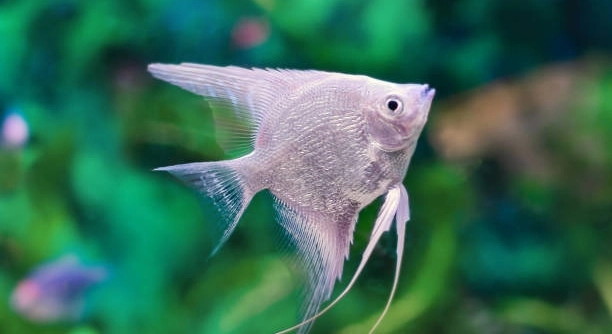
Angelfish are known for their beautiful, graceful movements in the aquarium, so when they start to seem inactive, it can be concerning. It’s important to understand what might be causing their lack of movement and how to address it.
The lack of movement in your angelfish can be caused by several factors, such as poor water quality, illness, or stress. It is essential to assess the environment and health of your fish to identify any potential problems.
By paying attention to a few key signs, you can determine if something is wrong. These signs will help you take action quickly and improve your angelfish’s condition.
Poor Water Quality
Water quality is one of the first things to check if your angelfish isn’t moving. Angelfish are sensitive to changes in their environment, and dirty water can cause them to become sluggish. High levels of ammonia, nitrates, or nitrites can harm your fish, making them feel stressed and lethargic. Inadequate filtration or water changes can contribute to these issues.
When water parameters are off, angelfish may hide more often and show little movement. Regular water testing is key to ensuring that the pH, hardness, and temperature are at ideal levels for your fish. A clean tank can make a significant difference in their behavior.
Consider doing a partial water change to improve the conditions. A stable environment is crucial for angelfish to thrive. Keep an eye on their behavior after changing the water to see if there’s an improvement in their activity levels. If you notice no change, you might want to explore other factors affecting them.
Illness or Injury
Illness or injury could be another reason your angelfish is not moving. Like most fish, angelfish can become weak or inactive when they are sick or hurt. Symptoms of illness may include pale coloration, bloating, or swimming erratically.
If you notice any unusual signs, it’s important to treat the problem immediately. Often, parasites or bacterial infections can cause lethargy. Infected angelfish may also stop eating, which could make them weaker. Always quarantine a sick fish to prevent the spread of illness to others.
Treatment varies depending on the illness, but generally, treating the tank with a suitable medication or adjusting the water temperature can help. However, if an injury is suspected, a more careful examination may be needed to assess the damage. Injuries can sometimes go unnoticed, and they can affect the fish’s ability to move.
Stress or Fear
Stress can make angelfish freeze or stop moving. Changes in their environment, like new tank mates or loud noises, can frighten them. This kind of stress often leads to a lack of movement. Overcrowding can also cause stress and lead to inactivity.
If your fish is stressed, it may show other signs like hiding in corners or near the bottom of the tank. The key to reducing stress is to create a calm, stable environment. Make sure your angelfish has enough space and that the tank is peaceful. Try dimming the lights or adding plants for hiding spots.
Minimize disturbances in their environment to help them feel secure. You should also ensure your fish is not being harassed by other tank mates. The more stable and quiet the environment, the more likely your angelfish will return to their usual behavior.
Poor Diet or Malnutrition
A poor diet can result in sluggishness and inactivity in angelfish. If they aren’t getting the proper nutrition, it can cause them to stop moving or swimming normally. Angelfish need a balanced diet, including high-quality flakes, pellets, and occasional live or frozen food.
An imbalanced diet can lead to malnutrition, making your angelfish weak and less active. Feeding them the same food all the time may also cause them to become disinterested in eating, affecting their overall health. Ensure your fish is getting the nutrients it needs to maintain energy levels.
To improve their health, offer a variety of food. You can supplement their diet with vegetables or even brine shrimp. Variety will encourage them to eat more, and a well-fed angelfish will show more activity in the tank.
Water Temperature Issues
Angelfish are sensitive to water temperature, and extreme temperatures can cause them to become inactive. If the water is too cold or too warm, it can affect their energy levels and make them sluggish. Ideally, angelfish prefer water between 76-82°F (24-28°C).
Check the temperature regularly to ensure it’s stable. Sudden changes in temperature can stress your fish, leading to a lack of movement. If the water is too cold, consider adding a heater, and if it’s too warm, ensure proper tank ventilation.
A steady, comfortable temperature is vital for keeping your angelfish active and healthy. Make sure to adjust your setup if needed to maintain an ideal range.
Tank Size
A small tank can limit the movement of angelfish, as they need space to swim around. If your angelfish is confined to a tank that’s too small, it might feel cramped and stop swimming altogether. Angelfish should be kept in tanks that are at least 20 gallons for a single fish.
A cramped tank often leads to increased stress and inactivity. If your tank is overcrowded or too small, upgrading to a larger tank will allow your fish to move more freely. Angelfish need room to explore and stay active, which helps improve their health.
Overcrowded Tank
An overcrowded tank can also cause your angelfish to stop moving. Too many fish in a small space leads to high stress levels, making angelfish retreat to quieter areas of the tank. Crowding may also cause poor water quality, further impacting their behavior.
Keeping your tank understocked ensures your angelfish have enough space and reduces competition for food. This helps them feel secure and more likely to swim around. If overcrowding is an issue, consider rehoming some fish or upgrading to a larger tank.
FAQ
Why is my angelfish staying at the bottom of the tank?
If your angelfish is staying at the bottom of the tank, it could be a sign of stress, illness, or poor water quality. Angelfish are typically active swimmers, so they may retreat to the bottom when they feel unwell or unsafe. Poor water conditions like high ammonia or nitrites can also make your angelfish feel uncomfortable. Check the water parameters immediately and ensure that your fish isn’t sick. If the water quality is good and there’s no sign of illness, consider making changes in the tank environment, such as adding hiding spots or reducing disturbances.
How do I know if my angelfish is sick?
Sick angelfish may show several signs, including loss of appetite, discoloration, clamped fins, and erratic swimming patterns. If your fish seems lethargic and unresponsive, it’s a strong indicator that something is wrong. Common illnesses in angelfish include bacterial infections, parasites, and internal worms. Infected fish may also develop visible sores, lesions, or swelling. If you observe any of these symptoms, you should quarantine the sick fish and treat the tank accordingly. It’s important to act quickly to prevent the illness from spreading to other fish.
What temperature should my angelfish tank be?
Angelfish prefer warm water, with an ideal temperature range between 76°F and 82°F (24°C to 28°C). If the water is too cold, angelfish can become sluggish and stressed. If it’s too warm, they might become overheated and show signs of discomfort. It’s important to use a reliable heater to maintain a stable temperature, as fluctuations can stress your fish. Ensure your tank is equipped with a thermometer so you can monitor the water temperature regularly.
Can angelfish live with other fish?
Yes, angelfish can live with other fish, but it’s important to choose compatible tank mates. Angelfish are generally peaceful but can become territorial, especially when breeding. Avoid housing them with overly aggressive species or small fish that might be seen as prey. Suitable tank mates include tetras, gouramis, and other peaceful community fish. It’s also essential to ensure that all fish in the tank are roughly the same size to avoid bullying or predation. Always observe how the fish interact when introducing new tank mates.
How often should I feed my angelfish?
Angelfish should be fed two to three times a day, offering only as much food as they can consume within 2-3 minutes. Overfeeding can lead to water quality problems, which could further affect your fish’s health. Make sure to offer a varied diet that includes high-quality flakes, pellets, and occasional live or frozen foods. A balanced diet is key to ensuring that your angelfish are active and healthy. Remove any uneaten food after feeding to maintain clean water.
What should I do if my angelfish is hiding all the time?
Hiding can be a sign that your angelfish is stressed or feeling unwell. If your fish is consistently hiding, check the water quality, as poor water conditions can cause them to seek refuge. Stress from tank mates, loud noises, or sudden changes in their environment can also cause angelfish to hide. Adding more hiding spots in the tank or rearranging the décor may help your angelfish feel more secure. However, if the behavior persists, look for signs of illness and treat the fish accordingly.
Why is my angelfish swimming in circles?
Swimming in circles can indicate that your angelfish is disoriented, which could be caused by several factors. Illness, poor water quality, or stress may cause this erratic behavior. In some cases, the presence of parasites or a bacterial infection can lead to a loss of balance and abnormal swimming. It’s important to check the water parameters and examine the fish closely for any visible symptoms. If the issue persists, consider quarantining your fish to prevent the spread of potential disease.
Can angelfish get too old to move around?
Angelfish, like all fish, may slow down with age, but they should not become completely inactive. As they age, their metabolism slows, which might make them less energetic. However, they should still swim around the tank regularly. If an older angelfish is suddenly very inactive or showing signs of illness, it may be a sign of health problems, and it’s worth checking the water conditions and their overall health. Age-related inactivity should be gradual, not sudden, and should not impact their ability to swim and interact with the environment.
What can I do to encourage my angelfish to swim more?
To encourage your angelfish to swim more, ensure that their environment is clean and stable. Regular water changes and maintaining ideal water quality will help them feel more comfortable. Provide a well-planted tank with plenty of space for swimming and hiding spots. Avoid overcrowding, as too many fish can stress your angelfish and make them less active. Additionally, consider offering a varied diet, including live or frozen foods, to keep your fish engaged and healthy. If the issue persists, investigate for potential health issues or stressors.
Why is my angelfish not eating?
If your angelfish isn’t eating, the problem could be stress, illness, or water quality issues. Stressful tank conditions, such as poor water parameters, overcrowding, or aggressive tank mates, can cause your fish to lose their appetite. Illnesses such as internal parasites or bacterial infections can also make angelfish stop eating. Ensure the tank water is clean and the temperature is stable. Try offering a variety of foods to see if your angelfish has a preference. If your fish continues to refuse food, consider quarantining it and seeking appropriate treatment for any underlying health problems.
Final Thoughts
When your angelfish isn’t moving or acting like its usual self, it’s important to understand the possible reasons behind the change. Poor water quality, stress, illness, or even environmental factors like temperature and overcrowding can cause your angelfish to become sluggish or inactive. Identifying the root cause quickly is essential to help your fish return to its normal behavior. Regular maintenance of your tank, such as water changes and monitoring temperature, will help keep your angelfish comfortable and healthy.
Another factor to consider is the diet of your angelfish. A proper, varied diet is essential for keeping them active and healthy. If your fish isn’t eating, it could be a sign of stress or illness. Offering a mix of high-quality flakes, pellets, and occasional live or frozen food will help meet their nutritional needs. Avoid overfeeding, as this can lead to poor water quality, which could worsen your fish’s condition. Always observe your fish’s eating habits to ensure they’re receiving the proper nutrition.
Lastly, the tank environment plays a big role in the well-being of your angelfish. A peaceful, stable tank with proper hiding spots and plenty of swimming space is crucial for your fish’s health. If you have other tank mates, ensure they are compatible and not causing stress. Remember to check water parameters frequently and adjust as needed to maintain a healthy, balanced environment. Taking these steps will help keep your angelfish active, happy, and healthy for years to come.

Hello,
If you enjoy the content that we create, please consider saying a "Thank You!" by leaving a tip.
Every little bit helps us continue crafting quality advice that supports the health, happiness, and well-being of pets around the world, for pets of all shapes, sizes, and species.
We really appreciate the kindness and support that you show us!