
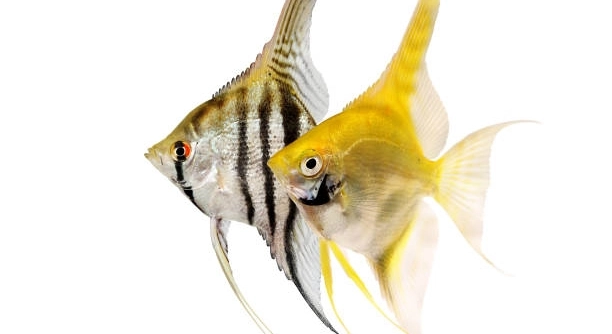
Angelfish are beautiful creatures, and watching them swim can be a calming experience. However, if your angelfish is swimming in a spiral, it can be concerning. This unusual behavior may signal an underlying issue that needs attention.
Spiral swimming in angelfish is often a sign of stress, illness, or physical injury. It can result from a variety of causes, including poor water quality, parasites, or neurological disorders, each requiring a careful examination of the fish’s environment.
Understanding why your angelfish is behaving this way is crucial for providing the right care. The following sections will help you explore potential causes and how to address them.
Poor Water Quality
Water quality is a critical factor in keeping fish healthy. If your angelfish is swimming in a spiral, poor water conditions could be the reason. Ammonia, nitrites, and nitrates in the water can cause stress, making the fish behave abnormally. Additionally, an imbalance in pH or high levels of chlorine can lead to discomfort for your angelfish. You should regularly test your aquarium’s water to ensure that the levels of ammonia, nitrites, and nitrates are within safe ranges.
Inadequate filtration can also cause water to become dirty quickly, leading to poor water quality. Ensure the filter is functioning correctly and change the water regularly to maintain a healthy environment.
When the water is consistently poor, it can weaken your angelfish’s immune system, making it more vulnerable to disease. Maintaining water quality can help prevent health issues that lead to unusual swimming patterns. Testing and adjusting water parameters will ensure your angelfish feels comfortable in its home.
Parasites or Infection
Parasites or infections are another reason your angelfish might swim in a spiral. External parasites, such as ich or velvet, can irritate your fish and cause erratic swimming. These parasites attack the skin, gills, and fins, which affects the fish’s ability to swim normally. Internal parasites, such as worms or protozoa, can cause similar symptoms. These parasites can make your angelfish feel weak and disoriented.
You may notice other symptoms like faded color, lesions, or unusual behavior, such as rubbing against objects. In some cases, parasites can affect the nervous system, leading to abnormal movements like spiraling. If you suspect a parasitic infection, consider treating the tank with a suitable anti-parasitic medication.
Infection from bacteria or fungi can also result in spiral swimming. Bacterial infections can cause swelling, lesions, or dropsy. Fungal infections typically lead to a white or fuzzy growth on the body. Identifying and treating the infection promptly can improve your angelfish’s health and prevent further damage.
Stress or Anxiety
Stress can cause your angelfish to swim in a spiral, especially if it’s not feeling safe or comfortable in its environment. Overcrowding, sudden changes in temperature, or new tankmates can all contribute to stress. Your fish may exhibit abnormal swimming patterns when it feels overwhelmed or threatened.
Stress can also be triggered by loud noises, vibrations, or excessive light. If the tank is located in a busy area, or there is constant movement around it, your angelfish may become anxious and start swimming erratically. This can be worsened if your fish is already ill or has been introduced to new, unfamiliar conditions.
Providing a stable, calm environment is crucial for preventing stress. Keep the tank in a quiet area, avoid frequent changes, and introduce new fish slowly. When your angelfish feels secure, its swimming should return to normal.
Neurological Issues
Neurological problems can lead to abnormal swimming behavior in angelfish. This could result from trauma, such as a bump against an object, or a more serious issue like a stroke. Such injuries affect the fish’s coordination and can cause it to spiral or swim in circles.
In some cases, neurological problems are linked to genetic disorders or infections that affect the brain and nervous system. Symptoms can include disorientation, lack of control, or erratic movements. This behavior might persist even if the environment is ideal and the fish is otherwise healthy.
If the issue is severe, the angelfish may show signs of paralysis or lack of responsiveness. Unfortunately, neurological damage can be difficult to treat, but providing a stress-free environment and avoiding any potential injury can prevent further damage.
Tank Conditions
Your angelfish’s swimming patterns can be affected by poor tank conditions. If the water is too warm or cold, or if the tank is overcrowded, the fish can become stressed. Both temperature and tank size should be appropriate for the angelfish to thrive and avoid erratic behavior.
Maintaining a proper water temperature between 76-82°F (24-28°C) is essential. If the tank is too small or there are too many fish, your angelfish might feel cramped and anxious. Proper filtration and space allow your fish to swim freely and naturally, reducing the chances of spiral swimming.
The water quality should also be checked regularly to avoid any harmful buildup of toxins. A stable environment promotes better health for your fish, helping prevent unusual swimming patterns. Ensure the tank is the right size and has appropriate conditions to avoid further issues.
Injury or Physical Damage
Physical injuries or damage can cause your angelfish to swim in circles or spiral. This might happen if the fish crashes into objects in the tank or fights with other tankmates. Such injuries can lead to stress or difficulty maintaining normal movement.
If your angelfish has visible injuries, like cuts or bruises, it’s important to separate it from other fish to allow for healing. Stress from injury can cause further complications, so a calm and quiet environment is necessary to aid recovery. Keep the injured fish in clean water with minimal disturbance.
Injury can sometimes cause long-term effects on movement, and the fish may have difficulty swimming straight. If the injury is not severe, recovery is possible with proper care and attention. It’s important to monitor the fish closely to ensure it is healing properly.
Poor Diet or Malnutrition
A lack of proper nutrition can also lead to abnormal swimming in angelfish. When an angelfish doesn’t receive the right balance of nutrients, it may become weak or lethargic, which can affect its swimming patterns. Nutritional deficiencies may contribute to stress or even neurological issues.
Angelfish need a balanced diet that includes high-quality flakes, pellets, and occasional live or frozen foods. Without enough variety or the proper nutrients, your fish may not have the energy it needs for normal activity. This can lead to spiraling, as the fish struggles to maintain control.
Feeding your fish the right food can prevent malnutrition. Make sure to offer a variety of foods to ensure a well-rounded diet. Providing essential nutrients can improve overall health and help restore normal swimming patterns in your angelfish.
FAQ
Why is my angelfish swimming in circles?
Angelfish swimming in circles may be a sign of stress, injury, or poor water conditions. If the tank environment is not ideal, the fish may feel disoriented or threatened, causing abnormal behavior. Overcrowding, sudden changes in temperature, or the presence of new tankmates can also trigger circular swimming patterns.
Injury from bumping into tank decorations or fighting with other fish could lead to disorientation. It is important to check the fish for any visible wounds. Sometimes, these circular movements are a sign of neurological issues or parasites that affect the brain and nervous system. Ensuring a calm and stable tank environment can help reduce this behavior.
Can poor water quality cause my angelfish to swim in a spiral?
Yes, poor water quality is a common reason for spiral swimming. When water conditions are not maintained, high levels of ammonia, nitrites, or nitrates can cause stress and discomfort. Fish can exhibit abnormal behavior such as spiraling or swimming erratically when the water is polluted. Inadequate filtration and a lack of regular water changes can worsen the situation.
To fix this, it’s important to regularly test the water parameters and perform water changes when necessary. Proper filtration is also key to keeping the water clean and the fish healthy. Ensuring your tank has good water quality can reduce the likelihood of abnormal swimming patterns in your angelfish.
Can stress cause my angelfish to swim in a spiral?
Yes, stress is a major factor that can cause spiral swimming in angelfish. When the fish feel anxious or threatened, they may swim in circles or spiral. Stress can be caused by a variety of factors, such as overcrowding, changes in the tank environment, or sudden changes in temperature. Even external factors like loud noises or vibrations around the tank can contribute to stress.
To reduce stress, make sure the tank is in a quiet, calm area and avoid sudden changes to the water conditions. Giving your angelfish enough space to swim freely and introducing new tankmates slowly can help minimize stress. A less stressful environment will encourage your fish to swim naturally.
What should I do if my angelfish is swimming in a spiral?
If your angelfish is swimming in a spiral, first check the water quality. Test for ammonia, nitrites, and nitrates, and make sure the pH level is stable. If the water conditions are poor, perform a water change and clean the tank.
Next, check for visible injuries, parasites, or signs of illness. If you notice anything unusual on the fish’s body, consider treating it with appropriate medication. Also, observe if there are any tankmates bullying or stressing your angelfish. If the fish is still spiraling after addressing these issues, it may be worth consulting a vet who specializes in fish health.
How can I prevent my angelfish from swimming in a spiral?
To prevent your angelfish from swimming in a spiral, ensure the tank is clean, stable, and not overcrowded. Regularly monitor water conditions by testing for ammonia, nitrites, and nitrates, and perform water changes as needed. Keep the temperature stable and avoid sudden changes.
Maintain a peaceful environment by avoiding loud noises or disturbances. Introduce new fish gradually to reduce stress. Provide your angelfish with a balanced diet, and monitor for any signs of illness or parasites. A healthy, stress-free environment will help your angelfish swim naturally and prevent spiraling behavior.
Can an injury cause spiral swimming in my angelfish?
Yes, an injury can cause your angelfish to swim in a spiral. If the fish bumps into tank decorations or gets into a fight with another fish, it may sustain an injury. These injuries can lead to difficulty swimming, and in some cases, the fish may begin to spiral or swim erratically due to disorientation.
If you suspect an injury, examine your angelfish closely for visible wounds or bruises. To aid recovery, place the injured fish in a separate tank with clean water and minimal disturbances. The fish will need time to heal, and its swimming should return to normal once it recovers.
What diseases can cause my angelfish to swim in a spiral?
Several diseases and infections can lead to abnormal swimming patterns in angelfish. Parasites like ich or velvet can irritate the skin, causing the fish to swim erratically or spiral. Bacterial or fungal infections can also affect the fish’s body, leading to disorientation and unusual swimming behavior.
Internal issues like worms or protozoa can cause similar symptoms, making the angelfish weak and uncoordinated. If you notice signs of illness, such as faded colors, lesions, or abnormal movements, it’s important to treat the fish promptly. Medications specific to the disease should be used, and the water should be kept clean to prevent further infections.
Can a poor diet cause my angelfish to swim in a spiral?
A poor diet can lead to malnutrition, which may result in abnormal swimming behavior. If your angelfish is not receiving the proper nutrients, it may become weak, lethargic, and disoriented. This can lead to spiral swimming or a lack of control in its movements.
To prevent this, provide your angelfish with a balanced diet that includes high-quality pellets, flakes, and occasional live or frozen foods. A varied diet will ensure that your fish gets all the necessary nutrients for healthy growth and movement. Regular feeding of proper foods can improve the fish’s health and prevent spiral swimming due to malnutrition.
Final Thoughts
Watching your angelfish swim in a spiral can be concerning, but it’s important to understand that there are several possible reasons behind this behavior. It could be caused by something as simple as poor water quality or stress, which are often easy to address with a few changes in the tank. Keeping the environment stable, clean, and well-maintained is key to preventing these kinds of issues. Regularly testing the water, providing proper filtration, and making sure the temperature stays consistent can go a long way in promoting the health of your fish.
Another possibility is that your angelfish may be suffering from an injury or illness. If the spiraling behavior persists even after the water conditions are improved, checking for visible wounds or signs of infection becomes important. Certain parasites or neurological issues can also cause disorientation, leading to abnormal swimming patterns. If you suspect a disease, it may be best to consult a specialist or use appropriate medications to treat the issue. Sometimes, injuries can take time to heal, and with a calm environment and proper care, your angelfish should recover.
In the end, it’s all about monitoring your fish and making adjustments when necessary. Keeping an eye on their behavior, water quality, and overall health will help you spot problems early and prevent them from getting worse. Remember, angelfish are relatively sensitive creatures, and changes in their environment can quickly lead to stress or illness. By staying proactive and addressing any issues promptly, you can ensure your angelfish remain healthy and happy, swimming naturally and without distress.

Hello,
If you enjoy the content that we create, please consider saying a "Thank You!" by leaving a tip.
Every little bit helps us continue crafting quality advice that supports the health, happiness, and well-being of pets around the world, for pets of all shapes, sizes, and species.
We really appreciate the kindness and support that you show us!