
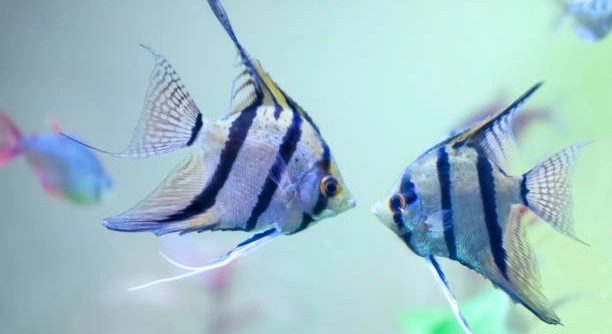
Angelfish are beautiful creatures, and their breeding behavior can sometimes change unexpectedly. It can be frustrating when you notice a shift in how they behave, especially if you’re not sure why.
The changing breeding behavior of angelfish can be attributed to several factors, including changes in their environment, diet, water conditions, and stress levels. These shifts can also be influenced by their age or changes in their social interactions with other fish.
By understanding the potential reasons behind these changes, you can make adjustments to help your angelfish thrive. These insights will help you create a better environment for your fish and encourage stable, healthy breeding behavior.
Changes in Water Conditions
Water quality plays a key role in angelfish breeding behavior. These fish are sensitive to changes in their environment, especially when it comes to pH levels, temperature, and hardness. If your tank’s water parameters fluctuate, your angelfish might become stressed, which can lead to changes in their breeding patterns.
Even slight adjustments in the water can impact how angelfish react to each other and their surroundings. For example, they may stop breeding or display erratic behavior if the water temperature is too low or high. Regularly checking water quality is essential to ensure a stable environment.
When the water conditions are right, angelfish are more likely to breed successfully. Maintaining a stable temperature, keeping the pH balanced, and making sure there is no excess ammonia or nitrite will help encourage natural behaviors. Ensure your filtration system is working correctly and do regular water changes.
Changes in Tank Size and Space
Angelfish can also be affected by the amount of space available in their tank.
If your angelfish are kept in a cramped environment, they may become stressed and less likely to engage in breeding behavior. Having enough space to swim and establish territories is crucial for their well-being. If you recently upgraded your tank or added more fish, it could have impacted their routine.
Angelfish are territorial, so when they feel cramped or overcrowded, it can affect their natural breeding instincts. When placed in a more spacious environment, they may begin to show more interest in finding mates and breeding. Angelfish need areas where they can claim a space to court each other. Make sure they have enough room to establish their territory, which can reduce stress and encourage breeding.
Changes in Diet and Nutrition
A poor diet can affect angelfish breeding behavior. Nutrient deficiencies can lead to decreased energy levels, making the fish less likely to engage in mating activities. Providing a balanced, varied diet is crucial for their health and breeding habits.
Over time, a lack of essential nutrients like vitamins, proteins, and fats can impact angelfish fertility and their overall well-being. If their diet lacks variety, it may result in unhealthy fish that are less motivated to breed. Incorporating high-quality food, such as live or frozen options like brine shrimp, can improve breeding conditions.
Angelfish thrive on a diet that mimics their natural intake. By including a mix of flakes, pellets, and fresh foods, you’re helping maintain their health and promoting the right breeding conditions. Regular feeding schedules, combined with proper nutrition, ensure they have the energy and strength to breed successfully. If you’ve recently altered their diet, it may be worth considering if that’s contributing to the changes in behavior.
Stress and Environmental Factors
Stress is a major factor in altered breeding behavior for angelfish.
External changes such as loud noises, nearby movement, or the introduction of new fish can all lead to increased stress levels. Angelfish are very sensitive to their surroundings, and a stressful environment can make them less likely to breed.
Stressors, both physical and environmental, affect angelfish in various ways. Elevated stress can result in aggression, changes in eating habits, and a refusal to engage in courtship or breeding. If you’re observing behavior changes, consider if there’s been a change in the tank’s environment that might be stressing your fish out. Angelfish are particularly sensitive to water disturbances, so ensuring a calm and quiet tank environment is essential.
Age and Maturity of Angelfish
Angelfish breeding behavior can change as they grow older. As fish age, their hormonal balance shifts, which can make them less interested in breeding. A younger angelfish will often show more enthusiasm during courtship.
Older fish may lose interest in breeding altogether. This natural change in behavior often coincides with reduced energy levels and slower physical movement. If your angelfish is aging, it’s normal for them to show less breeding activity, even if the tank conditions remain ideal.
Social Dynamics in the Tank
The social dynamics in your tank also play a huge role in angelfish breeding.
If there are too many other fish around, or if there’s aggression from tankmates, your angelfish may not breed. They prefer a stable environment with minimal threats or disturbances. Ensuring they have a calm space is crucial for encouraging breeding.
FAQ
Why is my angelfish not breeding?
Angelfish may stop breeding due to several factors. The most common reasons include poor water conditions, stress, incorrect tank temperature, or a lack of proper nutrition. Stress, in particular, can stem from overcrowding, tankmate aggression, or environmental disturbances. Ensure your angelfish are in a stable and quiet environment with optimal water parameters.
How can I encourage my angelfish to breed?
To encourage angelfish breeding, provide them with a suitable environment. This means stable water conditions (pH, temperature, and hardness), adequate space, and hiding spots for privacy. You can also try offering live or frozen food to improve their nutrition, making sure they’re healthy and energized. A peaceful tank with minimal stress is crucial for successful breeding.
Can water temperature affect angelfish breeding behavior?
Yes, water temperature significantly affects angelfish breeding behavior. Angelfish typically breed in water temperatures ranging from 78°F to 82°F (25°C to 28°C). If the water is too cold, they may not breed, and if it’s too warm, they could experience stress. Keeping the temperature stable within this range is essential to encouraging breeding behavior.
What size tank do angelfish need to breed?
Angelfish require a tank that provides enough space for both comfort and territory. A 20-gallon tank is the minimum for a pair of angelfish to breed, but larger tanks (30 gallons or more) are preferable. Larger tanks offer more space for them to establish territories, which reduces stress and encourages breeding.
How often do angelfish breed?
Angelfish can breed multiple times a year, but this depends on their environment and health. In the right conditions, angelfish may breed every few weeks. However, if the conditions are not ideal, they may not breed as frequently. Factors such as water quality, age, and tankmate compatibility all influence breeding frequency.
Do angelfish breed in community tanks?
Angelfish can breed in community tanks, but it’s not always ideal. They may feel stressed if there are aggressive tankmates or too much activity around them. It’s important to choose peaceful tankmates that won’t disturb their breeding process. Additionally, having enough space and hiding spots is essential for the pair to feel safe during the breeding process.
What should I do if my angelfish stop breeding?
If your angelfish stop breeding, first check the water quality and adjust it if needed. Make sure the temperature is within the ideal range and there’s no ammonia or nitrate buildup. Also, check for signs of stress or illness. If the tank environment is stable and they’re still not breeding, it may be due to age or hormonal changes.
How can I tell if my angelfish are ready to breed?
When angelfish are ready to breed, they usually exhibit certain behaviors. They will often pair off, display courtship rituals such as cleaning a breeding surface, and may become more territorial. Females will develop a slightly larger abdomen as they prepare to lay eggs. These signs show they’re in breeding condition.
What should I feed angelfish to promote breeding?
To promote breeding, feed your angelfish a balanced diet that includes high-quality flakes, pellets, and live or frozen foods like brine shrimp or bloodworms. A varied diet ensures they get the necessary nutrients, including protein and fat, to remain healthy and energized for breeding.
Why did my angelfish eat their eggs?
Angelfish sometimes eat their eggs due to stress, poor water quality, or lack of experience. New breeders may eat their eggs out of confusion or because they’re not yet familiar with the process. In some cases, the fish may eat the eggs if they’re not fertilized, which is a natural behavior.
How do I separate angelfish for breeding?
To encourage breeding, it’s best to place the male and female in a tank with minimal distractions. Ensure the water conditions are perfect and that the fish are comfortable. If you already have other fish, it may be worth setting up a separate breeding tank. This can reduce stress and give the pair a chance to mate without interference.
Final Thoughts
Understanding the reasons behind changes in your angelfish’s breeding behavior can help you create the best environment for them. As you’ve seen, there are many factors that influence whether or not your fish will breed, from water conditions and diet to stress levels and tank size. It’s important to regularly monitor your angelfish’s environment to ensure that it stays stable and healthy. This will give your fish the best chance to breed naturally and successfully.
If you notice that your angelfish are no longer breeding or showing interest, it’s worth considering if any of the factors we discussed are at play. Changes in temperature, water quality, or even the introduction of new fish or tankmates can lead to breeding behavior shifting. Stress is a major cause of reduced breeding, so providing your fish with a calm and stable environment is crucial. Additionally, keeping their diet rich in nutrients can help improve their overall health, which in turn can encourage breeding.
Ultimately, the key to encouraging breeding in angelfish is patience. Fish don’t always follow a predictable schedule, and sometimes, they just need time. Be sure to maintain a peaceful, clean environment with plenty of space, and give your angelfish the attention they need to thrive. While there’s no guaranteed way to make them breed, creating the best conditions possible will certainly improve your chances and help your angelfish stay healthy.

Hello,
If you enjoy the content that we create, please consider saying a "Thank You!" by leaving a tip.
Every little bit helps us continue crafting quality advice that supports the health, happiness, and well-being of pets around the world, for pets of all shapes, sizes, and species.
We really appreciate the kindness and support that you show us!