
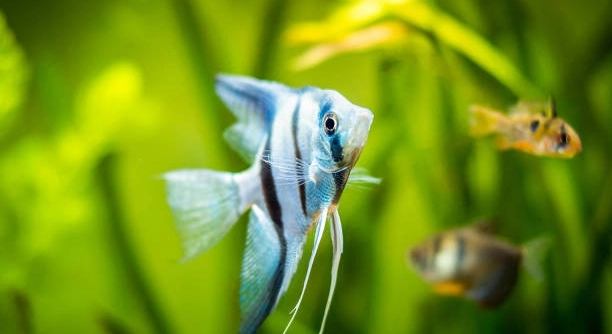
Is your angelfish refusing to swim normally? This behavior can be concerning, as it might signal a deeper issue. Understanding the cause is key to resolving the problem and ensuring your fish remains healthy and happy.
There are several potential reasons why your angelfish may not be swimming normally. Issues such as water quality, illness, injury, stress, or even improper tank setup can all contribute to abnormal swimming behavior. Identifying the cause is essential for treatment.
Understanding these possibilities will help you pinpoint the issue and take steps toward restoring your angelfish’s health and comfort in its environment.
Water Quality Issues
Water quality plays a major role in the health of your angelfish. If the water conditions in your tank are poor, it can stress your fish, making them reluctant to swim. Common problems include high levels of ammonia, nitrites, or nitrates, and poor oxygen levels. These can cause fish to appear lethargic or swim abnormally. Regular water changes and proper filtration are essential in maintaining a healthy aquatic environment.
High ammonia or nitrites can burn your angelfish’s gills, leading to difficulty swimming. It’s vital to test water regularly to ensure these levels remain safe.
To improve water quality, ensure the filtration system is working properly and use an appropriate water conditioner. Test the water every few days and make adjustments as necessary. Keep the tank clean, and consider using live plants to help absorb excess nutrients. Proper water maintenance helps prevent stress and allows your angelfish to swim comfortably.
Illness and Disease
Illness and disease can cause significant changes in swimming patterns. Affected angelfish may swim erratically or stay in one spot for extended periods. Various infections, including parasites and bacterial infections, can affect their balance and mobility.
Stress, weakened immunity, or poor water quality can make your fish more susceptible to illnesses. If your angelfish is showing unusual swimming behavior, it’s crucial to observe for other symptoms such as lesions, fin damage, or a lack of appetite. Identifying and treating the disease early can improve the chances of recovery. Depending on the issue, medication may be needed.
Injury or Trauma
Injuries or trauma can be a major reason for abnormal swimming behavior. If your angelfish has been physically hurt, it may struggle to swim properly. This could be caused by rough handling, tank mates, or collisions with decorations. Fish can also injure themselves by jumping out of the water or getting caught in equipment.
Even minor injuries like fin tears or bruising can make swimming difficult. Check your fish for any signs of physical damage, such as torn fins or swelling. If any injuries are found, isolate the affected fish and offer a stress-free environment to heal.
To prevent further harm, ensure there are no sharp objects or aggressive tank mates that could cause injury. Use appropriate tank accessories to minimize risks. Providing a stress-free environment with minimal disturbance will give your angelfish the best chance of recovery.
Stress and Anxiety
Stress is another common cause of abnormal swimming in angelfish. Changes in the tank environment, poor tank mates, or even sudden movements outside the tank can make your fish anxious. Stress can reduce their desire to swim and make them more prone to illnesses.
If your angelfish is stressed, it might swim erratically or hide in a corner. Look for signs such as rapid breathing, fading colors, or excessive hiding. These symptoms often indicate that the fish is not comfortable in its surroundings. Identifying the cause of stress is crucial to restoring normal behavior.
To alleviate stress, ensure the tank environment is stable and comfortable. Avoid sudden changes to the water temperature or layout, and make sure the fish have enough space. Adding hiding spots and keeping tank mates peaceful can also help reduce anxiety, allowing your angelfish to feel safe again.
Poor Tank Setup
An improperly set-up tank can cause discomfort for your angelfish, affecting their swimming behavior. Issues such as overcrowding, improper water temperature, or inadequate filtration can contribute to abnormal movement. Fish need a balanced, clean environment to thrive and swim naturally.
Ensure your tank has enough space for your angelfish to swim freely. Overcrowding creates stress, and a cramped tank can reduce the fish’s swimming ability. Providing adequate space will help your fish feel more comfortable.
Regularly check water conditions, filtration, and temperature. A stable environment with proper setup reduces stress and helps your angelfish swim normally. If the tank isn’t properly maintained, it’s time to make adjustments.
Overfeeding
Overfeeding can lead to several problems, including poor water quality and bloating, which can make your angelfish swim abnormally. Excess food can cause debris to build up in the water, lowering oxygen levels and increasing toxins.
Control the amount of food given to your fish. Feed them small portions a few times a day, removing any uneaten food after a few minutes. Keeping the tank clean will help avoid water quality issues and prevent bloating, allowing your angelfish to swim freely.
Tank Mates
Tank mates play a significant role in the behavior of your angelfish. Aggressive fish can stress them out, affecting their swimming. It’s important to choose peaceful tank mates that won’t cause harm.
Monitor interactions between your fish and others to ensure no aggression. If necessary, separate aggressive tank mates to reduce stress. Creating a peaceful environment for your angelfish encourages natural swimming behavior and reduces anxiety.
FAQ
Why is my angelfish staying at the bottom of the tank?
Your angelfish may stay at the bottom of the tank due to several reasons, including poor water quality, illness, or stress. If the water is contaminated, the fish may retreat to the lower levels where the water may seem less polluted. Illness, such as swim bladder disease, can also cause your fish to struggle with buoyancy, leading to abnormal swimming or resting at the bottom. Additionally, stress from aggressive tank mates or changes in the environment may result in your angelfish staying at the bottom.
What can I do if my angelfish isn’t swimming normally?
If your angelfish isn’t swimming normally, start by checking the water quality. Test for ammonia, nitrites, and nitrates, ensuring they’re within safe levels. A poor tank setup or inadequate filtration can also contribute to abnormal behavior. Make sure your fish are getting the proper nutrition and avoid overfeeding. If the issue persists, consider isolating your fish in a separate tank to prevent further stress and observe for signs of illness.
Can water temperature affect my angelfish’s swimming?
Yes, water temperature plays a significant role in your angelfish’s swimming behavior. If the temperature is too high or low, it can make your fish sluggish or inactive. Angelfish thrive in a temperature range of 76-82°F (24-28°C). If the water temperature fluctuates too much, it can lead to stress and abnormal swimming. Ensure that your tank has a reliable heater and thermometer to keep the temperature stable.
Is my angelfish sick if it’s swimming upside down?
Swimming upside down is often a sign of swim bladder disease, which affects the fish’s buoyancy. This condition may be caused by poor water quality, overfeeding, or injury. If your angelfish is swimming upside down, check the water quality immediately. Reduce the amount of food you’re giving them and try offering a pea (skinned) to help with digestion. If the behavior persists, it may be necessary to isolate the fish and seek medical treatment.
How can I reduce stress for my angelfish?
Reducing stress for your angelfish starts with ensuring a calm, stable environment. Keep the water quality high, maintain a consistent temperature, and avoid sudden changes in the tank. Ensure the tank isn’t overcrowded, and provide hiding spots so your fish can retreat when feeling threatened. Choosing peaceful tank mates is crucial to prevent bullying and aggression. Minimize loud noises or sudden movements near the tank to avoid startling your fish.
Should I separate an injured angelfish?
Yes, separating an injured angelfish is usually a good idea to allow it to recover without stress from other fish. Put the injured fish in a quarantine tank with clean water, proper filtration, and minimal disturbances. This will give your angelfish a chance to heal without additional pressure. Monitor the injury and, if necessary, treat with appropriate medications or salt baths to promote healing.
Can aggressive tank mates cause swimming problems?
Yes, aggressive tank mates can cause stress and even physical harm to your angelfish, leading to abnormal swimming. If your angelfish is constantly chased or bullied, it may swim erratically or hide more often. In some cases, the stress can lead to illness or injury. Monitor interactions between your fish, and consider removing aggressive species to provide a peaceful environment for your angelfish.
What’s the best way to treat swim bladder disease?
Swim bladder disease can be treated in several ways, depending on the underlying cause. If it’s due to constipation, try feeding your fish a skinned pea, which can help clear the digestive tract. If the issue is caused by water quality, perform a water change and ensure proper filtration. In more severe cases, you may need to isolate your angelfish in a separate tank and consider medicated treatments. If symptoms persist, consulting an aquarium specialist may be necessary.
Can overfeeding cause swimming problems for angelfish?
Yes, overfeeding can lead to various problems, including digestive issues that may affect your angelfish’s ability to swim. When fish are overfed, uneaten food can pollute the water, affecting the water quality and stressing the fish. Overfeeding can also cause bloating and constipation, both of which can interfere with their buoyancy and swimming. It’s important to feed your fish in moderation, removing any uneaten food promptly to maintain clean water conditions.
What should I do if my angelfish won’t eat?
If your angelfish isn’t eating, the first step is to check the water quality. Poor water conditions can cause fish to lose their appetite. Ensure that the temperature is correct and that the tank is clean. It’s also important to check for signs of illness, as fish that are unwell may refuse food. If the water quality and environment are optimal, try offering different types of food to see if your fish prefers one. If the issue persists, isolate the fish in a quiet, stress-free tank and consult a veterinarian if needed.
Final Thoughts
Angelfish are beautiful, peaceful creatures that require a stable environment to thrive. If your angelfish is not swimming normally, it can be a sign of a problem, whether it’s related to water quality, stress, injury, or illness. Addressing the root cause of abnormal swimming behavior is essential for maintaining the health and well-being of your fish. Regularly checking the water quality and making necessary adjustments can help prevent many issues before they escalate.
Providing a comfortable tank setup with appropriate tank mates is also crucial. Overcrowding and aggressive fish can cause significant stress to your angelfish, which affects their behavior, including swimming. Ensure that the tank size is suitable for the number of fish you have, and avoid keeping aggressive species together. The tank environment should include hiding spots where your fish can retreat when feeling stressed. This will help them feel secure and reduce the chances of abnormal swimming.
If your angelfish continues to show signs of abnormal swimming despite addressing these factors, it may be time to isolate the fish and consult a veterinarian. Illnesses like swim bladder disease, parasites, or infections can affect swimming behavior, and proper diagnosis is necessary for effective treatment. By being proactive and attentive to the needs of your angelfish, you can help them recover and maintain a healthy, active lifestyle in your aquarium. Regular maintenance and observation are key to ensuring your fish thrive in a safe and stress-free environment.

Hello,
If you enjoy the content that we create, please consider saying a "Thank You!" by leaving a tip.
Every little bit helps us continue crafting quality advice that supports the health, happiness, and well-being of pets around the world, for pets of all shapes, sizes, and species.
We really appreciate the kindness and support that you show us!