
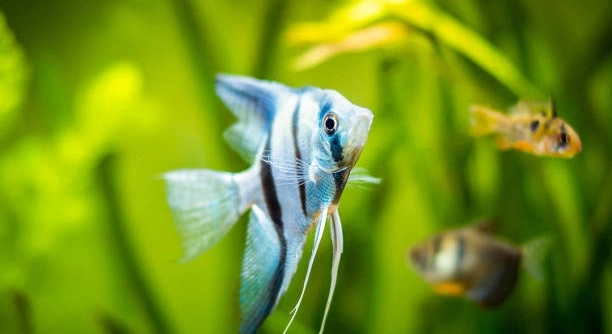
Angelfish are beautiful, peaceful creatures, but sometimes their behavior can be puzzling. One of the most common questions among fish owners is why angelfish seem to ignore their tank mates. Let’s explore the reasons behind this behavior.
Angelfish may ignore their tank mates for several reasons, including territorial instincts, stress, or the presence of dominant fish. Their behavior could also be influenced by water conditions, inadequate space, or even their own health, affecting their social interactions.
Understanding why your angelfish is behaving this way will help you manage the tank environment and keep all fish comfortable. Each factor plays a key role in maintaining harmony in your aquarium.
1. Territorial Behavior of Angelfish
Angelfish are known to be territorial, especially when they feel their space is being threatened. If they are in a tank with other fish, they may choose to ignore tank mates as a way to assert dominance over their area. This is particularly noticeable when there are other fish that may be perceived as competition. When an angelfish establishes its territory, it may act aggressively or simply choose to isolate itself from others. It is their way of ensuring their space is not intruded upon.
Territorial behavior is more common in tanks that are too small for multiple fish to coexist peacefully.
If you notice your angelfish avoiding other tank mates, it’s important to assess the tank’s size and the number of fish. A cramped environment may lead to constant territorial disputes. Ensuring enough space and hiding spots can help angelfish feel less threatened and more relaxed, promoting better social interaction with their tank mates. Additionally, placing fish with similar temperament can reduce stress and allow the angelfish to focus on swimming and exploring, rather than defending its space.
2. Stress and Anxiety in Angelfish
Angelfish are sensitive to changes in their environment.
Any alteration in water quality, temperature, or even the introduction of new fish can cause stress. When stressed, angelfish may retreat from social interactions, including ignoring tank mates. They may exhibit erratic swimming patterns, a loss of appetite, or hide in corners to escape from perceived threats. This type of behavior could lead them to distance themselves from other fish, not because they are hostile, but because they are trying to cope with stress.
Stress can affect angelfish in several ways. They may stop eating, hide more often, or exhibit an overall lack of interest in the rest of the tank. If an angelfish is constantly hiding, it could be due to water fluctuations, poor filtration, or overcrowding. It’s crucial to regularly test water parameters and ensure that the tank environment remains stable. If stress continues, it could weaken their immune system, making them vulnerable to disease. Addressing the cause of stress and providing a calm environment will help your angelfish feel safe again and restore their social behavior.
3. Dominant Fish in the Tank
When there’s a dominant fish in the tank, it can affect the behavior of the angelfish.
Dominant fish often assert control over the tank by being more aggressive. They can push angelfish away from feeding areas or take up space. This constant pressure may lead the angelfish to retreat and avoid interactions with others. The angelfish will simply choose to ignore the dominant fish to avoid confrontation.
To ease this issue, you might need to rearrange the tank’s decorations. Creating more hiding spots and separate spaces will help your angelfish feel secure and reduce aggression. Avoid placing aggressive species in the same tank, as this will only make things worse. With more space and peace, the angelfish may begin to interact more with its tank mates.
4. Poor Water Conditions
Angelfish are highly sensitive to poor water conditions, which can affect their behavior.
If the water parameters, such as temperature, pH, or ammonia levels, are off, your angelfish may stop socializing with its tank mates. They may avoid certain areas of the tank, or even hide away. This behavior can result from trying to cope with a stressful environment. Regular water changes and keeping the filtration system clean will help maintain a stable environment.
Angelfish will thrive in stable water conditions, so frequent checks of water quality are essential. If the water is cloudy or contains harmful substances, it can cause health problems, making your angelfish more likely to ignore others. Ensure the temperature is between 75-82°F and test the water for ammonia and nitrate levels regularly. By providing optimal conditions, your angelfish will feel more comfortable and less likely to isolate itself. Healthy fish are more social and less stressed, which allows them to interact better with tank mates.
5. Illness or Injury
An angelfish may ignore its tank mates if it is feeling unwell.
When an angelfish is sick or injured, it will often isolate itself to avoid being disturbed. This behavior is an instinctive way to rest and recover without the added stress of social interactions. If the fish is not eating or swimming normally, it’s a sign that something might be wrong.
It’s important to observe for any signs of illness, such as changes in appearance or behavior. If an angelfish is acting lethargic or staying in one corner, it could be suffering from disease or injury. In such cases, treating the fish promptly is necessary to ensure its recovery. Keeping the tank clean and monitoring water quality can help prevent further health issues.
6. Mating Behavior
Angelfish can sometimes ignore other tank mates due to mating behavior.
When angelfish are preparing to breed, they may become more territorial and focused on each other. During this time, the fish may avoid other species in the tank, as their primary attention is directed towards mating. This is a temporary phase and usually passes after spawning.
If you have both male and female angelfish in your tank, their behavior may shift when they begin the mating process. They may ignore other fish, not out of aggression, but because their attention is focused on each other. To reduce stress, you can provide a separate breeding area or allow them to interact with minimal tank mate interference. After mating, their behavior should return to normal.
FAQ
Why is my angelfish ignoring its tank mates?
Angelfish may ignore their tank mates for several reasons. One common cause is territorial behavior, where they feel the need to assert dominance over their space. They could also be stressed due to poor water conditions, other dominant fish in the tank, or environmental changes. In some cases, illness or injury can cause them to retreat and ignore others. Additionally, angelfish may focus on mating behavior, leading them to distance themselves from other fish temporarily. Understanding the underlying cause of this behavior can help you manage the situation effectively.
How can I stop my angelfish from being aggressive towards other fish?
To reduce aggression, ensure your tank has enough space and hiding spots for all fish. Overcrowding can lead to territorial disputes. You might also want to avoid introducing overly aggressive species into the tank. Rearranging tank decorations can help break established territories and make your angelfish feel less threatened. Monitoring water quality and reducing stress factors can also contribute to a more peaceful environment for your fish.
Can angelfish live with other species?
Angelfish can generally live with peaceful species of similar size. They are not highly aggressive but can become territorial, especially during breeding. It’s important to choose tank mates that are calm and not too small, as angelfish may see smaller fish as food. Avoid species that are overly territorial or aggressive, as this could stress your angelfish and affect its behavior.
What should I do if my angelfish stops eating?
If your angelfish stops eating, it could be a sign of stress, illness, or poor water conditions. Check your tank’s water parameters to ensure everything is within the right range. If the water is fine, consider whether the fish is stressed by tank mates or changes in the environment. If the fish is showing signs of illness, it may need to be treated separately. Remove any uneaten food promptly to keep the water clean.
How can I tell if my angelfish is stressed?
Signs of stress in angelfish include hiding more often, reduced swimming activity, erratic behavior, and loss of appetite. If your angelfish is constantly staying in one corner or near the surface, it could be trying to avoid other fish or is uncomfortable with the water conditions. Keeping the tank environment stable and ensuring no aggressive tank mates are present can help reduce stress.
What is the best water temperature for angelfish?
Angelfish thrive in water temperatures between 75-82°F (24-28°C). Keeping the temperature within this range is essential for their health. Water that is too cold can cause stress and make the fish more vulnerable to diseases. Ensure the water temperature is stable, as sudden fluctuations can also lead to discomfort or illness.
How can I tell if my angelfish is sick?
Sick angelfish may exhibit several signs, such as swimming erratically, staying near the surface or in hiding, or losing their vibrant color. Physical symptoms like bloating, lesions, or torn fins can also indicate illness. If you notice any of these signs, isolate the fish and treat it according to the condition. Keeping the tank clean and checking water parameters regularly can help prevent illness.
Should I add salt to my angelfish tank?
Adding salt to an angelfish tank is generally not recommended unless you are treating a specific illness. Angelfish are freshwater fish, and most do not tolerate salt well. Using salt in the tank can cause stress and potentially harm the fish. Only add salt if directed by a veterinarian or for specific treatment needs. Always research and ensure it’s necessary before making this change.
Can angelfish live with bettas?
Angelfish and bettas may not always be the best tank mates. While angelfish are peaceful, bettas can be very aggressive, especially toward other males or fish with long fins. However, if the tank is large enough and there are plenty of hiding spots, it may be possible for them to coexist. Be cautious, and monitor their behavior closely to ensure there is no aggression.
How often should I feed my angelfish?
Angelfish should be fed once or twice a day. They are omnivores, so offer a balanced diet that includes high-quality flakes, pellets, and occasional live or frozen foods like brine shrimp. Be sure not to overfeed, as uneaten food can pollute the water and cause health problems.
Final Thoughts
Angelfish are generally peaceful and beautiful fish, but their behavior can sometimes be puzzling, especially when they ignore their tank mates. Understanding the reasons behind this behavior can help improve their living environment and ensure the well-being of all the fish in your tank. Whether it’s territoriality, stress, or even illness, there are a variety of factors that could be influencing your angelfish’s actions. By identifying the cause, you can make changes to the tank setup, water conditions, or even remove stress factors to create a more peaceful and healthy environment for your fish.
Maintaining good water quality and ensuring your angelfish have enough space to swim comfortably are essential steps in preventing behavior issues. Stress caused by overcrowding, aggressive tank mates, or poor water conditions can make even the most peaceful angelfish act in ways that seem odd or unfriendly. By carefully monitoring water parameters, introducing fish with compatible temperaments, and providing plenty of hiding spots and territories, you can reduce stress and help your angelfish thrive in a more peaceful aquarium. Regular water changes and proper filtration can go a long way in keeping your fish healthy and happy.
If your angelfish’s behavior doesn’t improve despite making these changes, it may be worth considering other factors like illness or breeding habits. Sometimes, angelfish will ignore other fish when they are feeling unwell, or they may become temporarily more focused on each other during mating. It’s important to observe your fish closely and act quickly if you suspect any health issues. With a little attention and care, you can ensure that your angelfish have the best possible environment, allowing them to interact with their tank mates peacefully and live a healthy, happy life.

Hello,
If you enjoy the content that we create, please consider saying a "Thank You!" by leaving a tip.
Every little bit helps us continue crafting quality advice that supports the health, happiness, and well-being of pets around the world, for pets of all shapes, sizes, and species.
We really appreciate the kindness and support that you show us!