
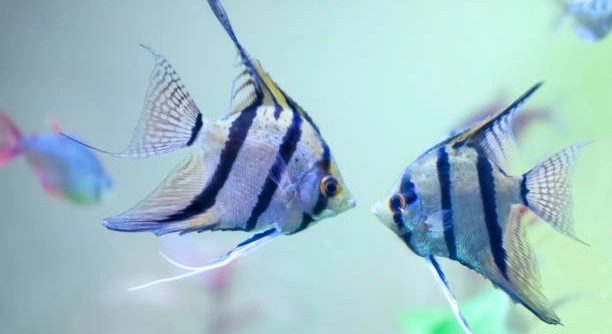
Sometimes, you may notice your angelfish not responding to its surroundings. This can be concerning, especially if you’re used to seeing your fish active and engaging with its environment.
Several factors may explain why your angelfish is not reacting. It could be due to stress, illness, improper water conditions, or even changes in the tank environment. Understanding these possibilities is key to finding the right solution.
Learning the reasons behind your angelfish’s behavior can help you keep it healthy and active. Understanding what affects its environment ensures a happier, more energetic fish.
1. Stress from Tank Mates
Stress can be one of the most common reasons your angelfish might be ignoring its surroundings. If the fish feels threatened by other tank mates, it may hide or show less interest in its environment. This can happen if the fish is being bullied or if there are incompatible species in the tank. Angelfish are peaceful creatures, but they can be sensitive to aggressive fish or too many tank mates in a confined space. Additionally, sudden changes in the tank can cause distress, like adding new fish too quickly or rearranging decorations. It’s important to observe your angelfish and make sure the tank setup is calm and peaceful.
If you notice a lot of aggression, consider rearranging the tank or removing overly aggressive fish.
A proper tank setup should provide enough space for your angelfish to feel secure. Adding hiding spots and separating potential bullies can help reduce stress levels and encourage more active behavior. Stress-free fish are more likely to interact with their environment and display normal activity patterns.
2. Illness or Injury
Sometimes, illness or injury could cause your angelfish to seem unresponsive. When a fish is sick or hurt, it may stop interacting with its surroundings and become lethargic. Look for signs of illness like unusual swimming patterns, faded colors, or abnormal spots on the body. Injuries or infections can cause pain, which may make the fish less active. If you notice any of these signs, isolate the sick fish from the rest of the tank to prevent it from spreading any potential diseases.
A visit to a vet or aquarium expert can help diagnose any health issues.
When a fish is unwell, the key is to quickly address the symptoms and provide the right treatment. For example, you may need to adjust the water temperature, change the water more frequently, or treat the tank with medication. The sooner the issue is handled, the faster the fish can recover and return to its normal behavior.
3. Poor Water Quality
Water quality plays a significant role in the health and behavior of your angelfish. If the water has high ammonia, nitrites, or nitrates, or if the pH level is off, it could cause the fish to become sluggish or unresponsive. Angelfish thrive in clean, well-maintained water with stable parameters. When water conditions are poor, fish may not react to their surroundings and may even exhibit signs of stress or discomfort. Regular water testing and maintenance are necessary to keep the environment safe for your fish.
It’s vital to monitor water parameters regularly to ensure a healthy environment for your angelfish.
To ensure your angelfish is thriving, make sure the tank’s filtration system is working well. Regularly change the water, especially if the tank is heavily stocked, and always use water conditioners to maintain a stable environment. Keeping the water clean and balanced helps your angelfish remain healthy and engaged.
4. Incorrect Water Temperature
Water temperature affects the behavior of your angelfish. If the water is too cold or too hot, your angelfish may become sluggish and less responsive. Angelfish prefer water temperatures between 76°F and 80°F (24°C to 27°C). If the temperature fluctuates outside this range, it can stress the fish and make them inactive.
Check the temperature regularly with an accurate thermometer. If you notice that it is too high or low, adjust the heater accordingly. Sudden temperature changes can be harmful, so try to maintain a consistent environment.
It’s essential to use a good aquarium heater to ensure the water remains at a stable temperature. If the water is consistently out of range, your fish might stop reacting to their surroundings or even become ill. Proper temperature control is one of the simplest ways to keep your angelfish active and healthy.
5. Overfeeding
Overfeeding can lead to uneaten food sinking to the bottom of the tank, which pollutes the water and affects the fish’s health. Angelfish may stop reacting to their surroundings if they feel bloated or uncomfortable due to excess food in their stomachs. A build-up of leftover food can also encourage the growth of harmful bacteria, leading to poor water quality.
Try to feed your angelfish smaller portions, making sure they eat it all within a few minutes. Overfeeding can lead to obesity and lethargy, which can make your fish seem disinterested in their environment.
Monitor your angelfish’s feeding habits closely and avoid offering more food than necessary. You can also remove any leftover food after a short time to prevent it from decomposing. Overfeeding not only affects your fish’s behavior but also contributes to unhealthy water conditions, which can further worsen the situation.
6. Poor Tank Lighting
Poor lighting can affect the mood and behavior of your angelfish. If the tank is too dark, your fish may become disoriented or inactive. Angelfish need moderate lighting to feel comfortable and engaged with their surroundings. Too much light can also stress them out, leading to less movement.
Make sure the lighting in the tank is consistent and not too harsh. A simple 12-hour light cycle is enough for your angelfish to stay active. If you have natural light coming in, adjust the artificial lighting to complement it.
Balance is key when it comes to tank lighting. A dim or overly bright environment can cause your fish to withdraw. Providing the right amount of light will help them stay alert and responsive to their surroundings.
7. Tank Size and Space Limitations
Angelfish require enough space to swim around and explore. If the tank is too small, your fish might feel cramped and less likely to react to its environment. A crowded tank with limited swimming room can lead to stress and inactivity, as fish need space to move freely.
Ensure your angelfish has plenty of room to swim comfortably. A tank size of at least 20 gallons is recommended for a pair of angelfish. The more space you provide, the more likely your fish will stay active and healthy.
Angelfish are naturally curious and enjoy exploring their space. A cramped environment can limit their natural behaviors, leading to apathy. So, giving your angelfish a spacious, comfortable home is essential for its well-being.
FAQ
Why is my angelfish staying in one corner of the tank?
Angelfish staying in one corner may be due to stress, illness, or poor water quality. If the fish is not reacting to its surroundings, it could be trying to avoid aggressive tank mates or struggling with water conditions. Check the water parameters and ensure the fish isn’t injured. If the issue persists, consider isolating the fish to monitor its health more closely.
How do I know if my angelfish is sick?
If your angelfish is showing little interest in its environment, it might be sick. Common signs of illness include fading colors, abnormal swimming (e.g., floating sideways or swimming in circles), clamped fins, and the appearance of spots or lesions. If you see any of these signs, isolate the fish and consult an aquarium expert for a proper diagnosis and treatment.
Can water temperature changes cause my angelfish to stop reacting?
Yes, sudden changes in water temperature can stress your angelfish, causing it to become lethargic and unresponsive. Angelfish prefer stable temperatures between 76°F and 80°F (24°C to 27°C). Rapid shifts can shock the fish, making it less active. Always use a reliable aquarium heater to maintain consistent water temperature.
Is overfeeding affecting my angelfish’s behavior?
Overfeeding can certainly make your angelfish less responsive. When fish are overfed, they can become bloated, and uneaten food can pollute the water. This not only leads to poor water quality but also causes discomfort to the fish, making them less likely to explore or interact with their environment. Feeding in moderation is crucial for healthy, active fish.
What’s the best lighting for my angelfish?
Angelfish require moderate lighting. Too much light can cause stress, while too little can lead to inactivity. A 12-hour light cycle is ideal, ensuring your fish experience a natural day-night rhythm. You can also use adjustable lighting, so it’s not too intense. Keeping the light cycle consistent helps maintain a peaceful and stimulating environment for your fish.
How can I reduce aggression in my angelfish tank?
Aggression among tank mates can lead to stress, making your angelfish unresponsive. To reduce aggression, ensure your tank has enough space and hiding spots. You can also rearrange the tank decor to break up territories and give each fish its own space. If aggression continues, consider separating overly aggressive fish from your angelfish.
Can my angelfish’s water quality be affecting its activity?
Poor water quality is a significant factor in reduced activity for angelfish. Ammonia, nitrites, and high nitrate levels can cause stress and illness, leading to lethargy. Regular water changes, testing water parameters, and maintaining proper filtration are essential for keeping your angelfish active and healthy. Clean water is crucial for optimal fish behavior.
Should I be concerned if my angelfish is hiding a lot?
Hiding can be a sign of stress, illness, or a lack of comfort in the environment. Angelfish naturally seek shelter when they feel threatened, so consider checking for aggressive tank mates, inadequate water conditions, or poor lighting. Providing hiding spots and creating a peaceful tank environment can encourage your angelfish to come out and interact more.
Is it normal for my angelfish to ignore me?
Yes, angelfish may not always react to you directly. While some fish are more social, angelfish tend to be more independent and may not always interact with their owners. If they seem healthy and are active in other ways, there’s no need to worry. However, if they stop reacting to their environment entirely, it could be a sign of an underlying issue.
Can overcrowding make my angelfish stop reacting?
Yes, overcrowding can make your angelfish feel stressed and less likely to engage with its surroundings. Fish in cramped spaces can become agitated, leading to inactive behavior. It’s crucial to provide enough space for each fish to swim and establish its territory. A larger tank with fewer fish will reduce stress and encourage more active behavior.
Final Thoughts
When your angelfish isn’t reacting to its surroundings, it’s important to look at several factors that could be affecting its behavior. Stress, poor water conditions, illness, or even the tank environment can all play a part in how active or inactive your fish is. It’s essential to monitor your fish regularly and ensure the water is clean and at the right temperature. Also, check for signs of aggression from other tank mates or issues with lighting. Keeping a balanced tank environment is key to promoting healthy and active behavior.
One of the first things to consider is the quality of the water. Angelfish are sensitive to changes in water parameters, so it’s important to test the water regularly and make sure the ammonia, nitrites, and nitrates are within safe levels. Poor water quality can lead to stress and illness, both of which can cause your angelfish to become lethargic. A good filtration system and regular water changes will go a long way in keeping your fish active and healthy. Also, don’t forget about water temperature; keeping it within the recommended range for angelfish will help them stay comfortable.
Lastly, remember that a peaceful and spacious tank is necessary for your angelfish to thrive. Angelfish are peaceful fish but can become stressed if they are in close quarters with aggressive tank mates. Providing hiding spots and enough space to swim freely can help them feel secure and more likely to react to their environment. By addressing these common factors, you can help your angelfish stay healthy, active, and engaged with its surroundings. Keeping a close eye on your fish and making the necessary adjustments will ensure that your angelfish remains happy in its home.

Hello,
If you enjoy the content that we create, please consider saying a "Thank You!" by leaving a tip.
Every little bit helps us continue crafting quality advice that supports the health, happiness, and well-being of pets around the world, for pets of all shapes, sizes, and species.
We really appreciate the kindness and support that you show us!