
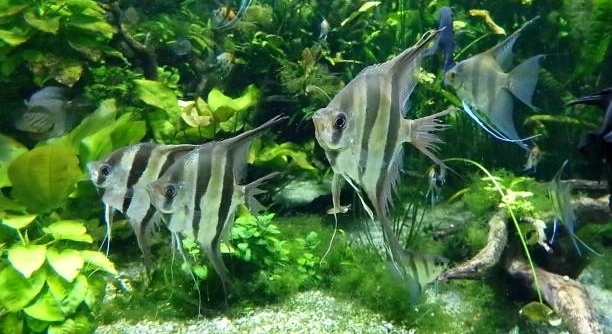
Angelfish are beautiful and popular aquarium fish, known for their graceful movements and vibrant colors. To keep them healthy and happy, it’s important to provide the right environment. Proper tank setup is key to their well-being.
Setting up the right tank for angelfish requires considering water conditions, tank size, filtration, and decorations. A 20-gallon tank is a good starting point, with soft, slightly acidic water and a gentle filtration system to ensure comfort and health.
With the right setup, your angelfish can thrive and become a stunning centerpiece in your home. These tips will guide you in creating a perfect environment for your fish to grow and flourish.
1. Choose the Right Tank Size
Angelfish need plenty of space to swim and grow. A 20-gallon tank is the minimum for one angelfish, but a larger tank is better for keeping them happy and healthy. The more space they have, the less likely they are to feel stressed, which can lead to health issues. Keep in mind, if you plan on having multiple angelfish, you’ll need a bigger tank. A 30-gallon or larger tank is recommended if you want to keep a small group.
A bigger tank also makes it easier to maintain stable water conditions, which is crucial for the well-being of angelfish. It helps reduce the chances of harmful spikes in ammonia or nitrate levels, which can cause serious problems.
Additionally, larger tanks provide more room for decorations and plants, which will give your angelfish a more natural and enriching environment. Make sure to leave some open space for swimming, but also create areas where they can hide or rest. This balance is key to their comfort.
2. Keep Water Conditions Stable
Water quality plays a big role in keeping angelfish healthy. They prefer soft, slightly acidic water with a pH level between 6.8 and 7.5. It’s important to maintain stable water temperature, ideally between 76°F and 82°F, as sudden temperature changes can stress them.
Regular water changes, at least once a week, help remove toxins and prevent the build-up of harmful substances. Be sure to test the water for ammonia, nitrites, and nitrates regularly. Use a good water conditioner to remove chlorine or chloramine from tap water, which can be harmful to fish.
Investing in a good water testing kit and adjusting water conditions when needed will ensure that your angelfish live in a safe and healthy environment. A consistent routine can help you avoid common water quality issues that lead to illness.
3. Select Proper Filtration
Filtration is essential for maintaining a healthy tank environment. Angelfish are sensitive to poor water quality, so a high-quality filter is necessary to keep the water clean and oxygenated. A filter rated for a tank size larger than yours is a good idea, as it will provide better water movement and filtration.
You should aim for gentle water flow, as angelfish prefer calm waters. A strong filter can stress them out, so make sure the water flow is not too strong for their liking. A sponge filter or a filter with an adjustable flow rate can be a great option.
Check your filter regularly and clean it to prevent clogging. Keeping the filter in good condition is important to ensure that it continues to do its job of maintaining water quality. Make sure it’s running efficiently for the health of your fish.
4. Add Natural Decorations and Plants
Adding plants and decorations to the tank not only makes it look beautiful but also provides a more comfortable environment for your angelfish. Plants offer hiding spots, which help reduce stress and provide security. Angelfish appreciate places to retreat to when they feel threatened.
Live plants are a great choice because they also help improve water quality. They absorb excess nutrients, such as nitrates, that could otherwise lead to algae blooms or poor water quality. Anubias, Java fern, and Amazon sword are some of the best plant options for angelfish tanks.
When adding decorations, be careful of sharp objects that could injure your fish. Rocks, driftwood, and soft decorations like artificial plants can add variety and create a more natural setting. Keep the tank layout simple yet enriching, as angelfish need both swimming space and safe spots to rest.
5. Maintain Regular Water Changes
Regular water changes are an easy way to maintain the health of your angelfish. The ideal is to change 10-15% of the water every week to ensure that toxins like ammonia and nitrates are kept in check. This also helps to replenish trace elements and minerals that your fish need.
When doing a water change, always use a siphon to remove debris from the substrate, such as leftover food and fish waste. These materials can break down and harm the water quality if left unchecked. It’s also important to check the water temperature before adding new water to the tank, so you don’t shock your fish.
During water changes, take the opportunity to test the water and check for any changes in pH, ammonia, or nitrate levels. If you notice any issues, address them immediately to keep your angelfish in top condition. A consistent water change schedule will go a long way in maintaining a healthy tank.
6. Avoid Overcrowding the Tank
Overcrowding is a common mistake when setting up an aquarium. Angelfish need space to swim and grow, so cramming too many into a small tank can lead to stress and aggression. When you overcrowd the tank, it becomes harder to maintain good water quality, which increases the risk of diseases.
A 20-gallon tank is perfect for one or two angelfish, but if you plan to add more fish, you’ll need a larger tank. A general rule is to allow at least 10 gallons of water per adult angelfish. Keeping the right number of fish in the tank will help maintain better water quality and ensure that each fish has enough space to thrive.
In addition to reducing stress, keeping fewer fish will also help prevent territorial conflicts. Angelfish are peaceful by nature but can become aggressive when they feel crowded. By carefully managing the number of fish in your tank, you can keep your angelfish calm and happy.
7. Monitor Your Fish’s Health
Regularly monitor your angelfish for any signs of illness. Healthy angelfish are active, have clear eyes, and exhibit vibrant colors. If you notice any changes in behavior, such as lethargy, faded colors, or unusual swimming patterns, it may be time to check water quality or seek advice from a vet.
It’s important to quarantine any new fish before introducing them to your main tank. This helps prevent the spread of diseases that could affect your angelfish. A separate quarantine tank allows you to observe new arrivals for any potential issues, reducing the risk of contamination.
Lastly, watch for any signs of aggression or bullying among your angelfish. Though they are generally peaceful, they may act aggressively if their space is limited or if there are too many fish. Keeping a watchful eye on your angelfish will help ensure they stay healthy and comfortable.
8. Use a Proper Heater
A heater is essential for maintaining a stable temperature in your tank. Angelfish thrive in warmer water, and sudden temperature fluctuations can cause stress. A reliable heater will ensure the water stays in the ideal range of 76°F to 82°F, making your angelfish comfortable.
It’s best to choose a heater rated for your tank size. Submersible heaters are often preferred, as they are more efficient and evenly distribute heat. Place the heater near the filter, so the water is evenly heated throughout the tank.
Invest in a good-quality thermostat to avoid overheating. Regularly check the heater to ensure it’s functioning correctly. If the water temperature isn’t steady, it can stress your fish and lead to health issues. Always have a thermometer in the tank to monitor the temperature closely.
9. Be Cautious with Tank Mates
Choosing the right tank mates for your angelfish is crucial for their well-being. Angelfish are peaceful but can become territorial, especially when breeding. Avoid housing them with aggressive or very small fish that might become targets of their aggression.
Good tank mates for angelfish include peaceful species like tetras, mollies, and catfish. These fish tend to keep to themselves and won’t provoke your angelfish. Avoid placing fast-moving or overly assertive fish in the same tank, as this can cause stress.
It’s also important to consider the size of your tank. Overcrowding, combined with incompatible tank mates, can lead to aggression. Always research the needs and behaviors of any fish before adding them to your angelfish tank to maintain a peaceful community.
10. Avoid Overfeeding
Overfeeding is a common mistake when keeping angelfish. Too much food leads to water pollution and can cause health issues like obesity or digestive problems. Feed them small amounts 1-2 times per day and remove any uneaten food after a few minutes.
It’s best to stick to a balanced diet of high-quality flakes, pellets, and occasional live or frozen food like bloodworms. Keep a close eye on the amount of food you’re offering to avoid overfeeding. Angelfish have small stomachs, so it’s important not to give them more than they can consume in a few minutes.
Feeding in moderation will not only help keep the water clean but also ensure your angelfish are healthy and active. Maintaining a consistent feeding routine will prevent unnecessary stress on both the fish and the tank environment.
11. Provide Proper Lighting
Proper lighting is key to creating a healthy environment for angelfish. They thrive in tanks with natural or aquarium lighting that mimics their natural habitat. Angelfish do best with 10-12 hours of light per day. Too much light can cause stress or promote algae growth, while too little light can affect their activity levels and overall health.
Invest in a quality aquarium light that can be adjusted for different brightness levels. You can use a timer to make sure the lighting is consistent, helping to maintain a regular day-night cycle for your angelfish. Angelfish are sensitive to abrupt changes in their environment, including lighting.
Keep the light intensity low to moderate, as harsh lighting can cause stress or prevent your angelfish from feeling secure. Providing a stable, natural lighting environment can enhance their colors and promote healthy behaviors. Proper lighting supports both their biological rhythms and the growth of plants in the tank.
12. Avoid Harsh Chemicals
Harsh chemicals, including medications or water treatments, should be used sparingly in your angelfish tank. These substances can harm your fish and disrupt the balance of the tank’s ecosystem. Always opt for natural solutions when possible and avoid adding chemicals unless absolutely necessary.
Before using any chemical treatment, ensure that it is safe for angelfish. Some medications or water conditioners can cause adverse reactions or affect the water quality. If you’re dealing with a problem like algae or parasites, consider using fish-safe remedies and follow the instructions carefully.
Maintaining a healthy tank environment without relying too heavily on chemicals is a better approach for long-term success. Keeping the tank clean, monitoring water quality, and addressing issues early will help prevent the need for harsh chemicals.
FAQ
How often should I feed my angelfish?
Angelfish should be fed once or twice a day. Offer small portions of food that they can consume within a few minutes. Overfeeding can lead to water pollution, poor water quality, and health problems like obesity. Be mindful of leftover food and remove any that’s not eaten.
What is the best water temperature for angelfish?
Angelfish thrive in water temperatures between 76°F and 82°F. Maintaining a consistent temperature within this range is crucial for their health. Too hot or too cold water can cause stress and lead to diseases. A reliable heater with a thermometer will help keep the water at a stable temperature.
Can angelfish live with other fish?
Yes, angelfish can live with other fish, but it’s important to choose compatible tank mates. Peaceful species like tetras, mollies, and corydoras catfish are good options. Avoid aggressive or very small fish that could be seen as a threat or meal. Also, ensure the tank has enough space to avoid territorial conflicts.
How long do angelfish live in a tank?
With proper care, angelfish can live up to 10 years or more in captivity. Their lifespan depends on water quality, tank conditions, and their diet. Keeping the tank clean, maintaining stable water parameters, and providing a balanced diet will help your angelfish live a long, healthy life.
Do angelfish need a filter?
Yes, angelfish need a filter to maintain clean water. A good filter helps remove toxins like ammonia and nitrates, keeping the water safe for your fish. Choose a filter that provides gentle water flow, as angelfish don’t do well in strong currents. Regular filter maintenance is essential to ensure it works efficiently.
How do I know if my angelfish are sick?
Signs of illness in angelfish include faded colors, lethargy, abnormal swimming behavior, or visible spots or lesions on their bodies. If you notice any changes in their behavior, check the water quality immediately. Poor water conditions are often the cause of illness, so regular water tests are essential.
Can I keep angelfish in a tank with plants?
Yes, angelfish do well in planted tanks. Live plants provide hiding spots and help improve water quality by absorbing excess nutrients. Choose plants that can tolerate warm water, such as Java ferns, Anubias, or Amazon swords. Avoid sharp plants or decorations that could harm your angelfish.
What size tank do I need for angelfish?
A 20-gallon tank is the minimum size for one angelfish. However, a larger tank is better for keeping multiple angelfish or other species. If you plan to keep a small group of angelfish, aim for a 30-gallon or larger tank. A larger tank makes it easier to maintain water quality and reduces stress for your fish.
Why are my angelfish aggressive?
Angelfish can become aggressive if they feel crowded, threatened, or stressed. Territorial behavior often occurs during breeding, especially in smaller tanks. Providing ample space, hiding spots, and a peaceful environment can help reduce aggression. Avoid overcrowding and monitor the behavior of your fish closely.
Can angelfish breed in a community tank?
Yes, angelfish can breed in a community tank, but there are a few things to keep in mind. The breeding pair will become more territorial and may defend their eggs or fry. If you don’t want them to breed, it’s best to separate the breeding pair or provide additional space for them to feel secure.
How often should I change the water in an angelfish tank?
You should change 10-15% of the water in your angelfish tank every week. This helps keep the water clean and removes harmful substances like ammonia, nitrites, and nitrates. Regular water changes will also help maintain stable water conditions, which are crucial for the health of your angelfish.
What should I do if my angelfish is not eating?
If your angelfish refuses to eat, it could be due to stress, water quality issues, or illness. Check the water parameters to ensure they’re within the ideal range. Offer a variety of foods to see if your angelfish prefers something different. If the problem persists, consult a vet.
How do I prevent algae in my angelfish tank?
To prevent algae growth, maintain good water quality, avoid overfeeding, and ensure the tank gets the right amount of light. Overexposure to light can encourage algae growth, so limit lighting to 10-12 hours per day. Adding algae-eating fish or snails can also help keep algae in check.
What type of food should I feed my angelfish?
Angelfish are omnivores, so they need a balanced diet that includes both plant and animal-based foods. High-quality flakes or pellets should make up the majority of their diet. You can supplement with live or frozen food like bloodworms, brine shrimp, or daphnia. Make sure to vary their food to provide essential nutrients.
Can I use tap water for my angelfish tank?
Tap water is generally safe for angelfish, but it often contains chlorine, chloramine, or minerals that could harm your fish. Use a water conditioner to remove these chemicals before adding it to the tank. It’s also a good idea to test the water for pH and hardness before using it in the aquarium.
Why are my angelfish losing color?
Loss of color in angelfish can be caused by poor water quality, stress, or illness. Check the water parameters and perform a water change if necessary. Stress from overcrowding or aggressive tank mates can also cause them to lose color. A healthy, well-maintained environment will help them maintain their vibrant colors.
Should I remove uneaten food from the tank?
Yes, uneaten food should be removed from the tank after feeding. Leaving food in the tank can pollute the water and lead to harmful spikes in ammonia and nitrate levels. It also creates a breeding ground for bacteria and can cause water quality issues. Always clean up after feeding.
Do angelfish need hiding spots?
Angelfish do well with hiding spots in the tank. While they’re not as shy as some other fish, they appreciate having a place to retreat when they feel threatened. Live plants, driftwood, or rocks can provide safe hiding spots. Having these areas helps reduce stress and makes them feel secure.
Final Thoughts
Setting up and maintaining a tank for angelfish requires attention to detail and consistency, but the effort is worth it. Angelfish are beautiful, peaceful fish that can thrive in a well-maintained environment. Ensuring they have the right tank size, proper water conditions, and compatible tank mates is essential to their health. By taking care to monitor water quality, feed them properly, and provide a stress-free environment, you can enjoy your angelfish for many years to come.
One important factor to keep in mind is that angelfish are sensitive to changes in their environment. This means you’ll need to be proactive in maintaining stable conditions. Regular water changes, proper filtration, and consistent water temperature are key aspects of keeping your angelfish healthy. It’s also essential to avoid overcrowding and overfeeding, both of which can cause stress and water quality issues. By staying on top of these factors, you can create a thriving tank for your fish.
Lastly, don’t forget that angelfish, like all aquarium fish, require care and attention. It’s easy to get caught up in the beauty of these fish and forget that they depend on their environment for survival. Keep their needs in mind when choosing tank mates, adding plants, and selecting the right filtration system. If you give them the right space, care, and environment, your angelfish will not only survive but will also thrive, adding beauty and serenity to your aquarium.

Hello,
If you enjoy the content that we create, please consider saying a "Thank You!" by leaving a tip.
Every little bit helps us continue crafting quality advice that supports the health, happiness, and well-being of pets around the world, for pets of all shapes, sizes, and species.
We really appreciate the kindness and support that you show us!