
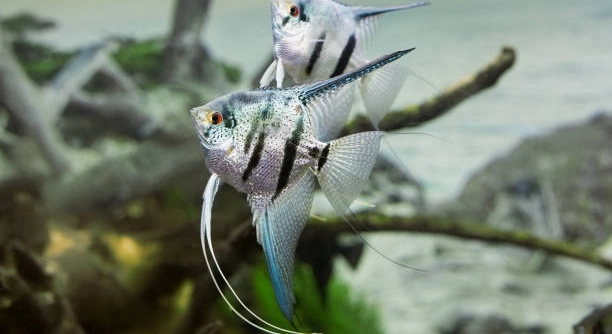
Angelfish are beautiful, calming creatures that make a lovely addition to any aquarium. However, you may notice that your angelfish spends a lot of time hovering near the tank lid. Understanding why they do this can help improve their well-being.
Angelfish may hover near the tank lid due to factors such as oxygen levels, water quality, or environmental stress. This behavior is often a sign of discomfort or an attempt to reach for a more comfortable space.
Understanding these underlying causes can help you make the necessary adjustments to keep your angelfish healthy and happy in its environment.
Oxygen Levels in the Tank
Angelfish are sensitive to oxygen levels in the water. If your tank is lacking enough oxygen, your fish may hover near the surface, where oxygen levels are usually higher. This is a natural behavior that allows them to access more breathable water. Oxygen depletion can be caused by several factors, such as overcrowding, excessive waste, or poor water circulation.
Sometimes, a simple fix like adjusting the filter or adding an air stone can help. Ensuring the water is properly oxygenated can improve your angelfish’s comfort and reduce their hovering. Regularly cleaning the tank and changing the water also helps maintain good oxygen levels.
If the oxygen levels are too low, your fish may become stressed and develop health issues. It’s important to monitor water quality frequently and keep the tank well-maintained. This will not only help your angelfish but also create a more comfortable environment for other fish living in the same tank.
Water Quality and Filtration
Water quality is crucial for all fish, including angelfish. Poor water conditions, like high ammonia or nitrate levels, can make them uncomfortable.
Dirty water can lead to hovering behavior as they try to avoid harmful substances. Regular testing and water changes are essential for maintaining healthy water parameters.
Tank Size and Overcrowding
Angelfish need ample space to swim freely. If the tank is too small or overcrowded, your fish may feel stressed, causing them to hover near the surface. Overcrowding reduces water quality and oxygen levels, making it even more difficult for angelfish to thrive.
A tank that is at least 20 gallons is ideal for a pair of angelfish, though a larger tank is always better. When there are too many fish, territorial disputes can arise, and your angelfish may be trying to escape the tension by staying near the lid. A proper tank size gives your angelfish the space they need to feel secure and healthy.
Moving to a larger tank or reducing the number of fish will reduce stress. This change can lead to improved swimming patterns, better overall health, and a more relaxed environment for your angelfish. Proper tank size ensures the well-being of all your fish, keeping them happy and less likely to hover near the surface.
Water Temperature
Angelfish are tropical fish, which means they thrive in warm water. A sudden change in temperature, either too hot or too cold, can cause them to hover near the surface in search of a more comfortable spot.
Maintaining a consistent water temperature between 76°F and 82°F is essential. Temperature fluctuations can lead to stress and can also weaken their immune system, making them more susceptible to illness. Using a reliable heater with a thermometer ensures the water stays within the ideal range for your angelfish.
If the water is too cold or warm, angelfish may try to adjust by swimming near the surface. Be mindful of your tank’s temperature and avoid placing it in areas where it could be affected by drafts, direct sunlight, or rapid temperature changes. This will keep your angelfish calm and active.
Stress and Anxiety
Angelfish are sensitive to their environment, and any sudden change can lead to stress. New tankmates, loud noises, or even changes in lighting can make them hover near the tank lid. Stress can also affect their immune system, leading to further health issues.
Consistent, calm conditions are crucial for their well-being. If you’ve recently introduced new fish or made changes to the tank setup, the angelfish may need time to adjust. Watching for signs of stress, such as hiding or loss of appetite, will help you address the issue early on.
Making the tank environment as stable as possible will help reduce stress. Avoid making frequent changes, and try to introduce new elements slowly. Providing hiding spots and stable lighting can also help your angelfish feel secure and comfortable.
Poor Water Circulation
Good water flow is important for your angelfish’s health. Poor water circulation can cause areas of stagnation, where oxygen levels are lower, forcing your fish to hover near the surface. This can also result in waste buildup.
Ensure that your filter is running efficiently and that the water is flowing smoothly. Proper water circulation helps distribute oxygen throughout the tank, providing all your fish with access to fresh, clean water. It’s worth adjusting the filter or adding additional water movement to improve conditions.
Illness or Injury
If your angelfish is sick or injured, it may hover near the surface to avoid competition or to find more oxygen. Pay close attention to any changes in behavior or physical signs of illness.
FAQ
Why is my angelfish constantly at the top of the tank?
If your angelfish is always hovering at the top, it could be due to low oxygen levels in the water. Angelfish naturally swim near the surface if they’re struggling to breathe, as this area often has higher oxygen concentrations. Ensure your tank is well-oxygenated by using an air stone or adjusting the filter for better water circulation. Low oxygen can also be linked to poor water quality, so regular water changes and tank maintenance are essential.
Can overcrowding cause angelfish to hover near the surface?
Yes, overcrowding can definitely cause your angelfish to hover near the tank lid. When there are too many fish in a small tank, oxygen levels can drop, and the fish feel stressed. This stress can lead to hovering behavior. A larger tank or reducing the number of fish in the tank can help reduce stress and encourage your angelfish to swim comfortably at all levels of the tank. Keeping a proper fish-to-tank ratio is key to ensuring the well-being of all your aquarium inhabitants.
Is it normal for angelfish to swim at the surface occasionally?
It’s not uncommon for angelfish to swim at the surface occasionally, especially if they are looking for food or simply exploring. However, if your angelfish seems to be staying near the surface for extended periods or appears to be struggling, this could indicate a problem such as low oxygen levels, poor water quality, or illness. It’s important to observe their behavior closely and ensure their environment is ideal for their health.
How can I improve oxygen levels for my angelfish?
To improve oxygen levels, make sure your tank has a good filter and water movement. An air stone or a sponge filter can also help add more oxygen to the water. Additionally, performing regular water changes, cleaning the substrate, and ensuring proper filtration will keep oxygen levels high. Plants can also help oxygenate the water, but you must ensure the tank isn’t overcrowded, as this can have the opposite effect.
Can water temperature cause angelfish to hover near the top?
Yes, temperature fluctuations can cause your angelfish to hover near the surface. Angelfish prefer a stable temperature between 76°F and 82°F. If the water is too cold, they may swim to the surface to find warmer spots. If the temperature is too high, the oxygen levels in the tank can drop, and the fish may hover near the surface where oxygen is more available. Use a reliable heater to keep the temperature consistent and avoid sudden changes that could stress your fish.
What can I do if my angelfish is stressed?
Stress in angelfish can stem from a variety of factors, including tankmate aggression, poor water quality, or environmental changes. To reduce stress, ensure your angelfish has plenty of space to swim and consider adding hiding spots to the tank. Also, try to avoid making sudden changes in the tank, like altering the water chemistry or introducing new fish too quickly. If you notice signs of stress, such as loss of appetite or erratic swimming, check the water parameters and try to improve the tank’s conditions.
How often should I change the water in my angelfish tank?
Regular water changes are crucial for maintaining a healthy tank. For angelfish, changing 20-30% of the water every week is recommended, depending on tank size and the number of fish. This helps to remove waste, maintain good oxygen levels, and keep harmful toxins like ammonia and nitrates in check. It’s important to test the water regularly to ensure the levels of ammonia, nitrites, and nitrates are within safe ranges for your angelfish.
Can my angelfish’s hovering behavior be a sign of illness?
Yes, hovering behavior can sometimes be a sign of illness, especially if it’s accompanied by other symptoms like unusual swimming patterns, lack of appetite, or visible sores. Common illnesses, such as swim bladder disease or parasites, can cause angelfish to behave oddly. If you suspect illness, check the water quality, and observe the fish for any changes in their physical appearance. Consulting a vet or an aquarium expert may be necessary if you can’t identify the cause.
Why is my angelfish staying near the surface but not eating?
If your angelfish is staying near the surface and not eating, this could indicate a problem with water quality, temperature, or a potential illness. If the water is too dirty or oxygen levels are low, your angelfish might be too stressed to eat. Similarly, if the temperature is fluctuating, it may not feel comfortable enough to feed. Check the tank conditions and make sure they’re within the ideal range. If the fish is still not eating, consider consulting an expert to rule out health issues.
Could I be overfeeding my angelfish?
Overfeeding can lead to poor water quality, which in turn can cause your angelfish to hover near the surface. Leftover food decays, raising ammonia levels and depleting oxygen in the tank. To avoid this, only feed your angelfish what they can consume in a few minutes, and remove any excess food. Proper feeding habits will help maintain water quality and reduce stress on your fish, encouraging them to swim freely without resorting to hovering at the surface.
Can tank lighting affect my angelfish’s behavior?
Yes, tank lighting can affect your angelfish’s behavior. Too much bright light can stress them out, causing them to hover near the surface or hide. Angelfish prefer a dim, natural lighting environment. Make sure your tank lighting is on a timer, mimicking the natural day-night cycle to help your fish feel comfortable. Avoid using harsh lighting, and if your tank has bright lighting for plants, consider using shading or floating plants to diffuse the light and create a more relaxed atmosphere for your fish.
Final Thoughts
Understanding why your angelfish is hovering near the tank lid can help improve their health and well-being. It’s important to recognize that this behavior often points to environmental factors such as low oxygen levels, water quality, or stress. Angelfish are delicate creatures, and small changes in their environment can have a big impact on their behavior. Monitoring water conditions, providing enough space, and reducing stress are essential for creating a comfortable home for your fish.
If you notice that your angelfish is constantly hovering near the surface, start by checking the water quality. Test for ammonia, nitrites, and nitrates, and make sure oxygen levels are sufficient. Regular water changes and maintaining good filtration are key steps in keeping the water clean and oxygenated. Temperature and water flow also play a role, so ensuring the tank is within the right temperature range and has proper circulation can prevent discomfort. By adjusting these factors, you can address many of the common reasons for hovering behavior.
It’s also important to be patient and give your angelfish time to adjust to any changes. If you’ve recently introduced new fish, rearranged the tank, or altered the lighting, your angelfish may need time to feel secure again. By keeping a consistent and stable environment, you can reduce stress and encourage healthier, more natural behaviors. Regular monitoring and maintenance will help ensure that your angelfish remains happy and active, not only preventing hovering but also promoting their overall well-being.

Hello,
If you enjoy the content that we create, please consider saying a "Thank You!" by leaving a tip.
Every little bit helps us continue crafting quality advice that supports the health, happiness, and well-being of pets around the world, for pets of all shapes, sizes, and species.
We really appreciate the kindness and support that you show us!