
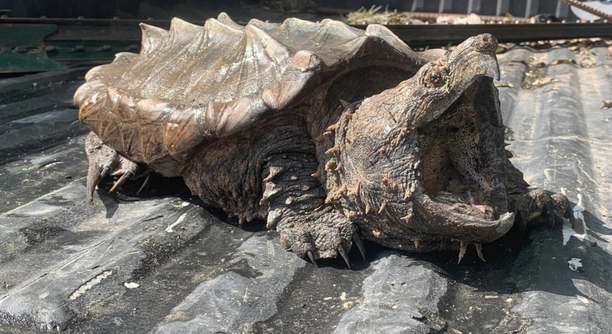
Alligator snapping turtles are fascinating creatures with unique behaviors. Sometimes, they may refuse to leave the water, which can be concerning for their owners. Understanding the causes behind this behavior can help address any issues.
The most common reasons for an alligator snapping turtle’s refusal to leave the water are environmental stress, temperature fluctuations, or health concerns. A lack of proper basking spots or a sudden change in water conditions can also contribute to this behavior.
By considering these factors, you can ensure your turtle’s well-being and make adjustments that may encourage it to bask outside the water more regularly.
Common Environmental Factors Affecting Your Alligator Snapping Turtle
Your alligator snapping turtle’s reluctance to leave the water could be due to its environment. These turtles are aquatic creatures, and they feel more comfortable in water. If their habitat is too hot or cold, it could discourage them from basking. Alligator snapping turtles need stable water temperatures to thrive, typically between 72°F and 78°F. If the temperature fluctuates, they may prefer staying submerged where they feel safer.
A tank that doesn’t mimic their natural environment can cause stress. If the water isn’t clean, or if there are no hiding spots or places to bask, the turtle might avoid leaving the water. Turtles seek places where they feel secure, and if those spots aren’t available, they stay in their comfort zone.
Creating an environment that suits their natural instincts is crucial. Offering basking spots that are easily accessible, ensuring clean water, and maintaining a consistent temperature can encourage your turtle to spend more time outside of the water.
Temperature and Lighting Conditions
Turtles rely on heat from the sun to regulate their body temperature. If the temperature in their environment is too low or too high, they may refuse to come out of the water. Alligator snapping turtles require UVB lighting, especially if they live in captivity. Without it, they cannot properly digest food or absorb calcium. Insufficient UVB can make your turtle feel lethargic and less likely to bask.
Proper lighting and a warm basking area with temperatures between 85°F and 90°F can help your turtle feel more comfortable. If these conditions aren’t met, it’s likely that your turtle will stay submerged, as it cannot regulate its body heat or get the necessary exposure to UVB rays.
Creating the ideal conditions will help keep your turtle healthy and more willing to come out of the water. Proper lighting and temperature control play an essential role in promoting active behavior.
Health Concerns and Illness
Illness is another factor that could cause your alligator snapping turtle to stay in the water. If your turtle is unwell, it may avoid basking and prefer staying submerged. Common issues such as shell rot, respiratory infections, or parasites can cause discomfort and reduce activity levels.
If your turtle is showing signs of lethargy, abnormal behavior, or difficulty moving, it’s important to check for signs of illness. Consult a vet to address any health concerns. A healthy turtle will typically bask and explore its environment more actively. Health problems can significantly reduce their energy levels and cause them to stay in water.
Regular check-ups and maintaining a clean, well-kept habitat can reduce the chances of illness. If your turtle has stopped basking or seems unwell, early intervention is essential. Identifying health issues early can help keep your turtle in better shape and more active.
Stress and Behavior Changes
Turtles are sensitive creatures, and stress can affect their behavior. Stressors can include sudden changes in their environment, such as new tank mates, loud noises, or being handled too much. Stress can make your turtle more hesitant to leave the water.
If your turtle feels threatened or overwhelmed, it might retreat to the water for safety. It’s essential to provide a calm and peaceful environment to help reduce stress. Ensure that your turtle has enough space, proper hiding spots, and a consistent routine. Stress can lead to long-term health issues if not addressed.
Giving your turtle a stable, peaceful habitat is crucial for its well-being. Keeping handling to a minimum and being mindful of environmental changes will help reduce stress. Reducing stress can encourage your turtle to feel more comfortable and active.
Tank Size and Setup
An inadequate tank size can prevent your alligator snapping turtle from leaving the water. If the tank is too small or lacks proper hiding spots, your turtle may feel confined and choose to stay submerged. A larger tank provides more space for movement, which is vital for their well-being.
A proper setup with clean water, hiding spots, and a secure basking area can help reduce stress and encourage your turtle to explore more. The right tank size allows your turtle to feel safe and provides a space to naturally exhibit its behavior.
Basking Area Access
Access to a good basking spot is crucial. If your turtle cannot easily reach its basking area, it will likely avoid leaving the water. Ensure the basking platform is easy for your turtle to climb onto, allowing it to dry out and get warm.
A well-designed basking spot provides comfort and security. It’s essential that it’s large enough for your turtle to move freely and high enough for it to be above the water. This will make your turtle more likely to use it and spend time out of the water.
Water Quality and Filtration
Dirty or poorly filtered water can drive your turtle to stay in the water longer. Proper filtration is essential to maintain clean, clear water and prevent bacterial growth. Alligator snapping turtles are sensitive to water quality, and poor conditions can lead to stress and reluctance to leave the water.
FAQ
Why won’t my alligator snapping turtle come out of the water?
There are several reasons your turtle might stay in the water. Common causes include improper water temperature, stress, illness, or lack of proper basking spots. Turtles are sensitive to changes in their environment, so make sure your tank conditions are stable. Ensure that the water temperature is between 72°F and 78°F, and that there is a clean, accessible basking area. If your turtle is showing signs of illness, it may avoid basking due to discomfort. Regularly check water quality and make adjustments as needed.
Can my turtle be sick if it doesn’t leave the water?
Yes, illness can prevent your alligator snapping turtle from leaving the water. Health problems like respiratory infections, shell rot, or parasites can cause lethargy or discomfort, leading to a lack of interest in basking. If you notice abnormal behavior, such as hiding or difficulty moving, it’s important to seek veterinary care. A sick turtle may prefer the water for the added comfort and to stay cool. Keep an eye on your turtle’s eating habits and behavior for any signs of health issues.
How can I encourage my turtle to leave the water?
Encouraging your turtle to leave the water starts with creating a comfortable environment. Ensure the water temperature is in the correct range and that your turtle has access to a clean, well-maintained basking area. Make sure there are no stressors, like loud noises or overcrowding, that might be discouraging your turtle from leaving the water. Providing plenty of hiding spots and keeping the habitat calm will help your turtle feel safe enough to leave the water and bask.
How often should I clean my alligator snapping turtle’s tank?
It’s essential to clean your turtle’s tank regularly to maintain good water quality. The tank should be cleaned at least once a week, with partial water changes every 1-2 weeks to remove waste and excess nutrients. You should also check the water filter and clean it as needed to ensure it functions correctly. A clean tank reduces the risk of bacterial growth and keeps your turtle healthy, which can also encourage more active behavior, including basking.
Can I use a heat lamp instead of UVB lighting?
While a heat lamp is important for maintaining proper basking temperatures, it cannot replace UVB lighting. UVB light is necessary for your alligator snapping turtle to properly digest food, absorb calcium, and maintain healthy shell growth. Without UVB light, your turtle may develop metabolic bone disease, which can lead to long-term health issues. A combination of both heat and UVB lamps is essential to recreate a natural environment for your turtle.
Is my alligator snapping turtle too young to bask?
Alligator snapping turtles, like other turtles, can start basking once they are a few months old. In fact, basking is an important part of their growth process. As they grow, they need access to UVB light and warmth to help their bones and shell develop properly. If your turtle is not basking, check the environment for any potential issues. It could be a sign of poor water quality, improper temperature, or lack of a suitable basking area.
Why does my turtle spend all its time at the bottom of the tank?
Spending time at the bottom of the tank is normal behavior for alligator snapping turtles, especially since they are primarily aquatic. However, if your turtle refuses to leave the bottom or appears lethargic, it may indicate an issue with the tank setup, such as water temperature, quality, or stress. It could also be a sign of illness. Observe the turtle for any signs of discomfort or other abnormal behaviors. If the issue persists, consult a vet.
What should I do if my turtle is not eating?
If your alligator snapping turtle is not eating, it could be due to stress, an improper diet, water temperature issues, or illness. First, ensure the tank’s water temperature is within the correct range and check for any signs of illness, such as lethargy or abnormal behavior. If your turtle’s appetite doesn’t improve, try offering a variety of foods, such as aquatic plants, insects, or commercial turtle pellets. If the lack of appetite continues, a visit to the vet may be necessary to rule out health issues.
How can I tell if my turtle is stressed?
Stress in alligator snapping turtles can manifest in several ways. Signs of stress may include refusing to bask, hiding for extended periods, loss of appetite, or swimming frantically. Stress can be caused by poor water quality, overcrowding, loud noises, or frequent handling. To reduce stress, maintain a calm environment, ensure the tank is properly set up, and avoid sudden changes in their habitat. Creating a peaceful and secure environment will help your turtle feel safe enough to explore and bask.
Is my tank too small for my alligator snapping turtle?
A small tank can restrict your turtle’s movement and make it feel stressed, which might discourage it from leaving the water. Alligator snapping turtles need ample space to roam and find food. A general guideline is that your tank should be at least 75 gallons for a juvenile and increase in size as the turtle grows. Providing enough space not only supports physical health but also encourages natural behaviors like basking and exploring.
Why is my alligator snapping turtle staying on the surface of the water?
If your turtle is staying on the surface of the water, it may be trying to regulate its temperature or seeking out light. Alligator snapping turtles often swim to the surface to breathe and get air. However, if your turtle is staying at the surface more often than usual, check water conditions like temperature and cleanliness. It may also indicate a lack of proper basking areas or discomfort from poor water quality.
Final Thoughts
Understanding why your alligator snapping turtle refuses to come out of the water can be important for addressing the issue. There are several factors to consider, such as environmental conditions, health concerns, and stress. The first thing to check is the temperature of the water and the tank’s setup. Turtles are sensitive to changes in their environment, so making sure the water is at the right temperature and keeping the tank clean can go a long way. A proper basking area is essential too, as it provides a place for your turtle to warm up and dry off. If these factors are not ideal, your turtle may feel uncomfortable and prefer to stay in the water.
Health issues are another important consideration. If your turtle is ill, it may avoid basking and spend more time in the water. Symptoms like lethargy, difficulty moving, or a change in appetite can be signs of health problems. Shell rot or respiratory infections are common in turtles, and they can cause discomfort that makes it harder for them to leave the water. If you notice any of these signs, it’s important to consult a vet to get the right treatment. Early detection can make a big difference in your turtle’s recovery and overall health.
Stress is a factor that should not be overlooked. Turtles can become stressed by a variety of things, such as loud noises, changes in their environment, or being handled too much. If your turtle feels threatened or uneasy, it might retreat to the water where it feels safe. Providing a calm, quiet, and stable environment can help your turtle feel more secure and comfortable. By addressing these various factors, you can create a better environment for your turtle and encourage it to engage more with its surroundings.

Hello,
If you enjoy the content that we create, please consider saying a "Thank You!" by leaving a tip.
Every little bit helps us continue crafting quality advice that supports the health, happiness, and well-being of pets around the world, for pets of all shapes, sizes, and species.
We really appreciate the kindness and support that you show us!