
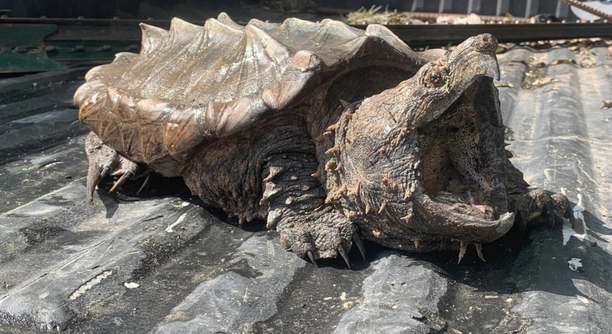
Alligator snapping turtles are unique creatures with specific needs, and keeping them happy can be a challenge. If you’ve noticed changes in their behavior, it might be due to factors you’re not aware of. Understanding these can help you create a better environment for your turtle.
Several factors could be contributing to your alligator snapping turtle’s unhappiness, including improper habitat conditions, diet, stress, or lack of mental stimulation. A balance of appropriate water temperature, clean surroundings, and proper feeding are key to their wellbeing.
From adjusting water parameters to providing enrichment, there are simple steps you can take to improve your turtle’s quality of life. Learning these important details will help you care for your pet better and avoid common mistakes.
Poor Water Quality
Water quality is crucial for alligator snapping turtles. These turtles are particularly sensitive to dirty water, which can affect their health and mood. If their environment isn’t properly maintained, they can become stressed. Make sure to regularly change the water, clean the tank, and monitor the water’s pH levels, ammonia, and nitrate levels. Stagnant or contaminated water can lead to skin infections, respiratory problems, and decreased activity.
Clean, filtered water will keep them healthy. Regular maintenance helps maintain a balanced ecosystem and ensures the turtle’s comfort.
To ensure your turtle’s environment stays clean, you need a good filtration system and a consistent cleaning schedule. Remove leftover food and waste daily, and perform partial water changes every week. With clean water, your turtle will thrive and stay happy.
Inadequate Temperature
Temperature is key for an alligator snapping turtle’s health. If the water is too warm or too cold, it can lead to stress, sickness, or even death. The water temperature should be between 72°F and 78°F. Too high or low can affect their metabolism, feeding habits, and energy levels.
A reliable aquarium heater can help maintain the correct temperature range. Invest in a thermometer to check regularly. Having a steady environment will keep your turtle active and healthy.
If the water is too warm, it may cause the turtle to be sluggish or refuse to eat. On the other hand, if it’s too cold, the turtle will become lethargic and stressed. Maintaining a constant, appropriate temperature will create a more comfortable and stable environment for your pet.
Incorrect Diet
An alligator snapping turtle’s diet needs to be well-balanced to maintain its health. They are carnivores and require a mix of proteins, including fish, worms, and insects. A poor diet can lead to nutritional deficiencies, which can cause serious health issues and make the turtle unhappy.
Feeding your turtle live prey or frozen food is ideal. Avoid feeding them only one type of food, as this can lead to malnutrition.
In addition to animal proteins, you can offer some plant matter like leafy greens for variety. Keeping a balanced diet will help them stay strong and content.
Lack of Space
Alligator snapping turtles are large, active creatures that require a spacious tank. A cramped environment can cause stress and make them feel trapped. The size of the tank should be large enough for them to move around comfortably. They need space to swim and explore.
A tank that’s too small can lead to aggression and poor health. Be sure to offer your turtle ample room to move freely. This will keep them physically and mentally healthy, providing them with the freedom they need to thrive.
FAQ
What is the ideal tank size for an alligator snapping turtle?
The ideal tank size for an adult alligator snapping turtle is at least 100 gallons. Larger tanks are always better, as they give the turtle more room to swim and explore. A cramped space can cause stress and hinder its natural behaviors. For younger turtles, you can start with a smaller tank but upgrade as they grow.
Can I keep more than one alligator snapping turtle in the same tank?
It is generally not recommended to keep multiple alligator snapping turtles in the same tank. They can become territorial, especially during feeding or mating seasons, leading to aggression. If you want to keep more than one, ensure there’s enough space to reduce territorial conflicts.
How often should I feed my alligator snapping turtle?
Adult alligator snapping turtles should be fed about two to three times a week. Younger turtles may need to be fed more often, up to five times per week. Be sure to vary their diet to provide balanced nutrition, including proteins, occasional plant matter, and fresh water.
Do alligator snapping turtles need a basking area?
Yes, alligator snapping turtles do require a basking area. They need to get out of the water to bask and dry their shells, especially if they’re kept in indoor aquariums. Set up a dry platform with a heat lamp above it to mimic the warmth of the sun.
How can I tell if my alligator snapping turtle is sick?
Signs of illness in an alligator snapping turtle include lethargy, lack of appetite, abnormal swimming behavior, or unusual discharge from the eyes, nose, or mouth. If you notice any of these symptoms, it’s important to consult a vet who specializes in reptiles for a proper diagnosis and treatment.
Can my alligator snapping turtle live with fish?
It’s generally not recommended to keep fish in the same tank as an alligator snapping turtle. They are carnivorous and may try to catch and eat the fish. If you do decide to house them together, make sure the fish are fast swimmers and too large to be considered prey.
What type of filter is best for an alligator snapping turtle tank?
A powerful external filter is the best choice for an alligator snapping turtle tank. They produce a lot of waste, and a strong filtration system is necessary to keep the water clean. A filter rated for a tank size larger than yours will help maintain water quality.
How do I provide mental stimulation for my alligator snapping turtle?
Alligator snapping turtles need stimulation to keep them engaged. You can provide this by hiding food in the tank, adding rocks or logs for them to interact with, and occasionally changing their environment. This helps prevent boredom and keeps them mentally active.
What is the best water temperature for an alligator snapping turtle?
The ideal water temperature for an alligator snapping turtle is between 72°F and 78°F. If the water gets too warm or cold, it can cause stress and even lead to health problems. You can use an aquarium heater to maintain the correct temperature range.
Can alligator snapping turtles be handled?
Alligator snapping turtles are not the most social or interactive pets. While they can tolerate handling, it’s best to minimize it to reduce stress. Handle them gently and only when necessary, such as during tank maintenance or for veterinary visits.
How often should I clean my alligator snapping turtle’s tank?
You should perform a partial water change every week to maintain good water quality. Additionally, clean the tank by removing waste and uneaten food daily. A good filter will help keep the water clean, but manual cleaning is still essential for overall tank health.
Can alligator snapping turtles live in outdoor ponds?
Yes, alligator snapping turtles can live in outdoor ponds, as long as the pond is large enough and has appropriate temperature and water quality. Outdoor ponds must have secure fencing to prevent escape and protect the turtle from predators. Make sure the pond has a basking area and shelter.
What can I do if my alligator snapping turtle isn’t eating?
If your turtle isn’t eating, check the water temperature, cleanliness, and tank setup. Stress, poor water quality, or incorrect temperature could be causing it. Offer a variety of foods, and if it continues, consult a vet to rule out health problems.
How long do alligator snapping turtles live?
Alligator snapping turtles can live for 30 to 50 years in captivity, sometimes even longer with proper care. Providing a stable and healthy environment can help your turtle reach its full lifespan. Regular veterinary checkups can also ensure they stay healthy throughout their life.
Are alligator snapping turtles dangerous?
Alligator snapping turtles have strong jaws and can bite hard if they feel threatened. While they’re not aggressive by nature, they can defend themselves. It’s important to be cautious and avoid handling them roughly. Always handle them with care and respect their space.
Can I use tap water in my alligator snapping turtle tank?
It’s not ideal to use untreated tap water, as it may contain chlorine, chloramine, or heavy metals that can harm your turtle. If you must use tap water, let it sit for 24 hours to allow chemicals to dissipate or use a water conditioner to remove harmful substances.
Final Thoughts
Taking care of an alligator snapping turtle requires attention to detail and patience. They are fascinating creatures but need the right environment to stay healthy and happy. Maintaining proper water quality, temperature, and diet are essential factors that contribute to their well-being. Regular tank maintenance, including water changes and cleaning, will help avoid issues with water contamination, which is a common cause of stress and illness for these turtles. Ensuring they have ample space to swim and bask is also crucial for their mental and physical health. A spacious tank that mimics their natural environment is the best way to keep them comfortable and active.
In addition to providing the right environment, it’s important to observe your turtle regularly for signs of stress or illness. Changes in behavior, eating habits, or swimming patterns can indicate health issues. If you notice anything unusual, it’s a good idea to consult a veterinarian who specializes in reptiles. Early detection of any problems can prevent more serious health concerns down the line. Keeping your alligator snapping turtle in a stress-free and well-maintained environment will not only make them happier but also improve their lifespan.
By understanding the needs of your alligator snapping turtle, you can provide a better quality of life for them. While their care might seem complicated at times, it’s worth the effort to ensure they thrive. These turtles are unique creatures with distinct habits, and learning about them will help you meet their needs. Whether it’s offering the right food, keeping their tank clean, or maintaining the proper temperature, every small step counts toward creating a suitable home. With time and care, your alligator snapping turtle can live a long, healthy life.

Hello,
If you enjoy the content that we create, please consider saying a "Thank You!" by leaving a tip.
Every little bit helps us continue crafting quality advice that supports the health, happiness, and well-being of pets around the world, for pets of all shapes, sizes, and species.
We really appreciate the kindness and support that you show us!