
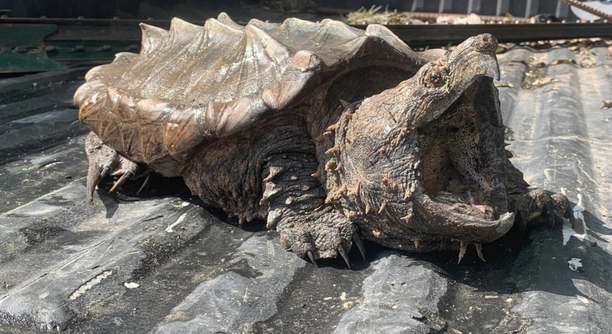
Is your alligator snapping turtle making a wheezing sound, leaving you concerned about its health? Respiratory issues in turtles can be alarming, and understanding the possible causes is essential for ensuring their well-being and long-term health.
A wheezing sound in an alligator snapping turtle is often a sign of respiratory infection, improper humidity levels, or environmental stress. Poor water quality, inadequate temperatures, and vitamin deficiencies can also contribute to breathing difficulties, requiring prompt attention and possible veterinary care.
Identifying the root cause of the wheezing is crucial for effective treatment. Understanding proper habitat conditions and early intervention can help prevent serious health issues and improve your turtle’s quality of life.
Common Causes of Wheezing in Alligator Snapping Turtles
Respiratory infections are a primary reason for wheezing in alligator snapping turtles. Bacteria and fungi thrive in poor water conditions, leading to lung infections. Inconsistent temperatures can also weaken the immune system, making turtles more vulnerable to illness. Ensuring proper water filtration, regular cleaning, and stable temperatures helps maintain a healthy environment. Humidity levels play a crucial role in respiratory health. If the air is too dry, turtles may struggle to breathe properly. Similarly, vitamin A deficiency can cause swelling in the respiratory tract, making breathing difficult. Poor diet and inadequate UVB exposure often contribute to these issues. Addressing these factors early can prevent severe health complications.
Signs of respiratory distress include excessive yawning, lethargy, nasal discharge, and open-mouth breathing. If these symptoms persist, veterinary attention is necessary. Left untreated, infections can spread and cause irreversible damage.
Observing changes in behavior helps detect issues early. If your turtle appears sluggish, stops eating, or has trouble submerging, these could indicate worsening health. Regular monitoring ensures prompt action when needed.
How to Address and Prevent Wheezing
Maintaining a clean and stable habitat is the first step in preventing respiratory issues. Water should be filtered and changed regularly to remove harmful bacteria. Temperature and humidity levels must stay consistent, ensuring your turtle remains comfortable.
A balanced diet is essential for respiratory health. Alligator snapping turtles require a mix of protein, vegetables, and vitamin supplements. Providing adequate UVB lighting helps with vitamin absorption, reducing the risk of deficiencies. Proper nutrition strengthens the immune system, preventing infections.
If your turtle continues wheezing despite environmental improvements, a veterinarian should evaluate its condition. Antibiotics or antifungal treatments may be required to address underlying infections. Early intervention increases the chances of recovery. Regular check-ups and habitat maintenance help ensure long-term health.
Signs That Indicate a Serious Issue
Wheezing accompanied by mucus, open-mouth breathing, or loss of appetite suggests a more severe respiratory infection. If your turtle struggles to submerge or shows signs of swelling around the eyes, the infection may be advanced and require immediate veterinary attention to prevent further complications.
Consistent lethargy, excessive basking, or gasping for air are signs that the condition is worsening. A turtle with a serious infection may also exhibit erratic swimming or an inability to stay underwater. These symptoms indicate fluid buildup in the lungs, which can make breathing difficult. If left untreated, the infection can spread to other organs, reducing the chances of recovery. Seeking veterinary care as soon as these symptoms appear can prevent permanent damage and improve the likelihood of successful treatment.
Monitoring your turtle’s eating habits is also important. A sudden refusal to eat, especially when combined with weight loss, suggests an underlying health issue. Respiratory infections often make swallowing difficult, causing turtles to avoid food. If your turtle continues to refuse meals, professional care is necessary. Addressing the problem early can prevent further complications and help restore normal eating behavior.
Environmental Factors That Contribute to Wheezing
Poor water quality can cause respiratory distress in alligator snapping turtles. Dirty or stagnant water allows harmful bacteria to thrive, increasing the risk of infection. Regular water changes, a high-quality filtration system, and maintaining proper pH levels help reduce bacterial growth and keep your turtle healthy.
Inconsistent temperatures also play a role in respiratory issues. If the water or basking area is too cold, your turtle’s immune system can weaken, making it more susceptible to infections. A stable temperature between 75-85°F for water and around 90°F for basking helps support overall health. Using a reliable thermometer ensures these conditions remain consistent. Sudden temperature fluctuations should be avoided, as they can stress your turtle and lead to respiratory problems.
Proper humidity levels are equally important. If the air is too dry, your turtle’s respiratory passages can become irritated, making it harder to breathe. Using a hygrometer to monitor humidity and adjusting it as needed prevents dryness-related issues. Consistently maintaining the right conditions helps keep your turtle comfortable and reduces the risk of respiratory infections.
When to Seek Veterinary Care
If wheezing continues despite improving habitat conditions, a veterinary visit is necessary. Persistent symptoms like nasal discharge, open-mouth breathing, or lethargy may indicate a severe infection. Early treatment prevents complications and increases the chances of recovery with the right medications and supportive care.
A vet can perform tests to diagnose respiratory infections and determine the best treatment. Antibiotics, antifungal medications, or supportive therapies may be needed. Delaying care can worsen the condition, leading to irreversible damage. Regular check-ups help detect health issues early and ensure your turtle remains in good condition.
Adjusting Care Based on Symptoms
Observing your turtle’s behavior helps identify worsening conditions. If symptoms improve with environmental changes, continue monitoring. However, if wheezing persists or worsens, additional adjustments may be necessary. Ensuring a clean habitat, stable temperatures, and proper diet reduces stress and supports overall respiratory health.
Final Considerations
A well-maintained environment and early intervention are key to preventing serious health problems. Regularly checking for symptoms and responding quickly to changes can make a significant difference in your turtle’s well-being.
FAQ
Why is my alligator snapping turtle wheezing but still active?
Wheezing without other concerning symptoms may be caused by minor irritation, such as dust, debris, or temporary environmental fluctuations. However, persistent wheezing can indicate a developing respiratory infection. Monitoring behavior, adjusting habitat conditions, and ensuring proper humidity can help determine if veterinary care is needed.
Can cold water cause wheezing in alligator snapping turtles?
Cold water weakens the immune system, making turtles more vulnerable to infections. If temperatures drop too low, the risk of respiratory issues increases. Keeping water between 75-85°F and the basking area around 90°F helps prevent cold-related health problems and keeps the turtle comfortable.
How can I tell if my turtle’s wheezing is serious?
Serious wheezing is often accompanied by nasal discharge, open-mouth breathing, lethargy, or lack of appetite. If the turtle struggles to submerge or shows swelling around the eyes, it may have a severe respiratory infection. Seeking veterinary attention is necessary if symptoms worsen or persist.
What should I do if my turtle stops eating after wheezing?
Loss of appetite can indicate a worsening respiratory infection. If your turtle refuses food for more than a few days, check water quality, temperature, and humidity. If conditions are stable and the issue continues, a veterinarian can assess the problem and provide appropriate treatment.
Can poor water quality lead to wheezing?
Dirty or stagnant water creates an environment where harmful bacteria thrive, increasing the risk of infections. A strong filtration system, regular water changes, and maintaining proper pH levels help reduce bacterial growth and prevent respiratory issues in turtles.
How can I improve my turtle’s respiratory health?
Keeping the habitat clean, maintaining stable temperatures, and ensuring proper humidity levels reduce respiratory problems. A balanced diet also plays a role in immune system support. Regular check-ups and early intervention prevent minor issues from developing into serious infections.
Should I separate my wheezing turtle from other turtles?
If multiple turtles are housed together, isolating the sick turtle prevents potential spread of infections. Respiratory illnesses can be contagious in certain cases, so keeping the affected turtle in a separate tank with optimal conditions supports recovery while protecting others.
Can stress cause wheezing in alligator snapping turtles?
Stress weakens the immune system, making turtles more susceptible to infections. Poor handling, sudden environmental changes, or overcrowding can contribute to respiratory distress. Minimizing stress through a stable environment and gentle handling helps maintain overall health.
What medications are used to treat respiratory infections in turtles?
Veterinarians often prescribe antibiotics or antifungal medications to treat respiratory infections. Treatment depends on the severity of the infection and may involve injections, oral medication, or nebulization. Follow the vet’s instructions carefully to ensure a full recovery.
How long does it take for a turtle to recover from a respiratory infection?
Recovery time varies based on the severity of the infection and the effectiveness of treatment. Mild cases may improve within a week, while more severe infections can take several weeks. Proper care, medication, and environmental adjustments help speed up the healing process.
Can I treat my turtle’s wheezing at home?
Mild wheezing caused by temporary irritation may improve with habitat adjustments. However, persistent wheezing, especially with additional symptoms, requires veterinary care. Attempting to self-medicate without proper diagnosis can be harmful and may worsen the condition.
Is it normal for an alligator snapping turtle to make noises?
Turtles are generally quiet, but occasional sounds can occur due to breathing patterns or minor irritation. Wheezing, clicking, or gasping noises should not be ignored, as they often indicate respiratory issues. Observing the frequency and severity of sounds helps determine the next steps.
What role does humidity play in preventing respiratory infections?
Proper humidity levels prevent respiratory irritation and help turtles breathe comfortably. If the air is too dry, the respiratory passages can become irritated, increasing the risk of infections. Using a hygrometer to monitor and adjust humidity ensures a healthier environment.
Can alligator snapping turtles recover from respiratory infections?
With early intervention and proper care, most turtles recover from respiratory infections. However, severe or untreated cases can lead to complications. Seeking timely veterinary care and maintaining ideal habitat conditions improve the chances of a full recovery.
Final Thoughts
Alligator snapping turtles require consistent care to maintain their health, and respiratory issues should never be ignored. Wheezing, even if mild, can indicate an underlying problem that may worsen without attention. Monitoring your turtle’s behavior, ensuring proper habitat conditions, and making adjustments when needed help prevent serious health concerns. Clean water, stable temperatures, and a well-balanced diet contribute to a strong immune system, reducing the risk of respiratory infections. If symptoms persist or worsen, seeking veterinary care ensures the turtle receives proper treatment before complications arise.
Early detection and intervention are key to keeping an alligator snapping turtle healthy. Minor symptoms, such as occasional wheezing or slight inactivity, may not seem alarming at first. However, small issues can develop into more serious conditions if left unaddressed. Regularly checking for signs of illness, maintaining a clean and well-regulated habitat, and minimizing stressors create a more stable environment. While some adjustments, such as improving humidity or water quality, can resolve mild symptoms, professional treatment is necessary when symptoms continue or worsen. Recognizing the difference between minor irritations and serious health problems can prevent long-term complications.
Caring for an alligator snapping turtle requires patience, knowledge, and a commitment to providing a suitable habitat. Preventative care is always easier than treating an illness, so maintaining optimal conditions helps avoid health concerns. Regular cleaning, proper diet, and a stress-free environment support overall well-being. Even with the best care, turtles can still develop health issues, making observation and timely intervention important. Whether through simple habitat adjustments or professional medical treatment, addressing problems quickly ensures a better quality of life for the turtle.

Hello,
If you enjoy the content that we create, please consider saying a "Thank You!" by leaving a tip.
Every little bit helps us continue crafting quality advice that supports the health, happiness, and well-being of pets around the world, for pets of all shapes, sizes, and species.
We really appreciate the kindness and support that you show us!